
Attractions
Attractions
Zadar is both, an atmospheric time machine and an open-air museum. Here on display, you will find some of the most beautiful monuments of architecture and cultural heritage of the eastern Adriatic coast. Its city walls are the ancient guardians of this still vibrant historic museum in the open, end they were rightly added to UNESCO's World Heritage List.

Church and Monastery of St Michael
Church and Monastery of St Michael
The Church and Monastery of St Michael is in a possession of a collection of artefacts, the most valuable of which are the painting of Our Lady of Snow, dating back to the beginning of the 17th century, Saint Lucy by an unknown painter, the Last Supper, and the Flagellation of Christ, all three from the 16th century.

Zadar Seafront - Riva
Zadar Seafront - Riva
The Zadar seafront called Riva, is a place of meeting, gathering and happenings, as well as a place for pleasant strolls with the view over the Ugljan and Pašman islands, and the endless open sea to the northwest. It is embellished by magnificent palm trees, ancient holm oaks and other lush vegetation.

Zadar Sphinx
Zadar Sphinx
The stories about the Zadar Sphinx, and the treasure buried under it, were the inspiration for numerous fantasies by generations of Zadar citizens.
Church of St Andrew and St Peter the Elder
Church of St Andrew and St Peter the Elder
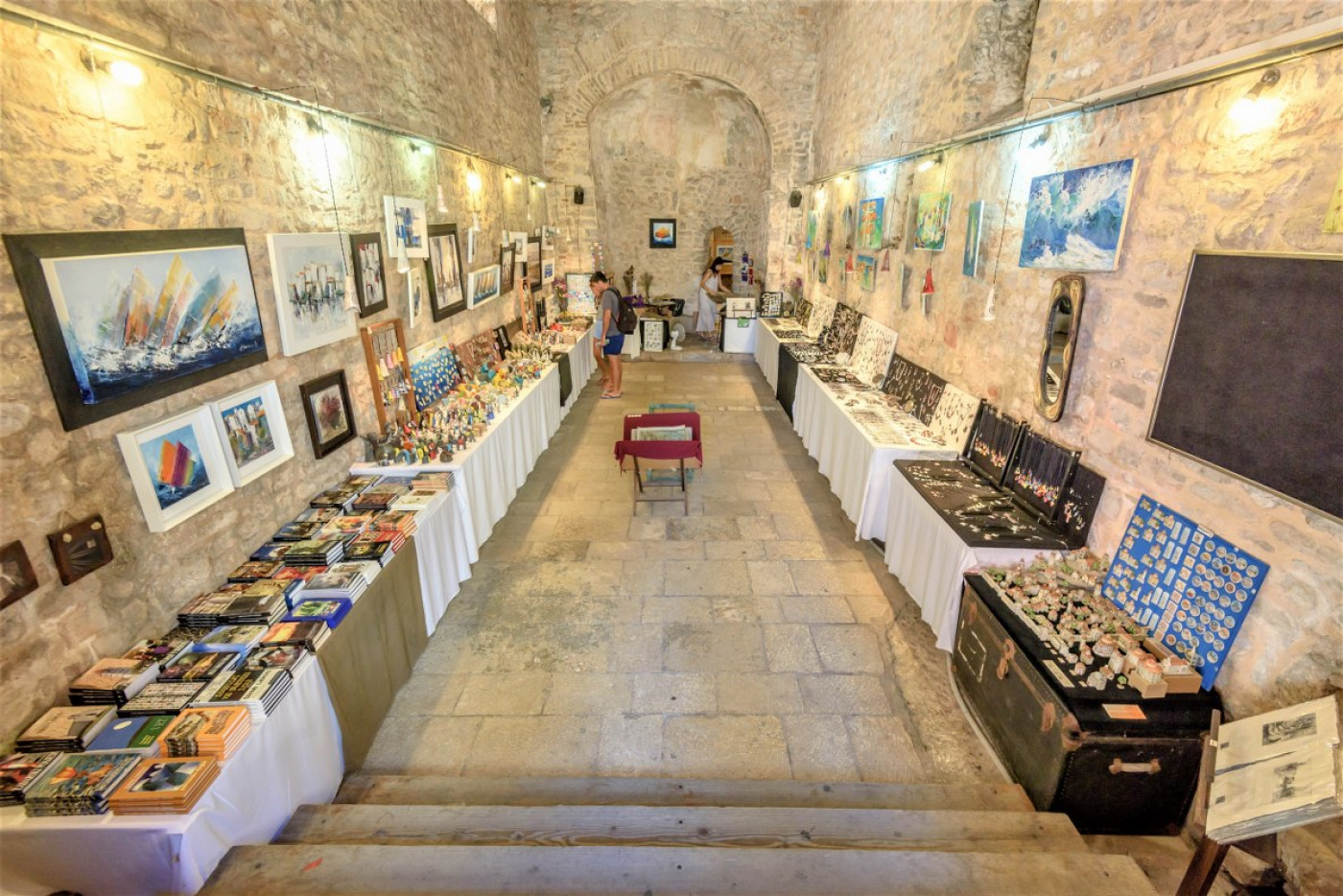
The Church of St Andrew and St Peter the Elder in Zadar is an example of a double church, located near the city market, and functioning as two connected little churches. The southern side wall and the apse of the Church of St Andrew date back to the 5th century, while the Church of St Peter was built on the spot of former Roman buildings.
Church and Monastery of St Mary
Church and Monastery of St Mary
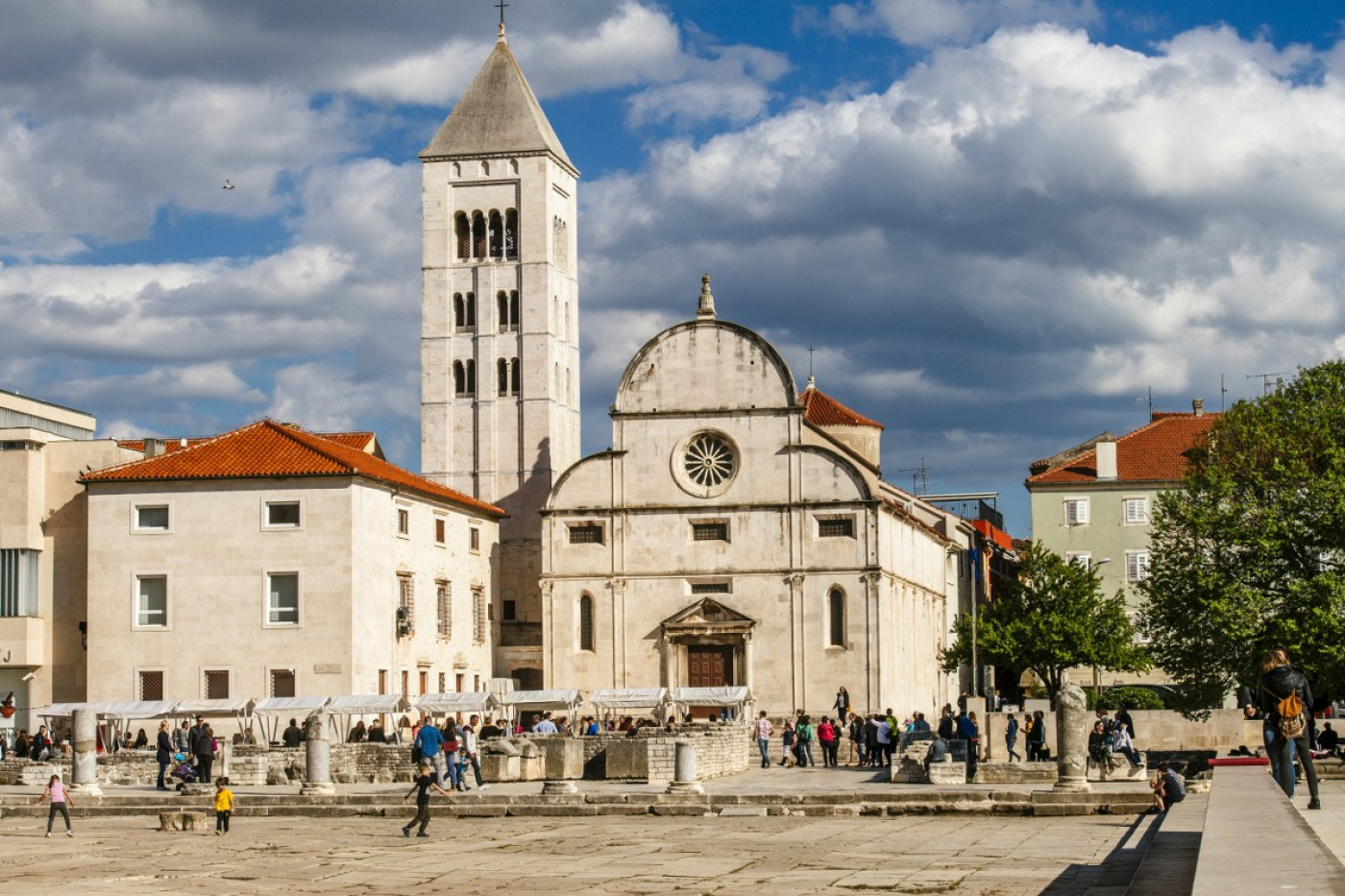
The Monastery of St Mary in Zadar was founded by the Zadar noblewoman Čika in 1066, by her mother, the sister of the Croatian king Peter Krešimir IV, and the big three-nave Church of St Mary was built in 1091 in the Pre-Romanesque style.

Zadar City Walls - UNESCO World Heritage Site
Zadar City Walls - UNESCO World Heritage Site

Historic District of Varoš
Historic District of Varoš
If Kalelarga has been the most important Zadar street and bloodstream of the city since antiquity, the historic district of Varoš is a symbol of a new Zadar. Its narrow streets are imbued with a life atmosphere that radiates comfort and moves slowly through the morning. Scenes of everyday ritual meetings and socializing, endless chit-chat (ćakula) and feasts take place in Varoš. Varoš is an exhibition space of a living city.

Church of St Donat
Church of St Donat
The Church of St Donat in Zadar has long been desacralized, meaning no liturgies are held here, and from the end of the 19th century until 1954 it housed the Zadar Archaeological Museum. As St Donat has exceptional acoustic characteristics, it has been the venue for Renaissance music festivals for decades.
Churches
Churches
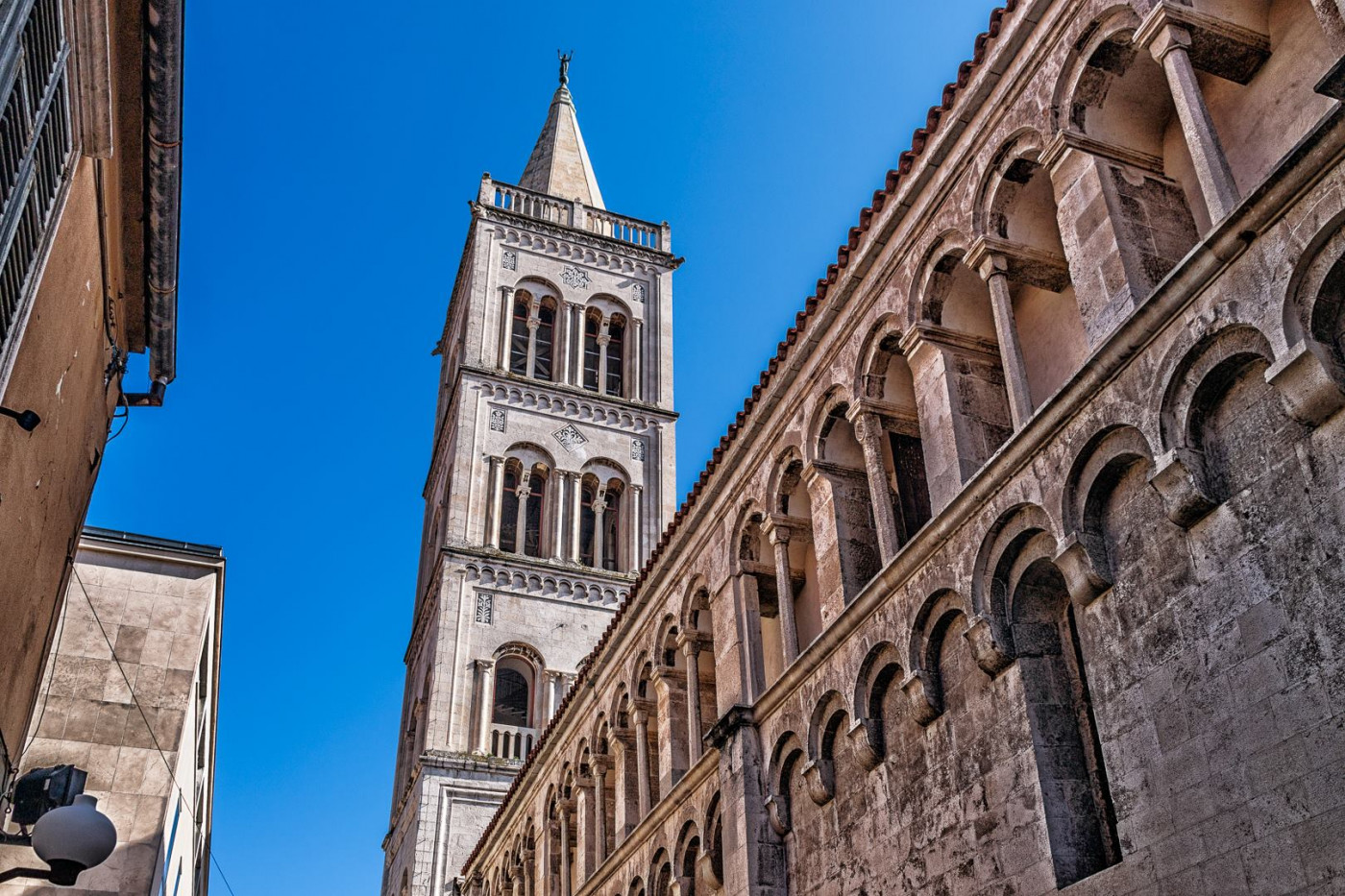
When the legendary traveller, Jason, founded Zadar with his Argonauts, according to a Zadar poet, it just might be that the original ground stone built in its foundation was a sanctuary. On a small space, during a long period, churches have been built one upon the other older, as evidence of continuity of the spiritual life of its citizens.
Church of St Elias the Prophet
Church of St Elias the Prophet
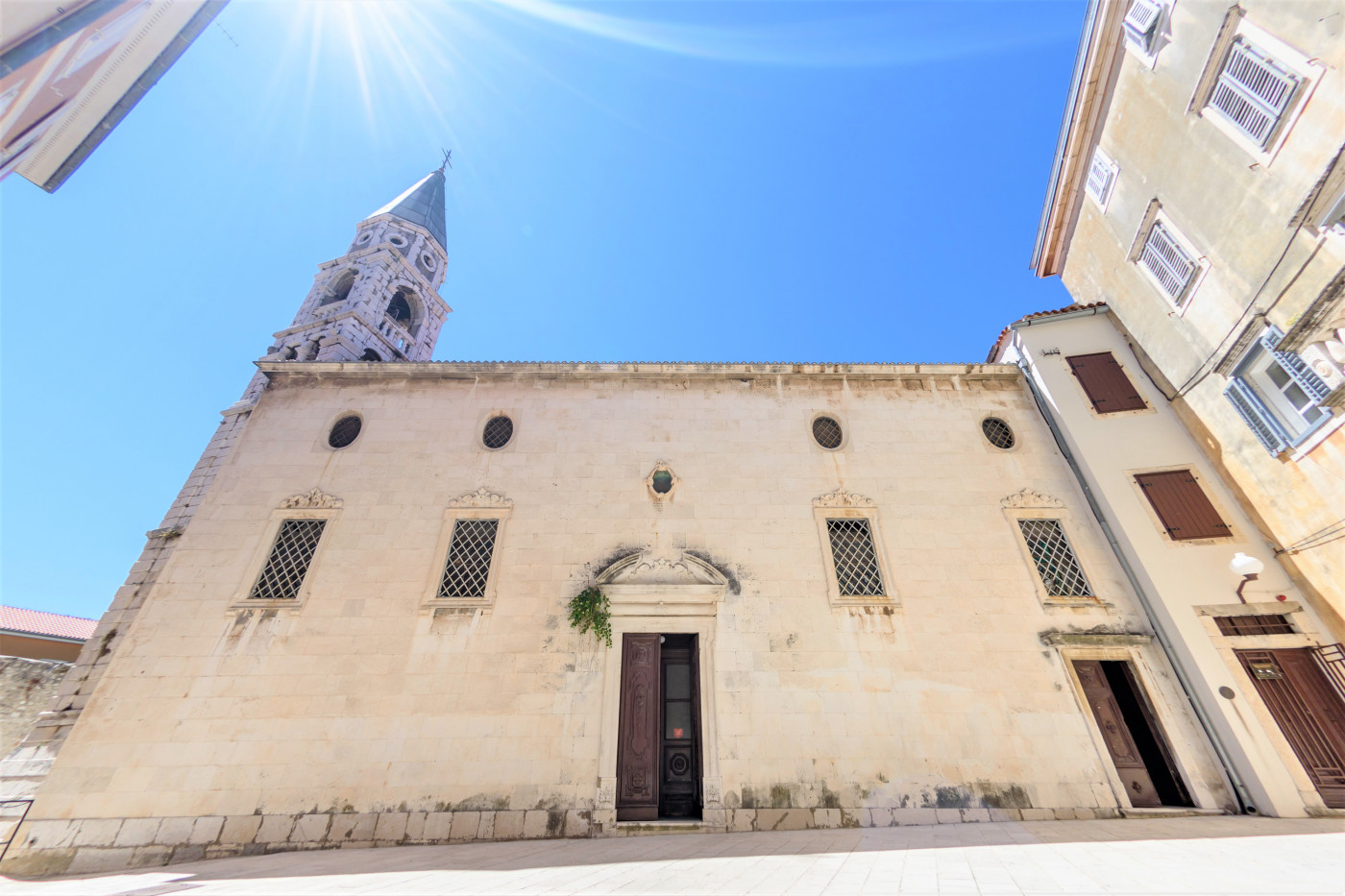
The Church of St Elias the Prophet in Zadar is located on the Roman Capitoline. It was constructed in the 16th century on the spot of the Medieval catholic church of the same name. It was adapted in the 18th century in Late-Baroque style, and it preserves a rich collection of icons dating back from the 16th to the 18th century.

Stomorica Church
Stomorica Church
The floor plan of the Stomorica Church in Zadar resembles a key, and according to tradition, it symbolizes St Peter's keys. Today only the base of that hexafoil Pre-Romanesque church, which was once dedicated to St Ursula, is preserved.
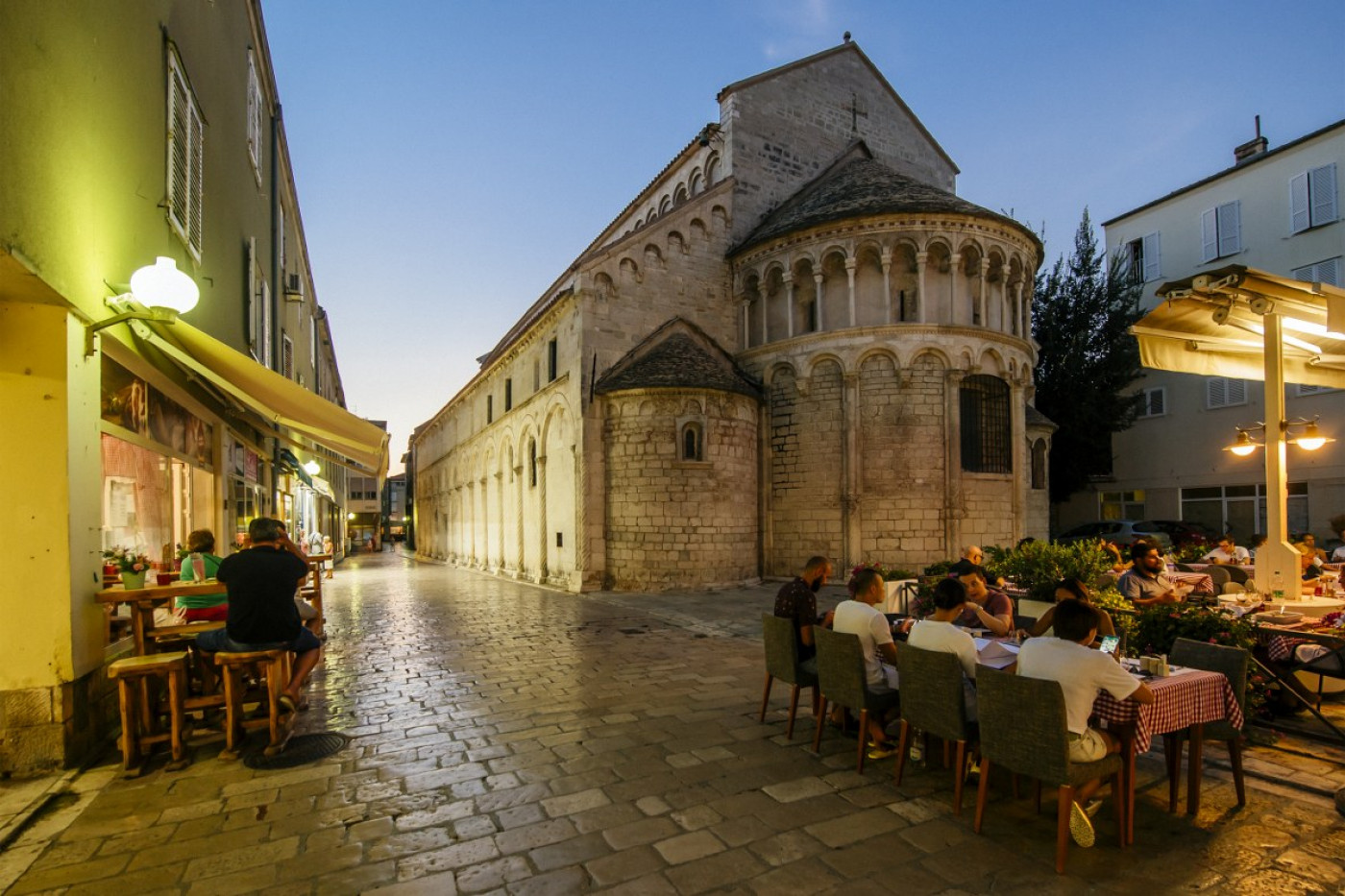
Church of St Chrysogonus
Church of St Chrysogonus
The Romanesque Church of St Chrysogonus got its name after one of the patron saints of Zadar, and it was consecrated by Zadar bishop Lampridius in 1175. It was built on the site of the Roman emporium and the Church of St Anthony the Hermit from the 6th century.
.