
14.02.2022.
The Renovation of the Church and Complex of St. Nicholas in Zadar
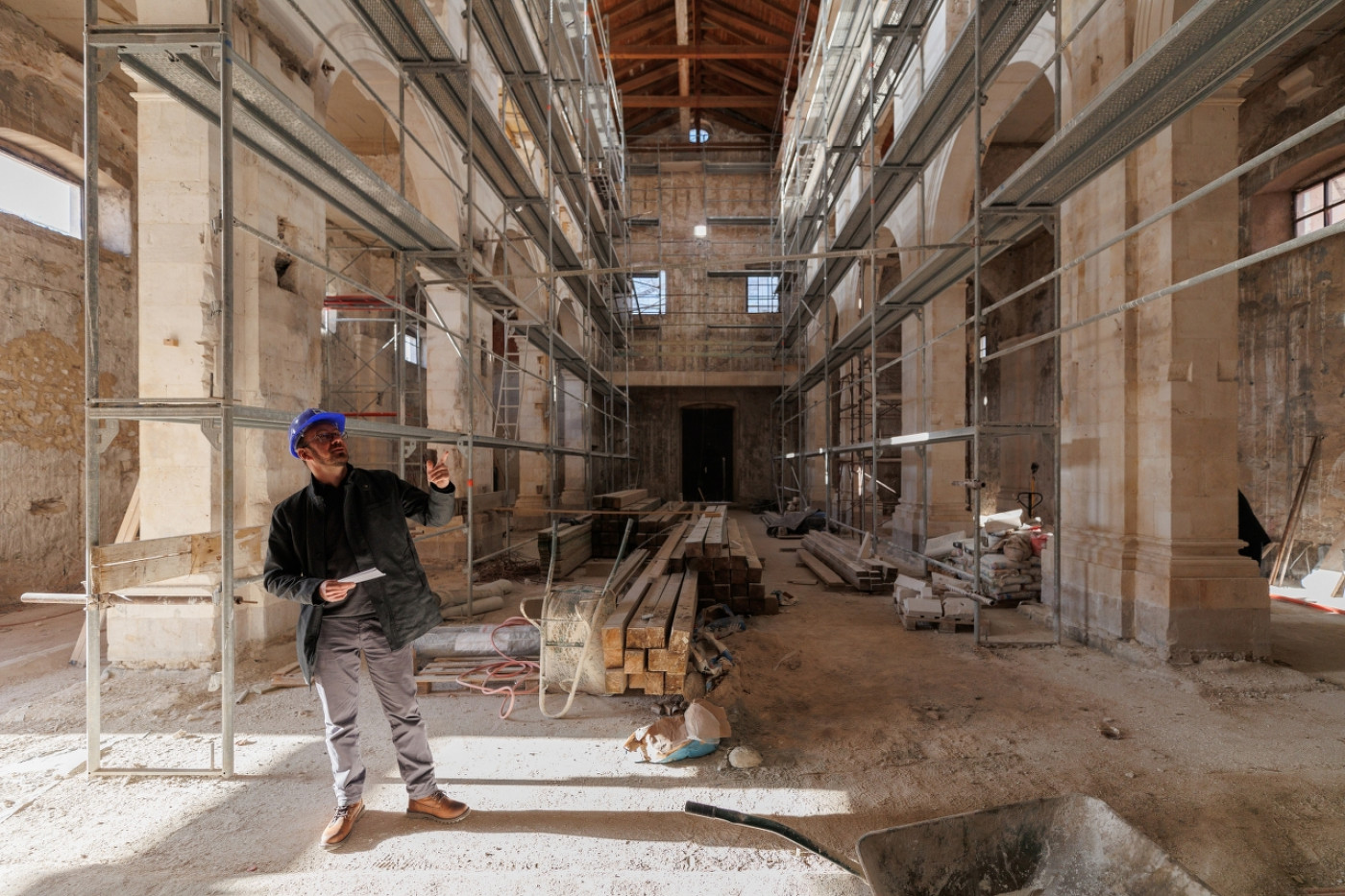
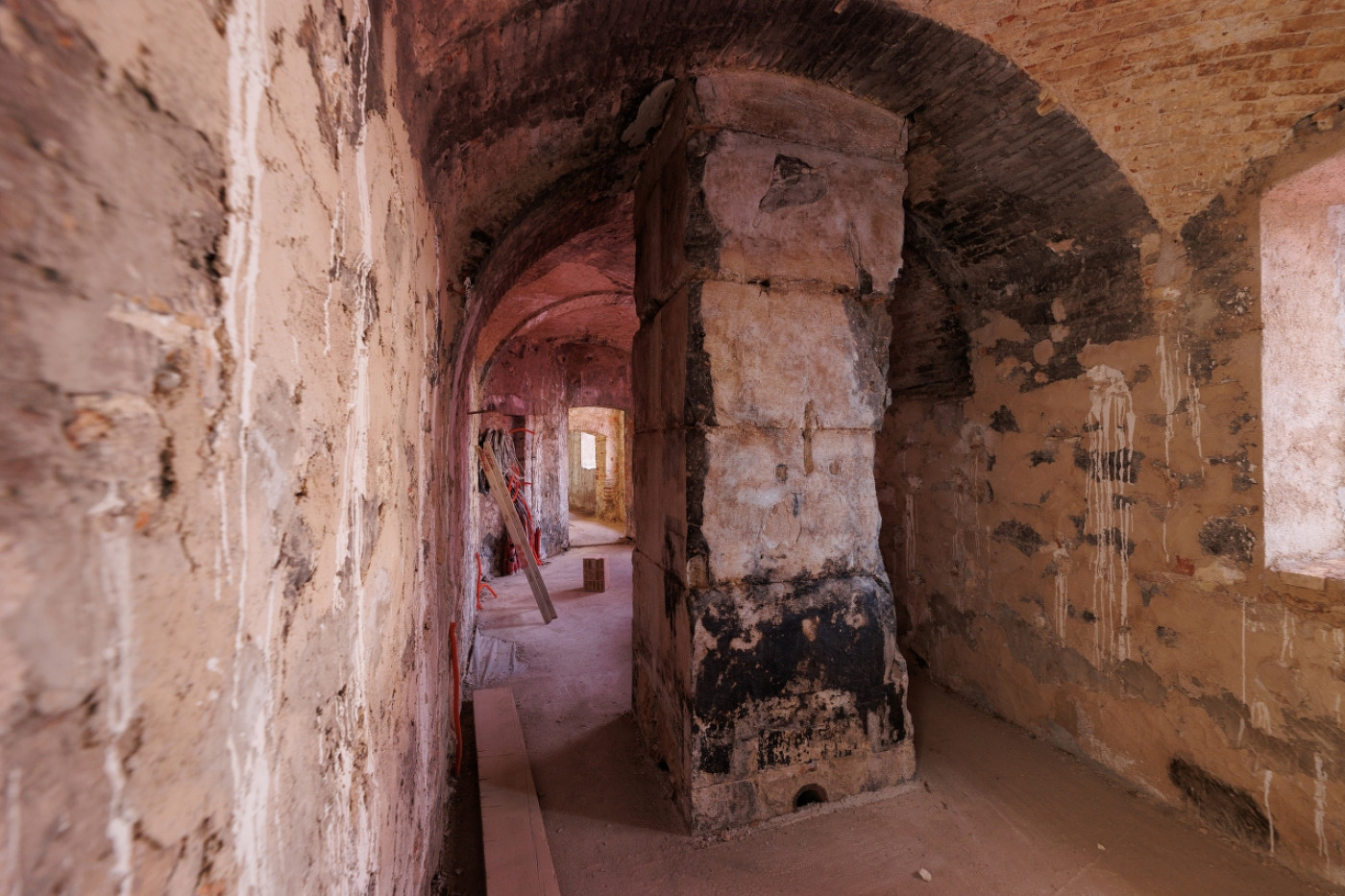
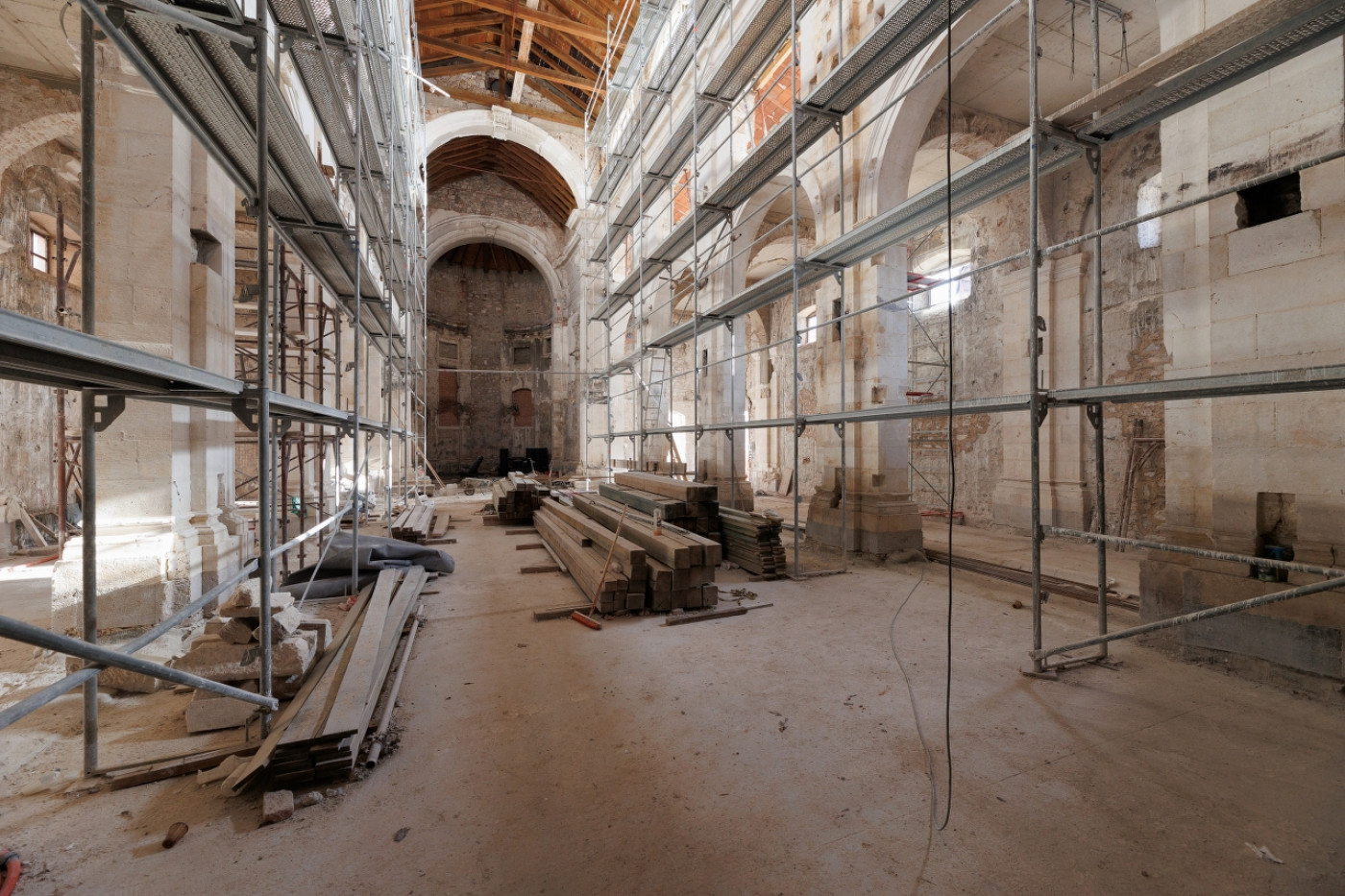
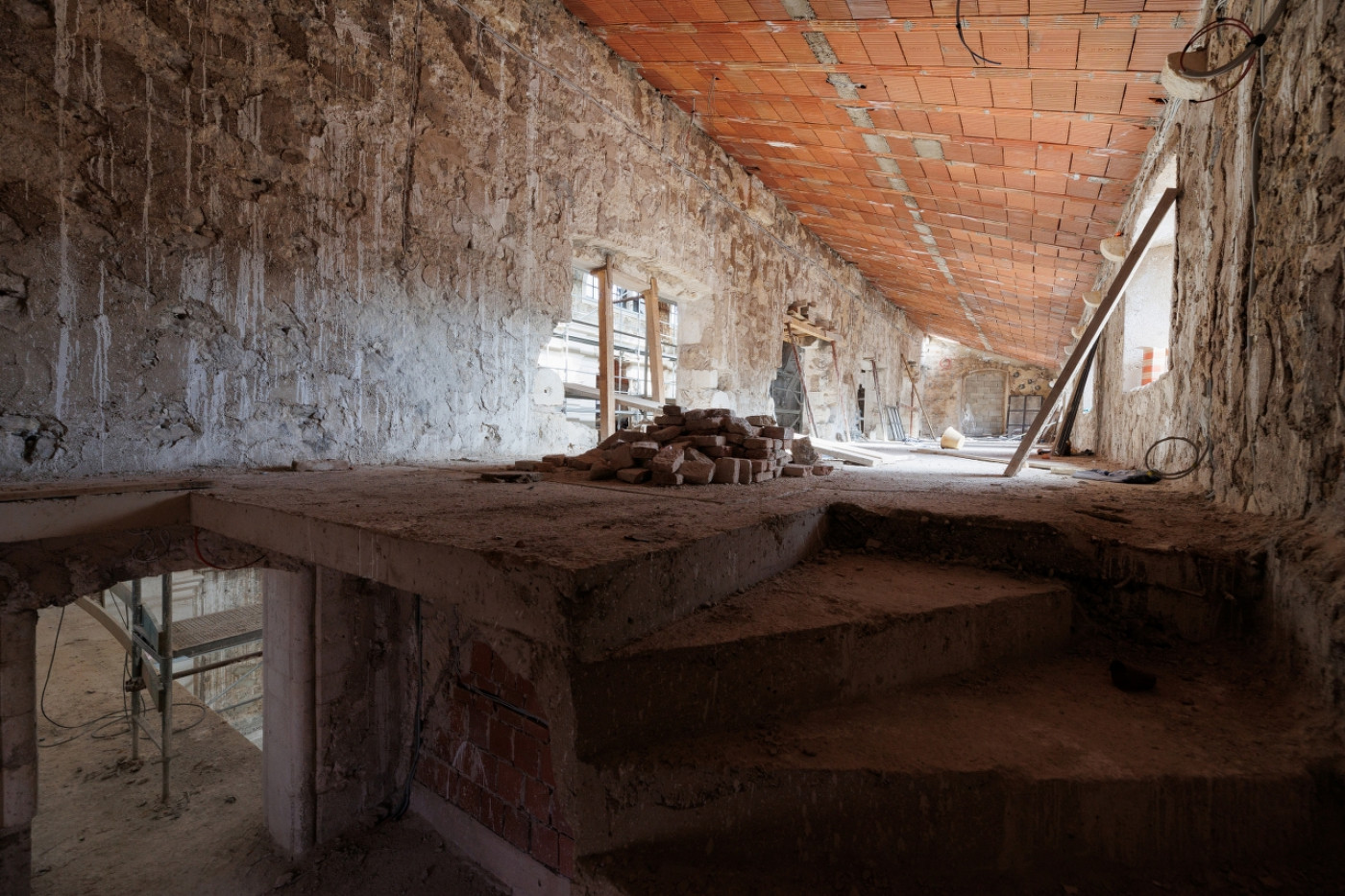
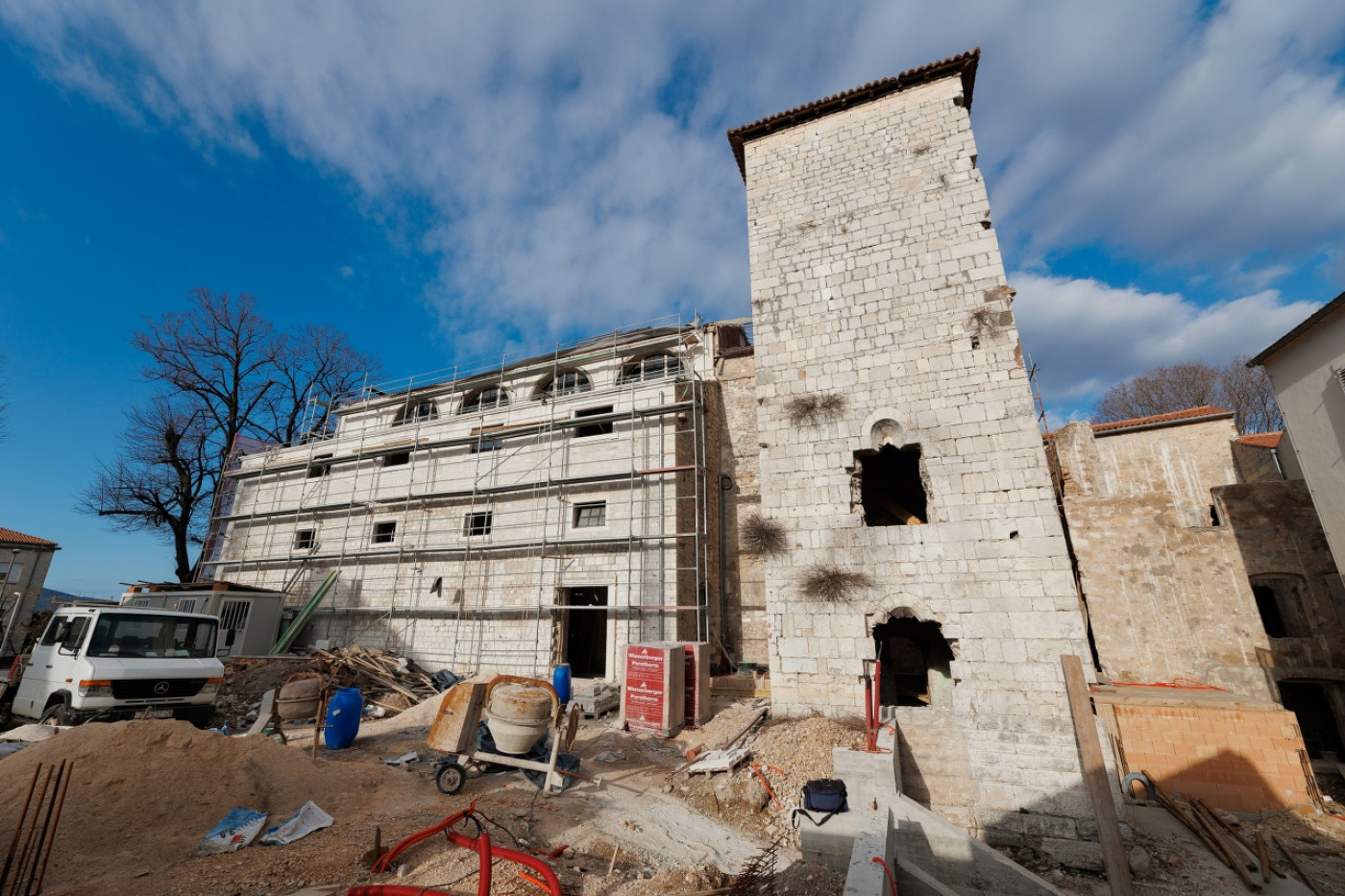
The last day of 2022 is when the project of the renovation of the complex and the church of St. Nikola should be completed. This is one of the capital projects taking place in the city of Zadar. The project is worth almost 4 million Euro, of which 85 per cent is co-financed from European funds, i.e. from the Regional Development Fund through the operational programme "Competitiveness and Cohesion", and the Ministry of Culture and Media provides the rest.
This area in an exceptional location in Zadar's old town bears witness to a turbulent past. Still, the church complex has been neglected for years and, as such, was unattractive to residents, especially tourists. It has been waiting for some better time, and it has finally come.
As already reported on our web site in 2020, upon the renovation completion our city will have a space open to the public, that will finally acquire the role it deserves and be valorized for the benefit of Zadar, but also all the visitors to our city.
The project's main goal is the renovation of the complex of St. Nikola and its valorization in terms of tourism, for tourists, residents of Zadar and all others who will visit this complex, but also in terms of increasing employment in the tourism segment of Zadar County. Incidentally, the partner in the project is the Tourist Board of the city of Zadar, which is in charge of the promotion and visibility of the project - Mladen Pešić, director of the International Centre for Underwater Archeology in Zadar says.
Besides the renovation and valorization of the complex, the goal is to renovate the church of St. Nicholas and the former monastery that surrounded the church.
- What we will achieve after the completion of the project is the renovation of the church, which will have different contents in the interior, i.e. it will be divided into two parts. The ground floor will continue to be an open space, where exhibitions, concerts, conferences, cinema screenings, and similar will take place. We will decorate the upper part of the church with its two galleries for the presentation of activities in underwater archaeology and the work of the International Centre for Underwater Archeology, our actions, research and promotion of the UNESCO Convention for the Protection of Underwater Cultural Heritage. All these activities will exhibit certain materials we are restoring in our workshops. Still, we also have targeted offers related to some virtual digital technologies, for example, virtual screens 3D glasses that visitors will be able to use and enjoy what they see - Mladen tells us about details.
But, along with the former church itself, there will be several other buildings in the complex. There will also be a small bookshop in the reception building where tickets and souvenirs will be sold. So, it will be a reception point where visitors will have their first contact with the complex.
Furthermore, a presentation pavilion will be opened where exhibitions could also be organized, but its primary function will be to host experimental workshops related to archaeology and underwater archaeology.
- Our plan comprises other activities, such as the restoration of certain material and the renovation of traditional ships, where people who come here in person could participate in the work. For example, we plan to renovate a boat where one expert would be employed, but at the same time, people could come and try it out for themselves. It would be something that would bring people closer to underwater archaeology in the way we experience it and they will try something practical. Of course, it would also be oriented towards school children who would come in organized groups - the director of the Centre informs us.
Indeed, one of the goals is to increase the number of visitors and get the cultural heritage closer to the public, introduce the innovative presentation of rich archaeological material and point to a rich source of activities.
- We deal with underwater archaeology, but not everyone has access to this matter. Not everyone can see what we see, so we will try to bring people closer to some of the things we do to make them experience it - Mladen describes his plans.
Let us add that a dormitory is being prepared for students who will be trained at the Centre since the training of students from all over the world is one of the segments of their work. The dormitory will house the students and people who would carry out training.
SOME NOTES FROM HISTORY:
- The church itself was built in the 18th century, i.e. this phase that we now see. We have done archaeological research and found that there have been layers from prehistory to the present day like on the entire Zadar Peninsula. What is visible today is that the church itself was already there in the 11th century, for which we have traces on the bell tower. In the 13th and 14th centuries, another church was demolished to restore the ramparts to defend the city. This 18th-century church we see today was built on the foundations of that 14th-century church. It was never completed because, at that time, the nuns living there were short of funds because amid the war turmoil between Austria and France, they moved all their treasures to the church and monastery of St. Mary, and therefore this monastery remained unfinished. After that, it became a military hospital and barracks and functioned like that for many years.
Schau das Video an
.
Möchtest du gern mehr wissen?
Vorschläge
Neuheit
Zadar Travel App For Direct Booking Of Private Accommodation
23.07.2020.
Gastronomie
What to Eat in Zadar | 15 Dishes That MUST Be Enjoyed | Part 1
11.07.2023.
Veranstaltungen, Gastronomie
TSWF In a Refreshed Form Attracted Many and Announced the Tourist Spring
28.04.2023.
History
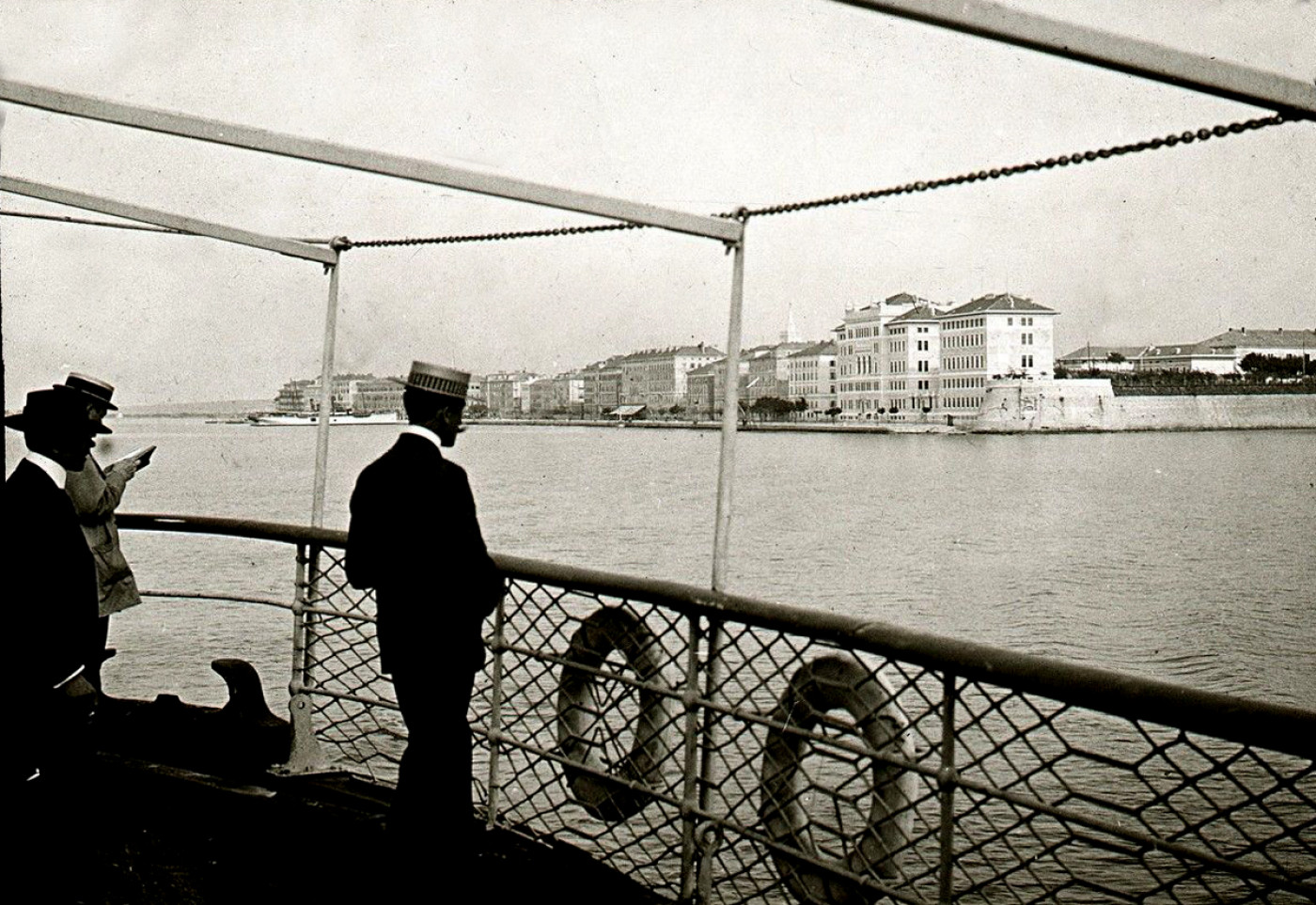
Liburnia Association and the Beginnings of Zadar Tourism in the 19th Century
03.02.2021.