

21.03.2023.
Zadar, a City from Where White Fish Farming Originates
It was an almost unnoticed event that did not suggest in any way it would turn into an epochal discovery of global proportions for the human diet. Somewhere in the second half of the 1970s, a small cage in the sea appeared in the Maestral Bay in Zadar, with several specimens of European bass. This lone hunter and king of shallow sea waters was placed in a cage by a small group of Zadar marine biology experts, experimenting with attempts to grow European bass themselves in controlled conditions, from eggs of a mother caught somewhere around the Kornati archipelago. Their experiments proved successful and then, right here in Zadar, the world's first caged European bass was farmed.
Why Is Fish Farming in Cages Important?
These researchers had previously realized that the seas and oceans, no matter how wide and deep they seem, are still of limited capacity and that humans will simply devastate or deplete the marine resources for their diet with overfishing. In the Mediterranean and in Dalmatia, including Zadar, the most prized seafood are specimens of the so-called white flaky fish. Yes, these are beautiful specimens of common dentex, gilt-head sea bream, European bass, John Dory, red scorpionfish, common two-banded sea bream and others, which, on the grill (gradele), but in many other dishes as well, come up whenever we think of the usual images of Dalmatia, the sea, the islands and the Adriatic. Of course, the delicate flavours of white fish, whose natural value and taste are typically complemented only by salt and olive oil, linger on our palates and make us crave for more.
However, it was precisely this value of white Adriatic fish that led to its overfishing in the second half of the last century, so the research and success of Zadar's mariculture experts proved to be globally important. If it were not for that, it would be difficult for us to be able to enjoy healthy and tasty fish meals today, at least not in the quantities we are used to. After all, more than 15,000 years ago, humans domesticated wild cattle in order to breed it, and not only to hunt it, thus saving themselves from starvation. Why would not that be the case with fish?!
Somehow at the same time as the Zadar experts, the French scientists were conducting similar researches, and a little later the Italians found ways to farm whitebait, but it was in Zadar in 1979 that the first company for fish farming, “Cenmar”, was founded, which was the first to set up a cage for commercial farming of European bass in the world. In the decades that followed, “Cenmar” expanded its production so that it also farmed gilt-head sea bream in cages, and it also built its own fish spawning ground. Due to a number of circumstances, “Cenmar” faltered at the beginning of the new millennium, but, fortunately, in 2008 it was acquired by the powerful Croatian company “Adris Group”, which merged several Croatian small fish farming companies and created the company “Cromaris”, today one of the world's largest fish farming companies for white fish of the highest quality. The company produces over 10,000 tons of top quality fish annually, of which 85 percent is delivered to the European market and abroad, mostly to Italy, while the rest remains on the Croatian market.
“Cromaris”, the Quality Champion of Farmed White Fish
To date, “Cromaris” has technologically perfected the production of fish so that the taste of fish from cages does not differ from the ones living freely in the sea. On the new spawning grounds for the production of whitebait, the company also produces food for whitebait, and one can easily establish parents for each individual specimen of fish. Zadar's “Cromaris” farms fish on six large farms with clusters of spacious cages, and as many as five of them are located in the Zadar archipelago. The assortment has been expanded from European bass and gilt-head sea bream to other species of the top-quality white Adriatic fish: Kornati meagre, common dentex and greater amberjack. The fish in the cages are fed according to a perfected formula shaped into granules, thus the perfection of taste is achieved. But the business philosophy of “Cromaris” is summed up in the old Dalmatian postulate that only fresh fish is the best fish, no matter the species. Namely, “Cromaris” delivers fish to the market right out of the sea, and to the most remote countries of export, as a rule, within less than 24 hours.
The top quality of the Adriatic farmed fish is evidenced by the most important world award for the quality of food products, Superior Taste Award, which “Cromaris” received this year as well, for all four of its submitted products: gilt-head sea bream, European bass, meagre and greater amberjack.
In any case, when you see a whole fresh fish, gutted or cut into clean fillets and steaks in perfect packaging and marked with the “Cromaris” label, in the refrigerators of your supermarket, specialty store or the fish market, wherever you might live, you can be sure it arrived from Zadar and that it was farmed in the crystal-clear sea of the Zadar archipelago. In addition to fresh fish, “Cromaris” also offers smoked and marinated fillets of European bass, gilt-head sea bream and meagre in the most modern “skin” packaging, products that will interest every true gourmet and evoke the imagination of culinary creatives.
Chef Vrsaljko’s Combination of Greater Amberjack and Goose Liver
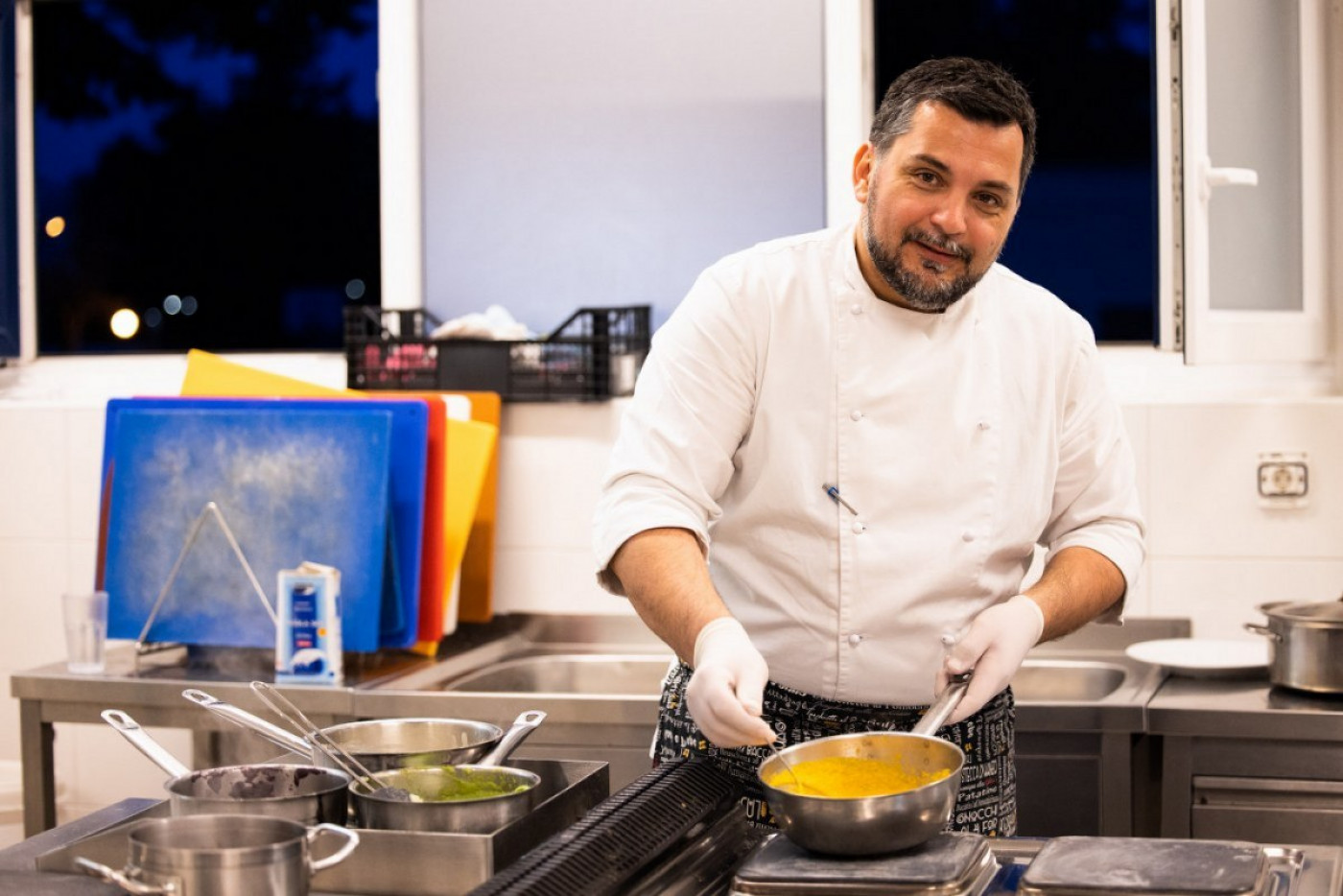
The top-quality white fish from the Adriatic Sea can be prepared in hundreds of ways, although in Zadar and Dalmatia we are not prone to unnecessary spices and complicated ways of preparing dishes from fresh fish specimens. We usually eat it grilled or briefly boiled with a vegetable side dish and drizzled with olive oil. But at the same time, fillets and steaks or whole fish challenge the creativity of chefs, whether they are amateurs, professionals or culinary celebrities. On its website, “Cromaris” offers a handful of recipes for either a simple or imaginative preparation of its fish, and for this occasion we asked a well-known Zadar cooking professor and culinary consultant, chef Josip Vrsaljko, and challenged him to create somewhat different dishes, his own creations, from as many as four of “Cromaris” fish stars, greater amberjack, meagre, gilt-head sea bream and European bass.
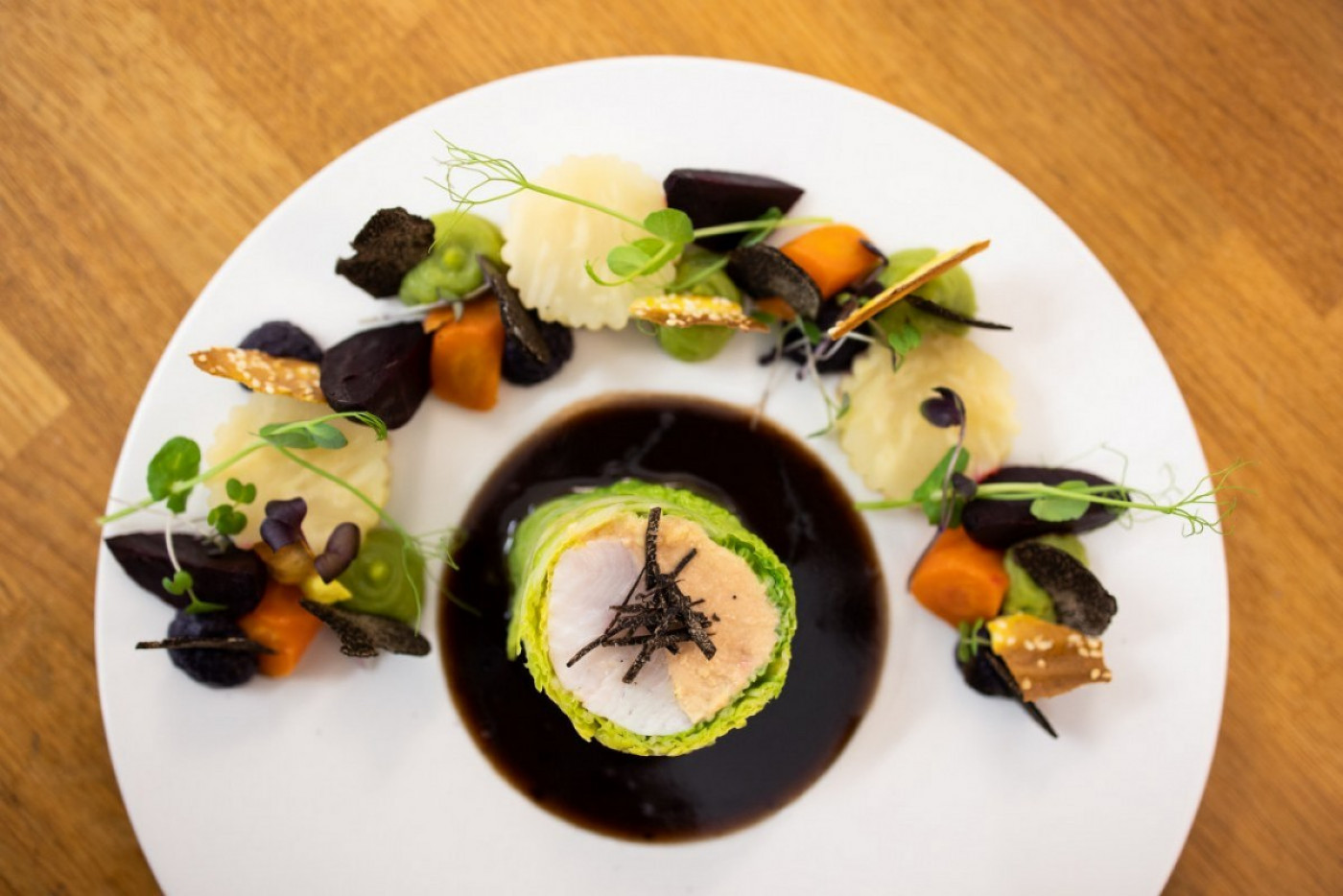
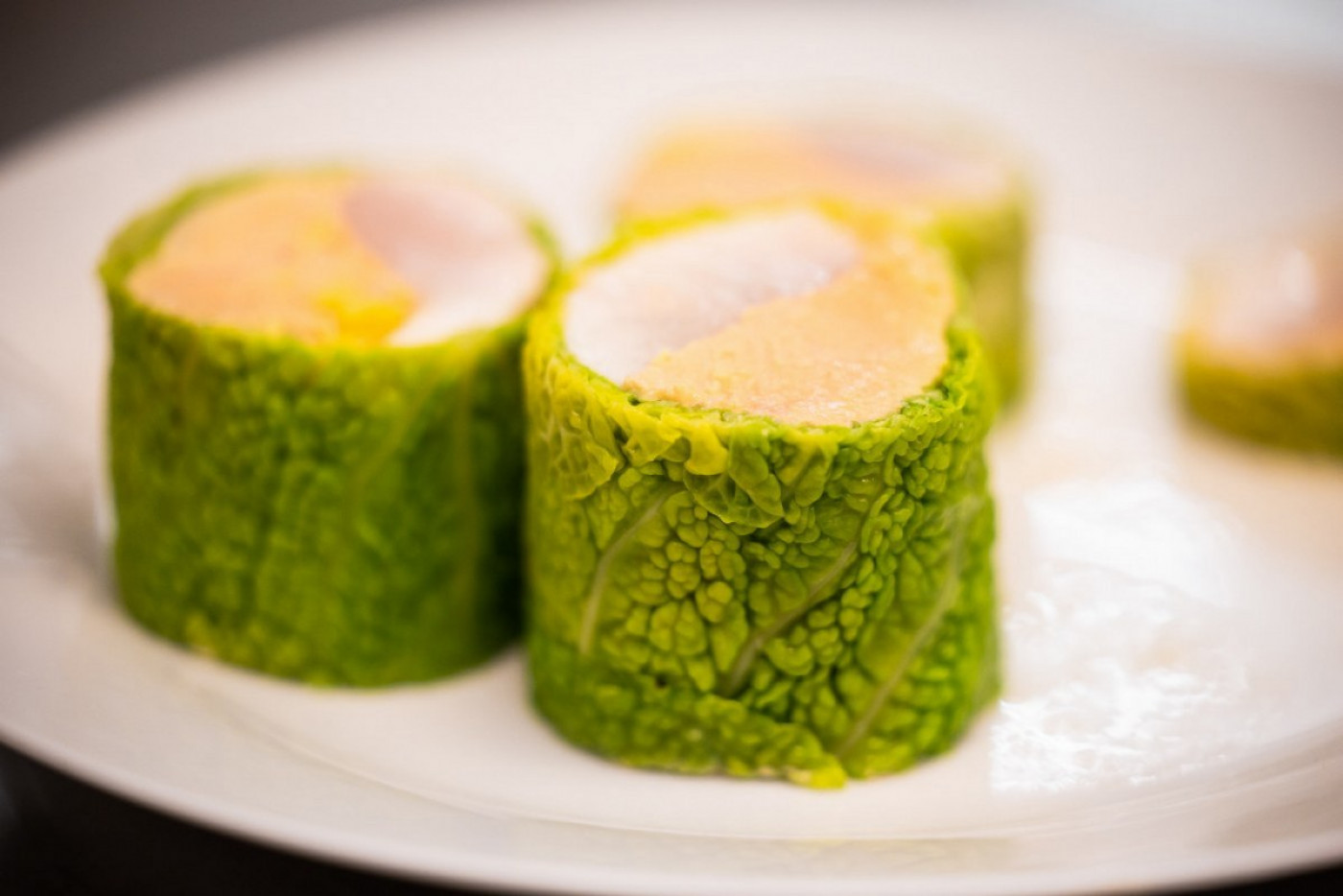
And the challenge has proved to be a success. Chef Vrsaljko put together two spectacular dishes that thrilled at first with their appearance, and then with their aromas and flavours, especially because the combined ingredients only seemed incompatible. The first dish designed by our chef was inspired by the most famous steak in the world, Tournedo Rossini. But, of course, by Dalmatia and the Mediterranean as well. In a blanched cabbage leaf, he wrapped a combination of fresh greater amberjack fillet and goose liver. He then placed the roll cooked in sous vide technique for 35 minutes, on a demi-glace sauce, which he obtained by boiling veal bones for 36 hours, and after reducing it further with Port wine. According to this incredible combination, as it is done with the actual Tournedo Rossini, he sprinkled it with some Dalmatian truffles and additionally enriched everything with glazed and mashed vegetables: carrots, celery, beets and peas, and decorated the dish with fresh pea sprouts. The result was a fantastic dish reinforced by a strong demi-glace sauce, with the fullness of flavour provided by a powerful blend of fresh greater amberjack and expensive goose liver, and its charm by truffles and colourful vegetables.
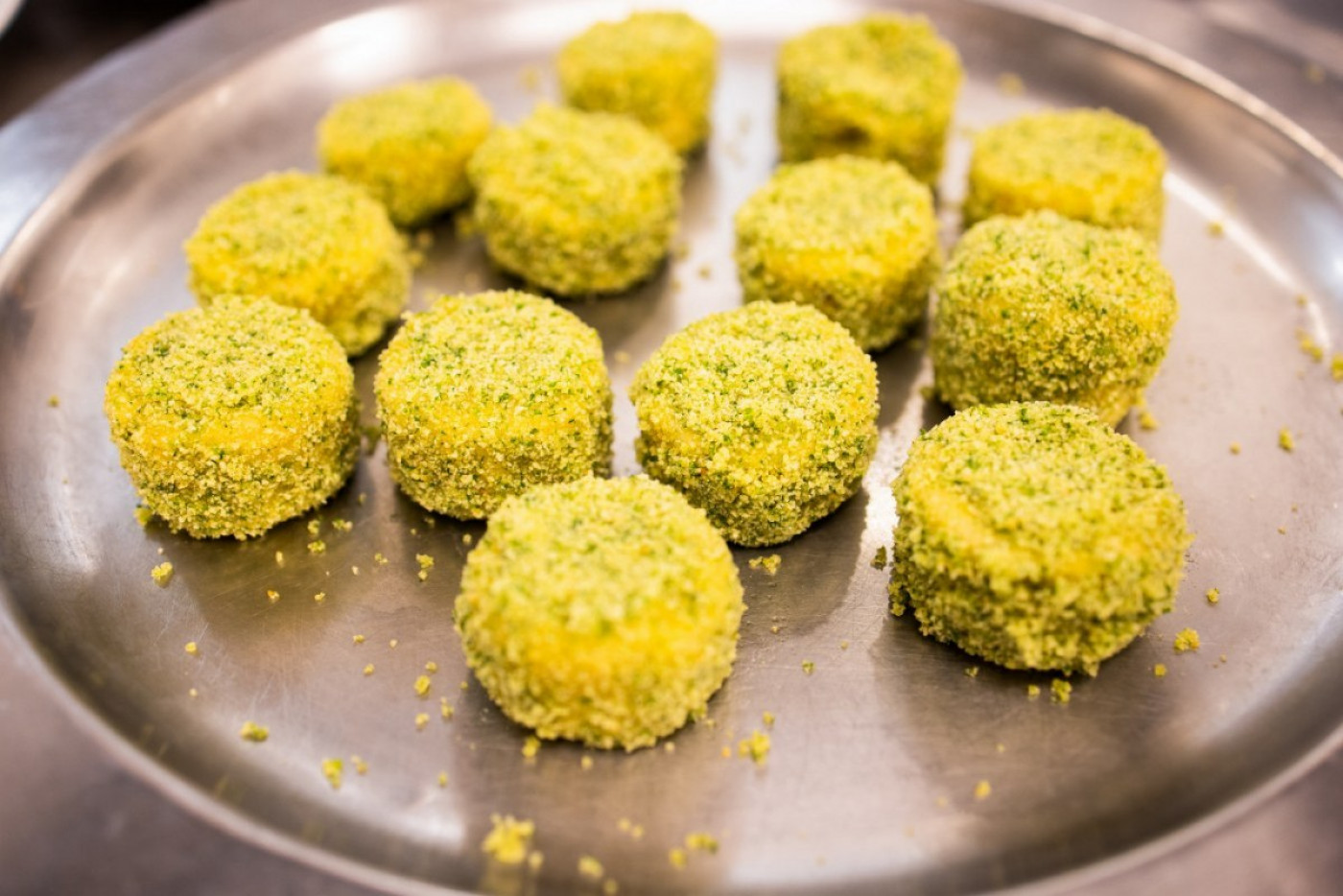
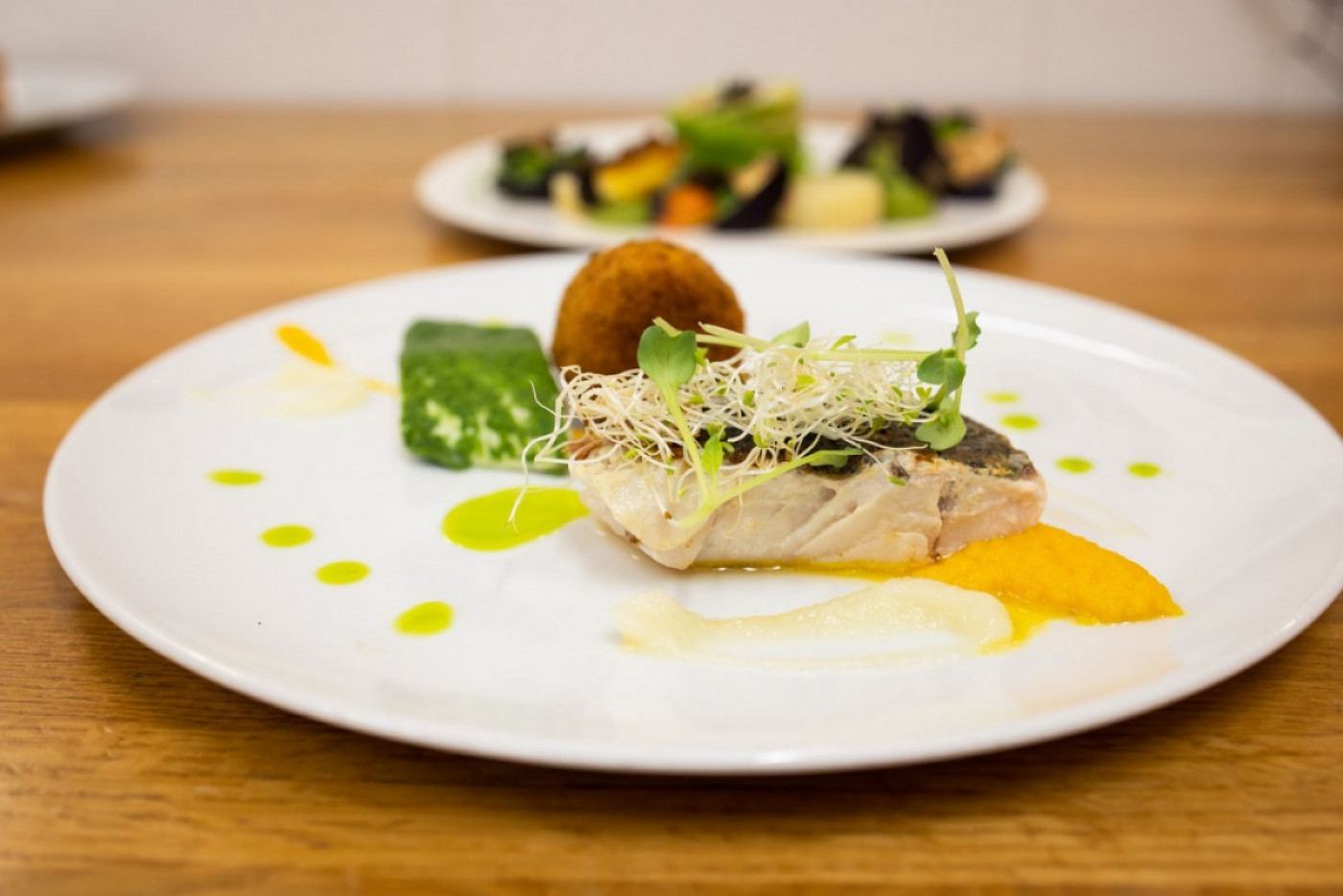
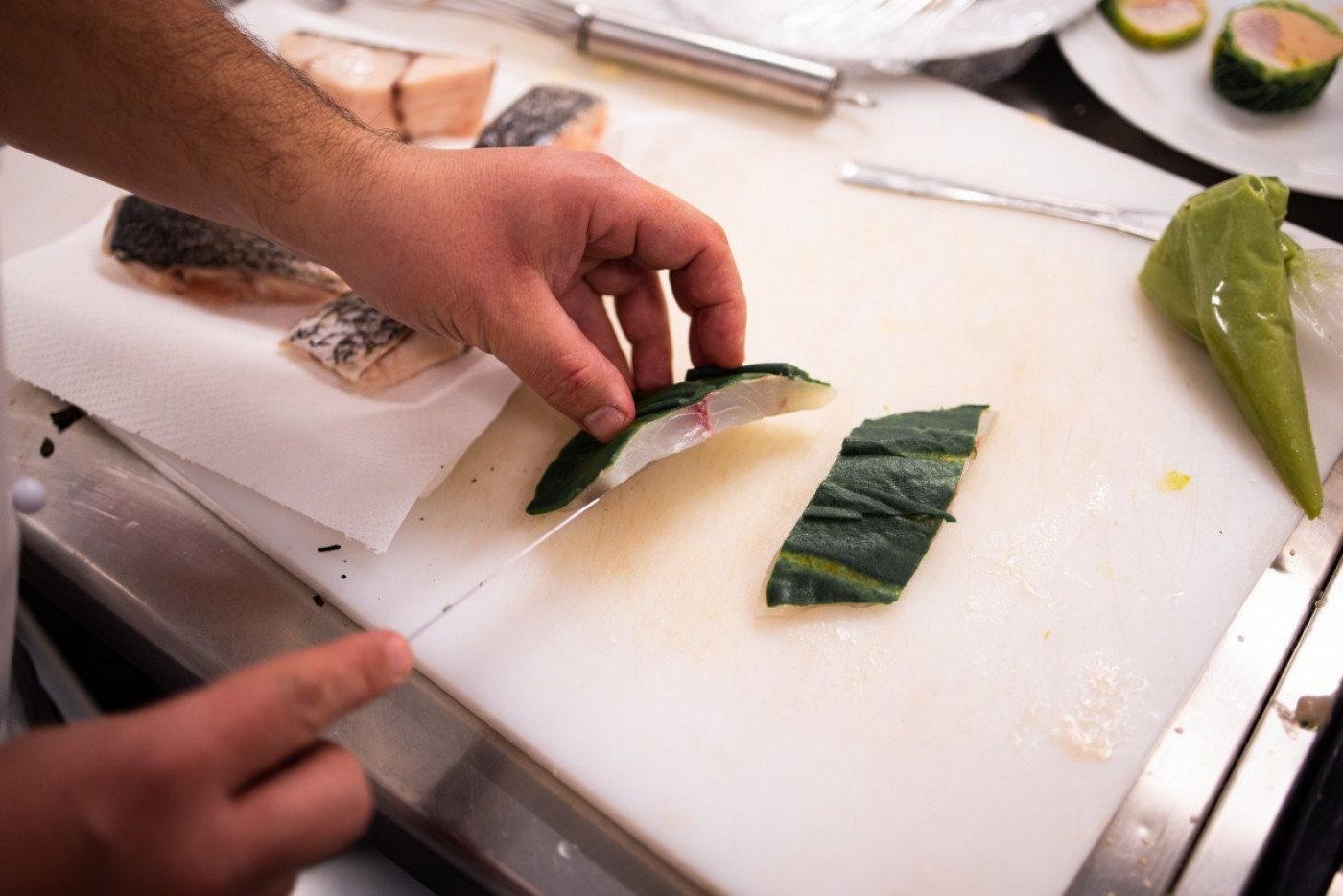
On the second plate, our chef combined the three other stars of “Cromaris” cages, gilt-head sea bream, European bass and meagre, by preparing fillets of each of these fish with a different cooking method. He added breadcrumbs to the chopped fresh European bass and shaped everything into a crispy croquet which he fried in deep oil. He spread the gilt-head sea bream fillet with egg white and parsley glaze with some gelatine, so this fish, a big fan of all kinds of shellfish, got a shiny green wrapping after a short poach. Vrsaljko grilled great pieces of meagre, after cooking them shortly souse vide, on a subtly greasy pan and, of course, on the skin side which then turned golden. The plate with the three fish stars of the Adriatic was supplemented with celery puree and carrot puree, sprinkled with fresh sprouts of various vegetables and drizzled with olive oil and parsley. This dish enchanted us with its elegance and richness of different flavours of the best Adriatic fish, and when everything adds up, the plate kept the Mediterranean simplicity of preparing white fish.
Namely, here in Zadar we usually eat fish prepared in one of three ways: fried, boiled or grilled (gradele). And we will end with a friendly reminder - the most important thing is that the fish is fresh, and “Cromaris” fish stars, wherever you may buy them, surely are.
Schau das Video an
.
Möchtest du gern mehr wissen?
Vorschläge
Veranstaltungen
SHINE & COLOR: An Exhibition of Over 150 Luxurious & Incomparable Glass Exhibits
30.11.2022.

Gastronomie, Lifestyle
After a Two-Year Break, the Zadar Wine Festival Returns
25.03.2022.

Exhibition of the World-Famous Photographer Jadran Lazić in Zadar
10.06.2022.

History
Zadar Had the Most Beautiful Cinema in Austria-Hungary
01.02.2022.