



Sehenswürdigkeiten
Geschichte
Die Vergangenheit von Zadar reicht um die drei tausend Jahre zurück als die Stadt zum ersten Mal als Siedlung erwähnt wird, während sie schon seit zwei tausend Jahren ein urbanisierter Mittelpunkt war.
Ever since those first records, Zadar has been one of the most important cities on the Eastern Adriatic coast, and an inevitable destination for adventurers, poets and writers. With every step you take, its streets, squares, the seafront, churches and monumental heritage unveil its antiquity and continuity, whereas modern installations show the vision of modernity and inspire new travellers. Three thousand years ago, the foundations were laid, and the adventure started.
Prehistorical Findings
Material remains of human existence and its culture in the region of Zadar date back to the late Stone Age. The oldest Dalmatian man named Šime, and a Palaeolithic Venus named Lili were found in the 15,000-year-old layer on Dugi otok. Settlements of Puntamika and Arbanasi on Zadar land date from the late Neolithic. Their present-day residents still pride themselves on being unique.
Liburnians
2,700 years ago, Zadar, as a Liburnian settlement, had already become a significant centre, anchorage and port for numerous trading voyages. The Liburnians were the contemporaries of the Etruscans in Italy and the Levantine Phoenicians, and they were just as skilful in trading and navigation as the aforementioned most influential civilizers of the Iron Age. The notorious seamen, the Liburnians, later became the main builders of the future Roman Empire Armada (Naves Liburnae) that controlled the Mediterranean. In Zadar's hinterland, within the territory of Ravni kotari, an impressive megalithic Asseria still exists.
Roman Empire
The union with Rome did not only prevent the Liburnians from losing land within the Northern Dalmatia territory, that was threatened by the advance of the Greeks and neighbouring Dalmatae, but it also gave their ancient settlement Zadar the final touch as a city. In the period of the Empire, Zadar was built and urbanized, in other words it thrived and little by little it what will mark it through the entire historical period of the Late Antiquity and Middle Ages, or rather until the very beginning of the First World War – the centre of the Eastern Adriatic. The Roman Forum in Zadar is the witness of that period.

Photo: Stipe Surać
Middle Ages
A big earthquake and consecutive volcanic eruptions on Iceland in the 6th century terminated all the relationships between Zadar and its ancient past, so the city changed and recovered gradually during the Early Middle Ages. Very soon, Zadar became the most significant Dalmatian free commune and centre of Dalmatia in the Byzantine Empire, just as strong and advanced as Venice. The Croatian war elite of the time controlled the wider Zadar area, as well as towns, and to the widest extent Adriatic islands, so the characteristics of space remained the same: high level of urban territory development, shipbuilding equivalent to the Liburnian (Condura Croatica and Serilia Liburnica in the neighbouring historical town of Nin) and the metropolitan significance of Zadar. At the end of the 14th century, the first University on Croatian territory was founded here by the Dominicans.
Zadar Under the Republic of Venice
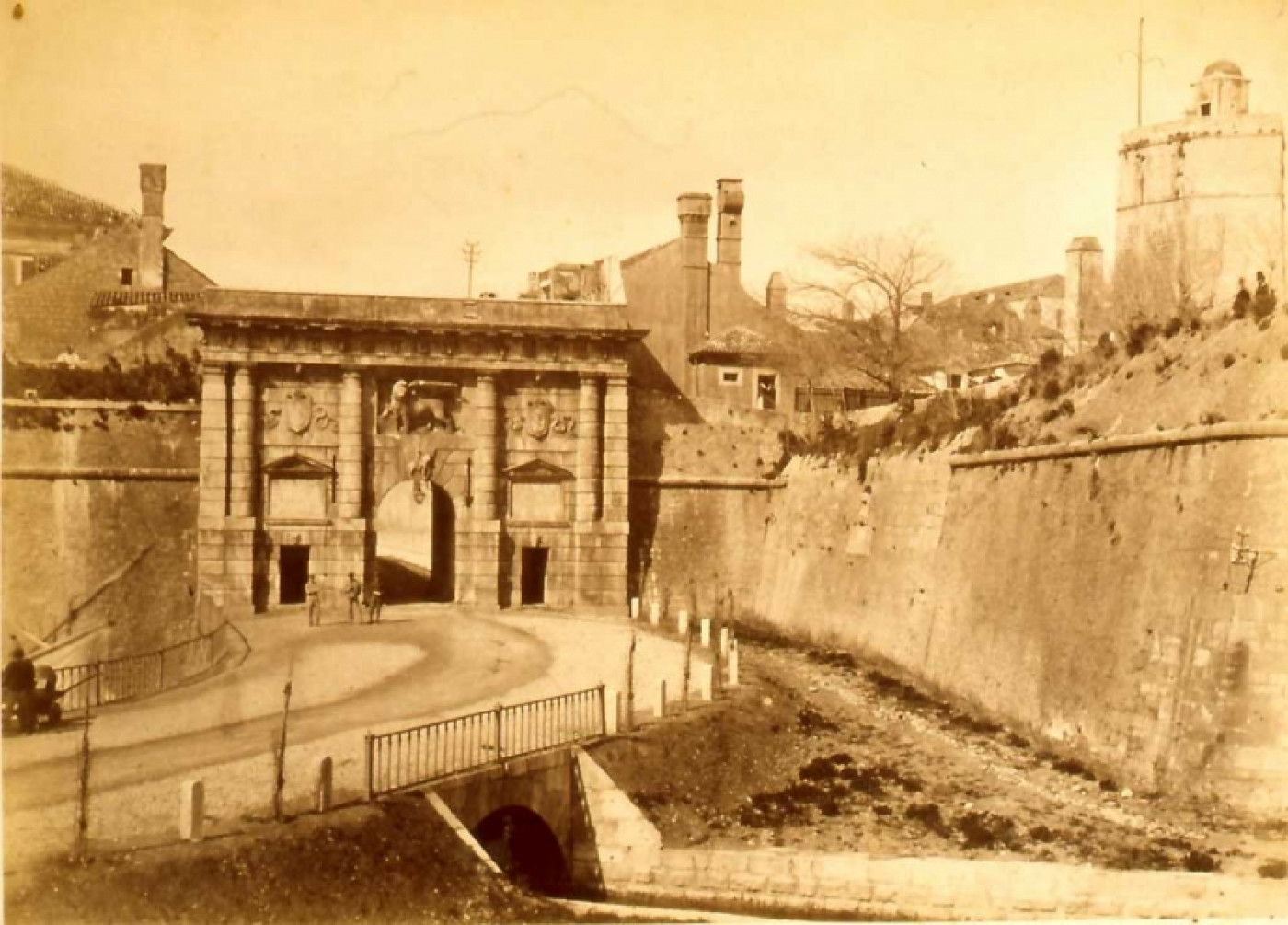
From the 11th until the 14th century Zadar's dukes were at ceaseless wars with the Republic of Venice, which did not view the significant and powerful trading competition in its neighbourhood favourably. The Croatian king Petar Krešimir IV annexed the city of Zadar and the Dalmatian municipalities in 1069 consensually, but as soon as the beginning of the 12th century, Zadar and the Kingdom of Croatia entered a personal union with Kingdom of Hungary. Nominally, it still belonged to the Kingdom of Naples and the Holy Roman Empire right until 1409, when Zadar and Dalmatia were sold to the Republic of Venice for the price of 100 thousand ducats. The later period of Zadar was characterized by controlled development, and during the 16th and 17th centuries by the growing danger of the Ottoman Empire, which was slowly taking control over Zadar hinterland. With the construction of the new fortress and wall system that changed the city’s appearance significantly, Zadar soon became the biggest city-fortress in the Republic of Venice, and its defence system is inscribed on UNESCO's World Heritage List.

Napoleonic Wars
With the fall of Venice at the end of the 18th century, Zadar was annexed to Austria, but as soon as 1806, Zadar came under the authority of Napoleonic France. During only seven years of rule over Zadar and Dalmatia within French Illyrian Provinces, the French were trying to significantly alter the reality thus far and to modernize the region, so Zadar University was re-established with the Faculty of Medicine, Chirurgical Studies, Pharmaceutical Studies, Law, Construction and Geodesy. At the same time, Zadar became the administrative centre, where the first newspaper in Croatian, Kraglski Dalmatin, was written and printed. After the fall of Napoleon and the siege of Zadar in 1813, the Austrian army entered the city yet again.
Austrian Empire
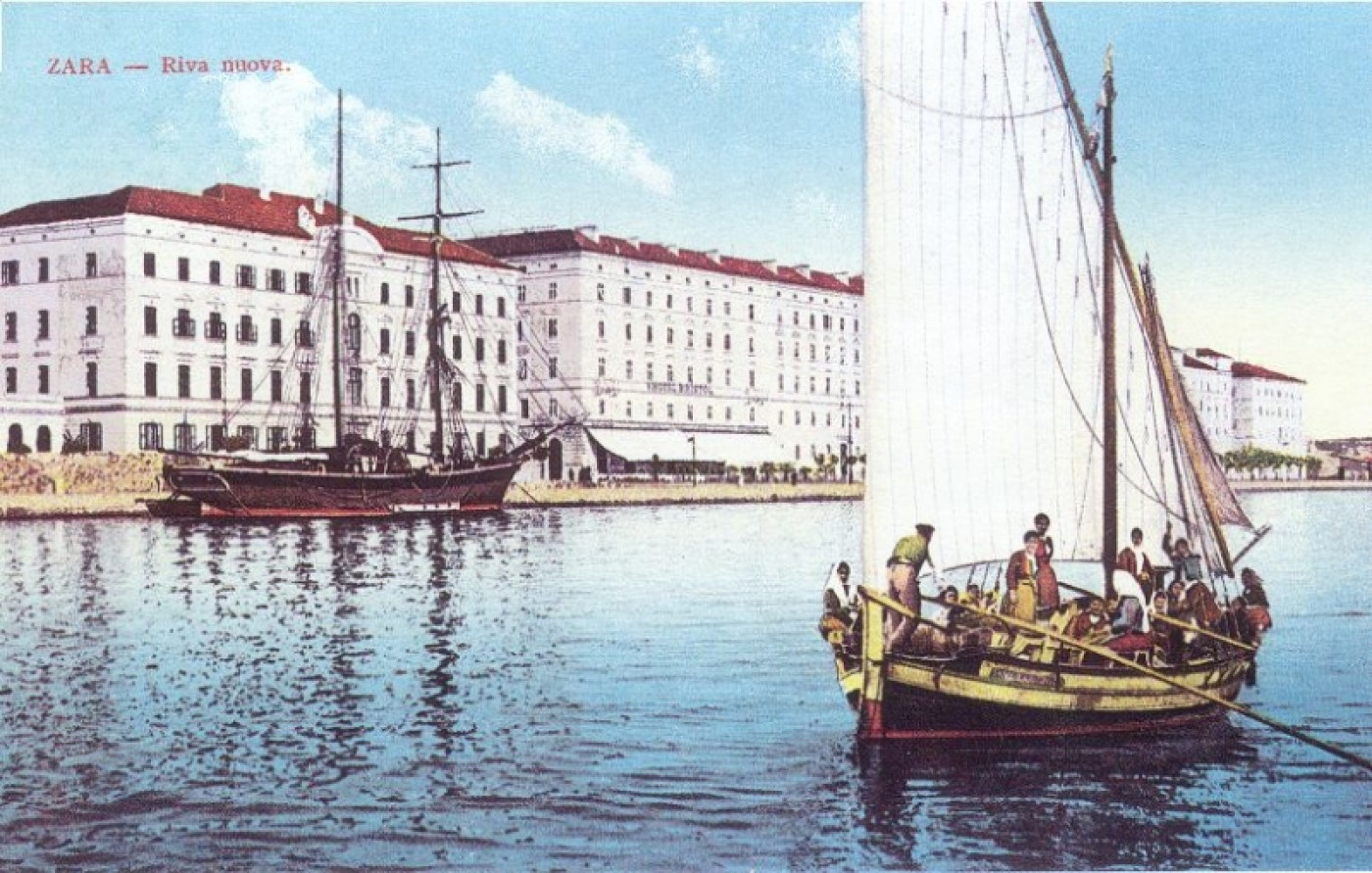
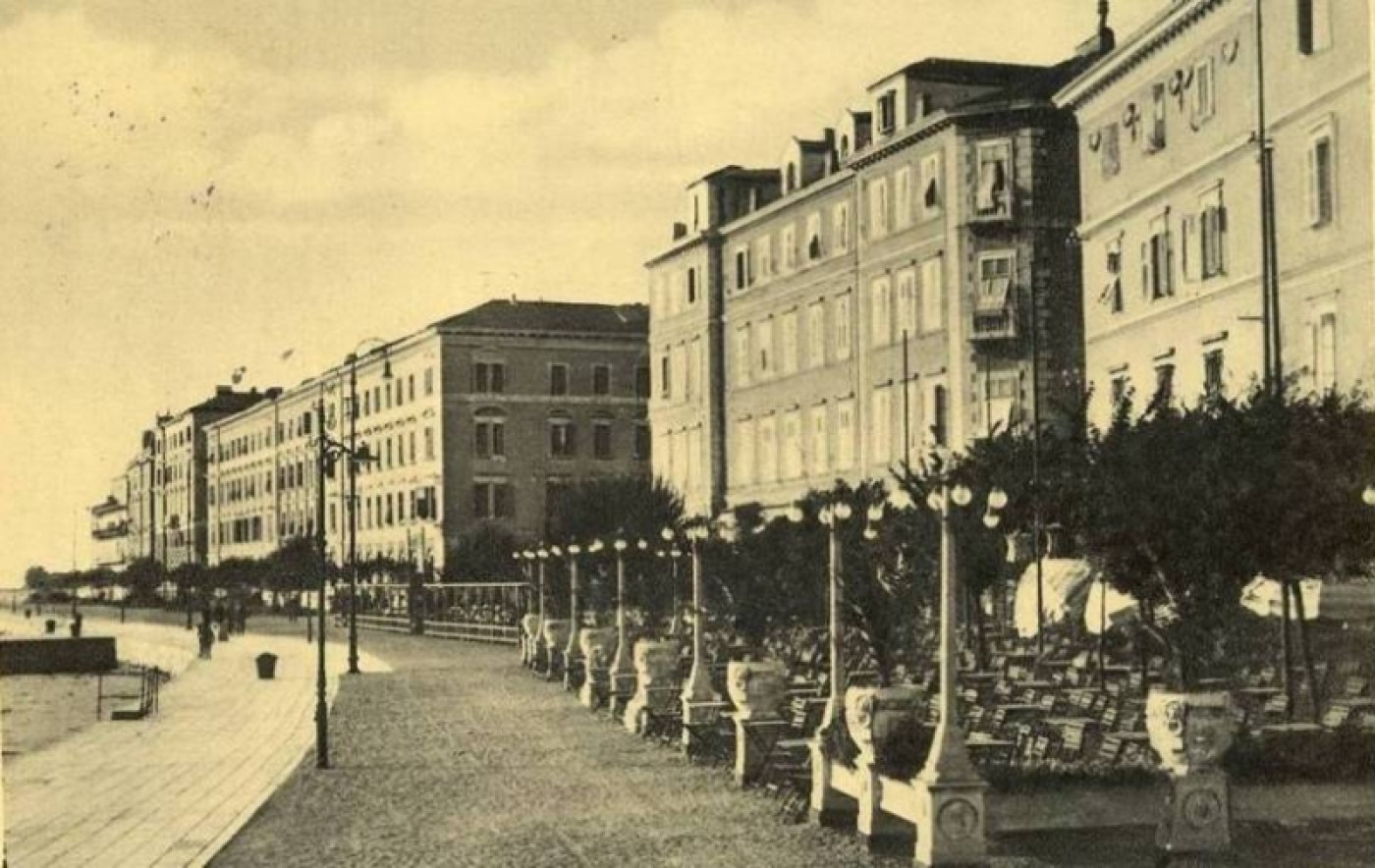
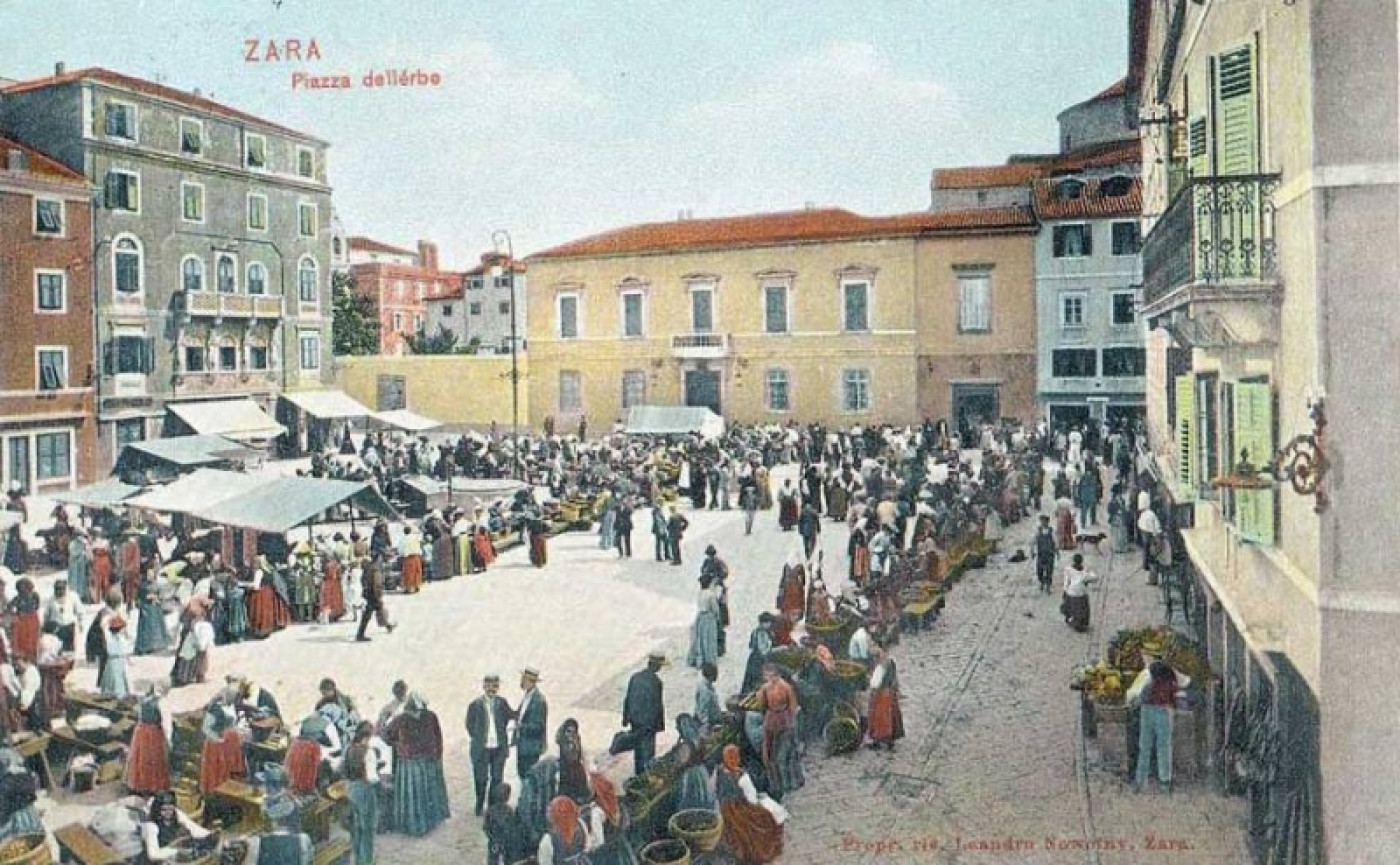
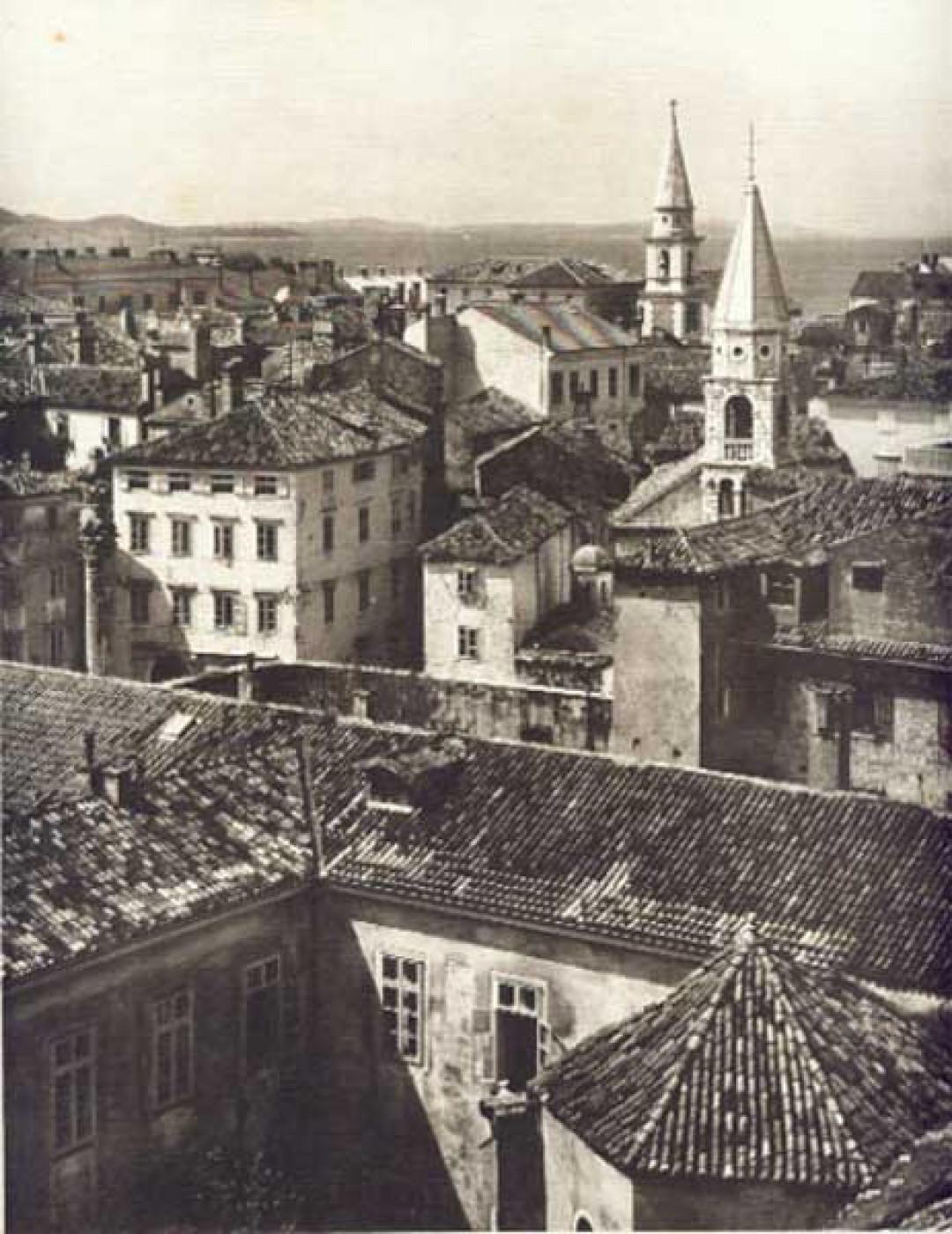
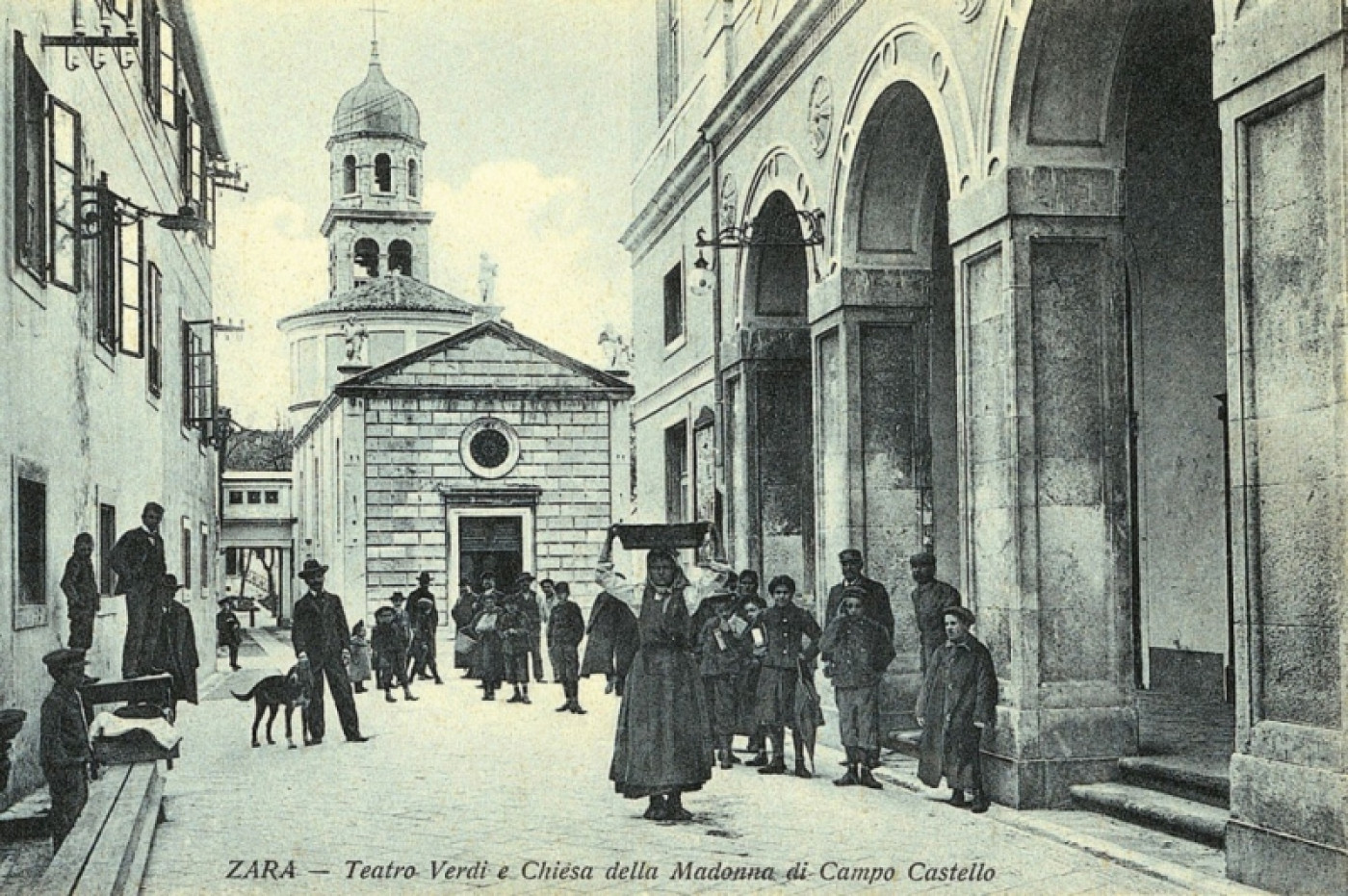
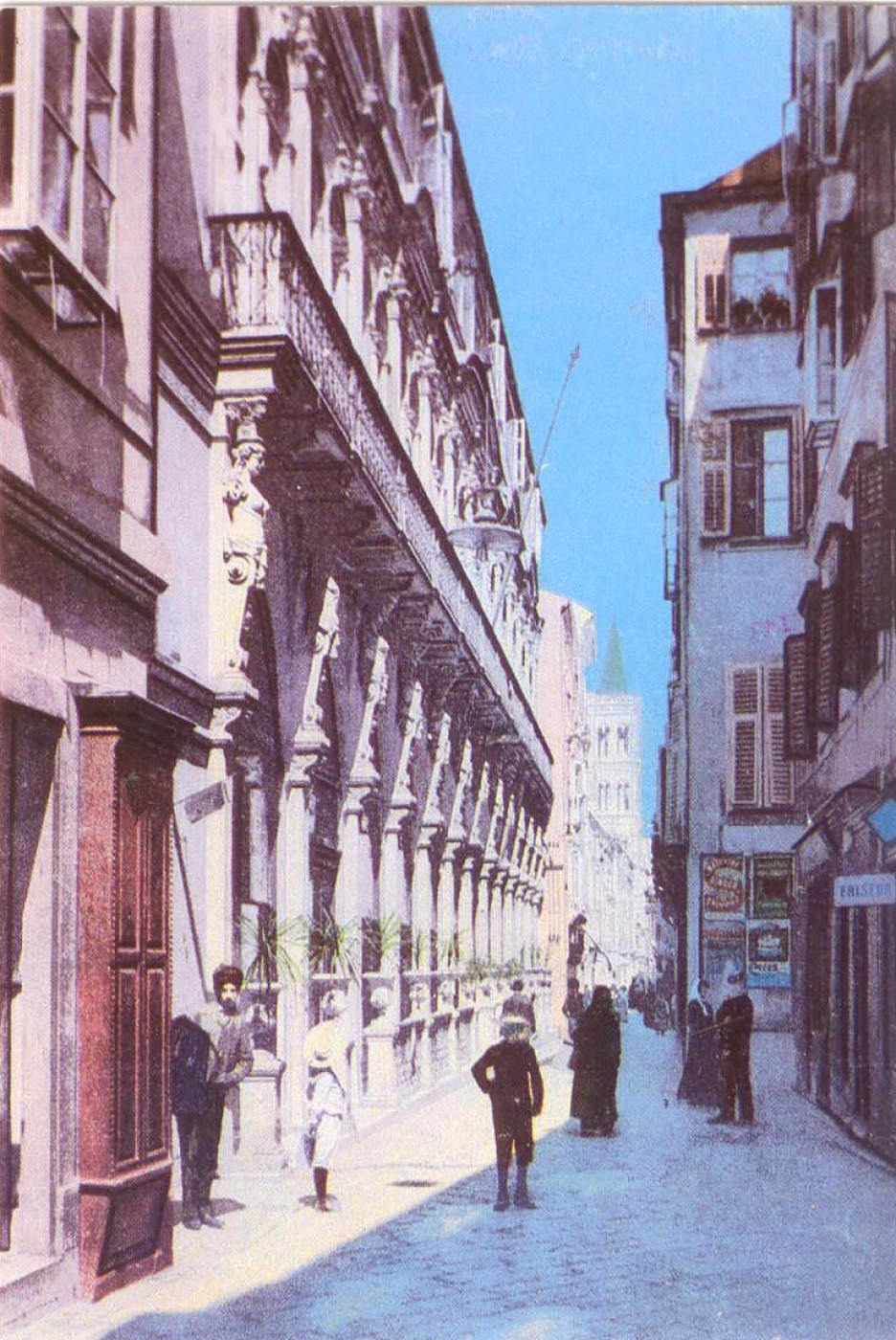
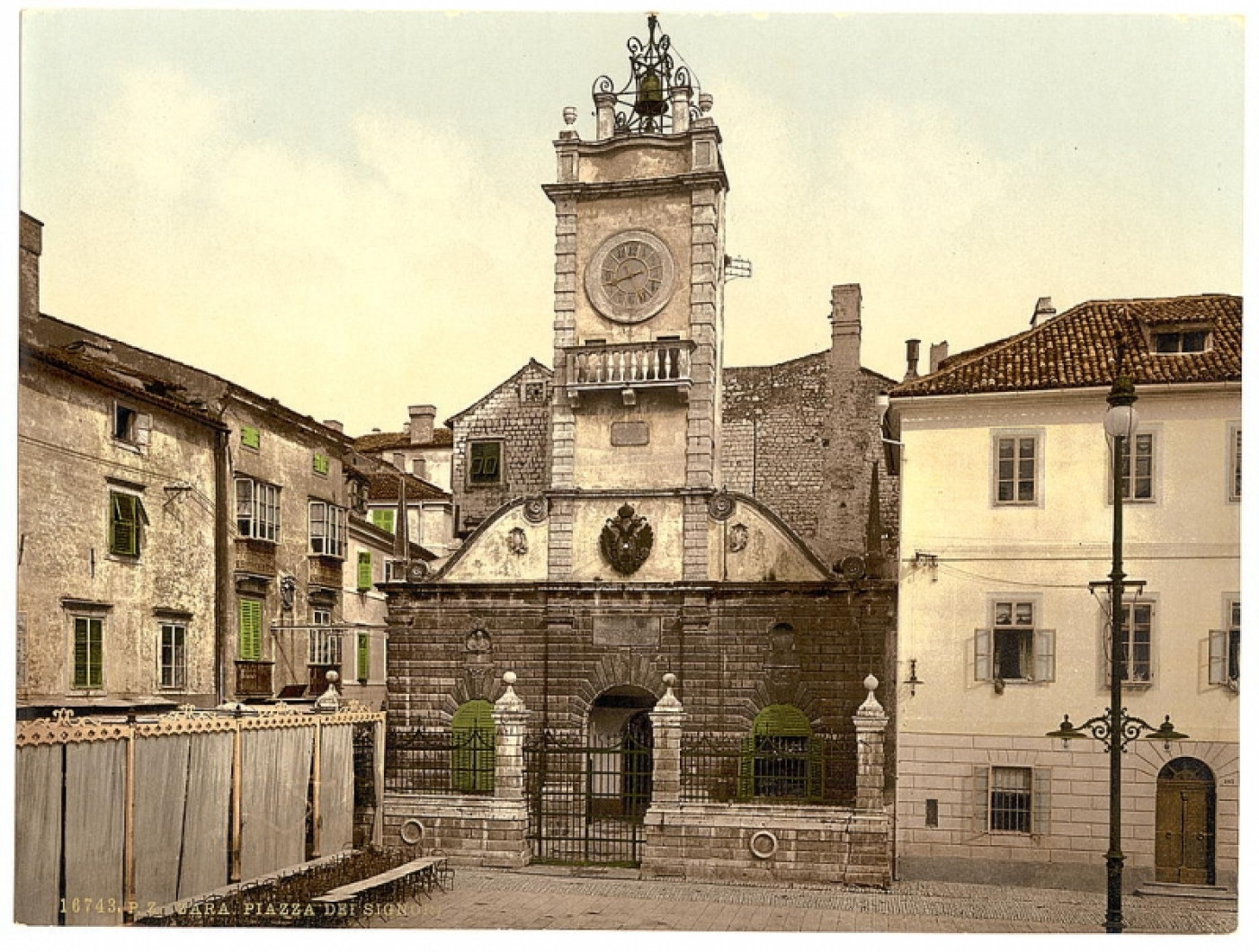
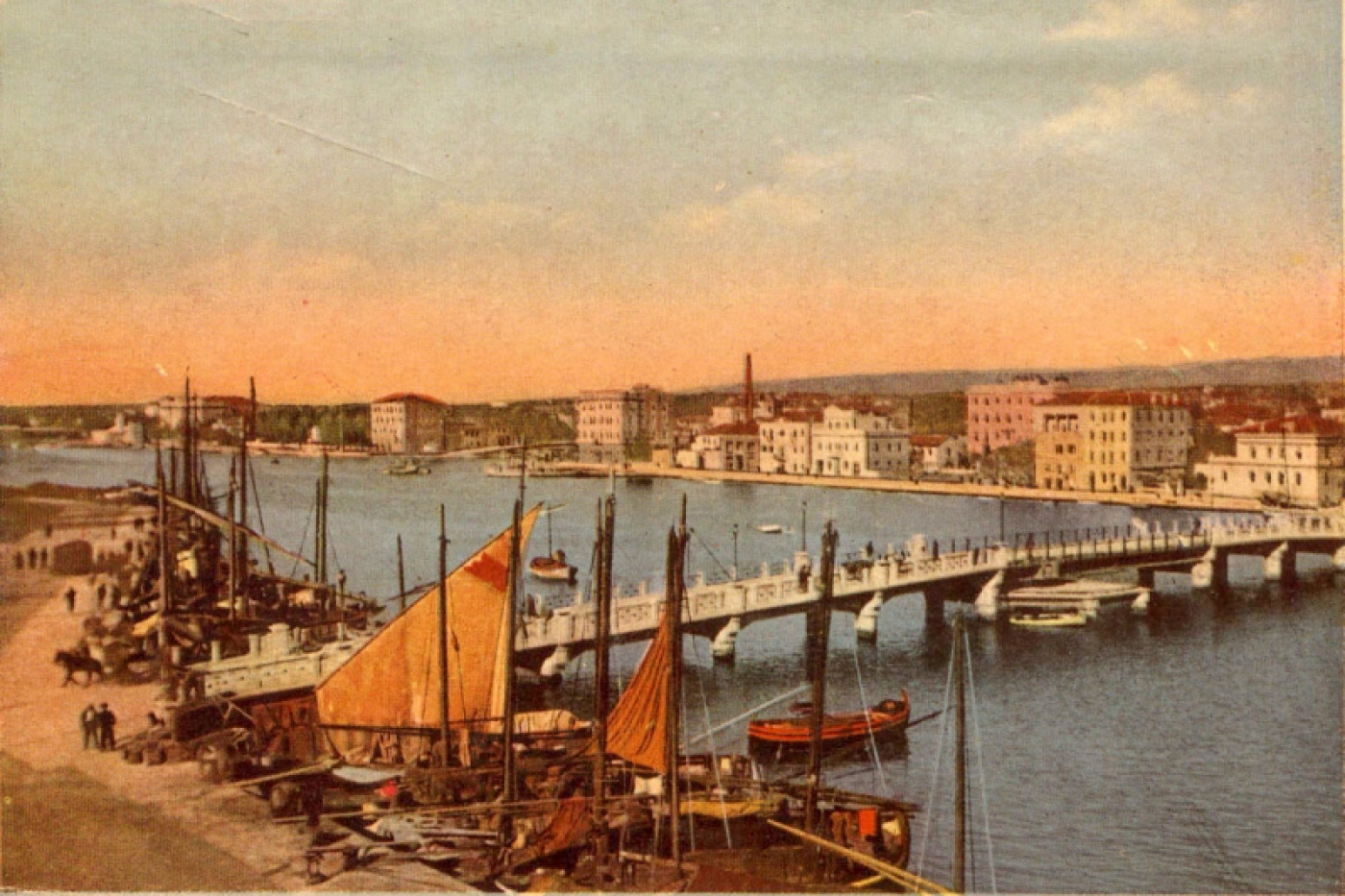
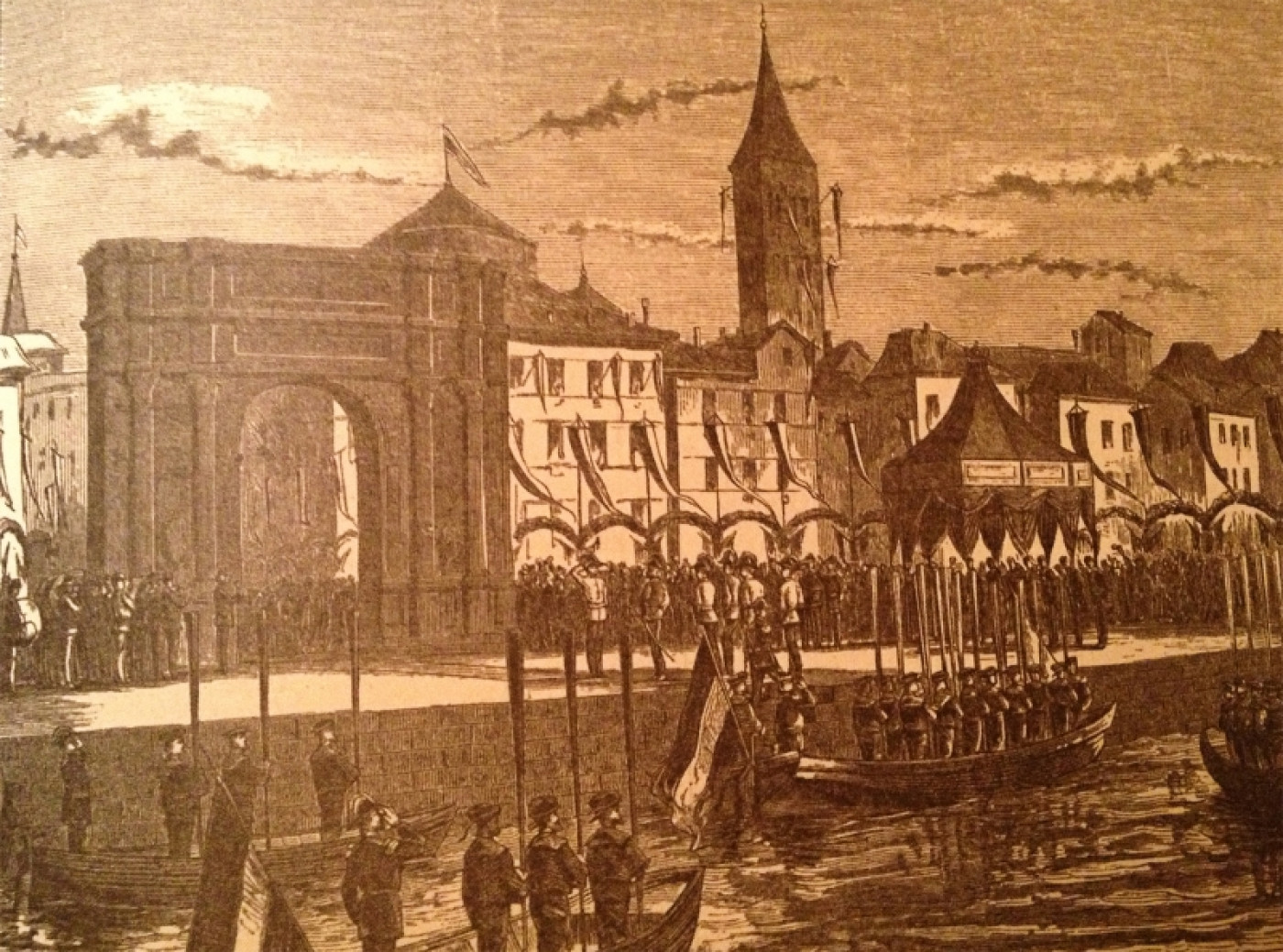
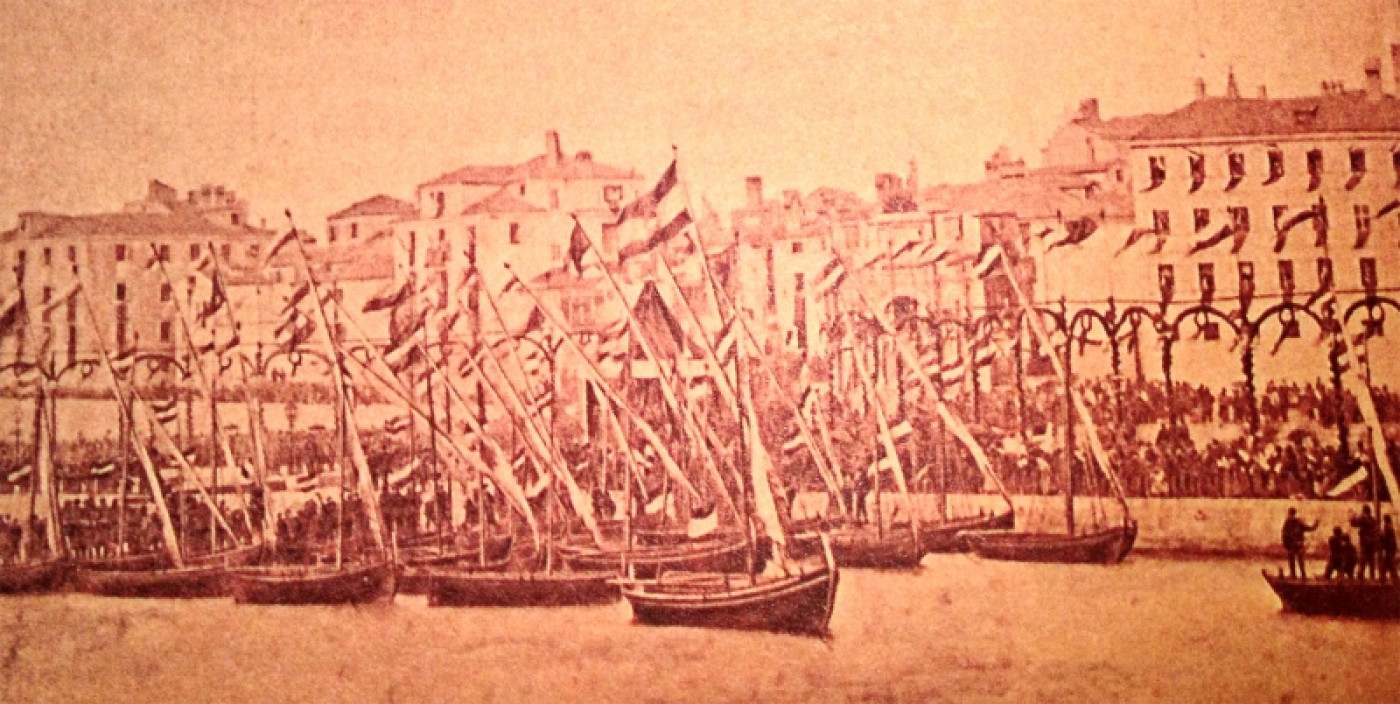
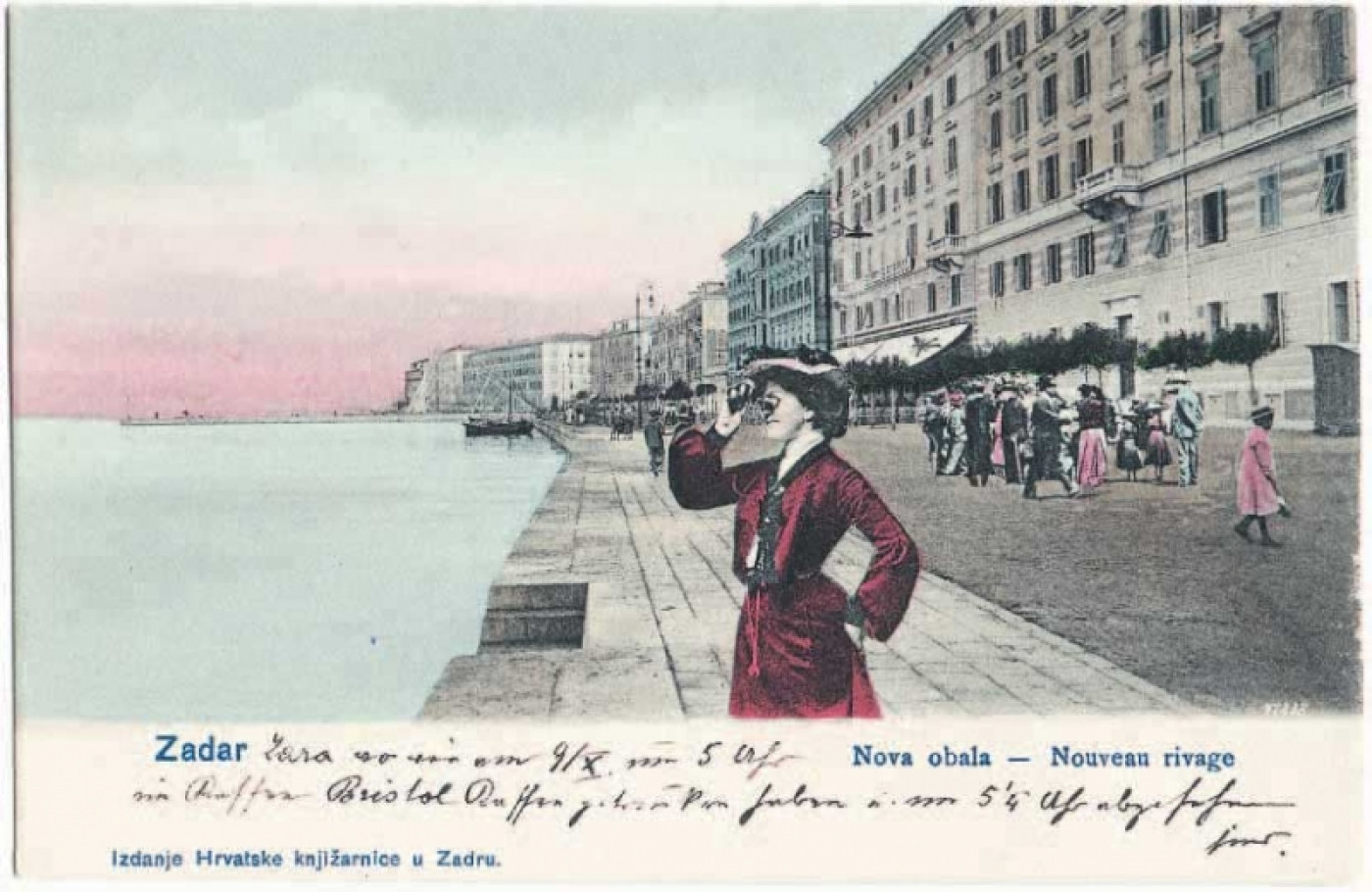
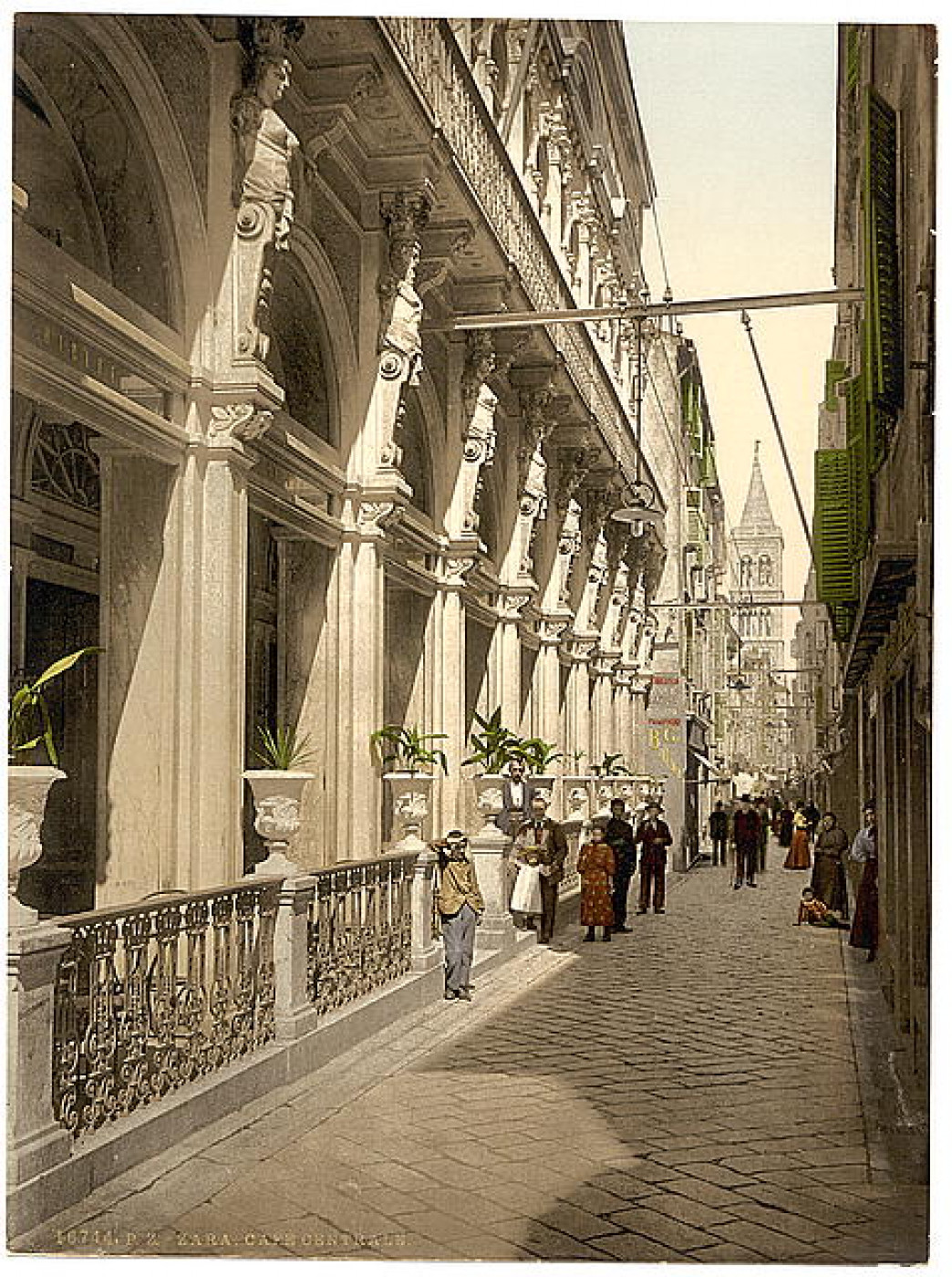
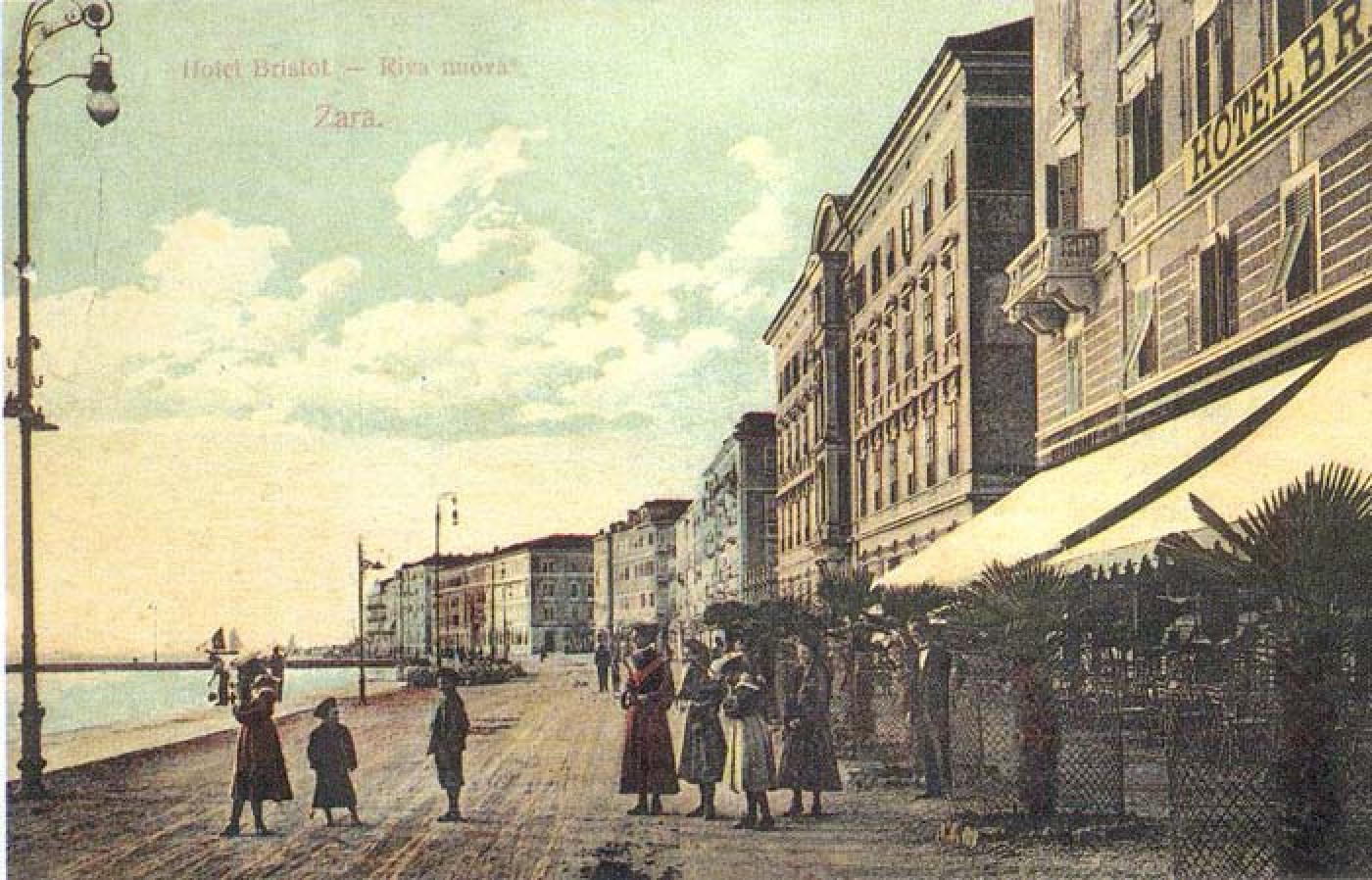
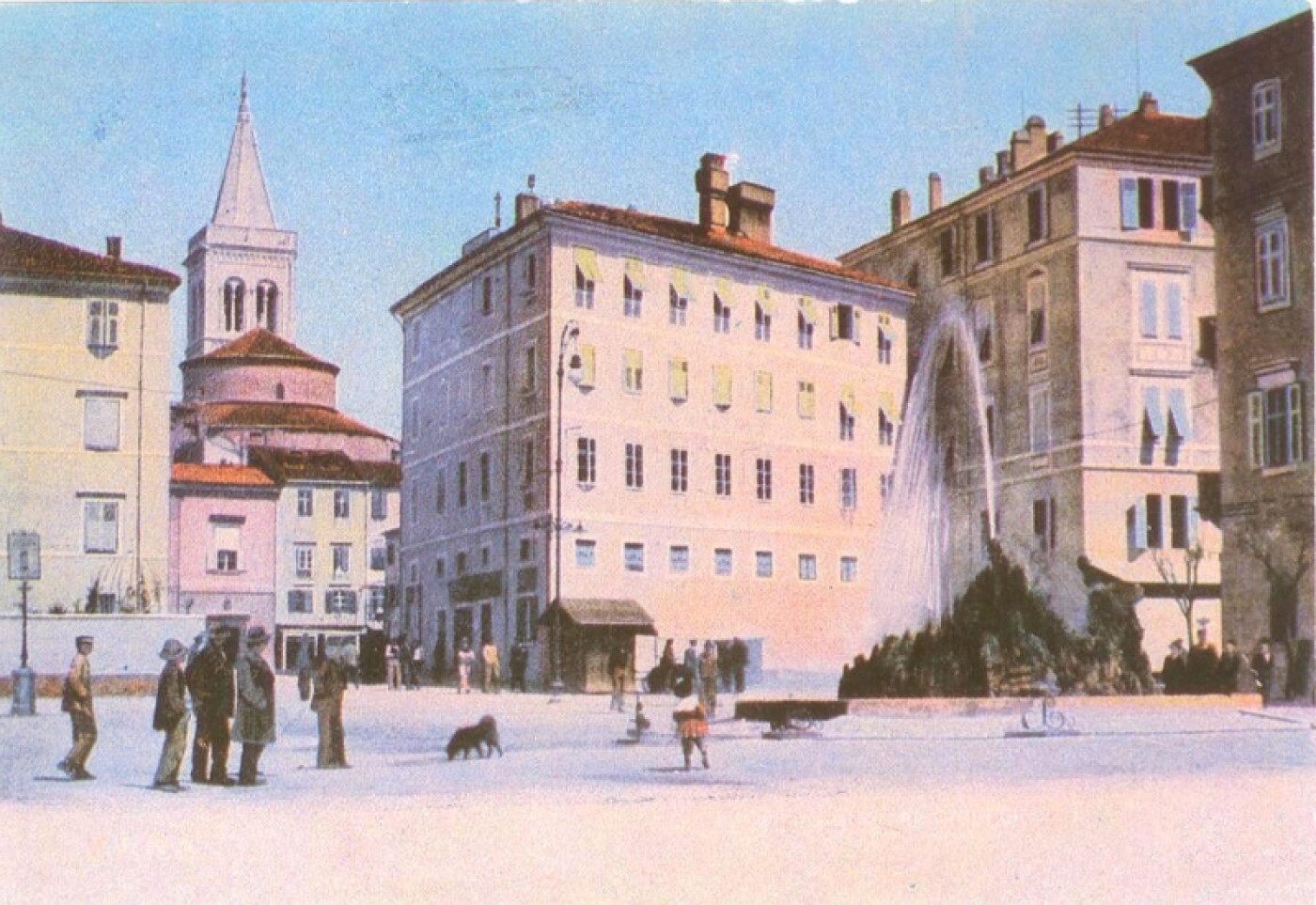
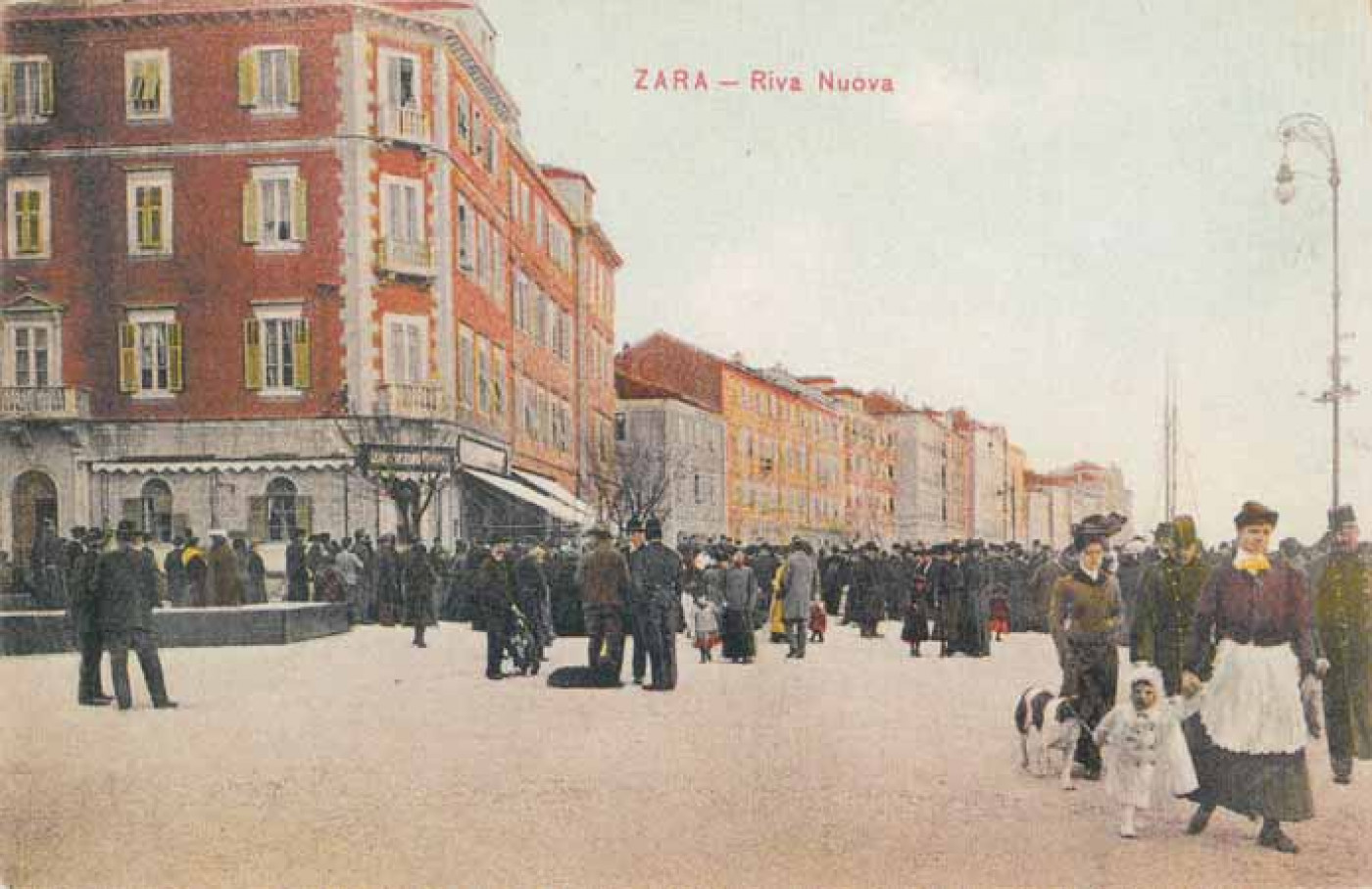
The second Austrian rule over Zadar lasted until 1918 and the end of the First World War, when Zadar kept its role of the capital Dalmatian city, but this time of the Kingdom of Dalmatia. Zadar was also the seat of the Dalmatian Parliament and the Church Metropolis for entire Dalmatia, so the city was gradually settled by numerous officials from Italy, which also belonged to Austria. In 1816 the first high school and later the first public park (Queen Jelena Madijevka Park) opened in Zadar. Also, the National Museum was founded and in 1838 the first modern city water supply system was put to use. Very soon, Zadar became a modern European city with numerous squares and public spaces, luxurious coffee houses and hotels, libraries and reading rooms, and it even had six printing houses and more than 40 different newspapers and magazines. 33 types of liqueurs were produced in Zadar, the world's most famous one being Maraschino. On the last day of 1894 the first electric city light was lit in Zadar, and the first electricity distribution network in Croatia was systematically installed.
Yugoslav Period
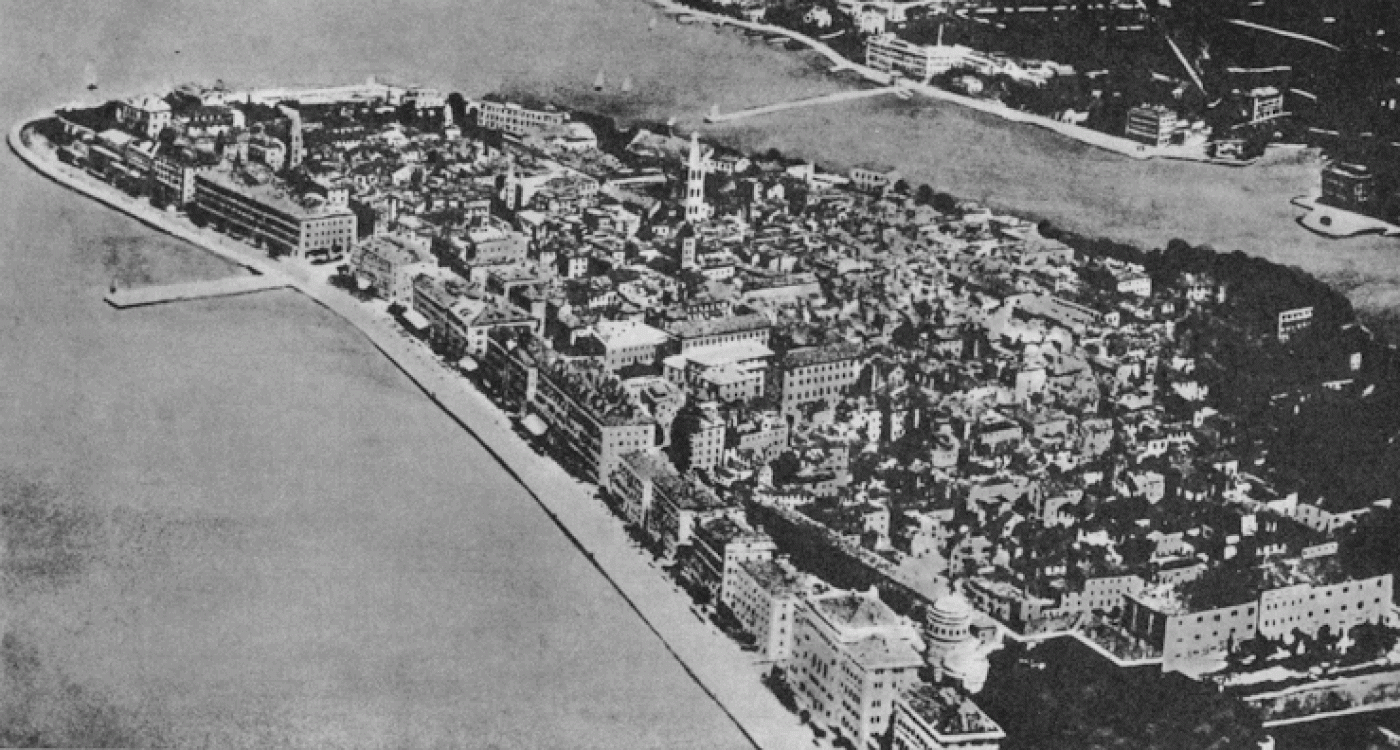
The Austro-Hungarian Monarchy broke down in 1918, so as a consequence in 1920 Zadar was annexed to Italy as an enclave on the Eastern coast of the Adriatic. Only at the end of the Second World War, Zadar became a part of Croatia once again, or rather Yugoslavia. In the Yugoslav period Zadar was entirely rebuilt, because it suffered severe bombings during the Second World War in 1943 and 1944, when nearly the entire historic centre was devastated. This period was characterized by the industrialization of the city and its surroundings, the Faculty of Philosophy was founded, and Zadar became a powerful cultural and economic centre of the region. Based on an almost three-thousand-year-old tradition of skilful shipbuilders, a big shipping company was founded in Zadar called Tankerska plovidba, and at that time Zadar became a tourist centre as well. Zadar was mostly known for its pioneer contribution to the development of Croatian and Yugoslav basketball, whose representation was proclaimed the European, World and Olympic champion repeatedly, together with Zadar’s own Krešimir Ćosić.
Contemporary Zadar
Since 1991 Zadar has been a part of the Republic of Croatia, established in the Homeland War, and after declaring independence from the Socialist Federal Republic of Yugoslavia. Once again, Zadar has become the centre of the region called Zadar County, and during the 30-year-long period the city prioritized the building of a new community infrastructure, a big modern port and passenger terminal Gaženica, where cruise ships now berth, then establishing the Zadar University, and turning to tourist industry. Zadar is connected to Zagreb by a motorway and because it has an airport, it is practically connected to entire Europe and the world by sea, land and air. Zadar today is a city of students, a dynamic urban centre with around 70,000 inhabitants, while around 100,000 people from other cities, municipalities, towns and islands of Zadar County look up to Zadar as an inspiring centre.
The new era gave rise to new sport heroes, so as many as four Zadar football players, together with their captain Luka Modrić, took part in the World Cup in Russia, when Croatia became the World Vice-Champion.
.
Möchtest du gern mehr wissen?
Vorschläge