
24.04.2025.
The Turbulent Past of Zadar's Green Island, Part 1
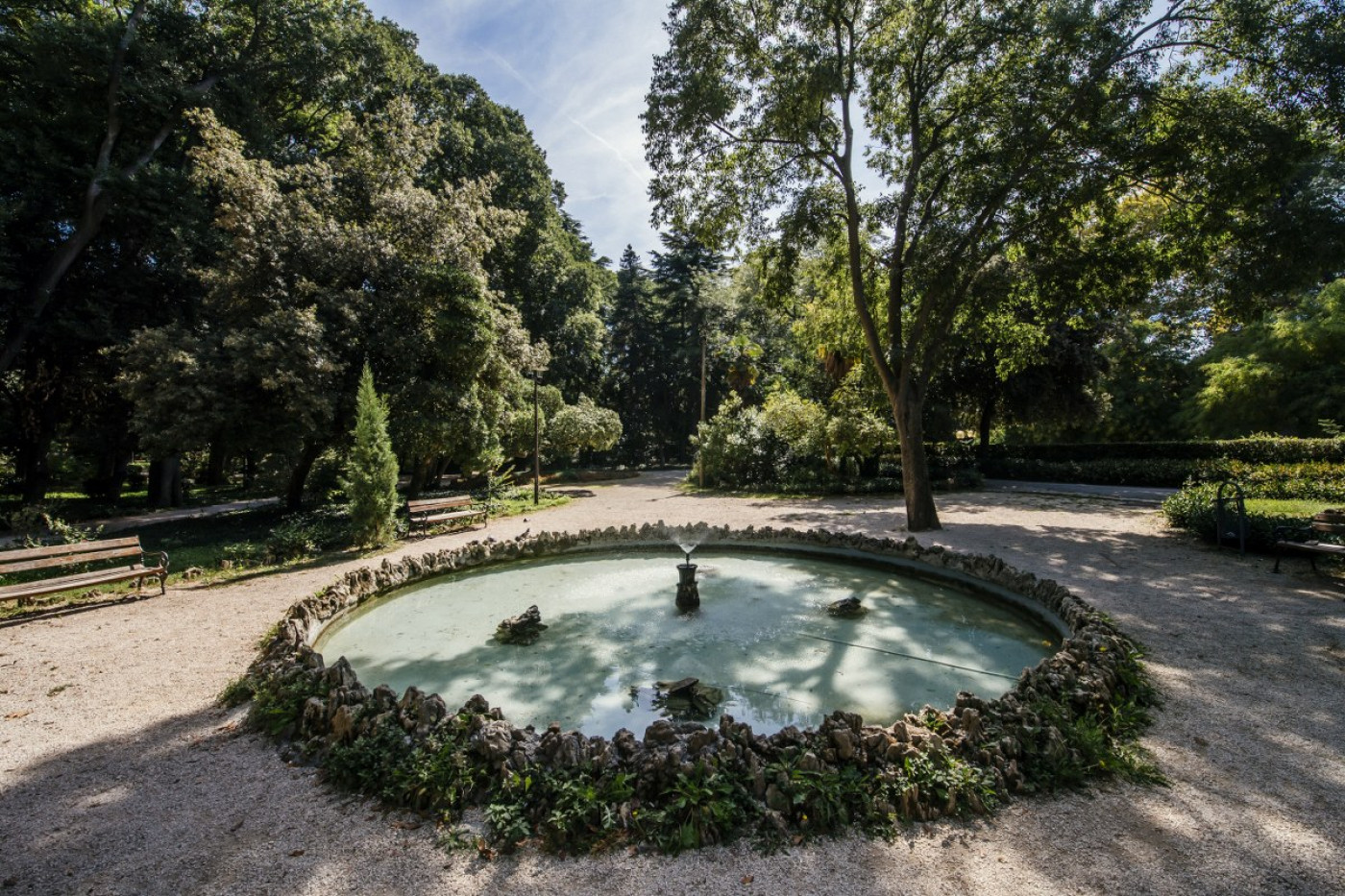
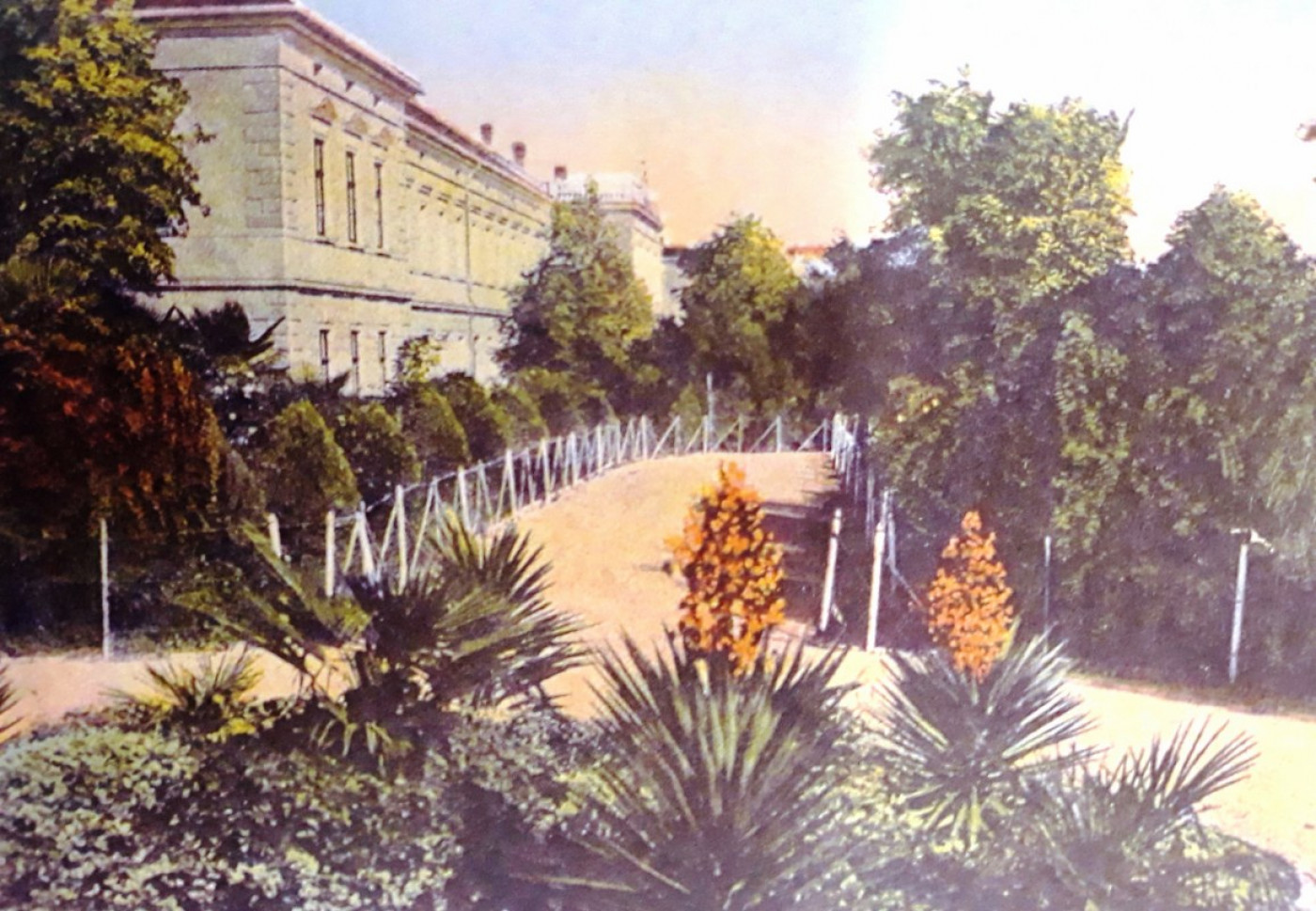
Zadar's green oasis in the very centre of the city, today's Vladimir Nazor Park, was set up on the former city fort Forte, the size of five and a half hectares. The fort itself was erected on the site of the city’s Varoš in the 16th century according to the design and under the supervision of the Venetian General Sforza Pallavicino, with several barracks, warehouses, gunpowder magazines and cisterns built in it.
The Park was built during the two years from 1888 to 1890, thanks to the Austrian civil and Military Governor of Dalmatia, Karlo Dragutin Blažeković (from 1886 to 1890) from Osijek, and it was called the Military Park. That was the Park’s first name, but not the only one.
Dalmatian Deputy Marshal Blažeković joined the 48th Regiment as a Cadet at the age of 15, and as early as 1848 he was appointed Lieutenant in the Varaždin Krajina Regiment, with which he participated in the Italian war. In Italy he was a Cavalry Captain, and he was awarded because of his heroism in the battle of Solferino. In 1877, he became a Colonel of the Dual Monarchy of Austro-Hungary, and after the military occupation of Bosnia and Herzegovina, then the Bosnian Pashaluk and Sandzak of the Ottoman Empire, he was awarded the Knight's Cross of the Order of Leopold. He became a General in 1883, when he became the Military Governor in Zadar, and from 1886, by the decision of the Emperor of Austria, King of Hungary, Croatia and the Czech Republic, Franz Joseph I, Blažeković was a Deputy Marshal and Governor of Dalmatia.
“Blažeković is a man of rare abilities, and he knew how to rise from a simple soldier to the greatest honours,” they wrote about Blažeković, who was also a writer. He wrote the history of the 31st Regiment, and his style was rated “a masterful concord and composition that surpasses all similar works.” Although he enjoyed great support among the people in Dalmatia for his support of the People's Party policy and his desire to introduce the Croatian language in official offices, Blažeković failed in his plan. The official language was German, and apart from German, Italian was also spoken in Zadar. After the issue of unification of Croatian lands and the Croatian language was not resolved in the Dalmatian Parliament, Governor Blažeković resigned. “The population decides on the official language of a territory", that was his standpoint. Nonetheless, the Military Park was opened in 1890 and it was his success.
Statue of Karlo Dragutin Blažeković in the then Blažeković Park (photo: cro-eu.com)
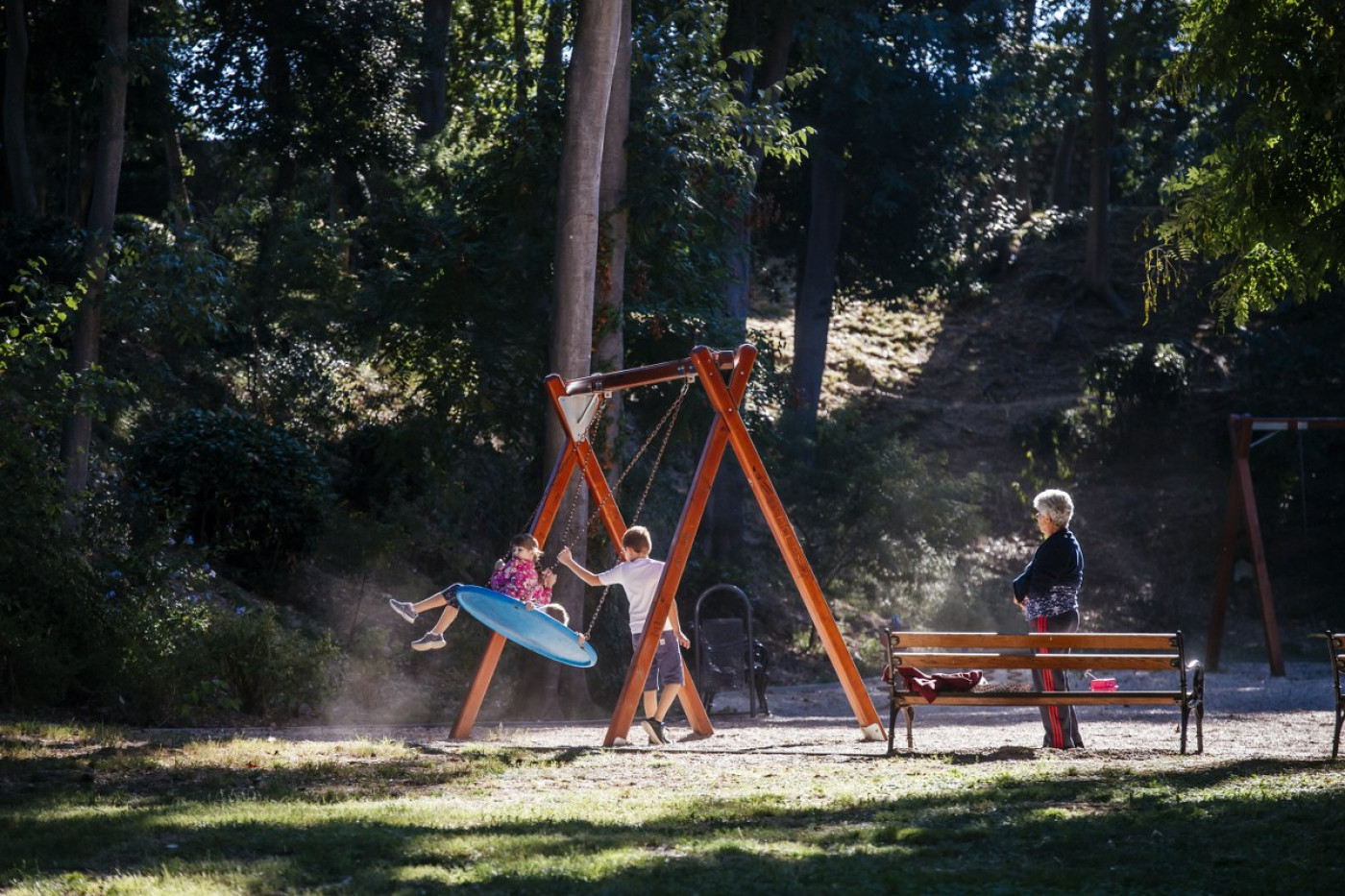
The Military Park was open to the public, but still under military administration. In order to retain ownership of the Park, that is, the fort, the army used to close the Park once a year for a day. The official announcement in the Zadar newspaper was that the Park was being closed due to a military exercise, but it was more likely that the Park was being arranged before the spring cycle. In the same year, Blažeković retired after almost half a century of military education and service, and as he died three years later, the Zadar Park was named Blažeković Park in his honour. They wanted to do it immediately after this Deputy Marshal from Osijek retired, but Blažeković refused and forbade it.
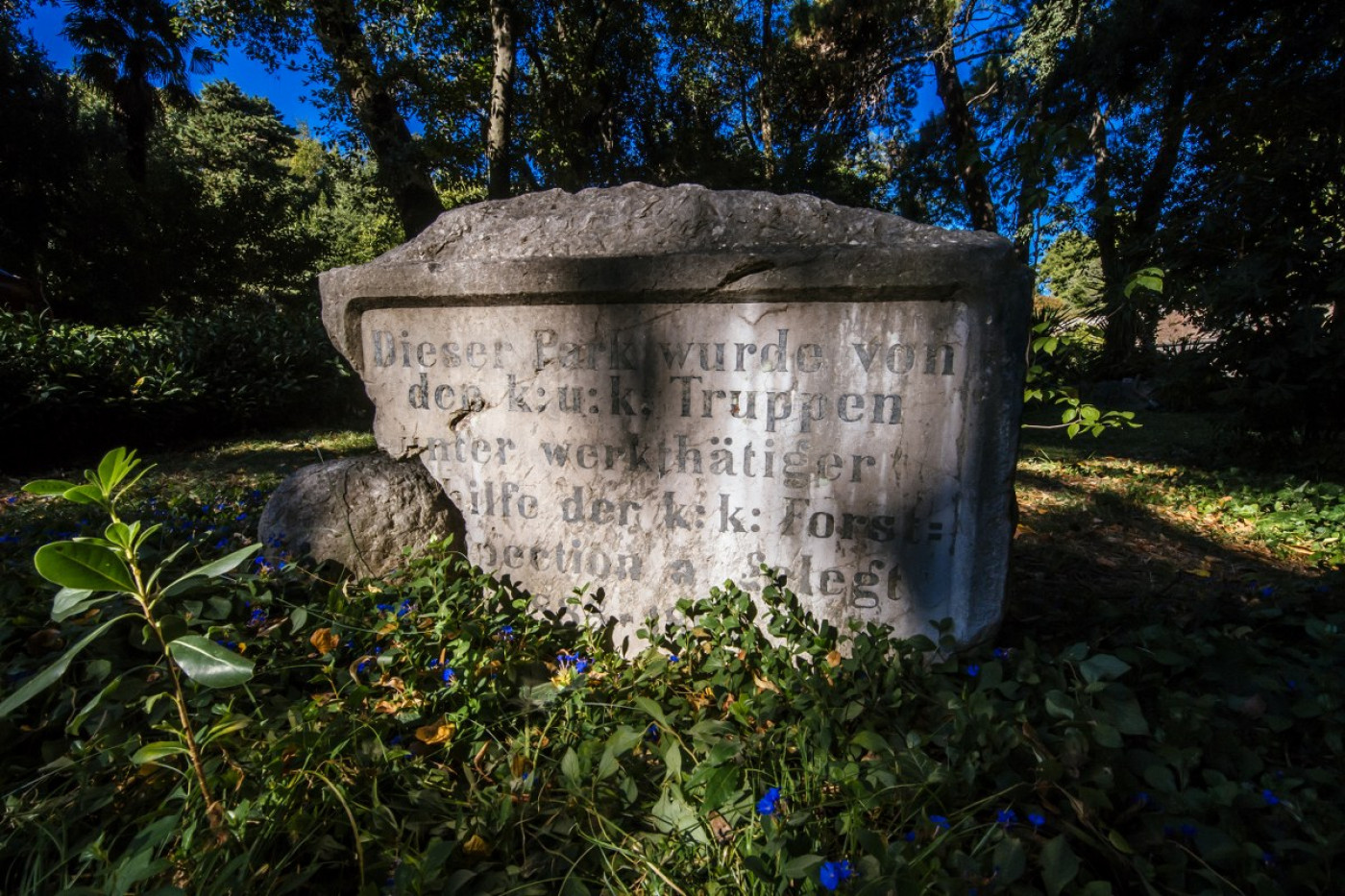
The erection of the Park is evidenced by a stone plaque with a German inscription: This Park was erected by the imperial and royal troops, under the effective supervision of the imperial-royal forestry inspection, 1888-1890. The plaque was originally placed at the bottom of a semi-circular enclosure, as can be seen in the preserved draft.
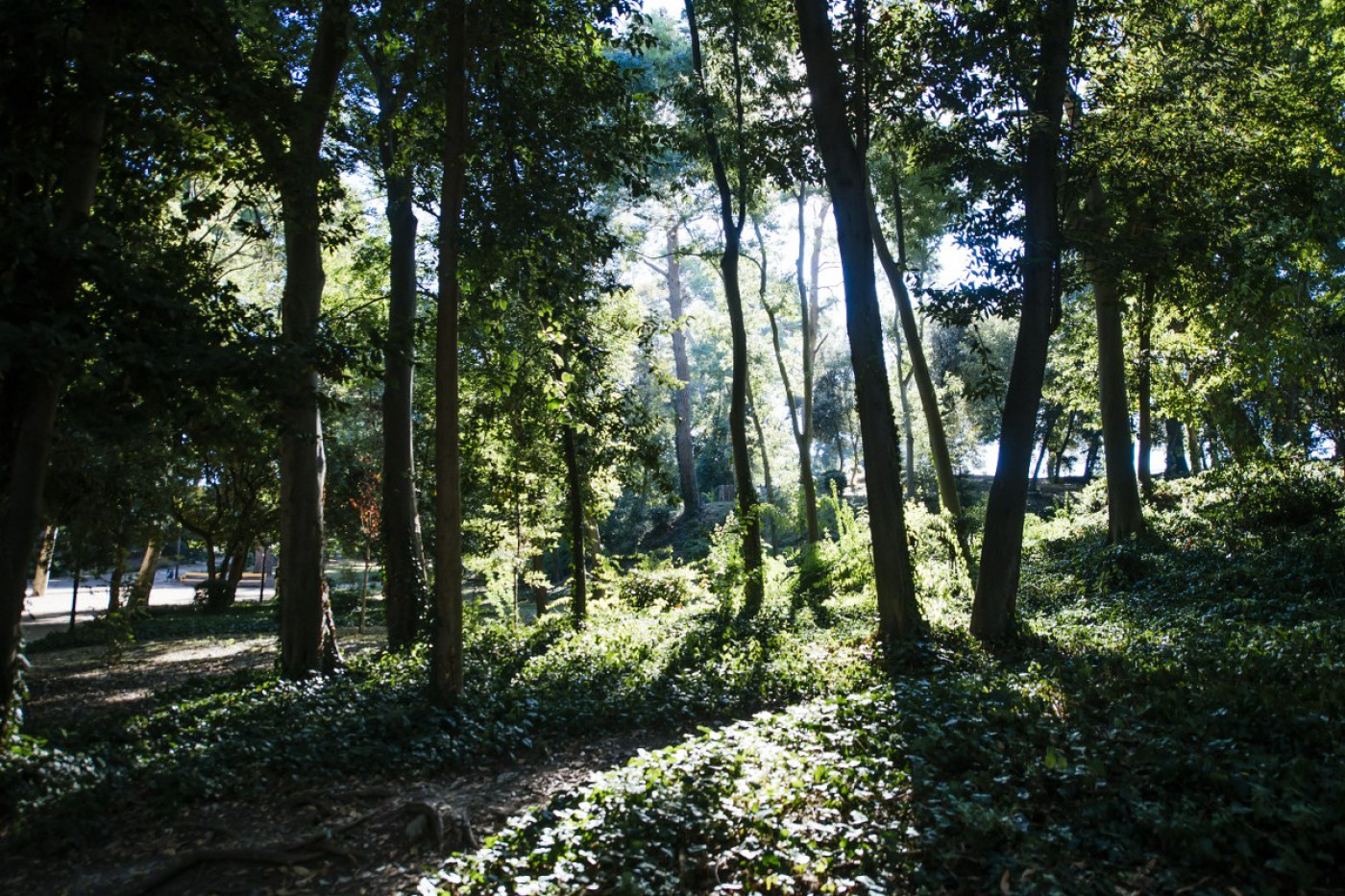
A memorial was also located at the end of the alley in the southern part of the Park, where paths have been restored and lined with sandstone and ruscus, and benches and lighting were installed. According to a 1906 design, the parterre was lavishly planted with a very rich collection of roses. Cypress alleys are still visible today, and so are century-old pine trees. Over time, the laurels grew from bushes into large trees, so they covered the flower parterre with thick treetops. This feature of the Park brought shading to provide protection from the sun and heat during the hot summer months.
Blažeković wrote the history of the 31st Regiment
The Park was entered through the former entrances to the fort on the west and east sides, and as the fort was once surrounded by defensive canals with the sea and the coastline, the Park was called the Green Island. The eastern canal was buried before the opening of the Park, while the western canal between the bastions Grimani (City Park) and Forte (Blažeković Park) still existed. Finally, in 1909, a new north gate was opened in the Park, which enabled easier access to the Park itself, and a new road was opened along it. The Park was then redecorated with a modified layout of trails in that part, while a pond with a fountain was made near the entrance. A year later, a bronze bust of Karlo Dragutin Blažeković was placed in the Park on a stone Art Nouveau pedestal, made by the Zadar sculptor Bruno Bersa.
In the Park, there was also a bust of Emperor Francis Joseph, but both were removed during the Italian occupation and have not been preserved. With the arrival of the Italians, the Park ceased to be under military rule, ending its first era. In the coming and turbulent period, the Park will share the fate of the city's inhabitants, become a monument of garden architecture and get a new name, after another great man from the Croatian past - the poet Vladimir Nazor.
Voir la vidéo
.
Veux-tu savoir plus?
Propositions
Embrace Zadar 2024
04.07.2024.
Nouveauté
New Seasonal Catamaran Line Between Zadar and Ancona in 2026
13.03.2026.
History
Liburnia Association and the Beginnings of Zadar Tourism in the 19th Century
03.02.2021.

Lifestyle, Nouveauté
Fortis Club | Ideal Place for Entertainment, Recreation & Business Meetings
13.04.2023.