
01.02.2022.
Zadar Had the Most Beautiful Cinema in Austria-Hungary
The most beautiful cinema of the Empire, as they called this Zadar cinema at the beginning of the last century, was ceremoniously opened in 1913 in today's 1358 Zadar Peace Treaty Street (Ulica Zadarskog Mira 1358.) in the Bottura House, once a beautiful multi-storey building near the New Seafront (Nova riva), but it first started working only four years later in the Höberth House. In the new building in which the cinema was located, in the immediate vicinity of the Bottura House, the famous Lloyd café was situated as well, and the cinema hall itself had as many as 400 seats.
In the dual Austro-Hungarian Monarchy, to which Zadar then belonged as the seat of the Austrian province of Dalmatia, the cinema had been called Radion, and since 1918, when Zadar belonged to the Kingdom of Italy, the cinema was called Impero. Nevertheless, that was not the actual beginning of cinematic activities and enjoying the sensation of this new artistic and technical medium in Zadar.
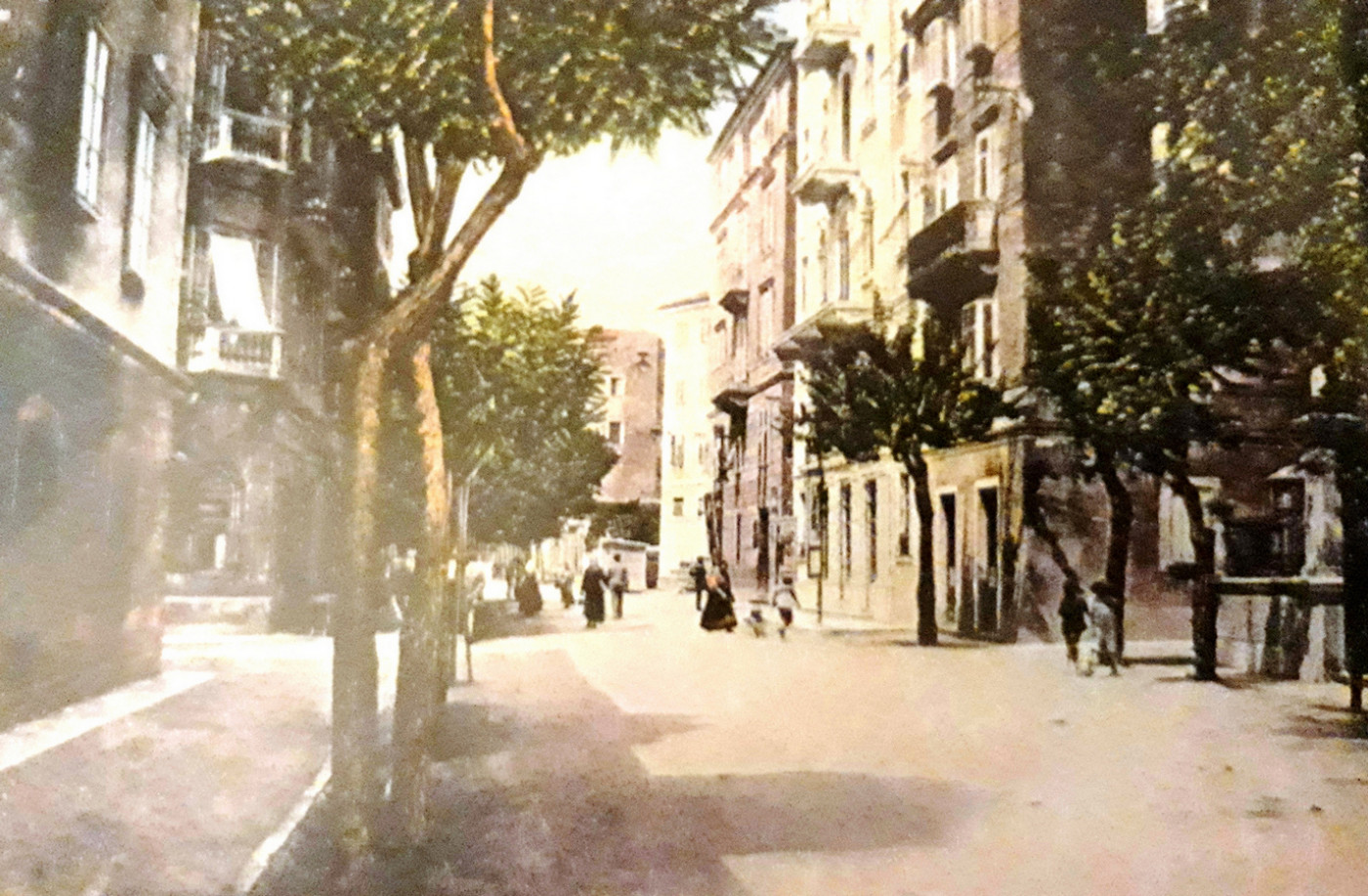
Photo: 1358 Zadar Peace Treaty Street (Ulica Zadarskog Mira 1358.) at the time of the first cinema performances in Zadar used to be called Viale Tommaseo Street; the Bottur House, where films used to be shown (Radium Cinema) was to the right, and the Höberth House to the left
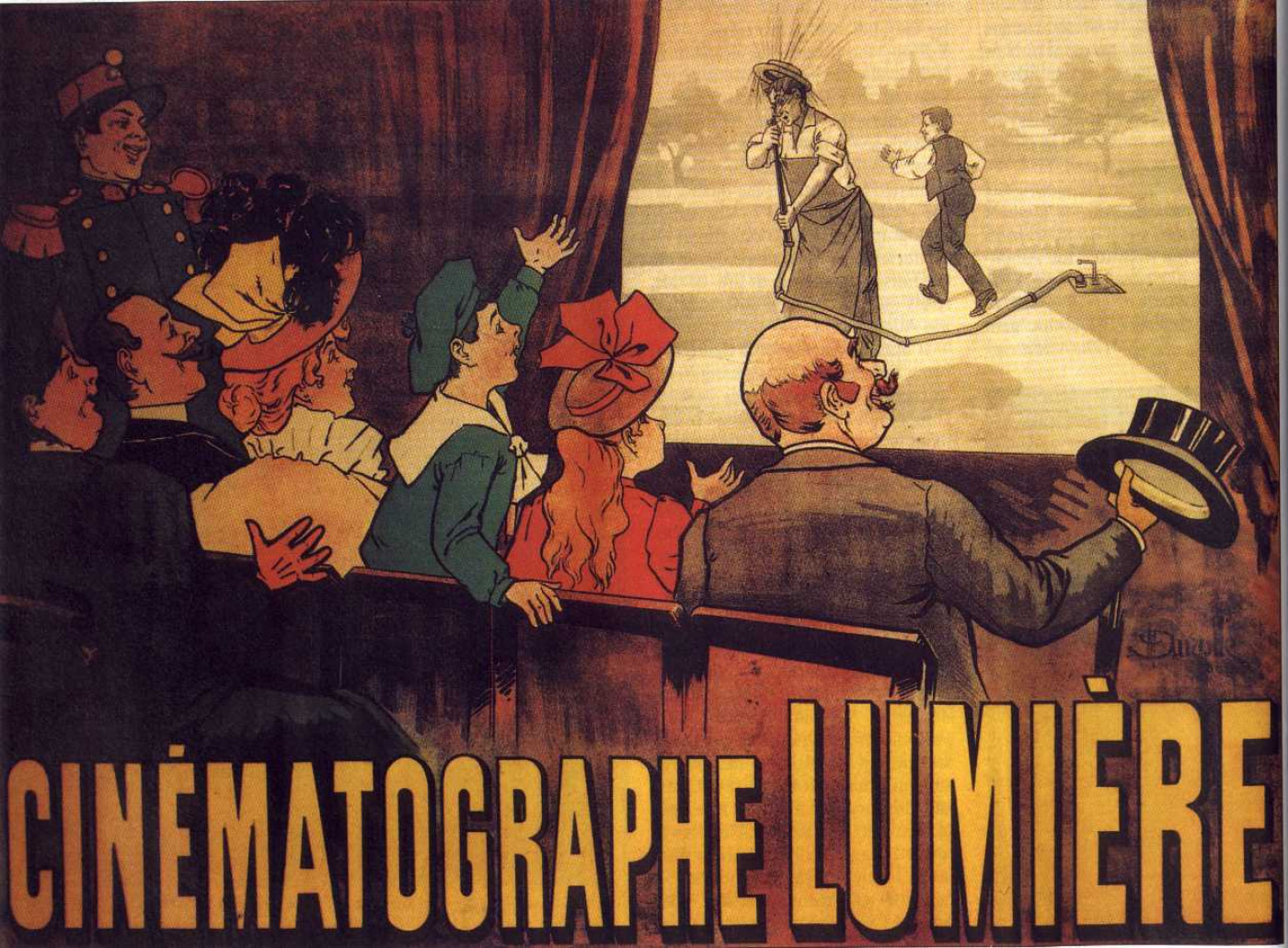
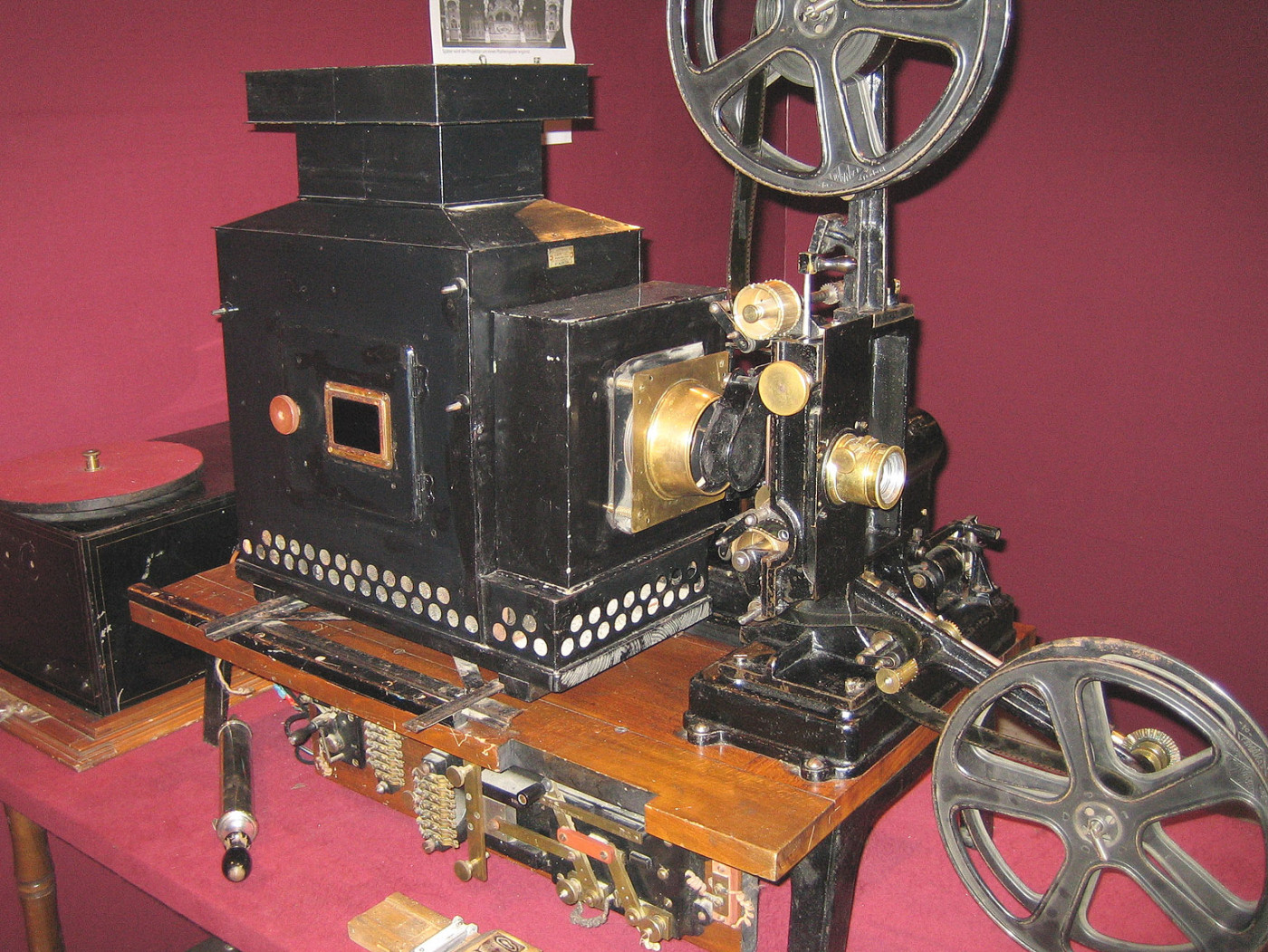
Exactly 125 years ago, on 1st February 1897, a film was shown to the audience for the first time in Zadar. It was only 13 months and three days after the world sensation at the Grand Café in Paris when the brothers Auguste and Louis Jean Lumière held the first screening of their films with their universal Cinématographe, which served as a camera and projector. The first films shown in Croatia were also the works of the famous Lumière brothers, and the premiere was held in Zagreb in the hall of the Croatian Falcon. The first cinematograph was opened in Zagreb in 1906, and then the cinemas opened in Pula, Dubrovnik, Split, Rijeka and Zadar, so that in 1907 the first film screening company Urania could be founded, which imported films from Germany, Italy and France.
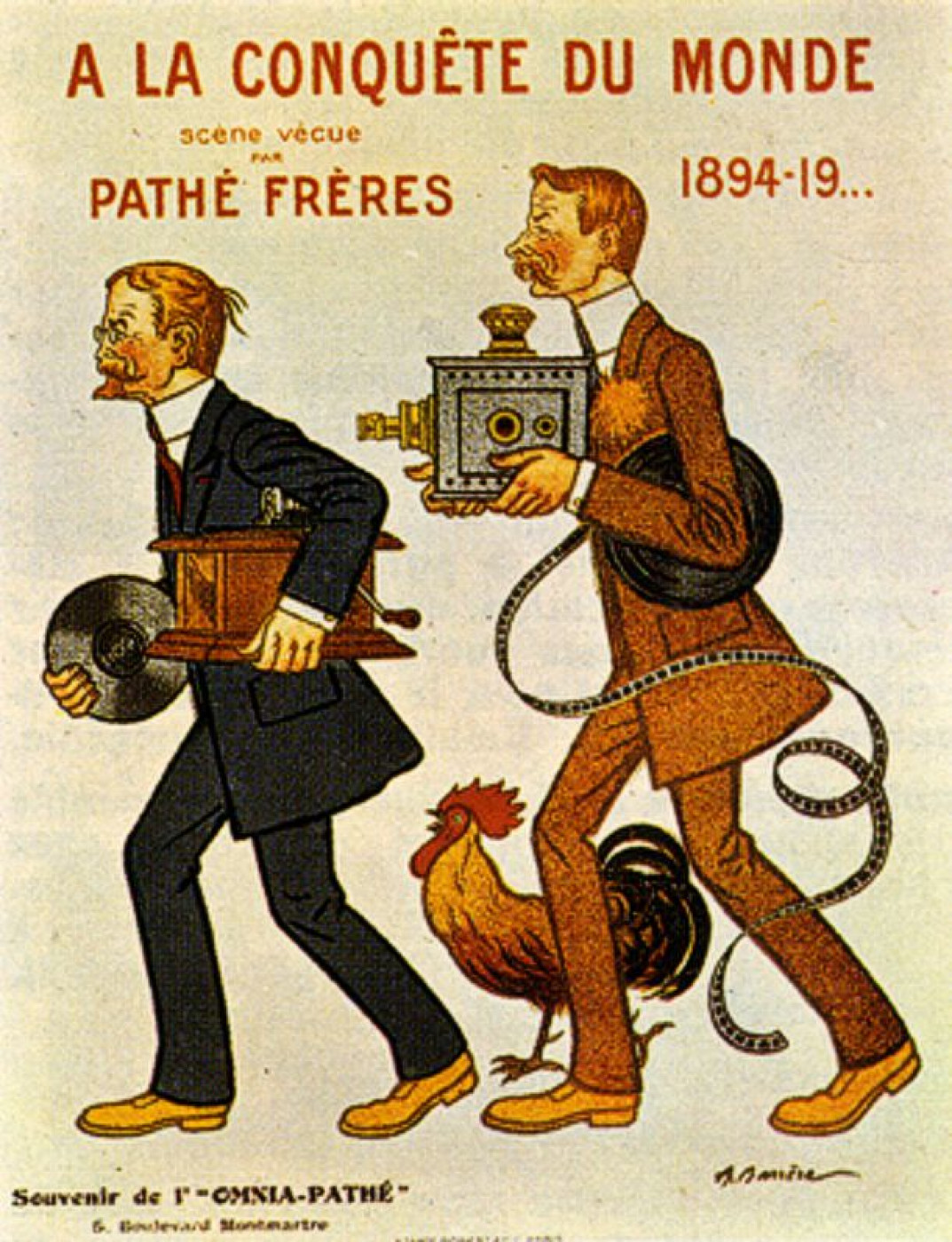
Photo: Pathè brothers, poster by Adrien Barrère
When we talk about the Lumière brothers' films and the history of cinematography, we usually think of their first film, Workers Leaving the Lumière Factory in Lyon (La Sortie de l'Usine Lumière à Lyon), lasting 46 seconds. The clarity and technique of shooting the black-and-white motion picture was revolutionary at the time, so it immediately enthused the audience. Two days before the premiere of the film, the first information about the screening of cinematographic works in Dalmatia was published in the Zadar newspaper Il Dalmata, and the films were announced with the words: “Cinematic performances will be held at the Grand Hotel lounge. These are moving postcards.” One- or two-minute films of documentary or humorous content were shown, and they attracted a large number of Zadar citizens who, according to Il Dalmata, "expressed their enthusiasm for the new technical and devilish invention".
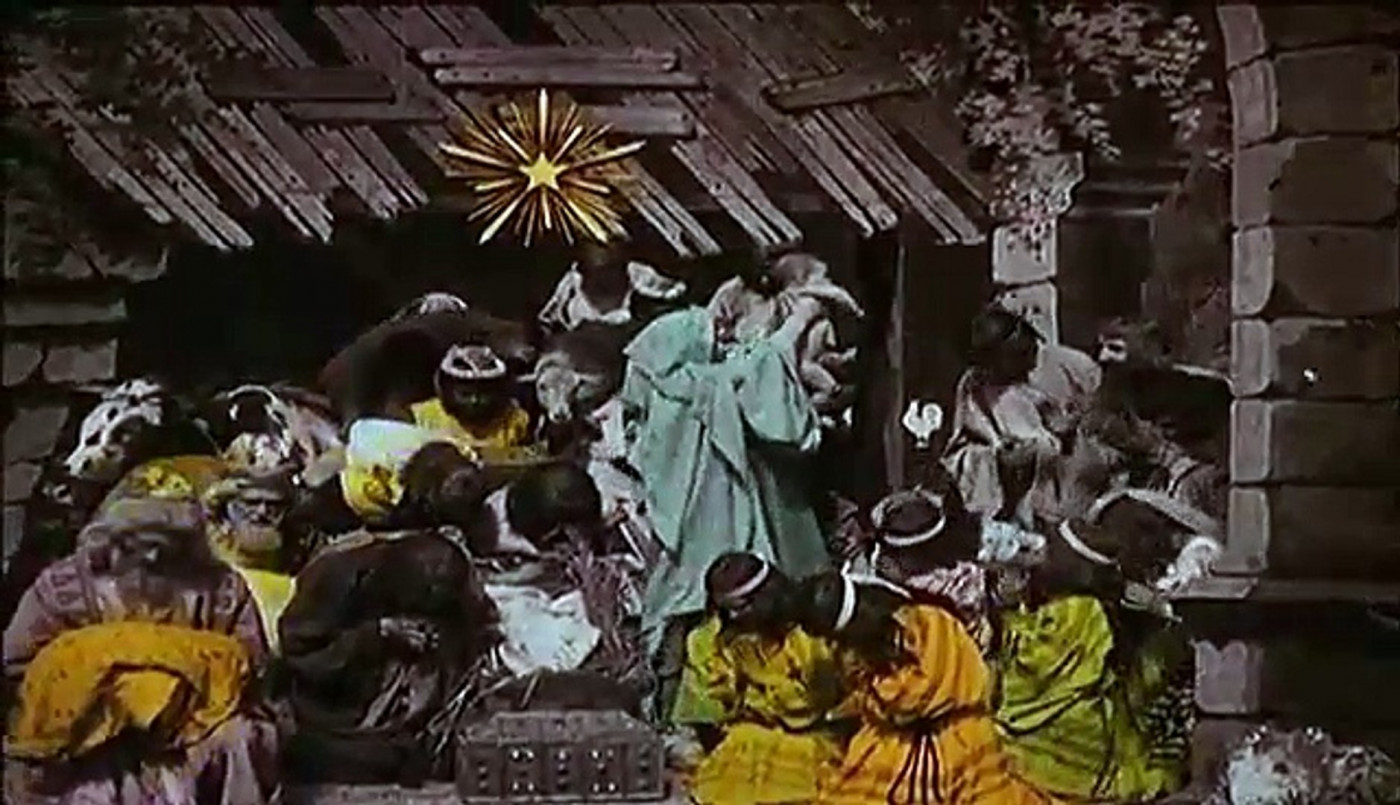
Photo: The eleven-minute Life and Passion of Jesus Christ was the first blockbuster shown in Zadar
As early as 1898, Lumière's cinematograph was a guest in Zadar with its film programme at Caffè al Giardino, and the screening of their films continued in the first years of the new century. The first blockbuster enjoyed by Zadar citizens was the eleven-minute Life and Passion of Jesus Christ (La vie et la passion de Jèsus-Christ or La Passion for short) by the Lumière brothers, director Georges Hatot and cameraman Alexandre Promio. Then, in the spring of 1903, Karl Lifka's cinema tent was set up on the New Seafront, which was one of the most important owners of travelling cinematographs in Europe at the beginning of the 20th century. Every evening, from 5 to 9 p.m., Zadar citizens enjoyed new films, and there were also those films that only adult men were allowed to watch. At the same time, after visiting Prague, Pest and Vienna, the Urania cinema-theatre, of the Hungarian film entrepreneur Ferdinand Somogy, came to Zadar. The performances were held on the floor above Caffé Centrale, and slides and films were projected to music from Edison’s phonograph.
Photo: The spectacular appearance of Caffé Centrale at the time of the first film screenings
Finally, on 27th July 1907, the first permanent cinema in Zadar was opened in the Gned Salon on the New Seafront, using the latest projection technique of the time by the famous Pathè brothers. Charles, Émile, Théophile and Jacques Pathè founded Société Pathè Frères in 1896, a company that later developed into Pathè Films and was credited with the high technical level of film. The comfort of the cinema and the attractive repertoire procured from world metropolises such as New York, on the other hand, were additional reasons for the great success with the Zadar audience, so a year later another permanent cinema was opened. The Zadar undertakers, the Meštrović brothers, rearranged their large spaces across the Caffé Centrale into the representative Nuovo Cinematografo Centrale (later the Edison Cinema). It was a luxuriously decorated cinema equipped with the newly patented technique of the Pathè brothers, and it changed its location in 1909 and moved to today's Mihovil Pavlinović Street, where the Radium Cinema used to be previously.
Voir la vidéo
.
Veux-tu savoir plus?
Propositions

Gastronomie
Flavours of Wild Plants 2: Old and Healthy Mišanca in New Dishes of the “Kaštel
19.04.2022.

Evènements, Gastronomie
Meat Festival Meat Me 3.0
10.10.2022.
Nouveauté
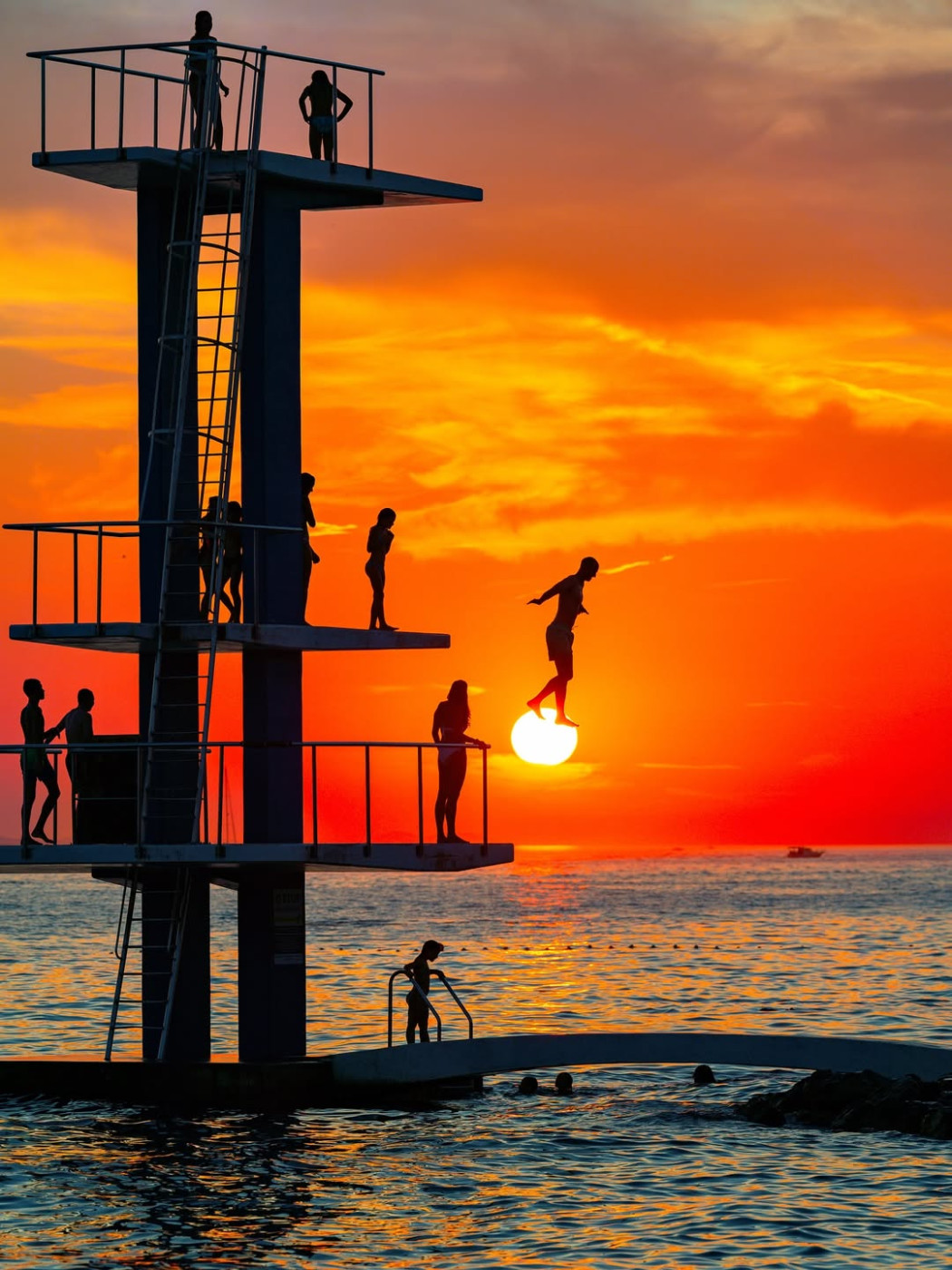
Award from National Geographic for Zadar’s Sunset
13.10.2025.

Lifestyle, Nouveauté
Trail Running Zadar’s Beautiful Islands
16.05.2024.