
26.06.2021.
Carob Cake - the Gastronomic Secret of the Island of Molat, a Nautical Paradise
They called it the sweetest plant in the
Mediterranean. And rightly so - carob (Arabic kharrub)
is a real sugar bomb contained in its pulp. Almost 60 per cent of the structure
of this sweet but also hard legume consists of sugars in nearly all forms.
Surprisingly, when consuming carob fruit, which is recommended only for those with strong and healthy teeth, this amount of sugar is not felt so much; the taste is closer to cocoa or - chocolate. It is therefore not unusual that, in addition to many other names and adjectives attributed to it throughout its long history, carob has also acquired the "title" - Mediterranean chocolate.
Carob is back!
The long tradition of using carob that has survived today, primarily in ground form, flour or powder, in Zadar and its region, especially on the islands of the Zadar archipelago, testifies that this plant was once present in gardens and fields and forests in the countryside. However, this has changed today. Carob has almost disappeared from Zadar and its region. It is not entirely clear why because it is a high quality, healthy, though high-priced food.
In addition to being appreciative of gastronomy, especially confectionery, its fruits are used in the food and pharmaceutical industries in many ways. At the same time, its healing properties, which were known to those who first cultivated and used it, always stand out: the Arabs, the Hellenes and the Ancient Romans.
Fortunately, this pearl of Mediterranean flora is returning to the Zadar region in full glory: the Zadar company "Bio svijet" has raised a plantation with over 4,000 carob trees near Bibinje a few kilometres away from Zadar.
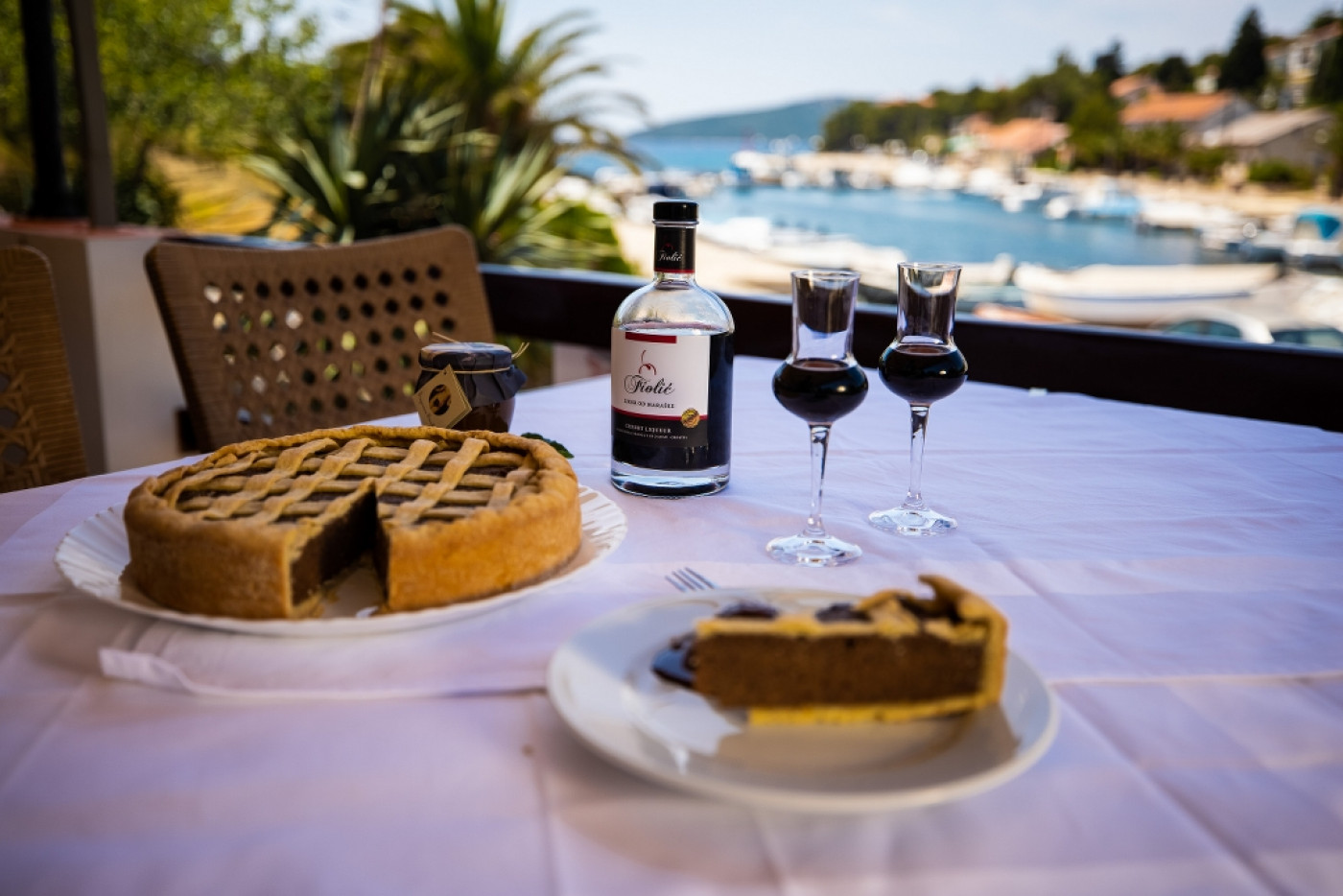
A true gastronomic rarity in which carob plays a significant role in the original, rustic edition lives on even today, on Molat, an island within the municipality of Zadar.
It is a dessert called Molatska torta, which, of course, suggests that this cake was made on that island or in the place of the same name. And this is proof that there used to be far more carob trees on the island of Molat, which, presumably, became neglected over time as the population left the island.
Fortunately, the Molat cake is living proof that this valuable plant was once far more present on this island. For many centuries, the women of the island's peasants, mostly serfs of the great landowners of Zadar, could prepare sweets like all other dishes only from what was readily available to them. And that carob was.
Molat - the "promised land" of all sailors
Today, trees, or more precisely carob shrubs, are hard to find on Molat. They are hidden in the thickets and woods of this green island, green with holm oak, strawberry trees, pine and other Mediterranean trees and low plants that make up the dense, in many places, impassable tangle. Throughout the long and hardship-fraught history of Molat inhabited since the Stone Age, forests, quality shipbuilding wood and houses or just firewood, and agricultural products that Molat farmers cultivated in several rich island fields were a treasure for which pirates plundered the islands, and landowners, Zadar nobles, exploited them.
Fortunately, the sea around the island was and still is rich in fish, so the people of Molat were excellent fishermen. That life on this island used to be arduous is also shown by the fact that serfdom on Molat was abolished only in the early 20th century, when, finally, the inhabitants became the owners of the land.
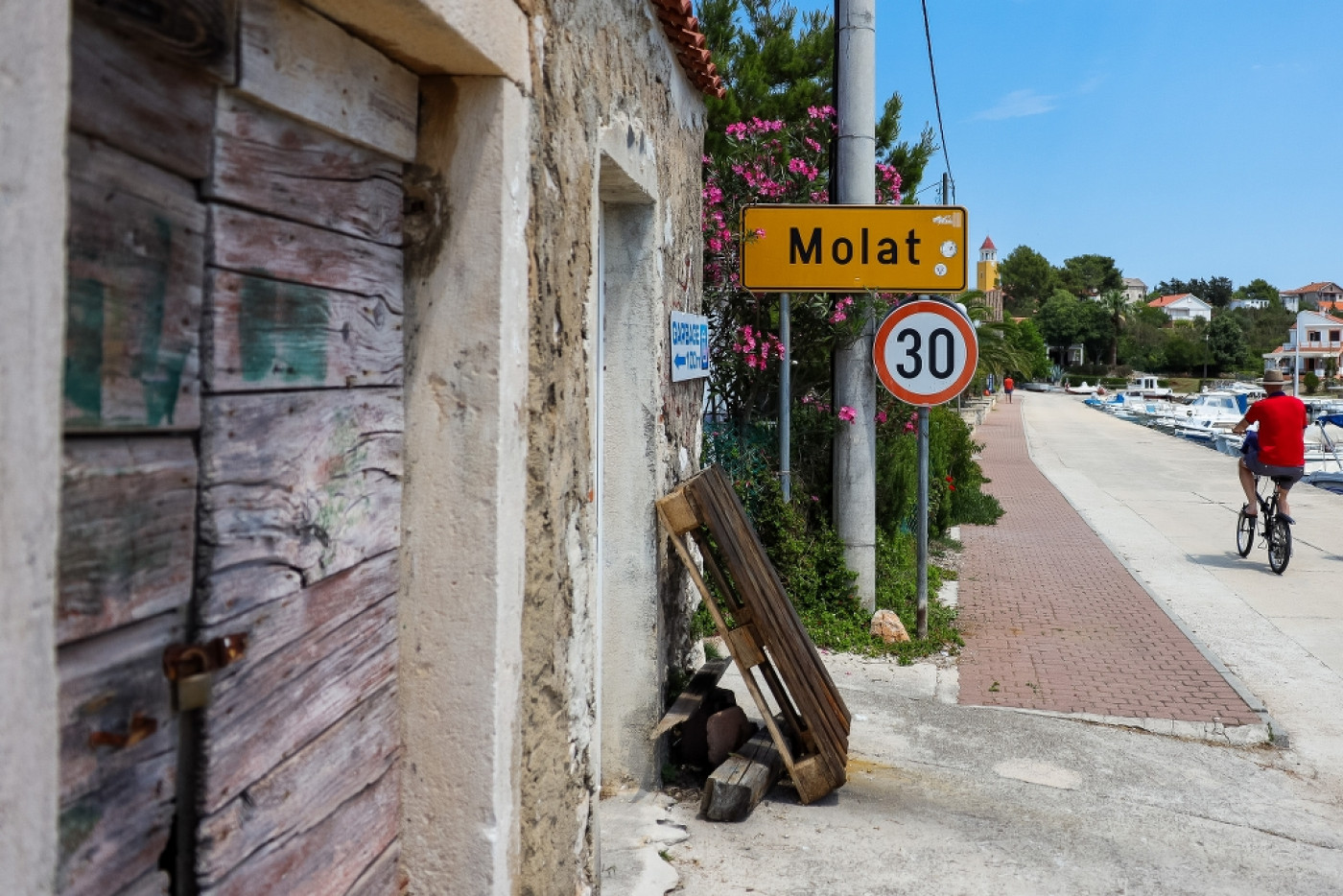
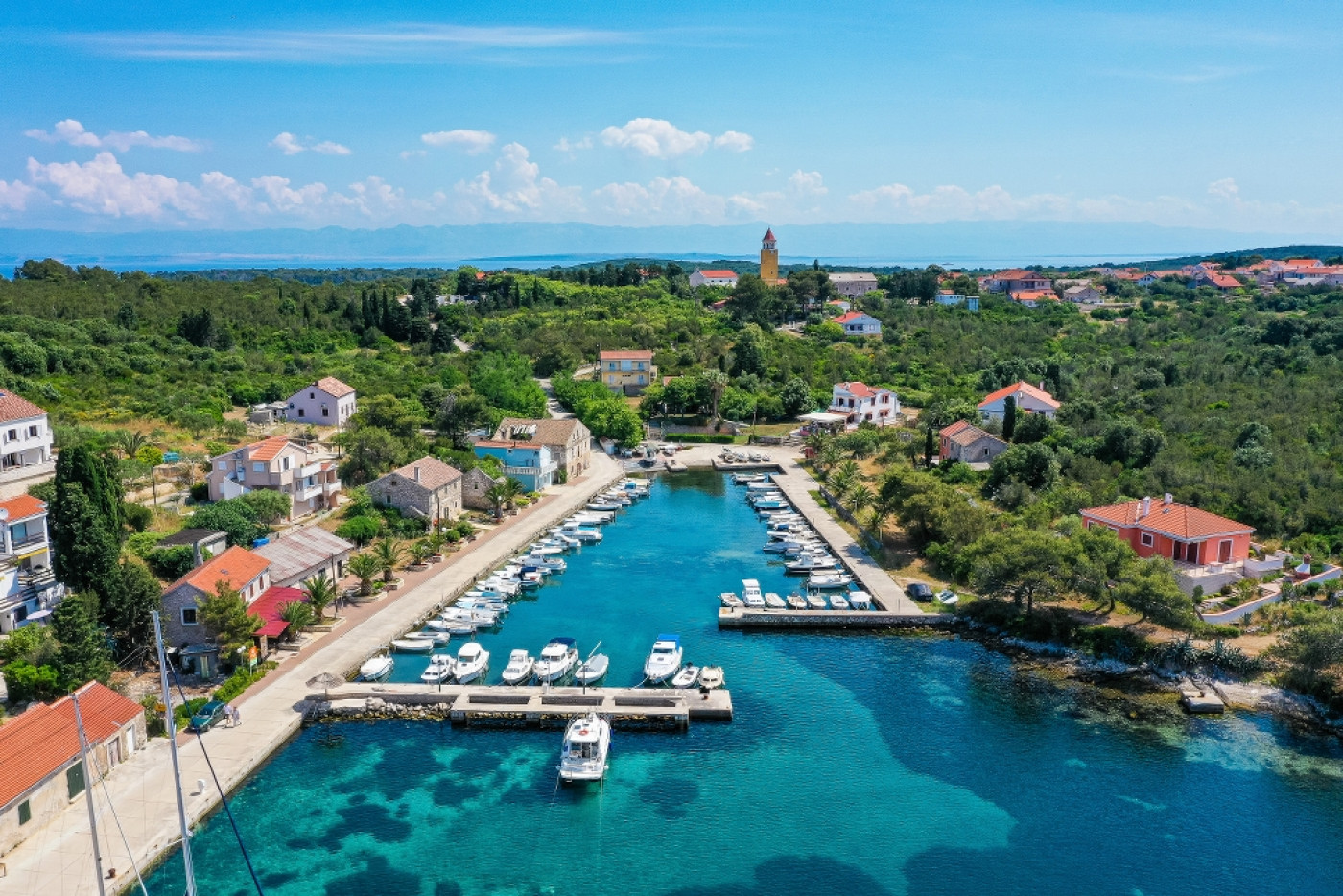
Today, there are three settlements on the island, Molat, Brgulje and Zapuntel, connected by an asphalt road. The old nuclei of all three places are located away from the coast. However, in recent decades coastal hamlets, coastal houses for permanent residents, for those who have moved to larger cities and villas with apartments to let tourists seeking island peace have been built.
Photo: Zapuntel
So recently, the island has become a "promised land" for tourist sailors, a true nautical paradise. The coast of Molat is 52 km long, and nature and the sea have "designed" a range of almost 40 beautiful smaller and larger bays along this beautiful coast. And just as many natural, often hidden beaches. The largest and safest bay, a favourite safe harbour for boaters with about 90 buoys for safe mooring and their peaceful sleep, is the wide Brgulje Bay, where Brgulje is a place where Hungarian Prime Minister Viktor Orban enjoys peace almost every summer.
Photo: Brgulje
Sailors can find safety and an excellent gastronomic offer in the Zapuntel bay in the northwest of the island and the port of Lučina in Molat, in the southeast of the island.
Like chocolate cake, but more delicious!
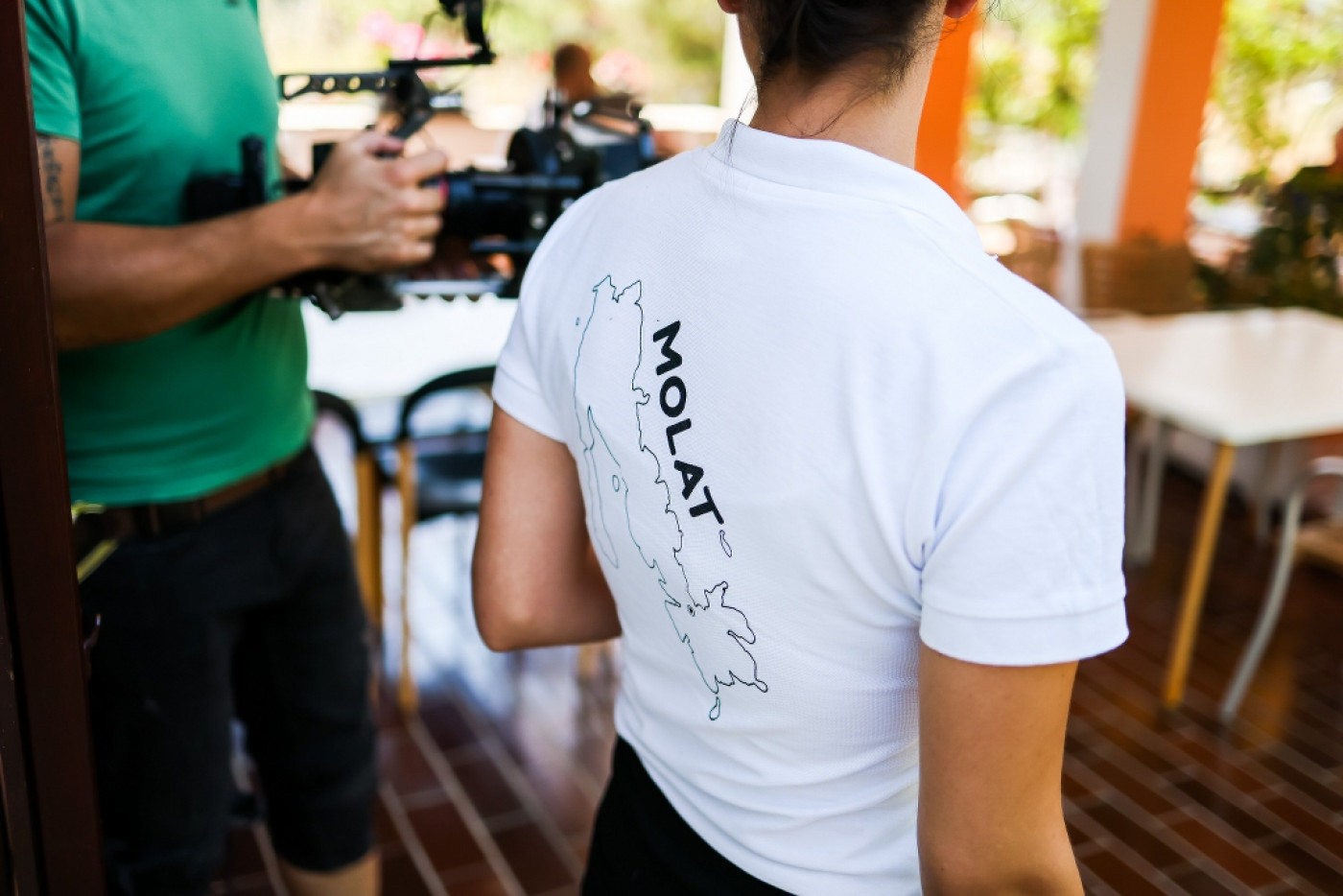
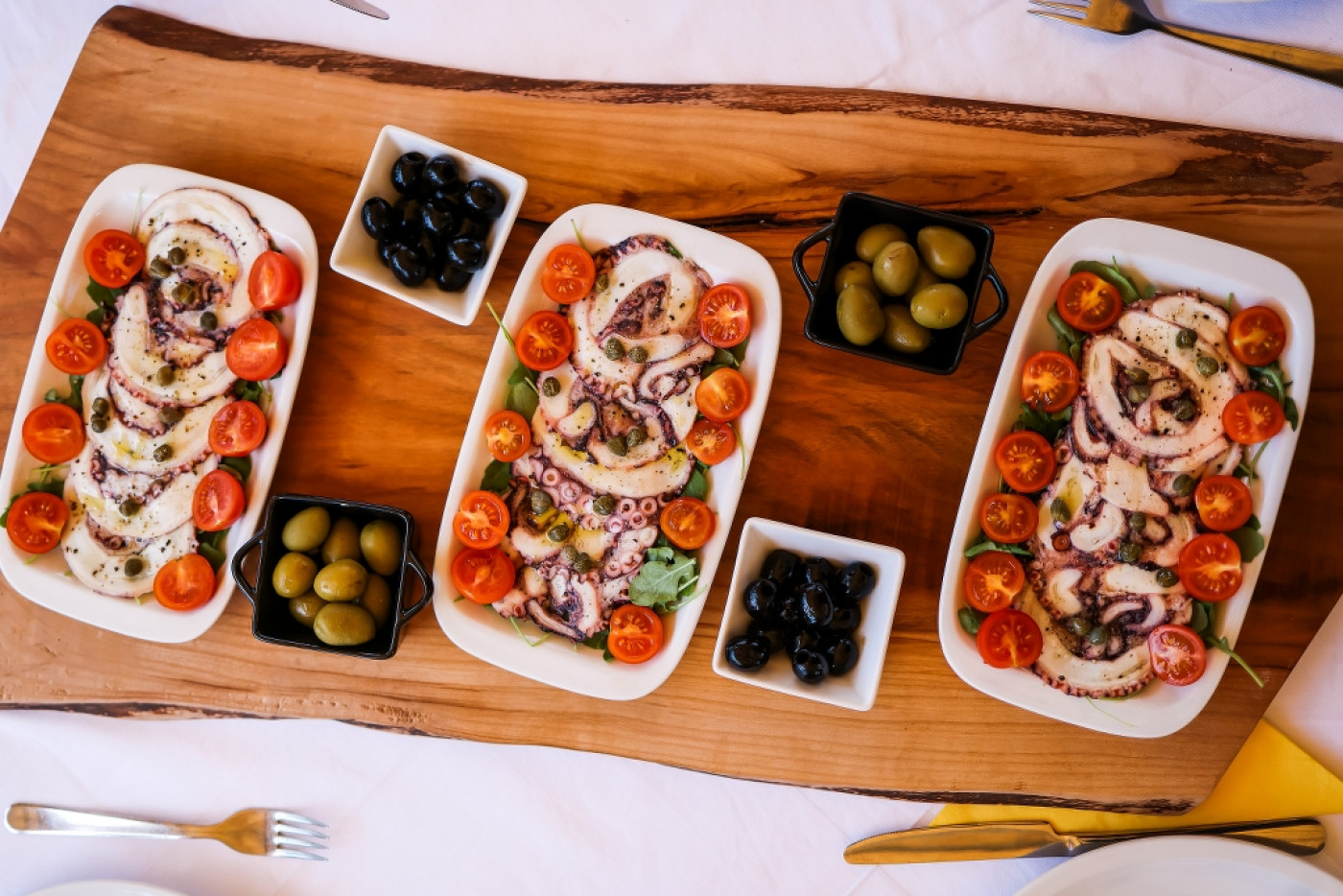
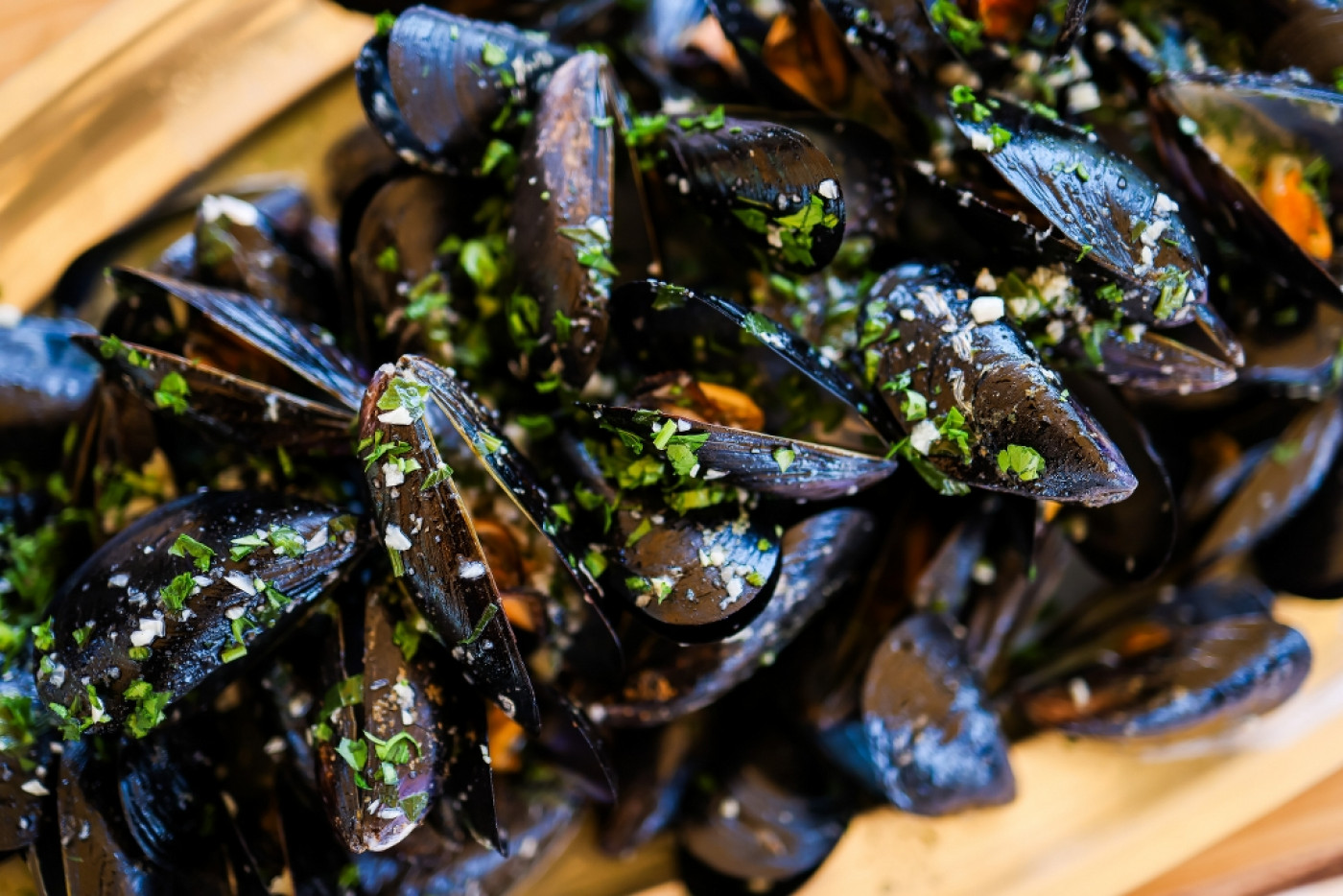
At the far end of Lučina Bay, there has long been the Restaurant "Grill Mare", now run by Marin Šarunić from Brgulje, who until recently was an expert in the logistics of exclusive yachts on which their wealthy owners arrive in the Adriatic. Šarunić conceived his restaurant's menu simply: his main offer is fish, crabs and shellfish prepared in traditional Dalmatian, usually simple ways.
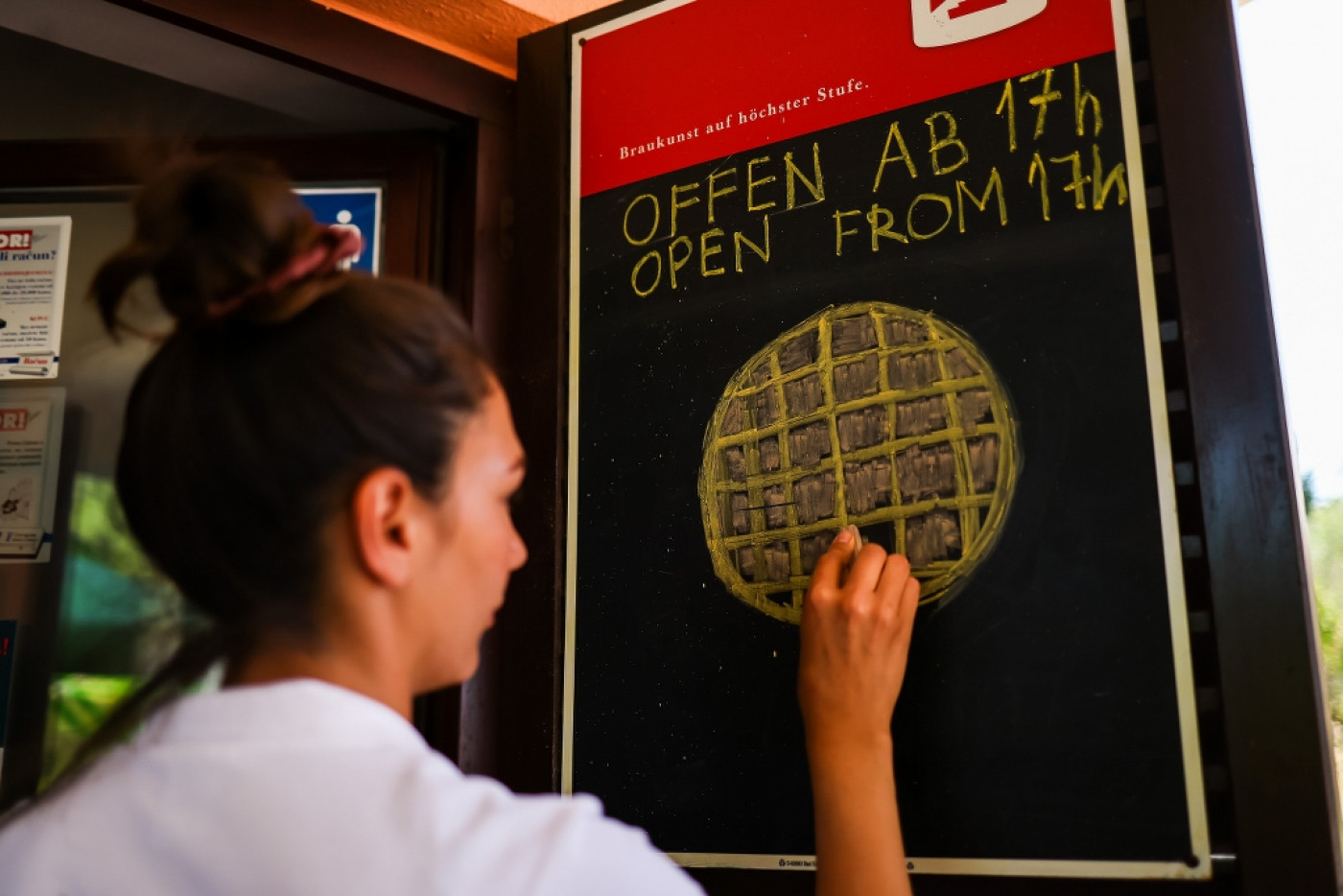
This is not strange: in front of the restaurant terrace, there is a small port to which local fishermen return with their catch every morning. Marin will also offer good meat dishes, but when choosing desserts, he decided on the autochthonous tradition of the island of Molat - Molat cake, which he included in the permanent offer.
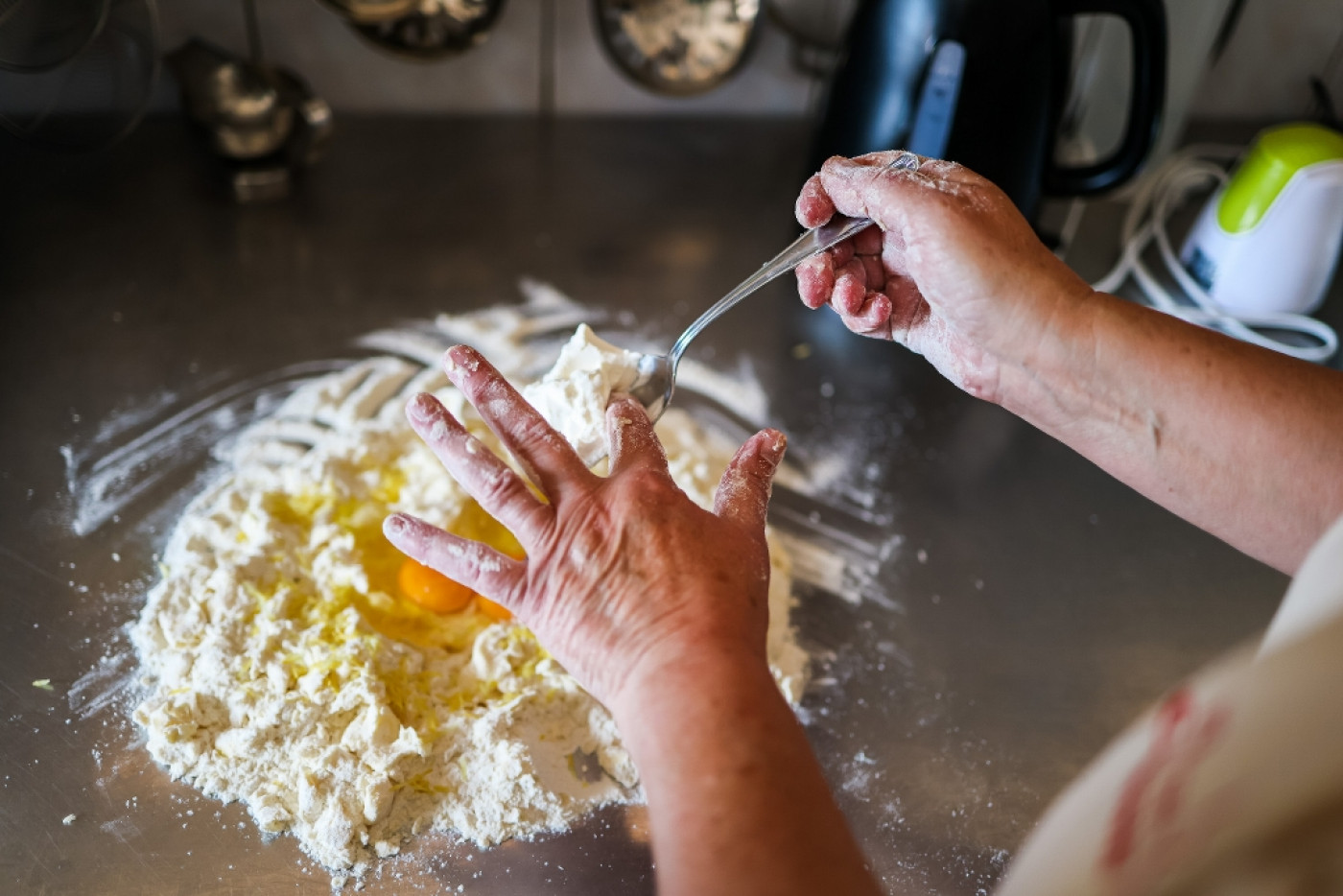
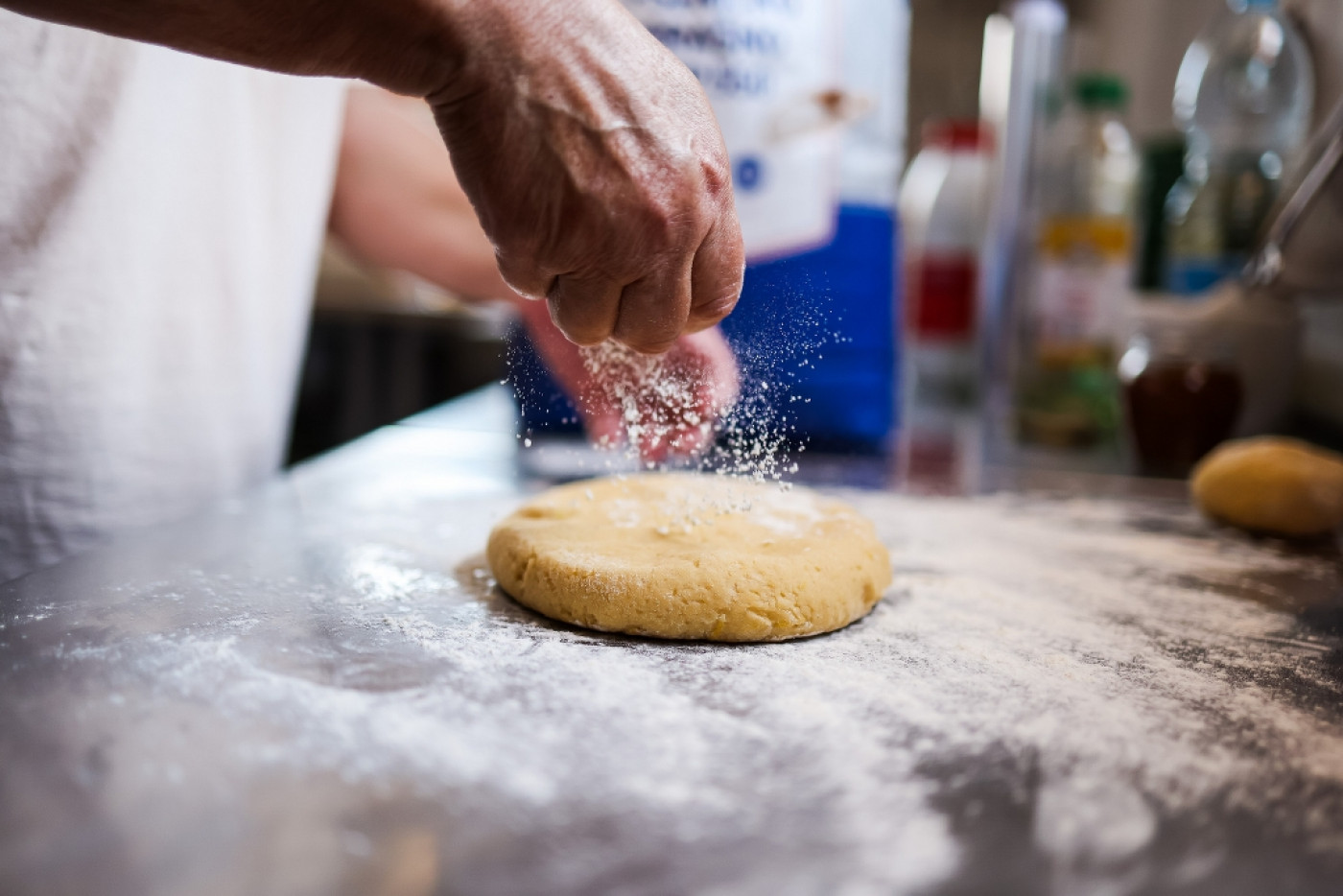
Carob desserts are also prepared on other Adriatic islands, such as Hvar, which also has a version of carob cake, but according to a different recipe from this Molat one. The pastry chefs of the Molat restaurant first prepare short, crust pastry from flour, butter, eggs, lemon peel and cream.
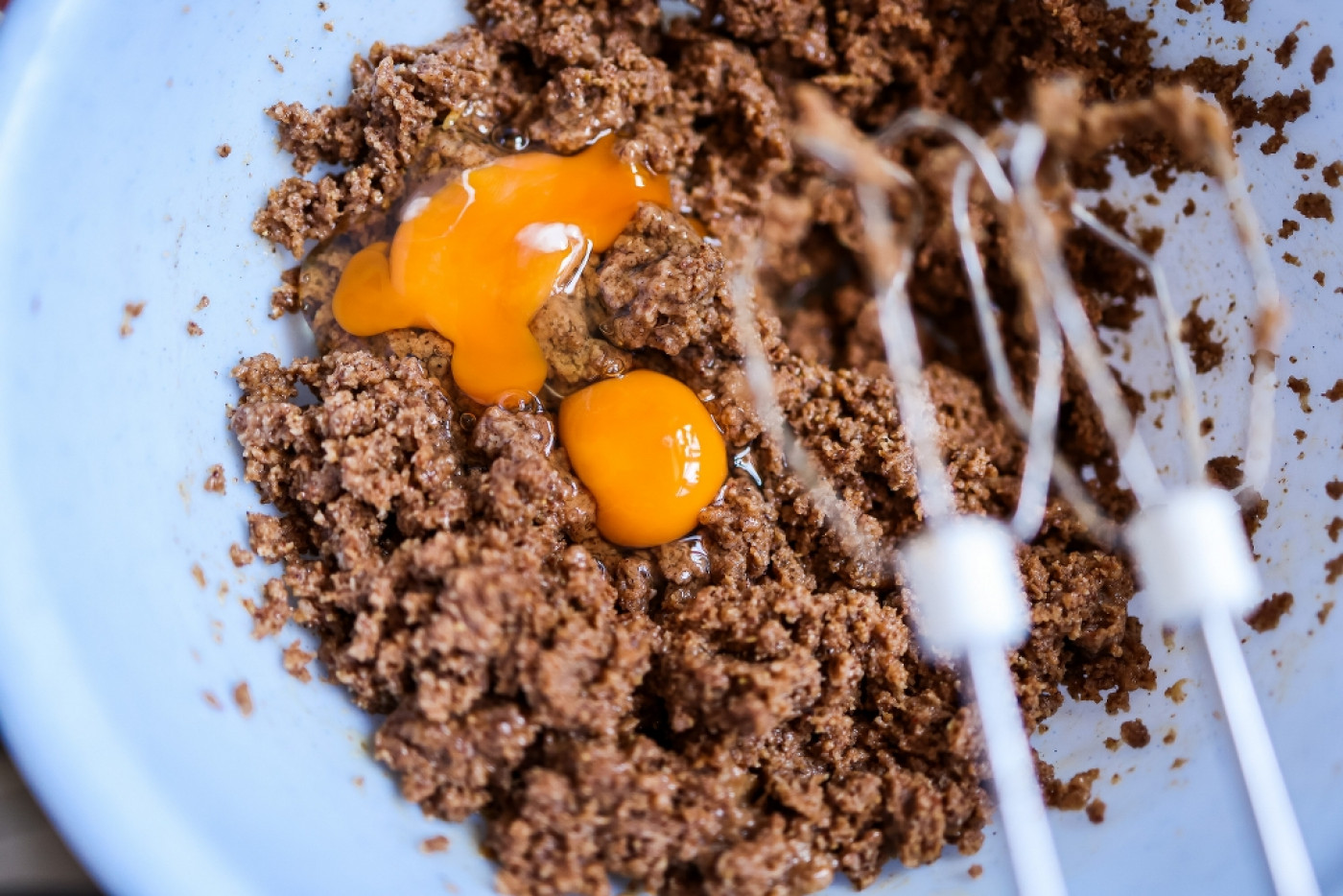
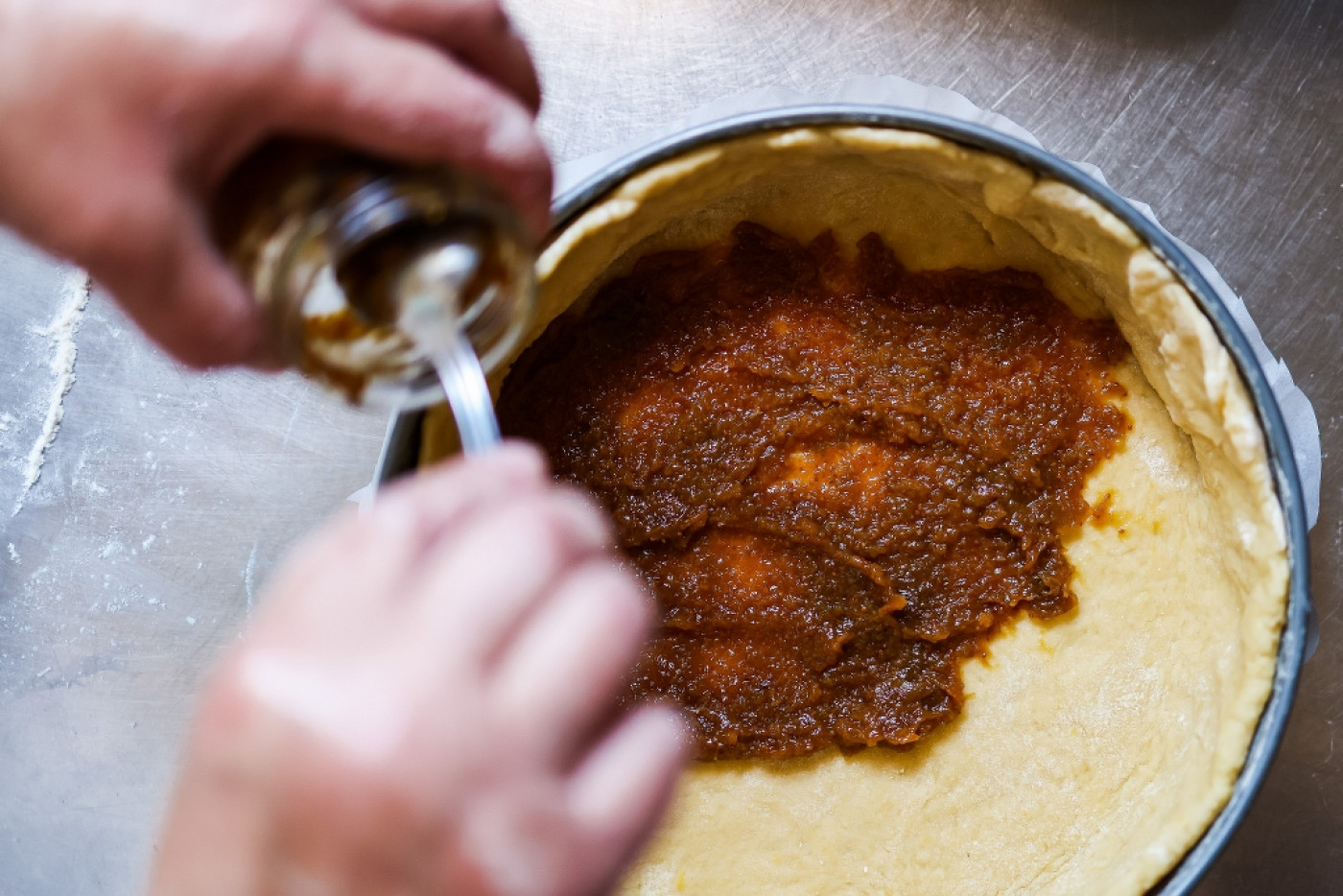
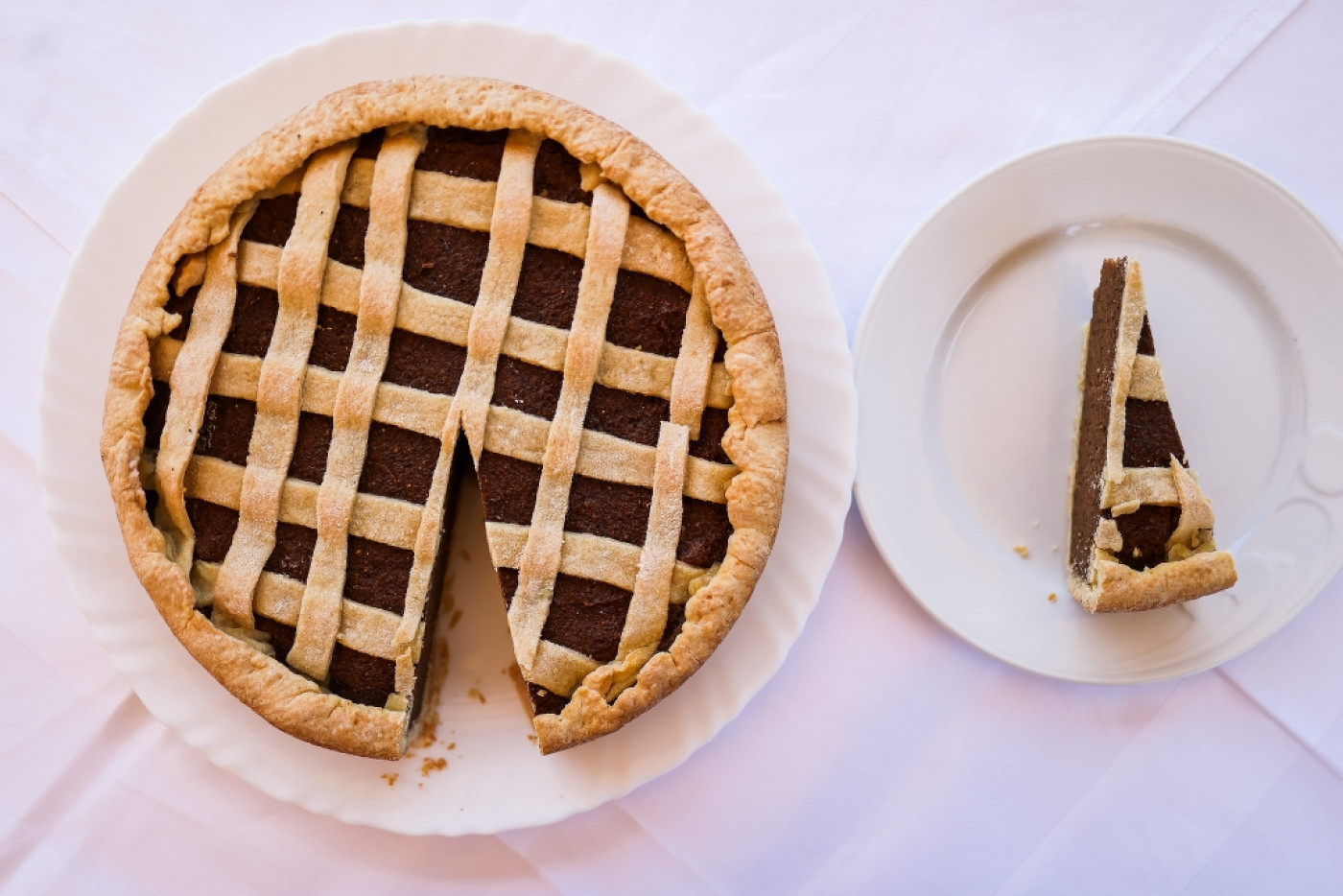
The pie will be the "shell" of the cake and its reticular decoration, while the heart of the cake is a thick, dark filling made of ground carob, milk, semolina, butter, vanilla sugar, eggs, peel and lemon juice. Before the filling is smoothed out over the pastry, first smooth out a hidden sweet layer of fig jam. Thus folded into a mould, the cake is baked for about an hour and is ready to serve wholly cooled.
Thus prepared and then sliced into triangles, Molat cake can be deceiving at first glance - who would say that this is not an ordinary and cheaper chocolate cake. But the first bite will reveal the truth: it has intense and full taste, only in traces resembling chocolate, but the experience is even more pleasant for the palate. Rarely can anyone resist chocolate and all the sweets from that delicacy, but there's certainly no one who can resist the mighty corab Molat cake.
And to end our story and your rare gastronomic pleasure, we do recommend some Mediterranean liqueur. The liqueur, which well bonds with the taste of Molat cake, is made from the marasca cherry and comes from the Zadar boutique winery "Fiolić". It conquers the market of delicatessen drinks and all lovers of the good, natural spirit.
Schau das Video an
.
Möchtest du gern mehr wissen?
Vorschläge