05.02.2021.
A Spectacular 3D Review of the Life and Appearance of Ancient Iader
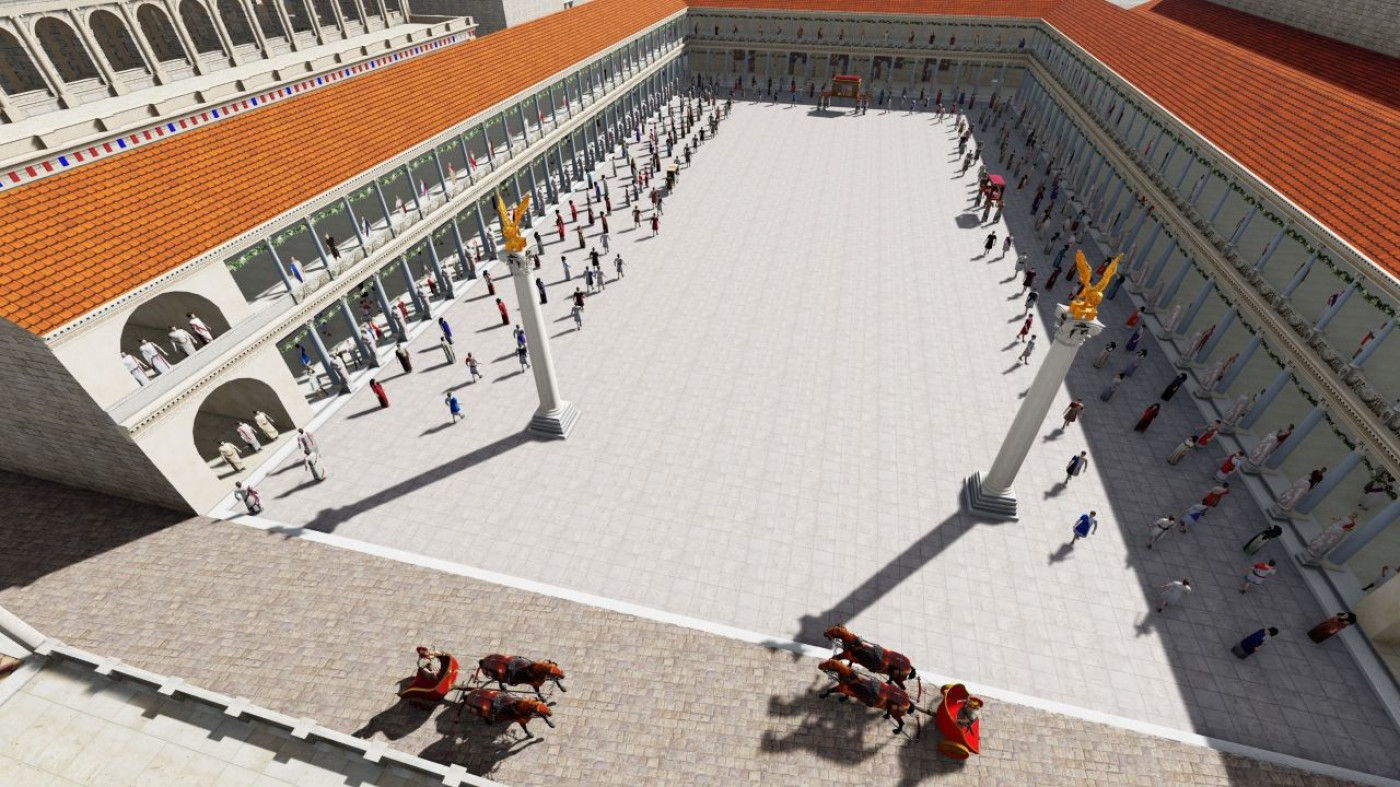
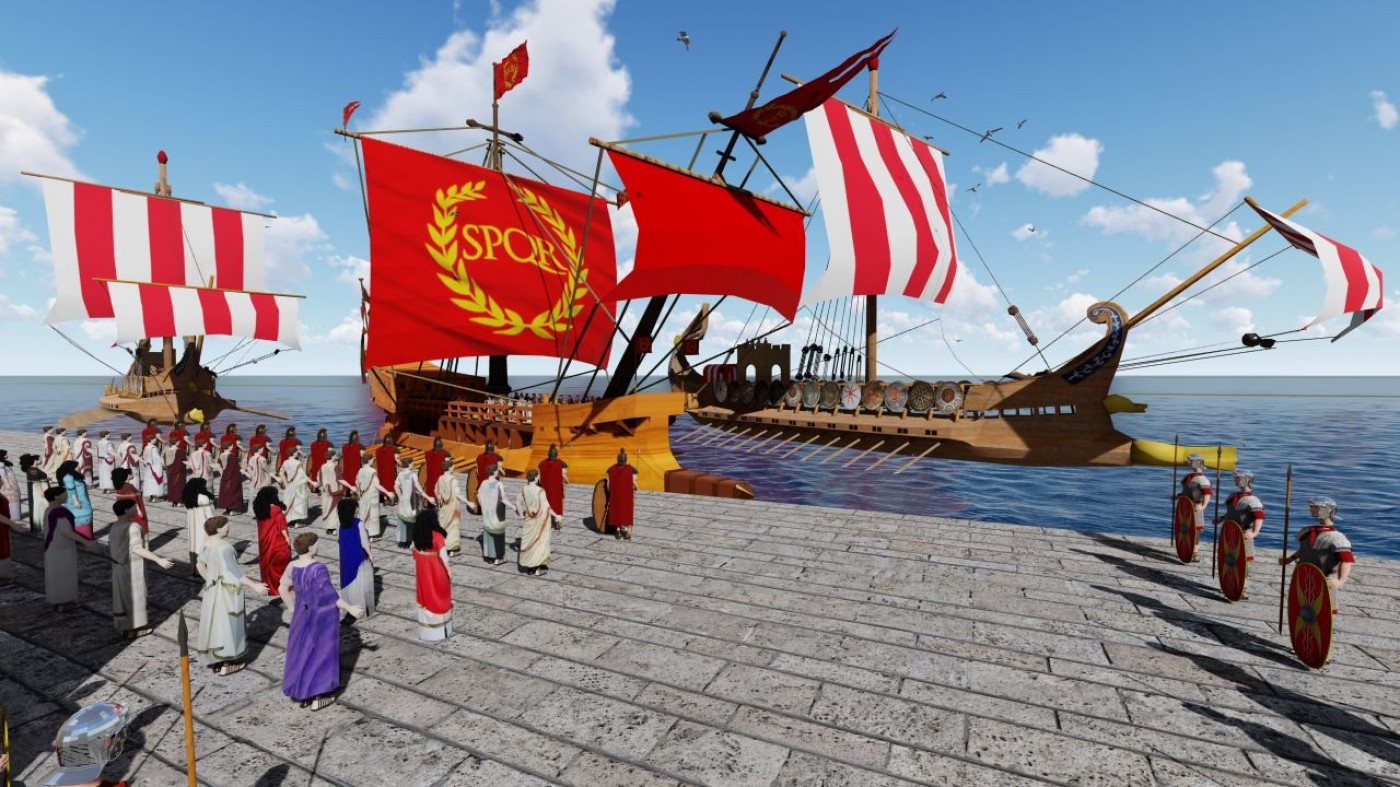
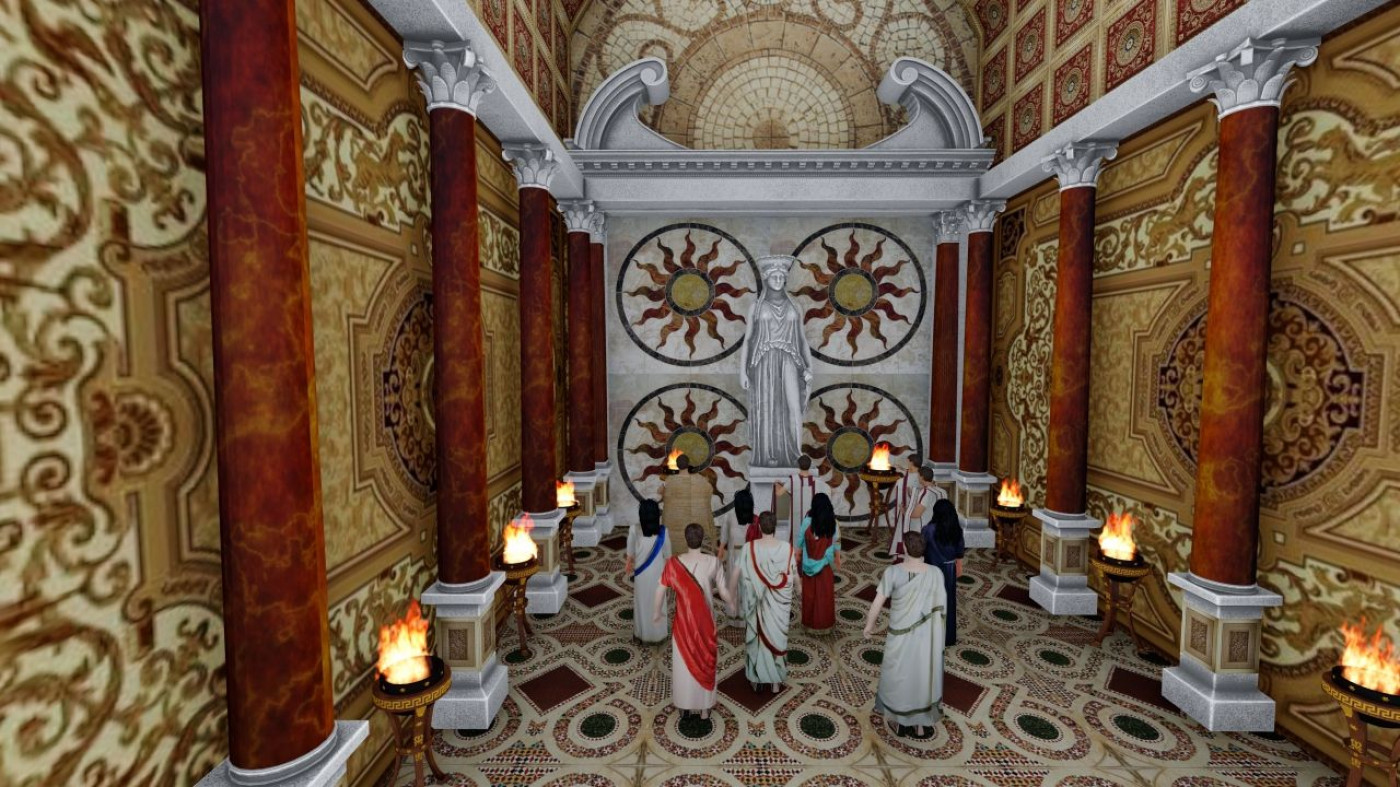
Pensioner from the town of Opuzen revived Zadar during the Roman Empire. After six months of intensive work on three-dimensional modelling (3D), the public was finally introduced to a ten-minute animation of the appearance, architecture, urban structure and life in the Roman Iader, or ancient Zadar.
The authors of this inspiring work are Stipan Ujdur from Opuzen, who made the 3D model and video animation, and Frane Bilić from Zadar who was the initiator of the making of the 3D model of ancient Zadar. Mr Bilić will also program applications for smartphones and VR glasses at his own MediaUp studio, which will wrap the animation project of the Roman Iader up.
“The model was made as authentic as possible according to the original Iader of the Antiquity. This job was really difficult because I had to search the foreign archives for everything about ancient Zadar. Working on 3D modelling took a full six months, daily and painstakingly, and it was such an exhausting experience that I would never repeat a project like this again. But since I am retired, I have enough time for education and modelling,” says Ujdur, a retired accountant and self-taught 3D model maker, who has already complete projects of video animation of the Diocletian's Palace, ancient Narona in Vid near Metković, and Renaissance Dubrovnik before the 1667 earthquake. Ancient Zadar is the fourth project by Ujdur in a series of three-dimensional modelling of Dalmatian cities from different eras.
“Such animations are a useful base for making animated films, but it is not an animated film, but an animation of a 3D model. This job is not easy at all. It requires the study of old pictures and sketches, on the basis of which the final 3D reconstruction is made. But I have to note, unfortunately, that this is a retirement production, not a Hollywood standard, so hopefully I will be forgiven for some inaccuracies and artistic freedom,” says Ujdur, whose three-dimensional ancient Iader was a really big model with many significant neighbourhoods to be processed. In addition, it proved to be an extremely demanding project largely due to the unavailability of documents, drawings, floor plans or illustrations, i.e., incompleteness or absence of material.
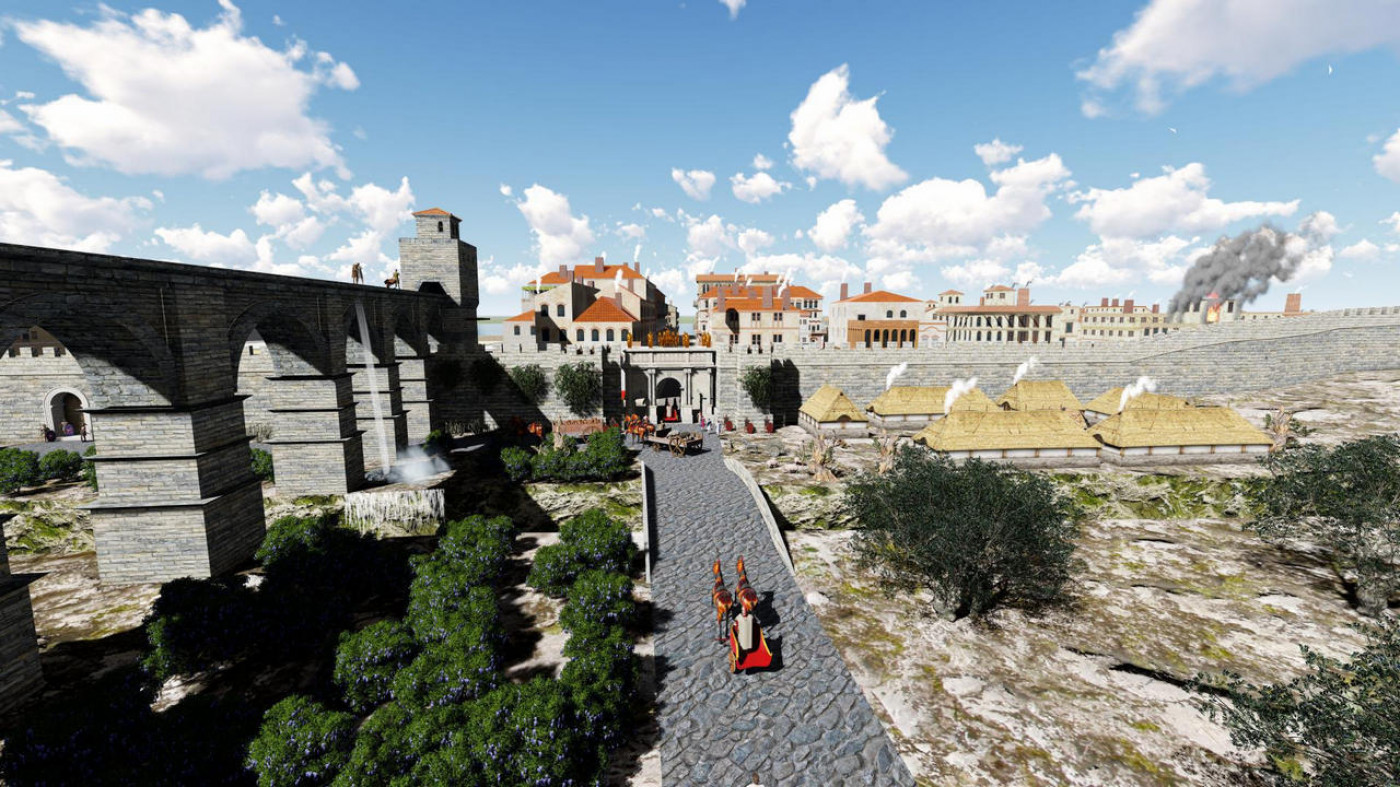
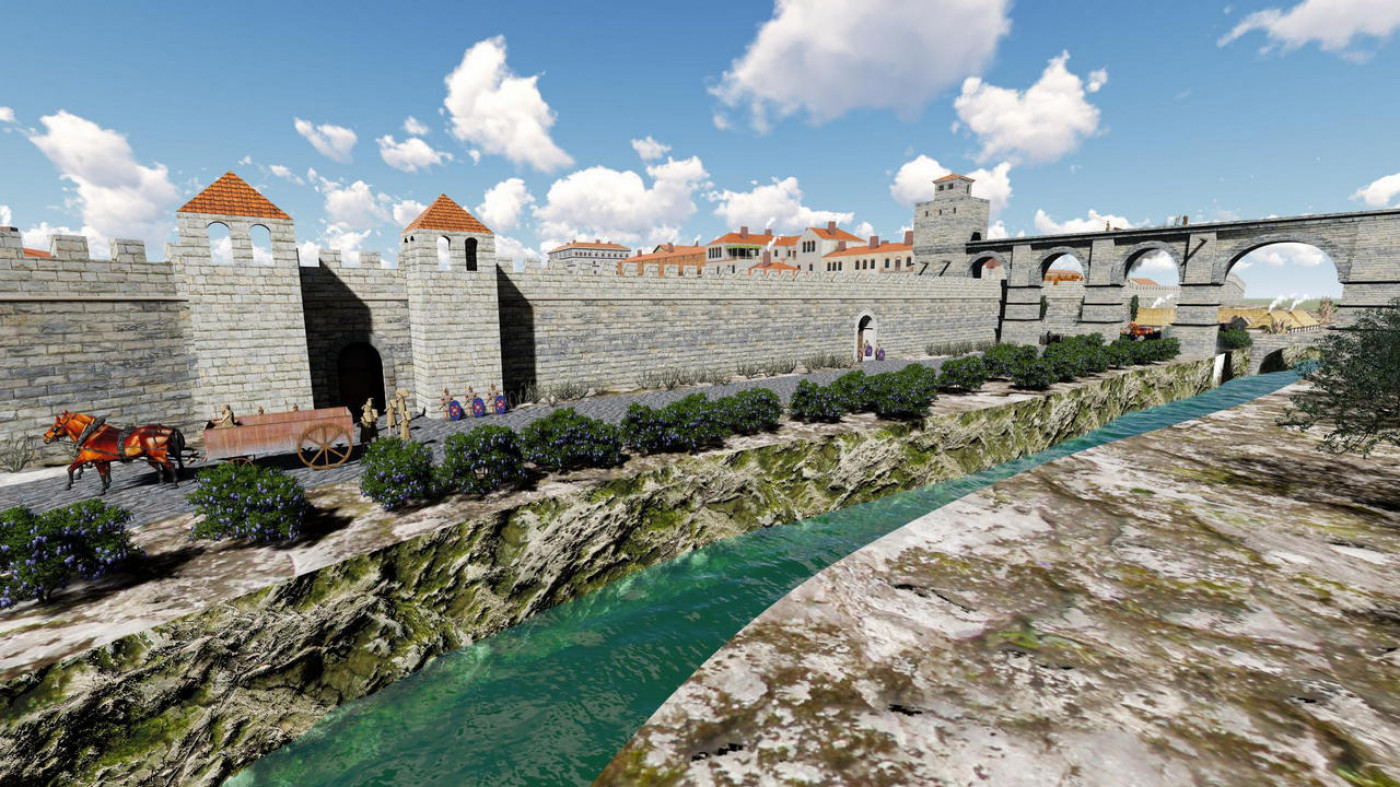
“It is our big predicament. Honestly, I could not have done anything without foreign sources and documentation. There are some of our works that are available, but if I wanted to do something concrete, I had to look for other sources,” emphasized this pensioner and 3D model maker from Opuzen. The 3D animation of Iader begins in front of the entrance to the city, which was encircled by spectacular walls on all sides, while on the southeast rampart there were three gates; one was used for civilian traffic, the other for traffic of goods, and the middle entrance was for various purposes. In front of the gates, there were vegetable sellers, manual workers, and cattle breeders selling their produce within the city. The amphitheatre was outside the city too, as seen in the scene where Roman citizens walk from the amphitheatre towards the city’s front gate. Decumanus Maximus was the ancient Kalelarga, in the same place where it is today, five meters wide with a pavement of two meters on each side for pedestrians, while the real urban bustle could be felt immediately upon entering the city - some are buying, others are selling, and one can find slaves, horses, carpets, decorative items, pottery and the like on offer.
“I found illustrations that show how in Roman times goods were dried on the street, balconies and windows, just like today in Dalmatian towns,” says Ujdur. In ancient Iader, water and hygiene were not spared. The basic aqueduct tower and the public bath, hot water baths, were the favourite meeting place. The aqueduct consisted of two branches, because the water came from two springs: the first branch went from Kneževići vrilo, and the second from the source Kučina to today's Smiljevac, where it connected to the first branch, so that Iader had a higher water capacity. In addition, there were fountains, pools and troughs next to the tower in the city. On the outskirts of the city, along the walls on the inner side, there were shops and crafts that could not be in the market, the Emporium, as well as near the Forum. They were blacksmiths, tanners and horsemen with stables and boxes for horses. All this can be seen in Ujdur's 3D animation, which is a truly spectacular work in terms of the amount of detail of the ancient Iader, and the effort and enthusiasm of its author. Ujdur's six months of work and ten minutes of animation revive the appearance and atmosphere of Zadar two thousand years ago.
Guarda il video
.
Vuoi saperne di più?
Proposte