
02.06.2021.
From the Life of Two Zadar Palaces, Part 2
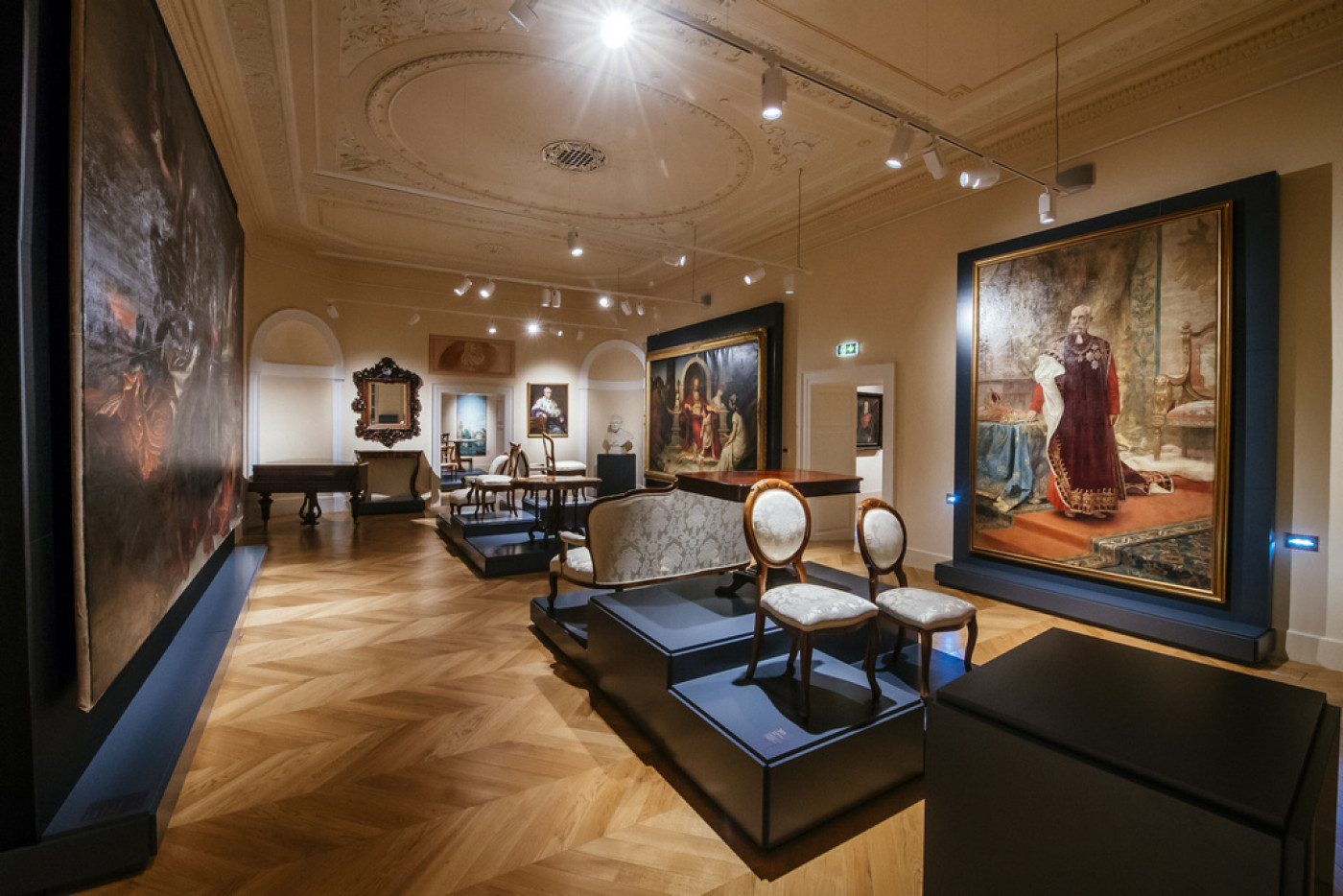
The main room of the Rector's Palace at the height of the Middle Ages was a large hall in which the city council sat, so it was called the City Hall, while the central hall had different functions at different times. In the 16th century, it served as a courtroom. About two hundred years later, it was a city theatre, and in the 19th century, it boasted of being an entertainment hall.
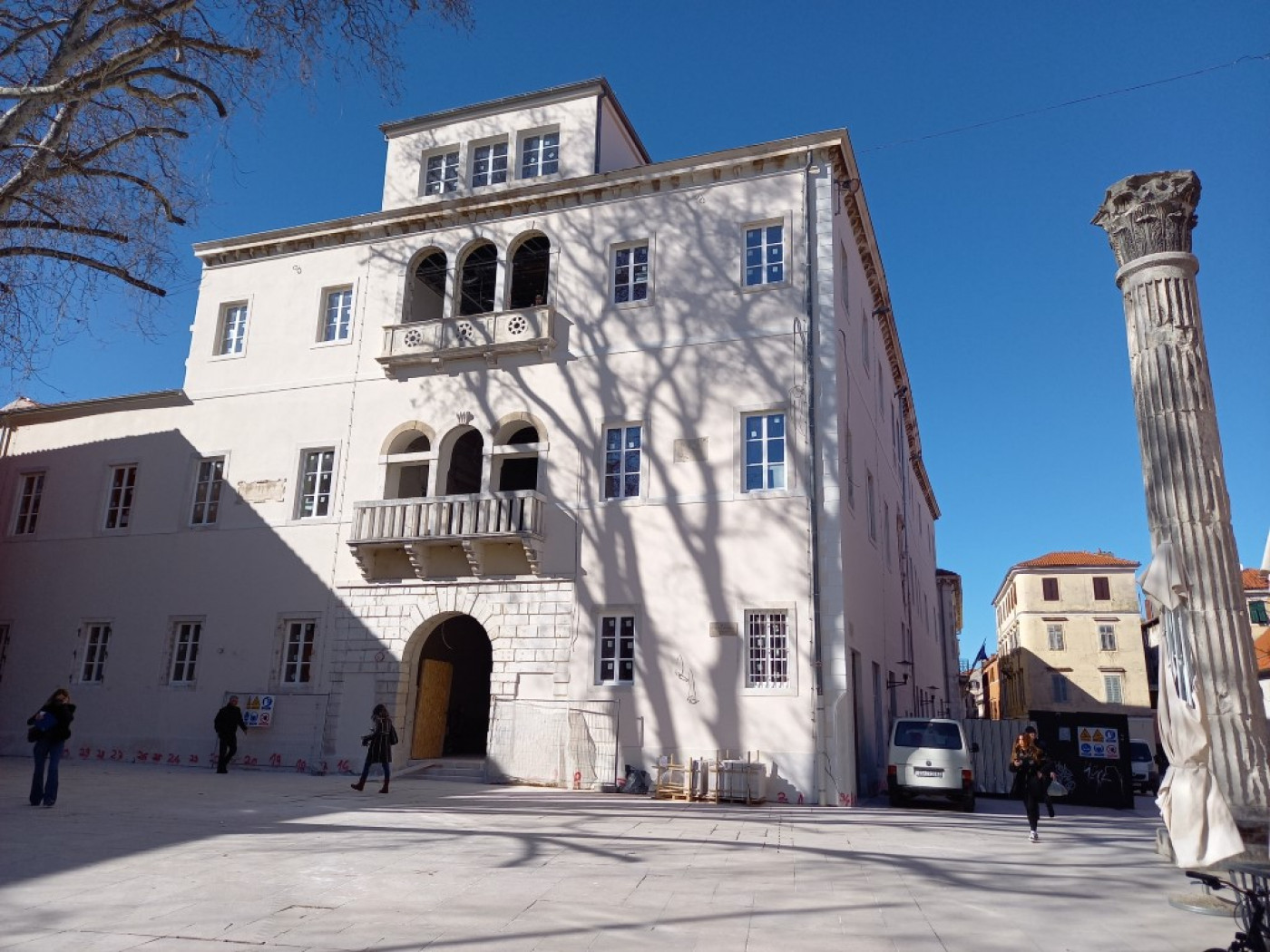
In the last century, Rector's Palace was also a concert hall. Since it often changed its purpose, the palace consequently changed its name over time; it was a municipal, judicial, governor's, governmental, governor's palace and Culture Centre. It underwent its first extensive renovation in the 16th century, and it was expanded, repaired and upgraded several times, so each time, it acquired new stylistic features.
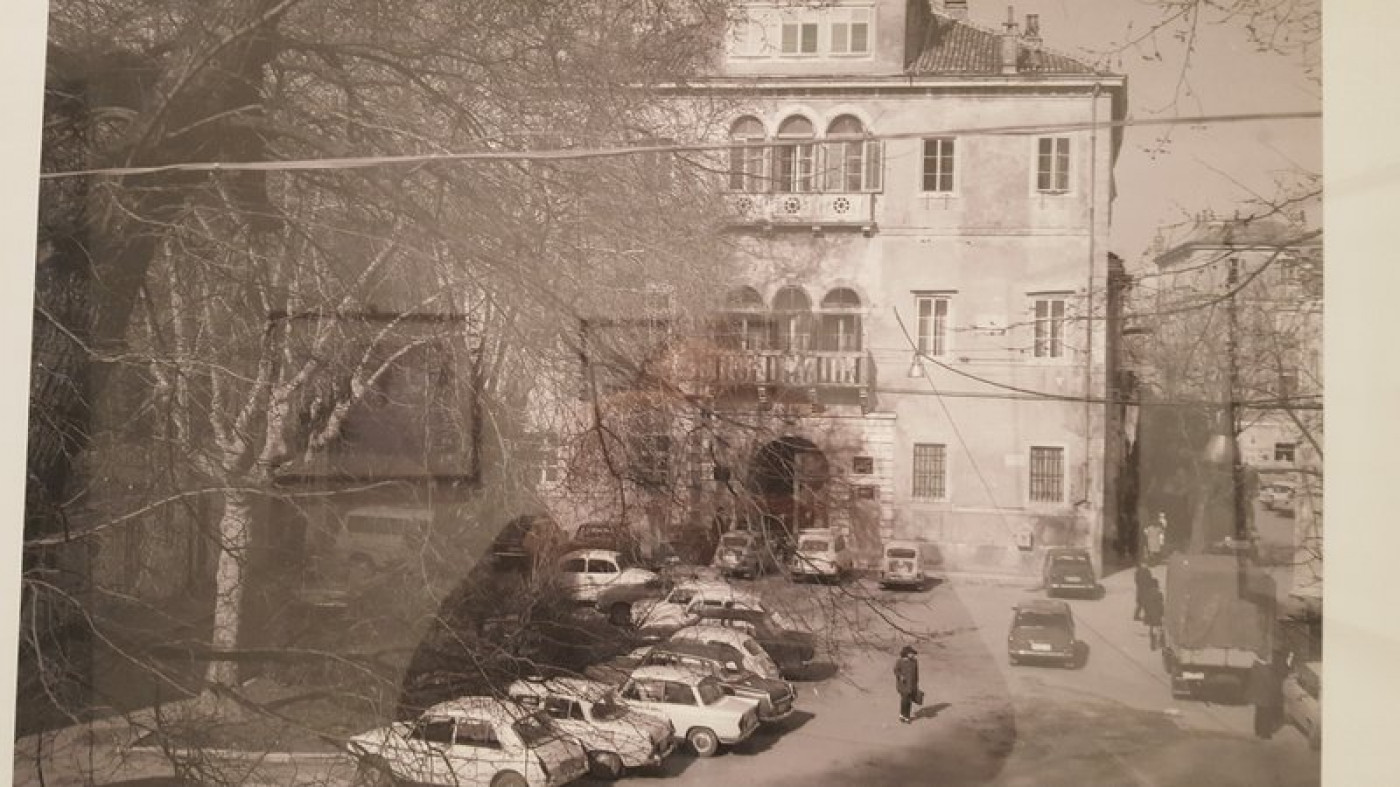
It was also the central city building that housed the horse stable and even the prison and was named after the Venetian duke's who ruled from there. After the fall of the Venetian Republic, the building was renovated, so it housed the Austrian governor for Dalmatia, who, according to a classicist design, significantly changed its appearance. Of the medieval and later Renaissance forms, only the Renaissance portal has been preserved.
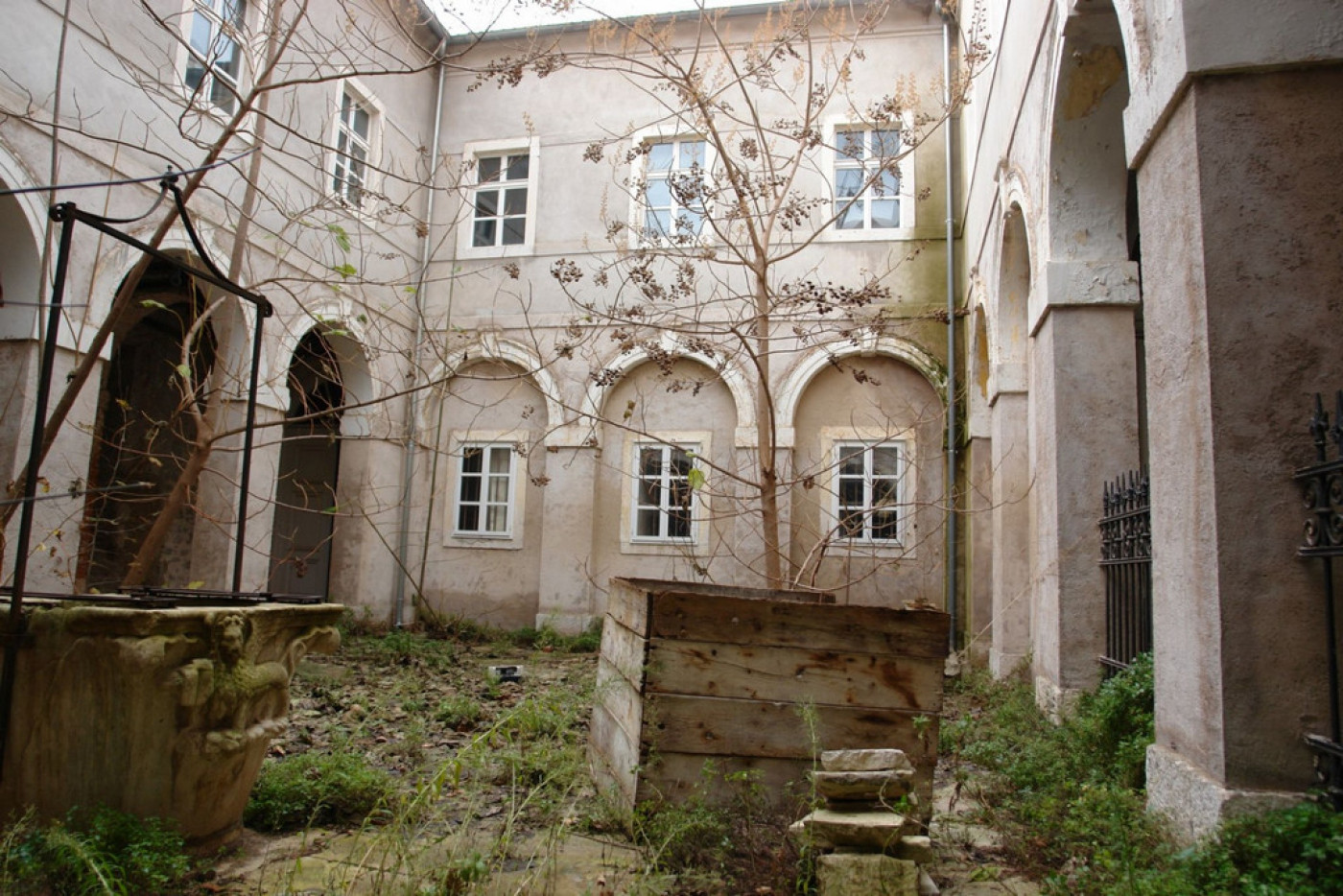
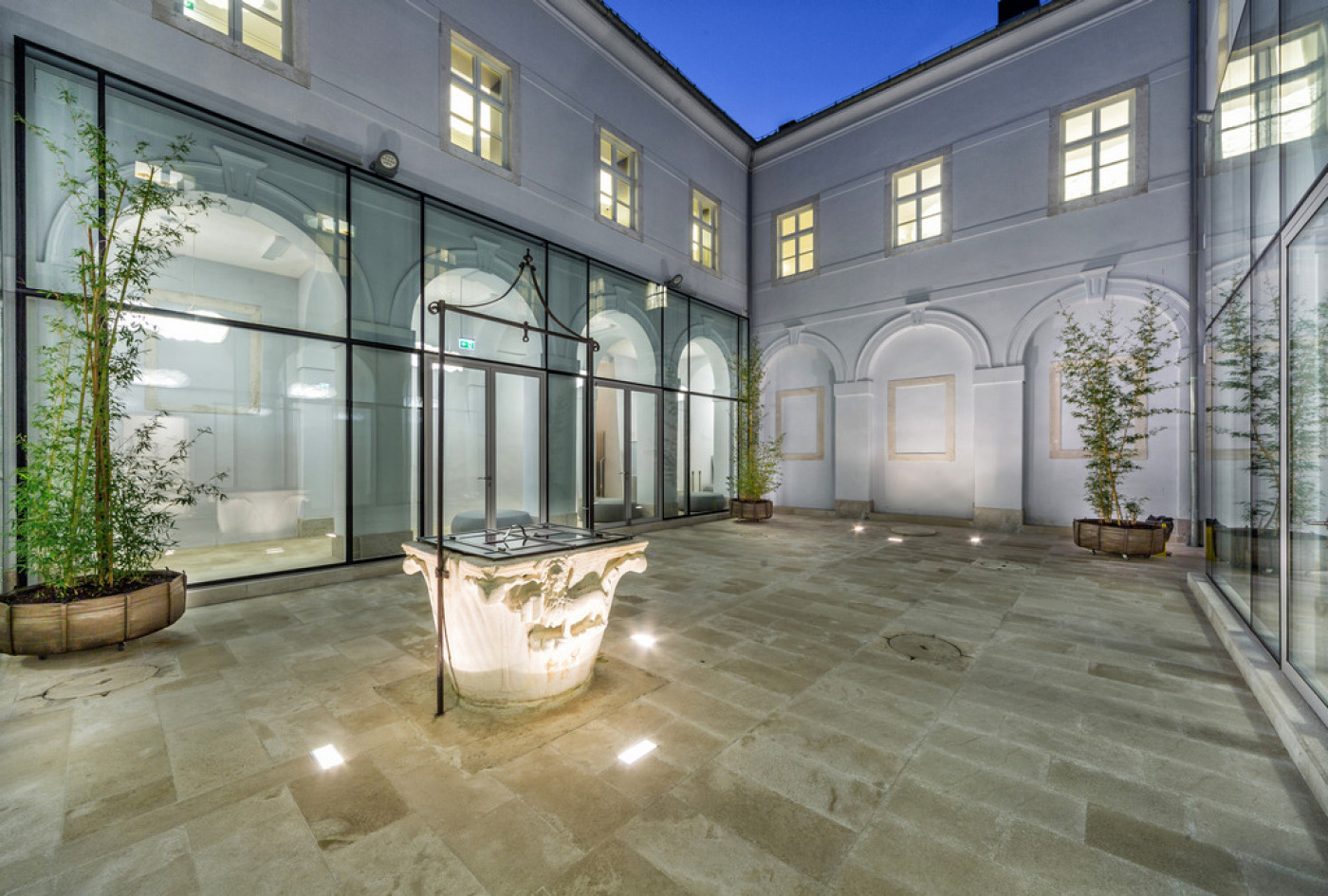
In the mid 19th century, the Rector's Palace changed again, and a new hall was built in which the Zoranić Singing Music Society later worked. The demolition of several private houses created a courtyard, but its central courtyard was a cistern with well-crowns from an earlier period.
The Proveditor's Palace, a building with two courtyards, a horse stable and a cistern, both from the 17th century, merged with the Rector's Palace. From this nucleus, a building was created for the needs of the military head of the Venetian administration over Dalmatia. In the early 18th century, the Proveditor's Palace was expanded on the south side, on the site of the then demolished Church of the Blessed Virgin, after which the building was renovated and refurbished. In the 19th century, it merged with the neighbouring Rector's Palace into a unique complex for various purposes.
During the Homeland War, the Rector's Palace suffered enormous damage, which disrupted the statics of the building, so it became unusable for a while. The first phase of the post-war reconstruction with static and construction repair work began in 1999. Seven years later, the National Museum of Zadar, in cooperation with the City of Zadar, created a programme basis for the Heritage Centre where all exhibition spaces of the National Museum were to be located.
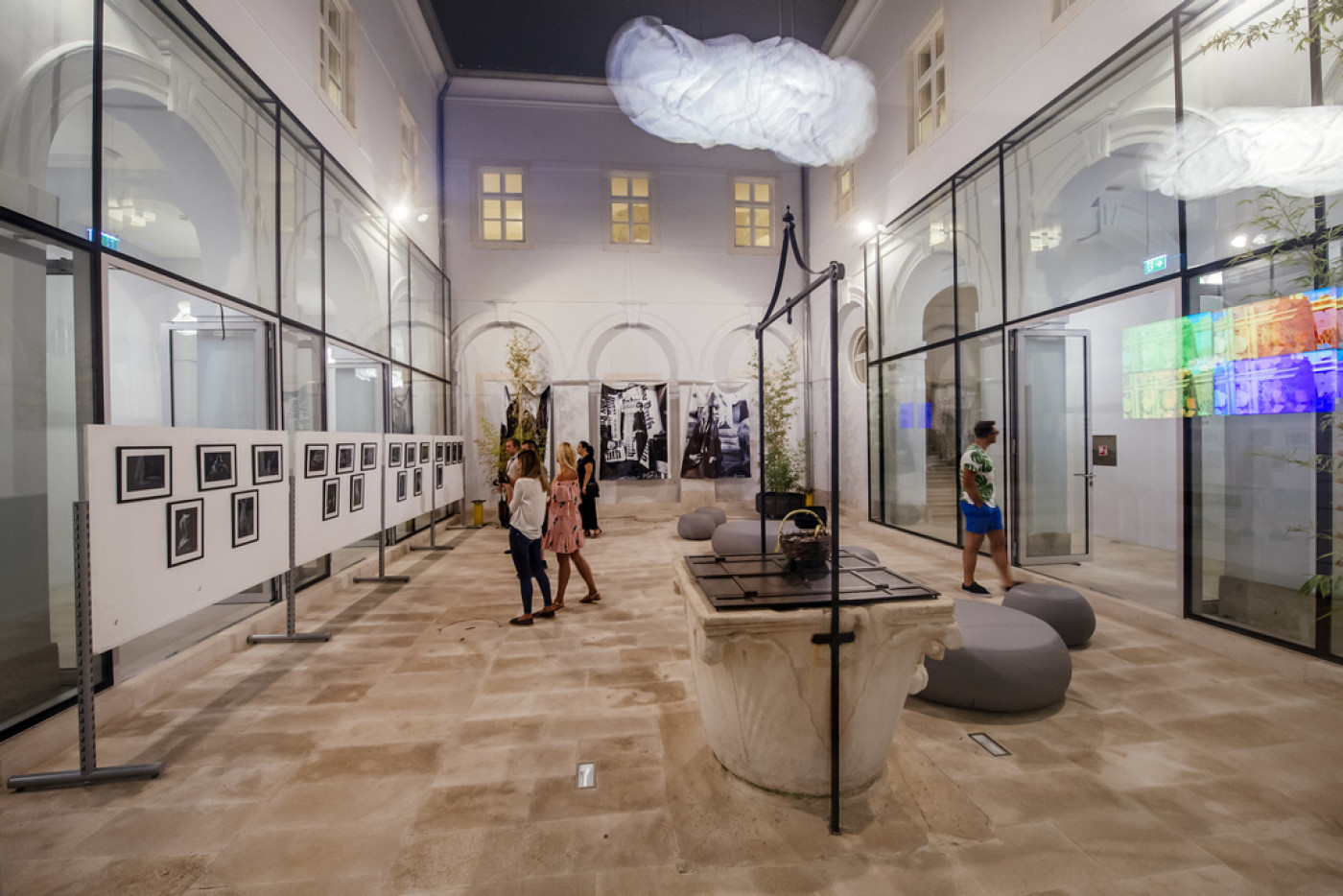
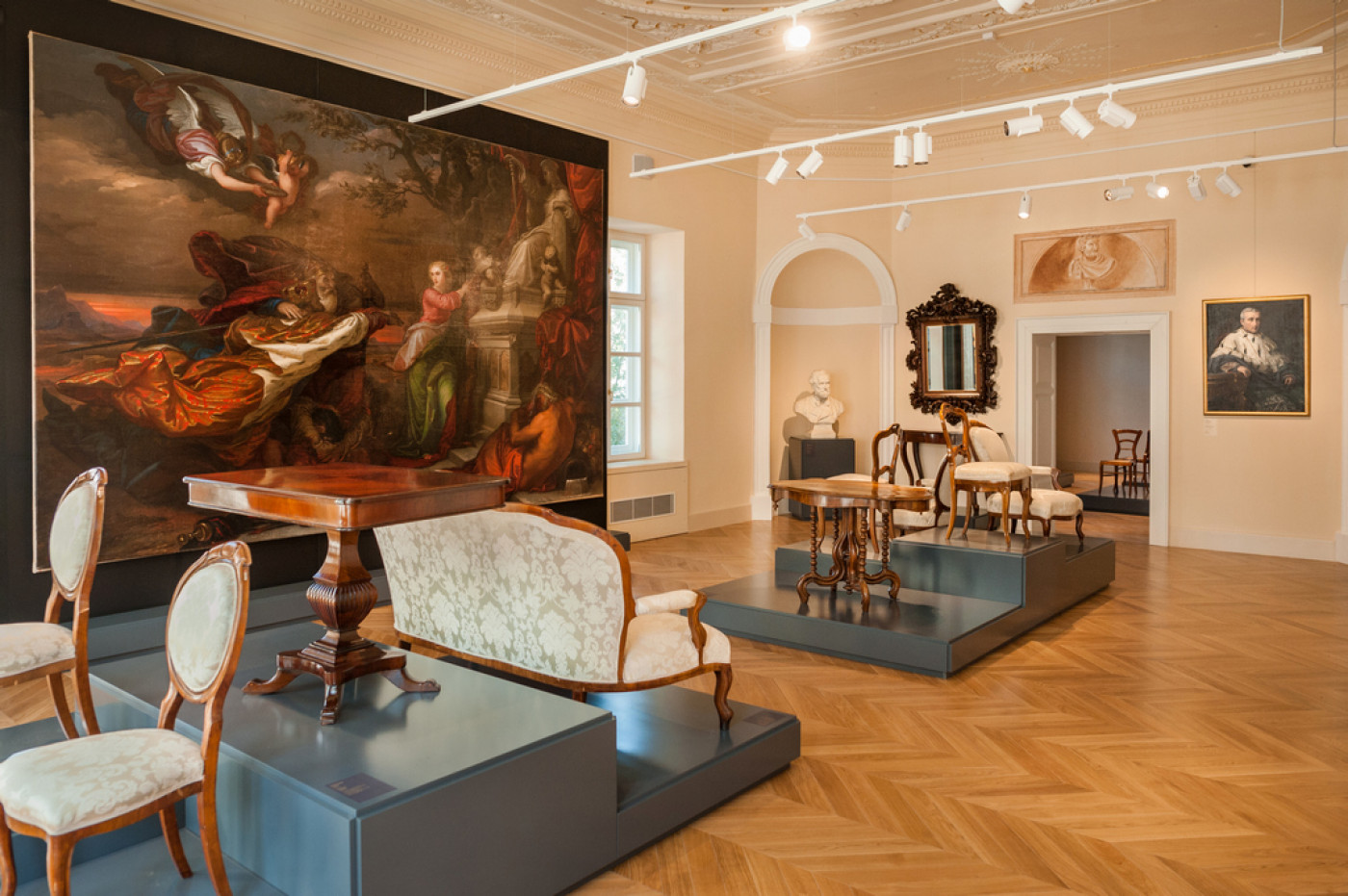
With the assistance of the City of Zadar and the Zadar Department for Conservation, in 2011, the National Museum launched an action of making several halls usable for occasional exhibition purposes. At that time, an architectural installation by Zadar architects Ivo Letilović and Igor Pedišić was set up, which, it is said, looked like a birdcage that made a space inside space and was suitable for exhibition. Wooden walkways and tunnels interconnected the exhibition pontoons, and next to the exhibition halls, there was a room in which the Maritime Collection was located.
Donations were made towards carrying out this project, so each so-called cage was built by a Zadar construction company, mainly using recycled building materials. Finally, in May 2011, part of the renovated space of several halls of the Rector's Palace used for temporary exhibitions of the Zadar National Museum was opened.
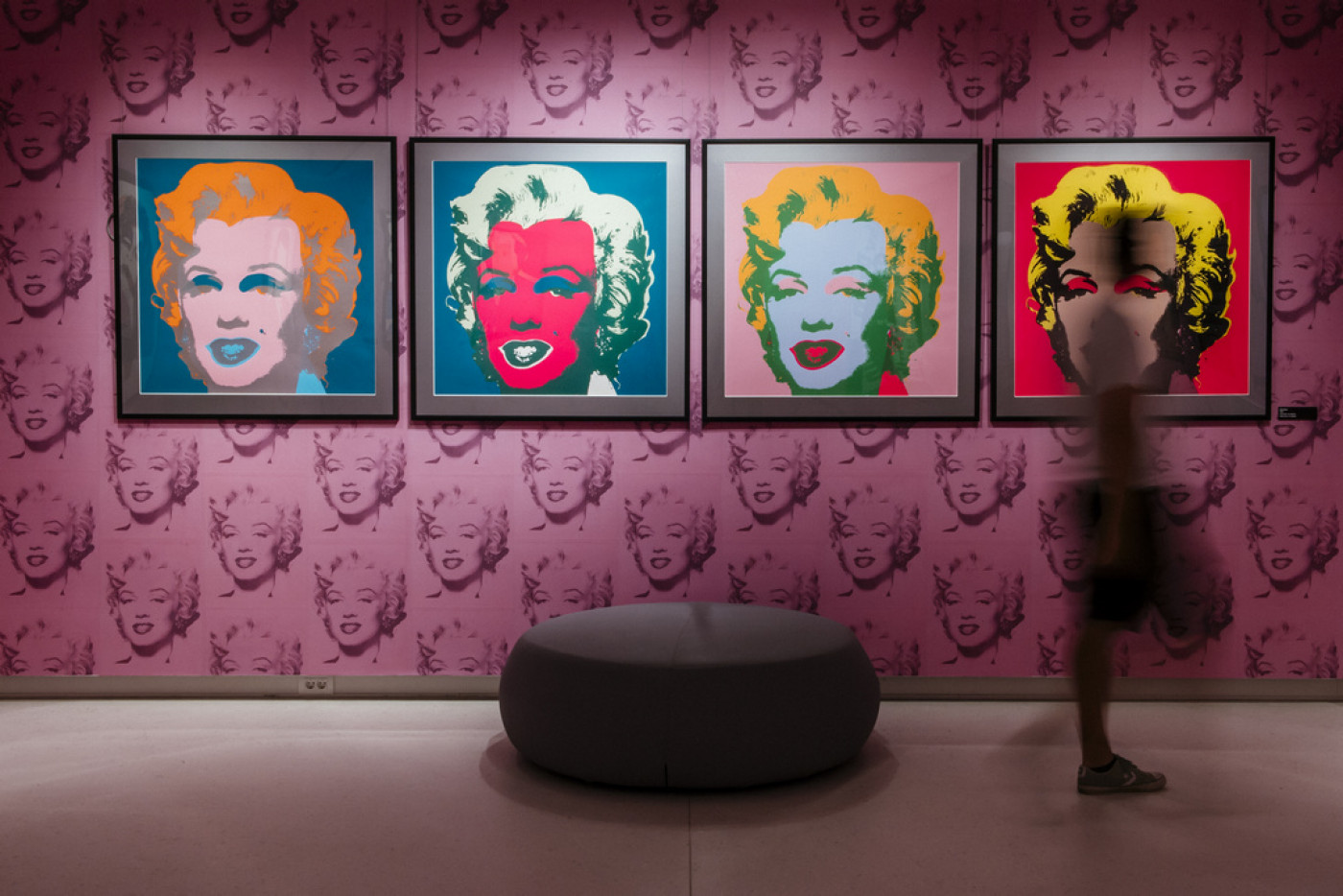
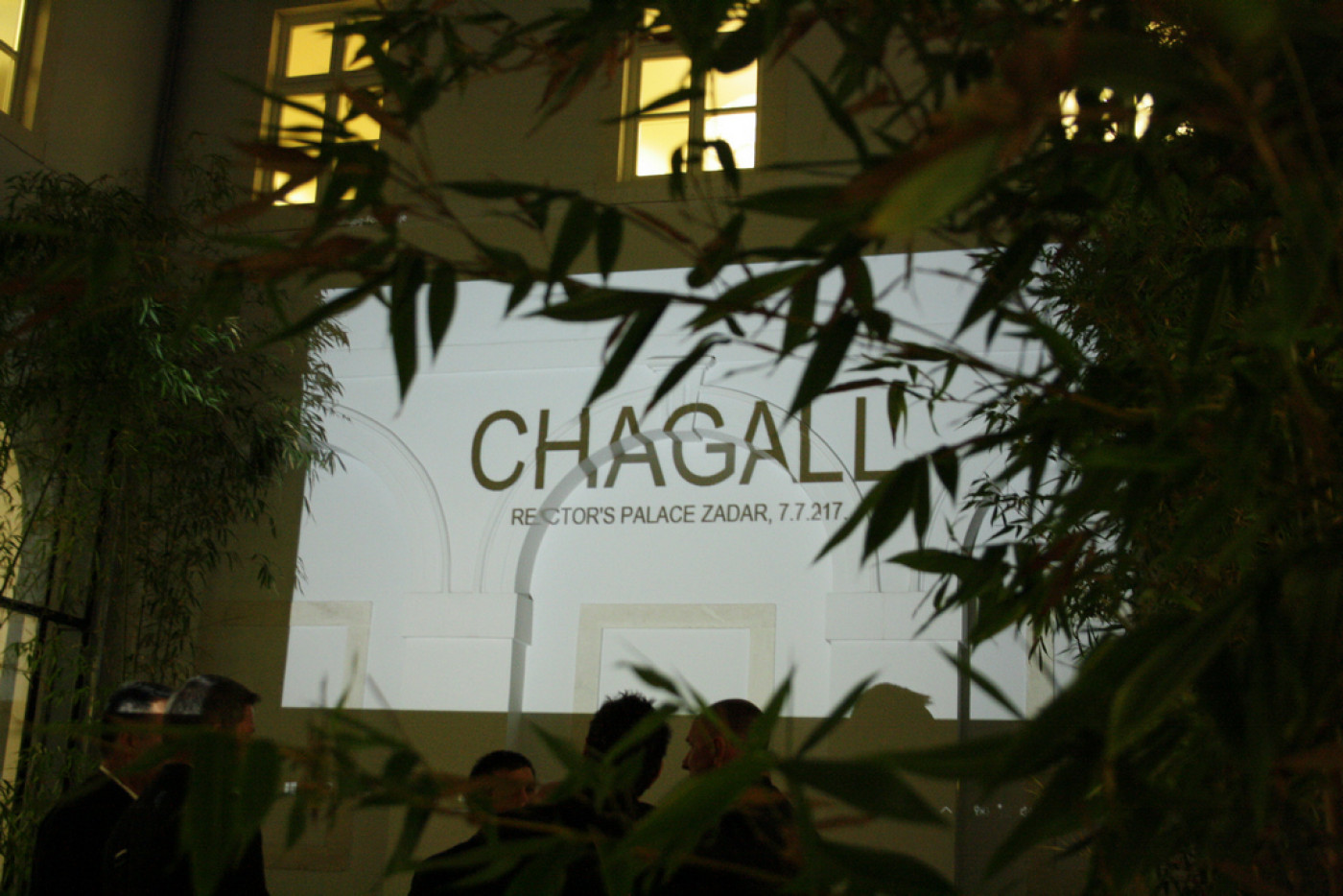
The Rector's Palace is recognized as one of the most attractive city locations, so it very quickly hosted many occasional and event exhibitions, concerts, theatre performances, an international film festival, diplomatic and city receptions. For their design of the Temporary Exhibition Hall, Rector's Palace in Zadar, architects Letilović and Pedišić won the prestigious award of the Association of Croatian Architects, Bernardo Bernardi, category of outstanding achievement in the field of design and interior design in 2011 in Croatia.
Three years later, there began the implementation of the project Reconstruction and tourist valorization of the cultural and historical complex of the Rector's Palace, financed by the EU grants from the structural funds. Thus, after ten long years, the renovation works on Museum 2 were completed. The third phase of renovation and conversion of the block of buildings, which should round up the story of the most significant investment in Zadar's cultural heritage, is currently on hold.
In the future, the Rector's Palace, together with the neighbouring Proveditor's Palace, will be used as a museum to house the Heritage Museum, which will mean assembling all the current Zadar National Museum departments in one place. With the support of the City of Zadar, a proposal for a conceptual plan for the Heritage Museum was submitted by museologist Tomislav Šola, former museum director Hrvoje Perica and the museum staff. At the same time, the programme basis was drawn up by the architectural bureau Urban Techniques. The conceptual and main projects were drawn up by architects Pedišić and Letilović from the Zadar architectural office AB forum.
The Proveditor's Palace itself is a monumental building that dominates the eastern part of the historical nucleus of the city of Zadar, where throughout history, the institutions of the city government were located. Proveditor's Palace, together with the neighbouring Rector's Palace, is one of the few parts of the city that was not destroyed in the bombardment of the town of Zadar in World War II. Still, it has lost the urban, social and architectural significance it had for centuries.
The oldest part of Proveditor's Palace dates back to 1607 and was upgraded over the next 300 years. Due to its exceptional cultural and historical importance, the Proveditor's Palace was included in the Register of Immovable Cultural Monuments of the Republic of Croatia in 1978. With its size and exceptional location, and architecture of significant ambient value, the Proveditor's Palace complex has an extraordinary potential to become the most important cultural centre of the city of Zadar.
Guarda il video
.
Vuoi saperne di più?
Proposte
Lifestyle
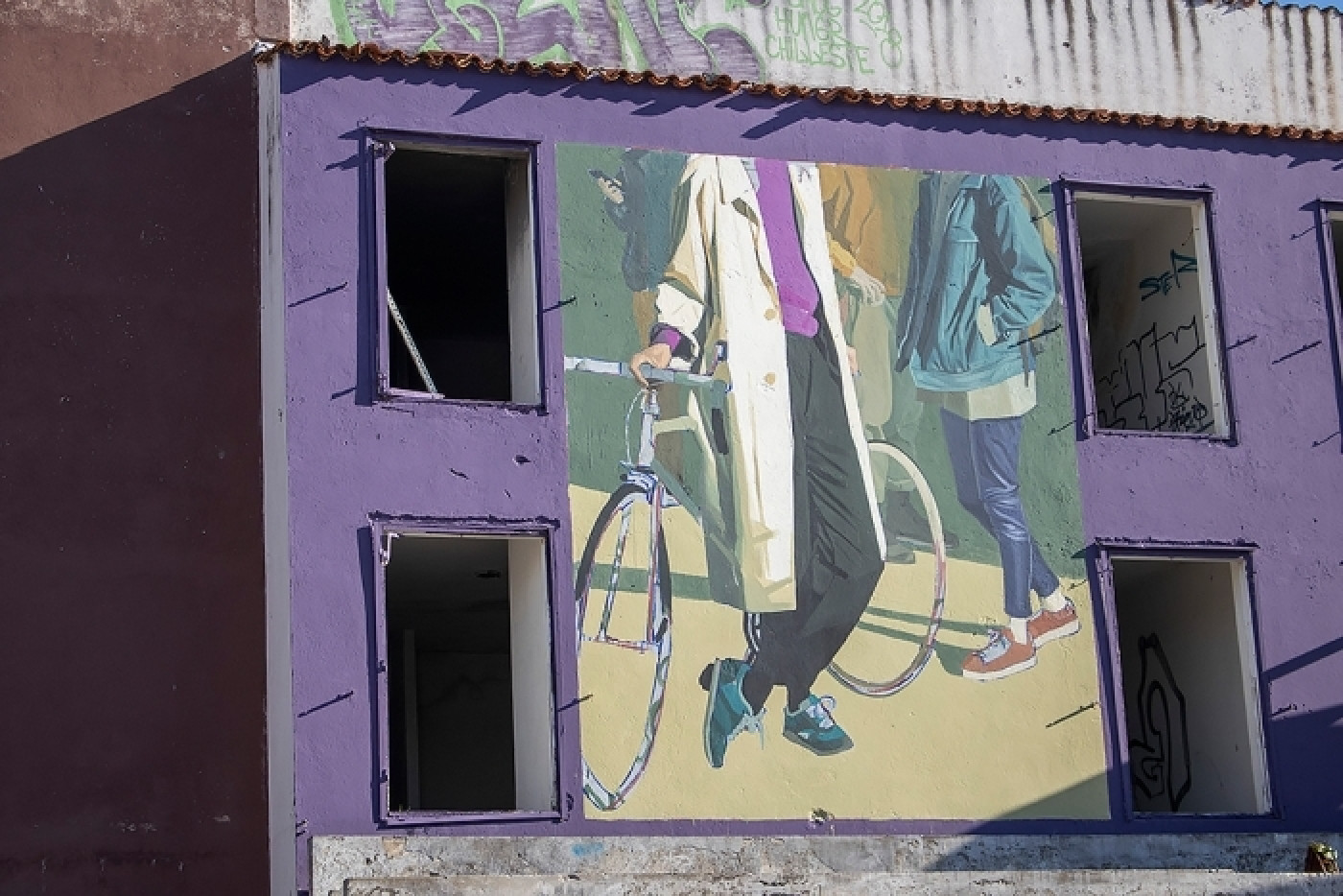
A Mural in Zadar Dedicated to Artistic Creation and Youth Culture
10.12.2020.
Gastronomia
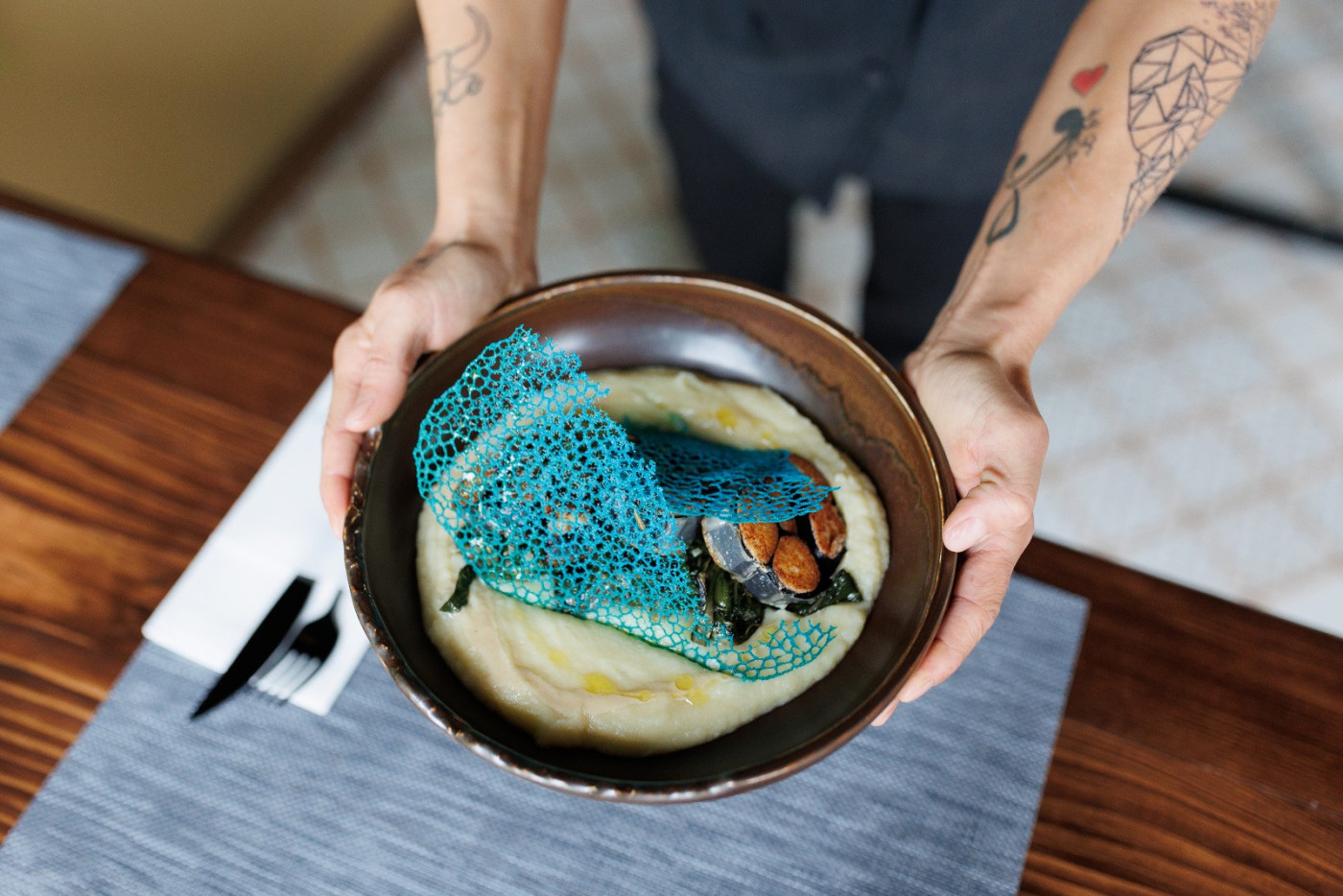
The Botanist | Vegan Restaurant Deep-Rooted in the Mediterranean Gastro Heritage
26.05.2023.
Novità
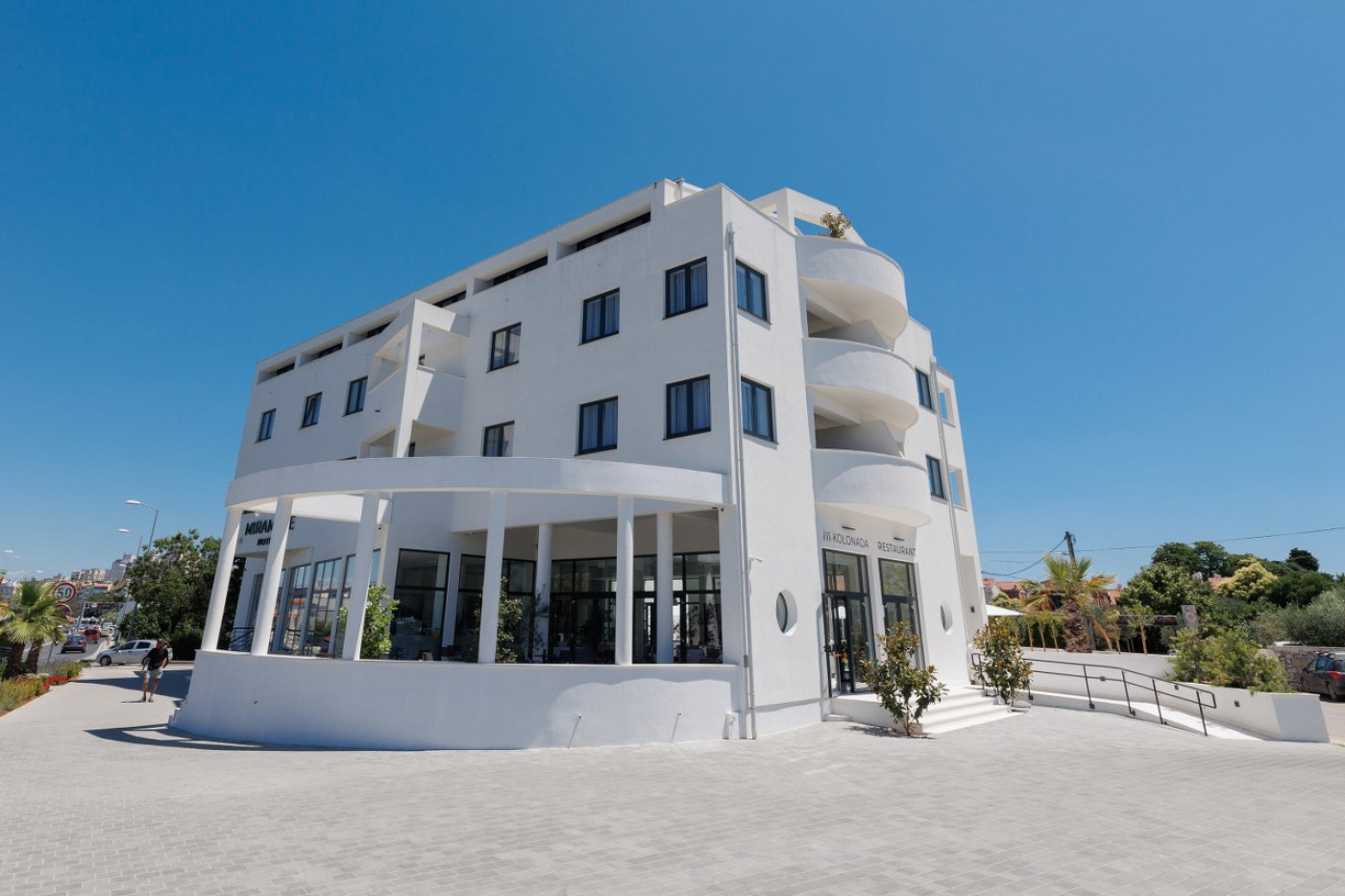
Zadar is Richer With a New Urban City Hotel Miramare
12.07.2023.
Gastronomia
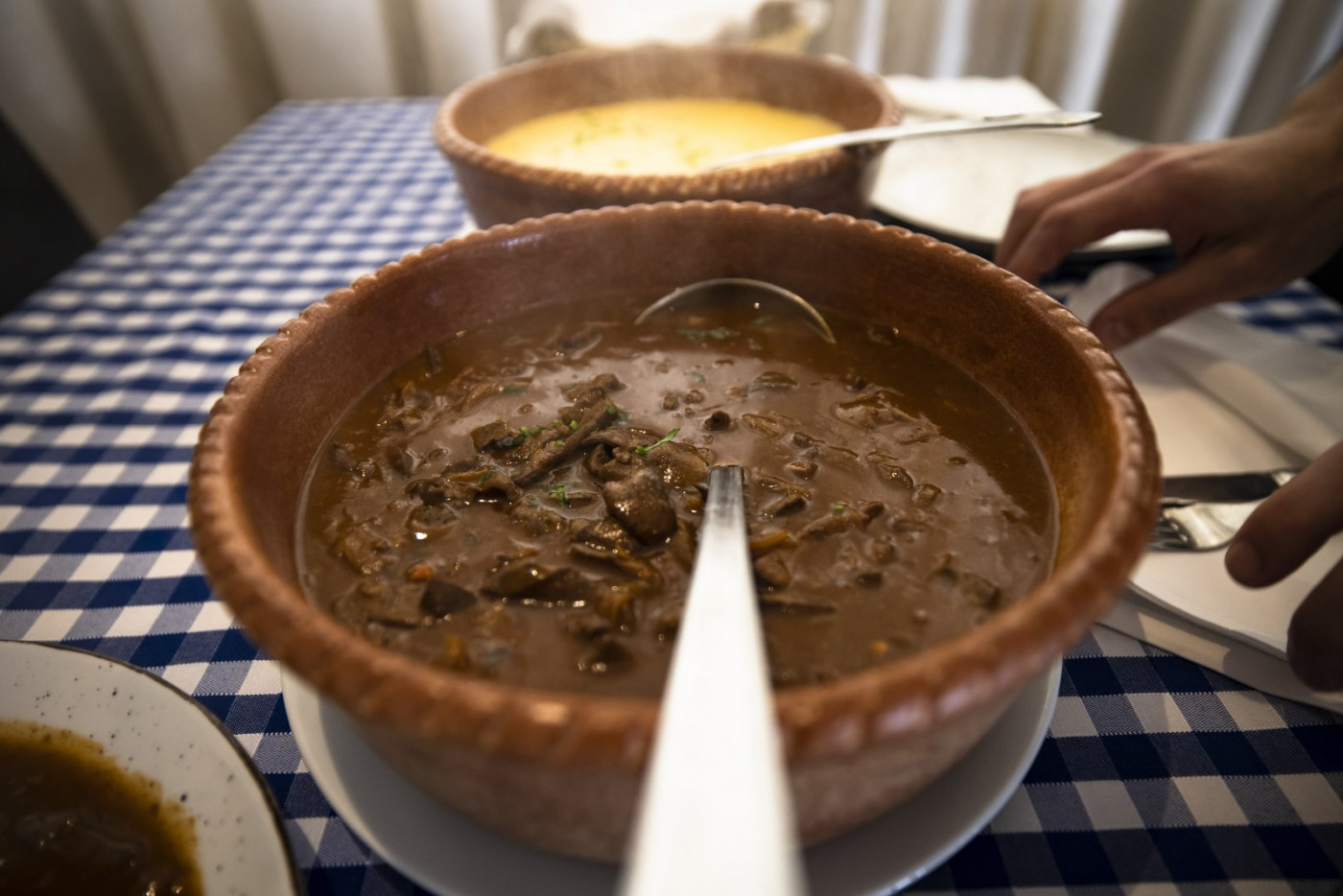
Venetian-Style Liver - a Testimony to the Common History of Zadar and Venice
28.02.2022.