
28.08.2025.
Guardian of Tradition: The Story of the Iž Earthenware Pot (Lopiž)
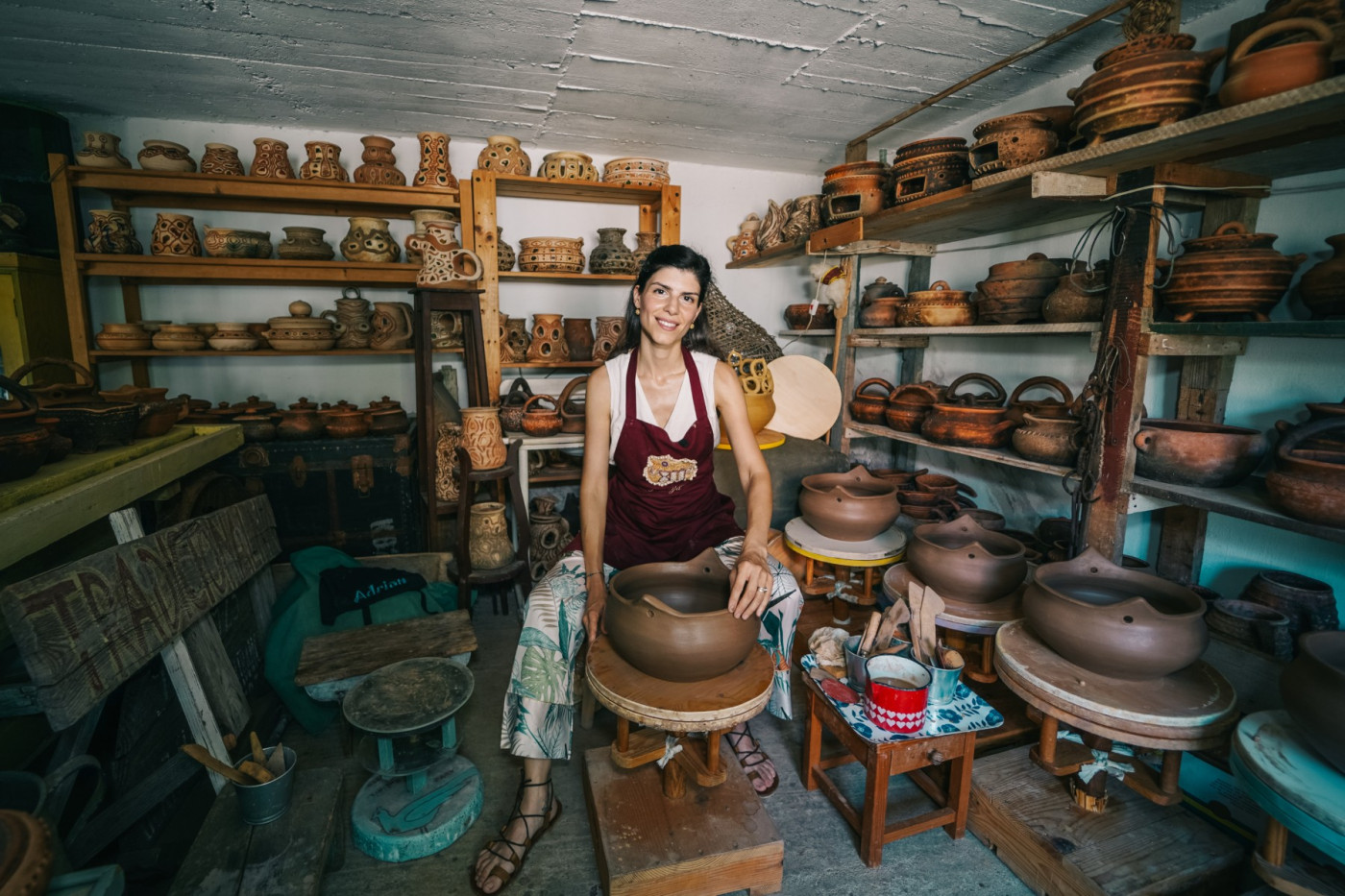
"I am Nika Petrović Grilc, an Iž potter, and I am glad to welcome you today to Lopižarevi Dvori, to our tavern and also to my father’s studio, which today is my workplace," warmly greeted this young, talented artist, creator, and guardian of the Iž pottery tradition, on the doorstep of her home in Veli Iž.
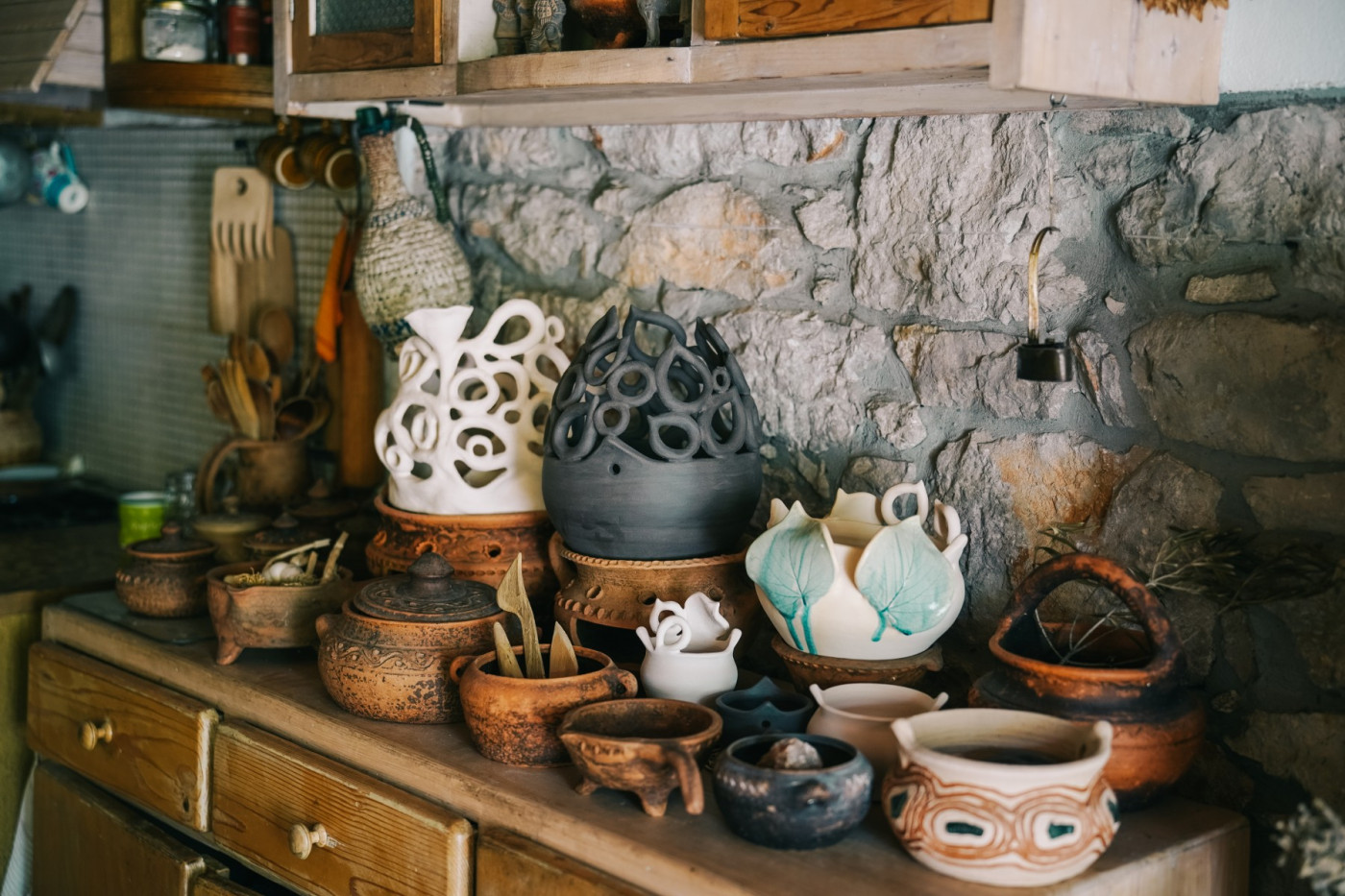
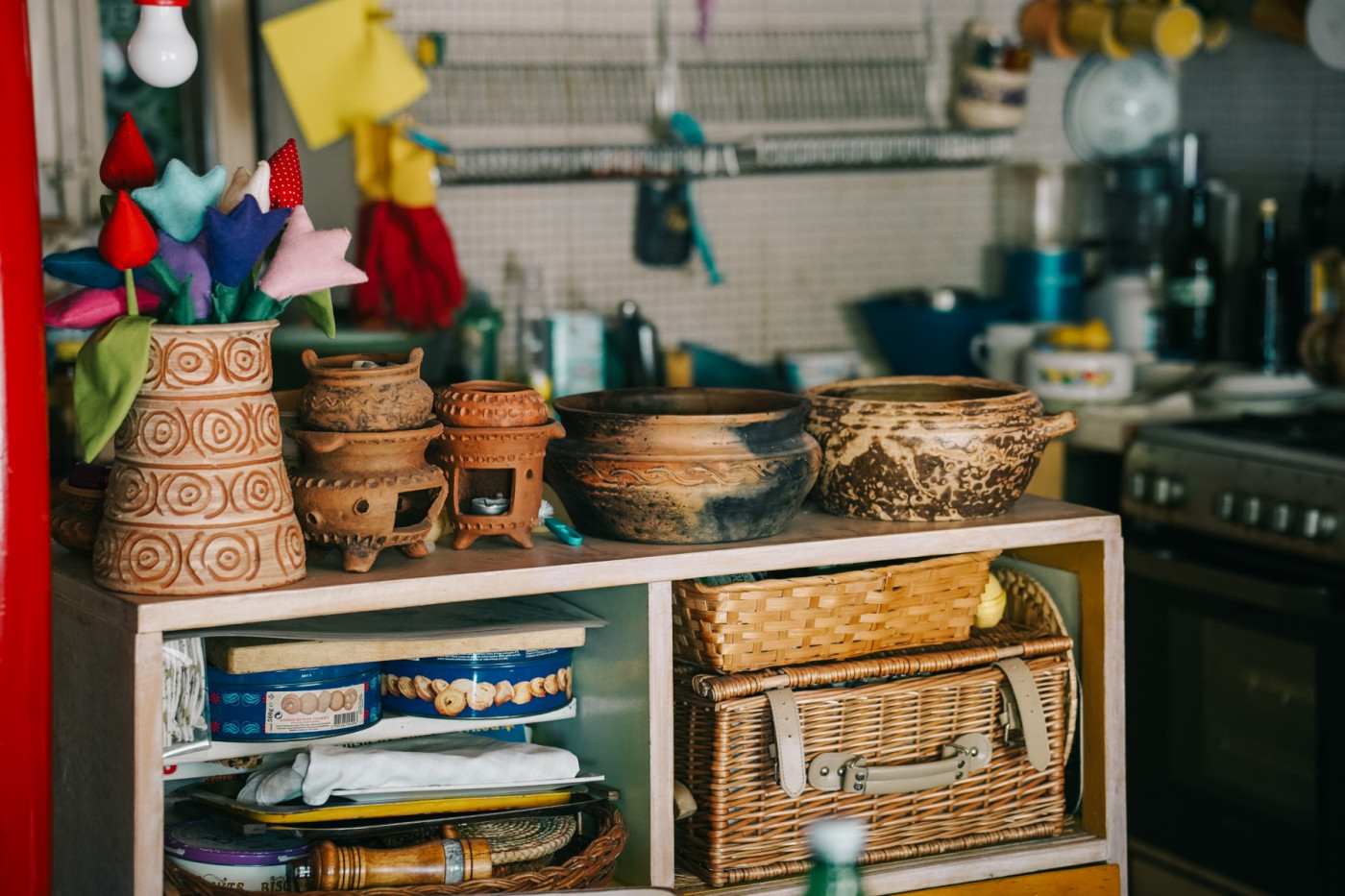
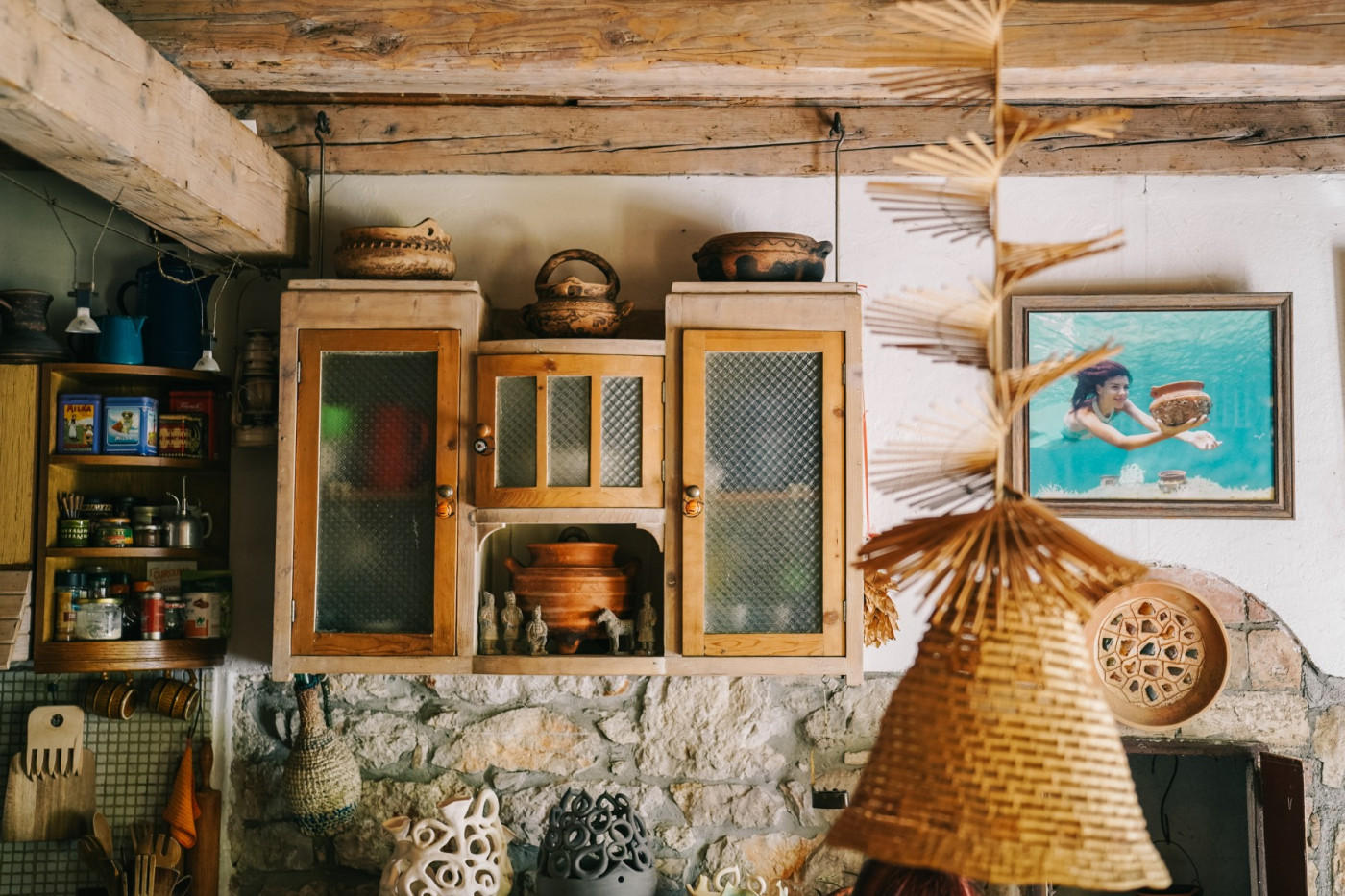
A visit to her family home is a unique experience that leaves no one indifferent. The old island house, where you can almost hear the walls "breathe," is a kind of museum with the finest and most authentic examples of lopiž, credited to Nika’s father, Predrag Petrović – Pepi, a renowned Iž potter whose works have reached all parts of the world.
Today, many years after his passing, his daughter proudly tells the story of the tradition her father rescued from oblivion, preserved, and passed on to her. She smiles as she recalls the first time he placed clay in her hands. Back then, of course, it was just a child’s game, but from it grew Nika’s love for this traditional craft so deeply rooted in the island of Iž.
"Every time I sit at the wheel, every time I take clay in my hands, I feel like the two of us are continuing a conversation from ten years ago, and that is our way of communicating through these vessels. And whenever I visit friends or acquaintances, and see his pots in their homes, as here for example, I feel his presence through those pieces he loved and created with such passion," Nika explains while guiding us through her studio, where she makes both traditional and contemporary lopiž on her hand-operated wheel.
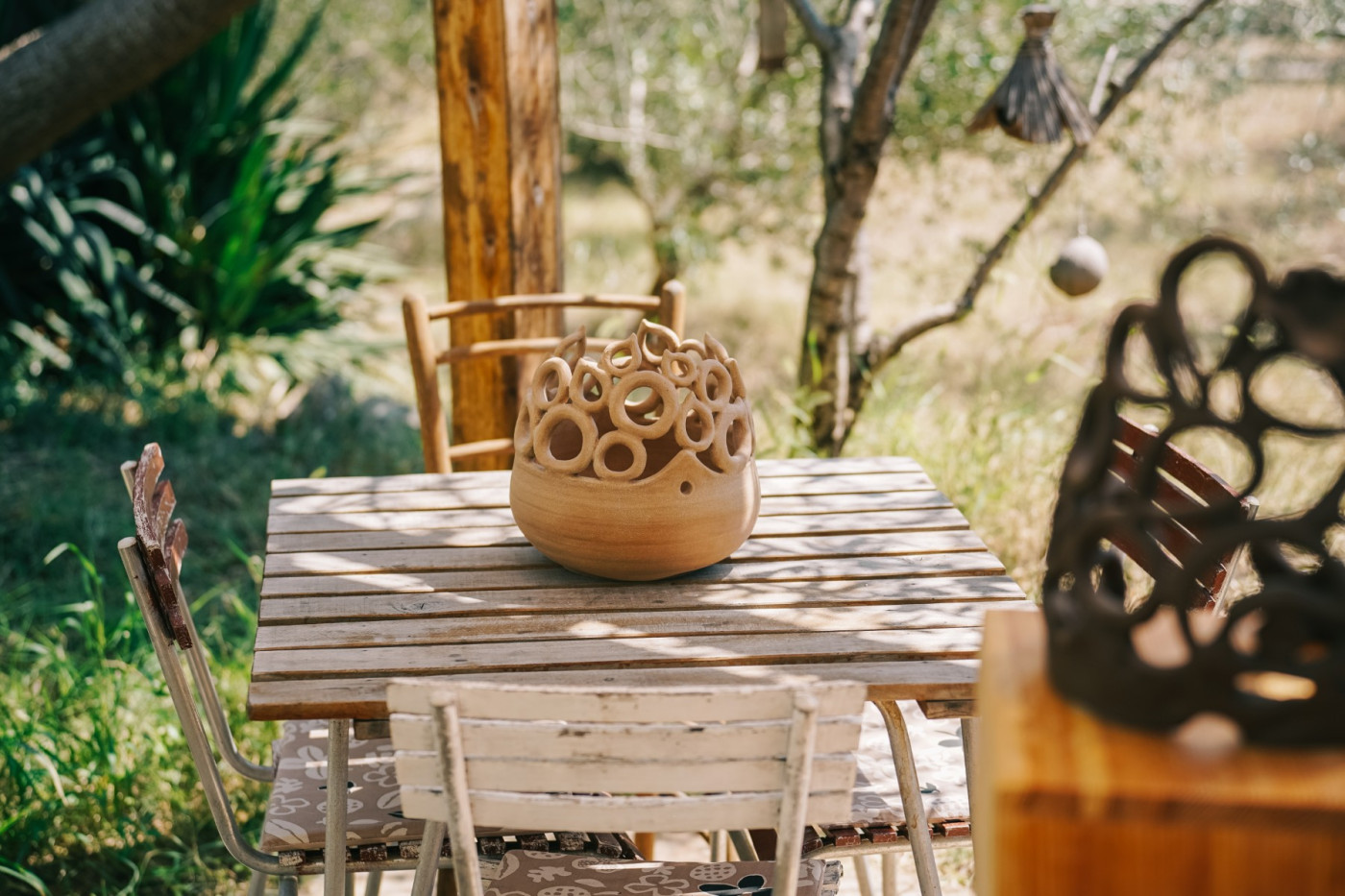
Her works can also be seen in the house’s courtyard, displayed on pedestals, catching the eye of every visitor.
Nika is now the last potter of Iž, something that might sound like the title of a film, yet it is true, and she is immensely proud and honored by this role.
Her first encounters with clay, naturally, were with her father.
"In fact, I only remember them from photos because I was so small, maybe about one year old. While he was working, he would give me a lump of clay to play with beside him. I have pictures where I am sitting in a baby feeding chair, kneading clay happily while he works on the wheel. For me it was always a game, there was never any pressure, but my love and interest grew with time, and I learned to work on the wheel and shape all the forms of traditional Iž pottery. That’s when I realized this was not just a game, but my calling."
Predrag Petrović preserved from extinction the tradition of making lopiž that was once known only to a handful of elderly craftsmen. Today, Nika carries the responsibility of preserving that same heritage.
"But I wouldn’t call it a burden. For me it is a great honor to carry forward this tradition of our island, to share the knowledge and creativity of our humble islanders through workshops, exhibitions, and demonstrations. People often imagine an island as barren, with scarce water and little to give. Yet out of such scarcity, such resilience and creativity were born, and through honest work people found their bread."
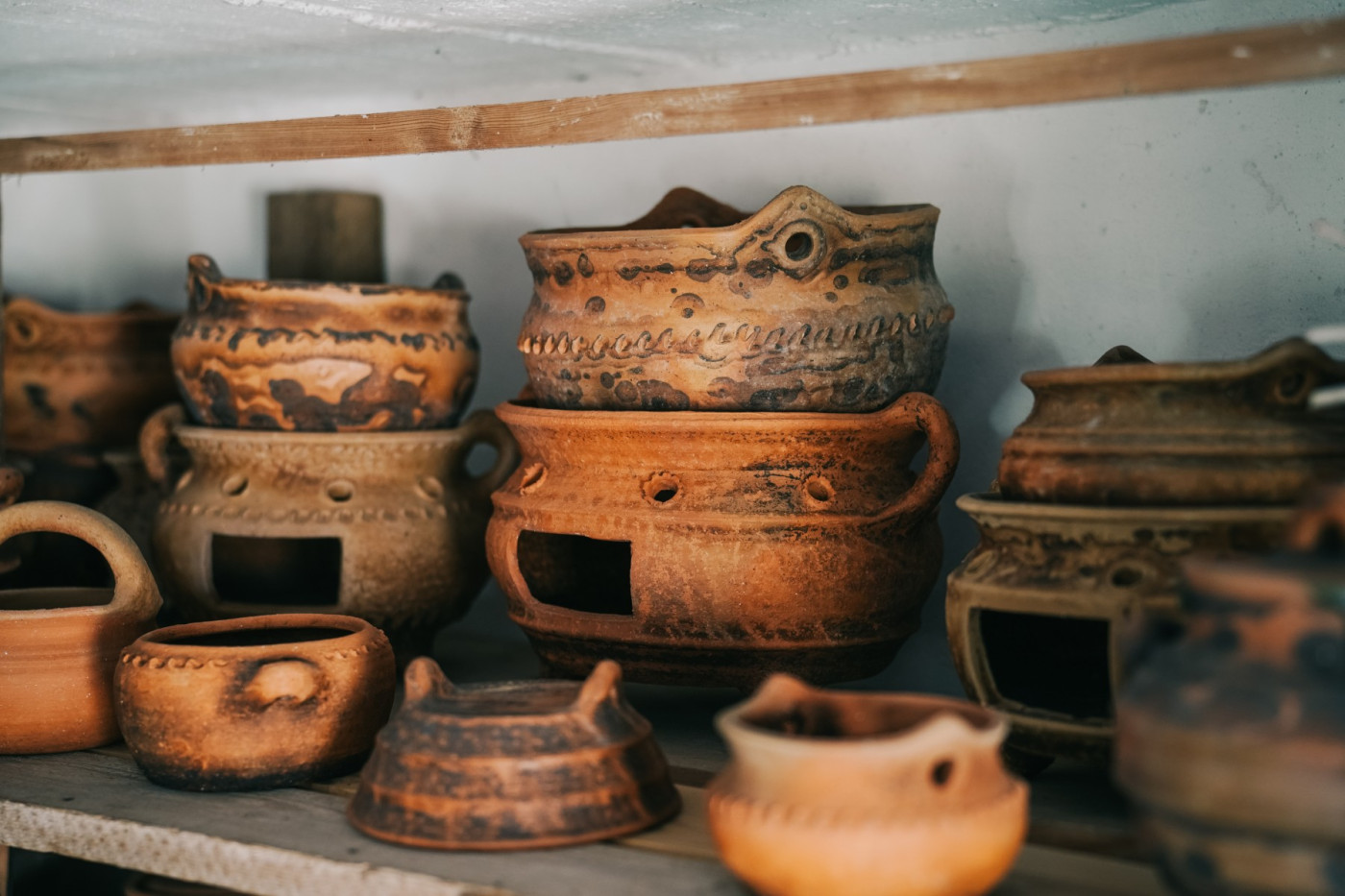
As Nika speaks, we observe her studio where, during our visit, she was just finishing a lopiž. The bowls are beautiful, of various shapes and purposes, with sizes ranging widely. In the family’s main house, besides pottery, there are clay plates and cutlery, along with many other details, some so old and fragile one hesitates to even touch them.
The most remarkable thing, however, is knowing such items still exist and are still used by families who own her father’s pots. One of our colleagues owns such a piece, bought long ago, which Nika’s mother immediately recognized as her husband’s work.
The beauty of tradition lies in its preservation, because handmade objects are everlasting reminders of their creators. Nika’s father faced the difficult task of saving pottery from oblivion and presenting it to the world as something worthy of respect and preservation.
"When I was born, my father, who had studied to become an art teacher and was naturally creative, wanted to create something new. But at that time, pottery on Iž was in rapid decline. Only five elderly potters still made lopiž. He realized that this knowledge, technique, and tradition should not vanish with them. To their delight, he showed interest, visited their workshops, and asked to learn. They welcomed him joyfully and passed their knowledge on, as most of them were retired sailors who cherished the chance to keep working with clay but whose hands could no longer manage it. They were happy to see him carry their craft into the future. And so it was," Nika recalls while finishing a pot on the hand wheel.
Next to her stands a small wheel, once her own, now used by her three-year-old son, who, like she once did, now plays with clay given to him by his mother.
"My son will soon turn three, and since birth he has been immersed in clay. Children love the feel of natural materials, just as they play with modeling clay, so too with real clay. Here is his wheel, his little apron, and he enjoys working with me, without any pressure. He simply plays and enjoys himself, but I am sure he will grow to appreciate how important it is. What he chooses to do with it later is up to him."
Predrag worked on both traditional forms and new shapes, examples of which still fill the studio.
"Both. He revived the traditional shapes, which we see here on this table, but he also created new, contemporary vessels inspired by tradition. His greatest joy, as mine today, was working on the hand wheel. I also use the electric wheel and make contemporary ceramics, but sitting at the hand wheel to shape a lopiž centers me. On chaotic days, I know I will find peace at the wheel. It’s something primal, a bond with our ancestors, and he felt the same."
His works are preserved in the Museum of Ancient Glass in Zadar, as well as in the Ethnographic Museum in Zagreb, which holds an entire collection, and in many private homes worldwide.
"People still send me photos of his pots, showing how they cook in them or display them as decorations. It makes me happy to know the tradition lives on."
Though living with her family in Vienna, Nika, as a ceramicist and multimedia artist, has infused traditional pottery with a modern spirit, even taking her works underwater for photography and video, as well as to the banks of the Danube in Vienna for art performances.
"My ideas are deeply rooted in this tradition, so most of my contemporary works still grow from a lopiž base. I exhibit both collectively and solo, and besides traditional pots for cooking and everyday use, I create contemporary ceramics that live a parallel, modern life."
She is especially glad when young people show interest in pottery. Recently, she led a workshop for archaeology students at the University of Zadar, which drew great enthusiasm.
"It was wonderful to be received with such curiosity and warmth. The most important thing is to have that spark of curiosity. For archaeology students, learning about this wheel, which dates back to the 4th century BC, and the coiling method is priceless knowledge. They usually find fragments of ceramics at excavation sites, and now they can understand how and why they broke. Each of them, within an hour, managed to create a lopiž fit for cooking. It was both fun and meaningful, especially for them as students."
Visitors to Veli Iž also show great interest in seeing Nika at work, making her studio both a cultural and tourist attraction.
"Many people come, especially because this place was once a sales exhibition center, known not only in Croatia but abroad as well. Tourists seek out traditional Iž pottery. This summer, I had the honor of being the first resident artist at a newly opened art house here on Iž, where I created with open doors for three weeks, welcoming visitors who could watch pots being made in the very birthplace of the tradition. That made the experience particularly meaningful."
As Nika carefully finished shaping the pot before us, she described the traditional technique: starting with a clay patty fixed to the wheel as the base, then spiraling coils of clay, smoothing with simple tools—the spike, the spreader, and the rib. Only minimal water is used, reflecting the island’s scarcity of it.
The clay itself, unique to Iž, turns a beautiful terracotta red when fired. It is mixed with calcite sand, called "vrsta," which strengthens the vessel against the shock of open fire cooking. These pots are fired at relatively low temperatures (850–900°C), keeping them slightly porous, which makes food taste better.
She explained the preparation of pots before first use: rubbing with olive oil or boiling milk in them to seal the pores, after which they are ready for cooking. Slow heating is key to preserving them.
Anyone who has cooked in a lopiž knows how much tastier the food becomes. Nika too loves to cook in them on special occasions, describing it as a ritual of devotion to both food and the vessel, enriching the dining experience.
Her latest pot was completed just in time for us to witness its "birth," joining the many others in the family home that stands as a museum of Iž pottery.
Thus, in Veli Iž, the story of the lopiž lives on—a humble vessel, yet a great symbol of island tradition—lovingly preserved from oblivion by its last master. Perhaps, hidden somewhere in your own home, there is such a treasure waiting to be rediscovered.
Guarda il video
.
Vuoi saperne di più?
Proposte

Gastronomia
Delicious Winter Cake and Five Types of Hot Chocolate at Coffee&Cake
02.12.2021.

Novità
Polish Tourism and Media Representatives Landed in Zadar on a Special LOT Flight
29.05.2021.
Eventi
Stories of Women in the Archeological Museum in Zadar – a New Exhibition
05.10.2023.

Eventi
Magical Winter Fairy Tale at the Cedulin Palace
07.12.2021.