

05.01.2022.
Pašticada, the Most Famous Dish of Zadar and Dalmatian Cuisine
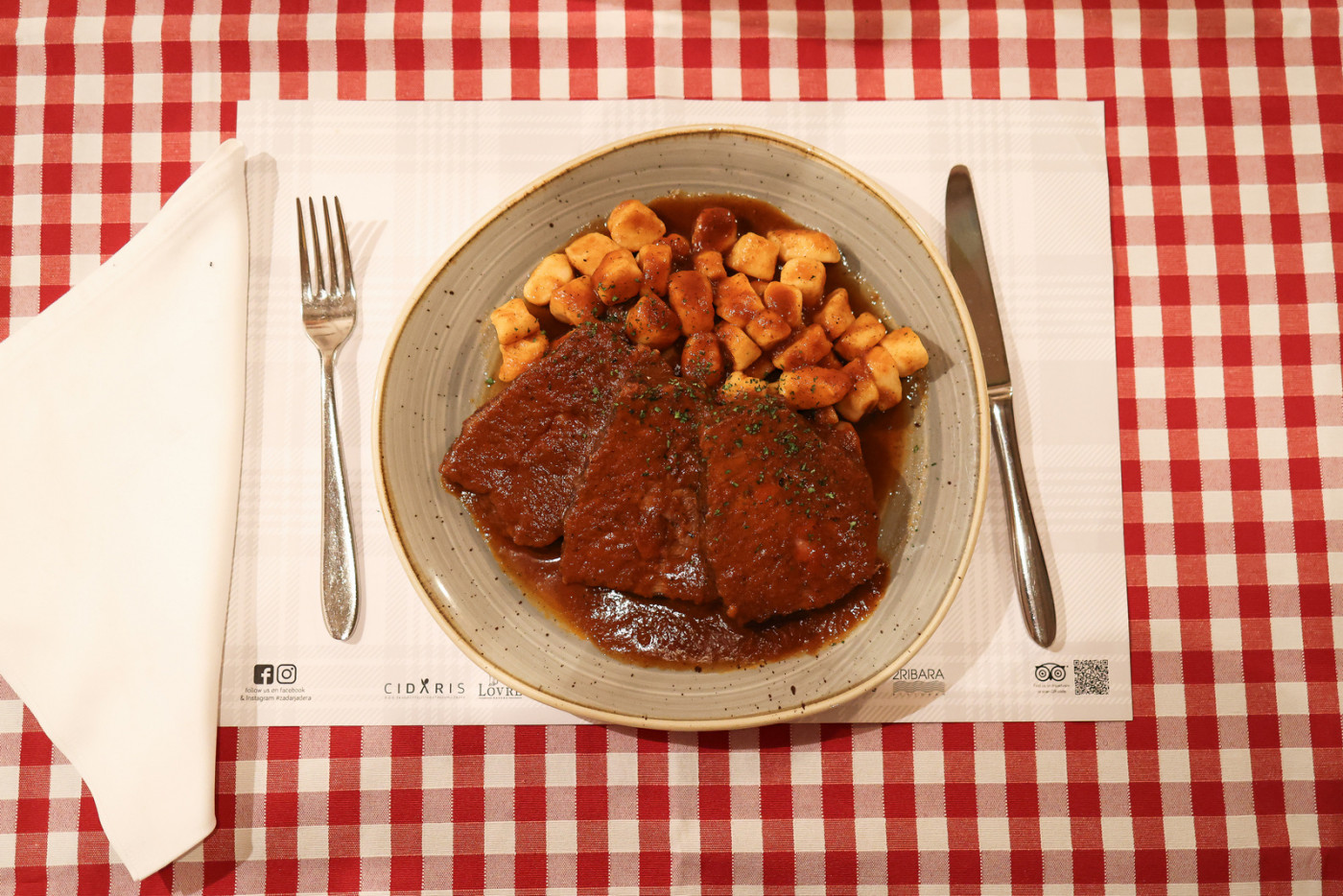
When in Zadar and other parts of Dalmatia the host wants to prepare a particularly festive and special meal for his guest, or when he wants to present the best of local cuisine and give an example of a long culinary tradition of this region, Pašticada will be served. And there are almost no guests from this area, provided, of course, that they are fans of meat bites, who will not instantly fall in love with those great soft beef steaks (today more often veal) stuffed with bacon, carrots and garlic and long and carefully cooked in a sour-sweet-salty creamy sauce. And served with gnocchi (in Zadar, do not ever call them dumplings!) made of potatoes, flour and eggs.
Culinary pearl that has travelled through time - it witnessed the fall of the Roman Empire and has travelled for many centuries to reach today's tables
It is not a coincidence. Apart from being a great and filling dish full of aromas and scents of the Mediterranean, the culinary history of this region has also arrived on the plate together with Pašticada. For a long time, this culinary pearl travelled through time to be a part of our festive table today, and it also testifies to the historical connection of the people along the Adriatic, the Italians on the one hand and the Croats and their Illyrian predecessors on the other side of this sea. Zadar and Dalmatia were a part of the Venetian Republic for four centuries, and after that turbulent history, full of both good and evil, as testimonies of time, there remained, among other cultural goods, some dishes and gastronomic habits that are almost identical on the eastern and western side of the Adriatic Sea.
Namely, as in Zadar, the capital of Venetian Dalmatia for centuries, Pašticada is a specialty in Italy, more precisely in the province of Veneto, in Verona and Venice. Unlike the Dalmatian Pašticada, which always made of beef, the Venetian version is prepared from horse meat (Pastissada de caval). This fact also reveals the point in history from which the dish originates. It was the end of the 5th century, at the time of the fall of the Roman Empire and the beginnings of the Middle Ages. The leader of the barbaric Herulian tribe Odoacer, who had previously overthrown the last Western Roman emperor Romulus Augustulus, was killed by the mighty Ostrogothic king Theodoric the Great at a reconciliation dinner in Ravenna. In the previous years, their armies had fought rough battles for Soča, Milan and finally Ravenna, after which many killed horses remained on the battlefields, along with the slain warriors. The hungry population, with Theodoric's permission, began to use meat that was already on the verge of going bad, by keeping pieces of meat in red wine and a mixture of spices such as laurel, rosemary, onions and other vegetables for a long time. As the horse meat is lean, brittle, the recipe for Pašticada also included lard, bacon or pancetta in the form of sticks that were inserted into the meat and cooked like that for a long time with lots of fruit and vegetables, some water and red wine.
Venetian Pastissada is made of horse meat, and Dalmatian exclusively of beef
Pašticada, obviously, survived the Middle Ages after that, its recipe was perfected, so it reached Dalmatia and Zadar via Venice. Here, however, horse meat is not used, but the hardest and the least fatty part, fricandeau, the dry part of beef hind leg. In its characteristics, fricandeau is most similar to horse meat. All other ingredients, as well as the basic recipe for Pašticada, (although there are many similar versions) are the same today in northern Italy and in Dalmatia.
The most competent connoisseur and researcher of the history of Dalmatian gastronomy, the man who wrote the most beautiful sentences about food in Dalmatia, Mr Veljko Barbieri, once said: "Pašticada lasts through history, and there is no Dalmatian or seaside town that does not boast that the finest recipe for Pašticada is surely theirs. So, every community has its own Pašticada and each family has its own recipe. Because food also represents the history of our “I” and that is why it is natural for everyone to defend the cuisine they grew up on. Beyond all its festive meaning, this old beef stew in wine, prosecco, kvasina (vinegar), spices and vegetables, surpassed exclusively hedonistic frames and dug out the old source of permanent gastronomic disputes of Dalmatian foodies, related equally to the ways of preparing Pašticada, in addition to its original flavours and origin.“
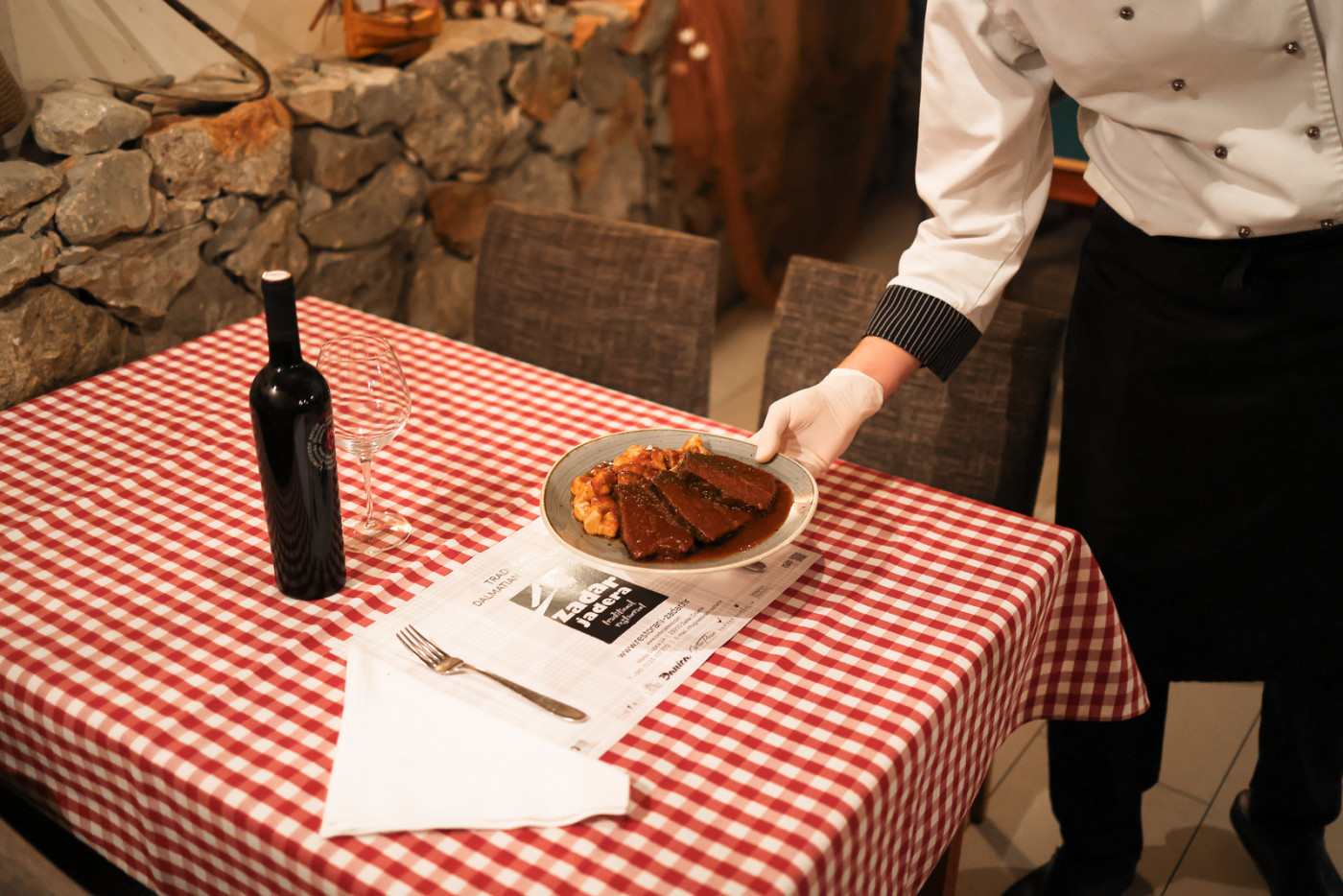
Pašticada is prepared by the chefs of many Zadar restaurants and taverns (konobe). That is also the case at one of the oldest restaurants in Zadar, in the heart of the old part of the city, the peninsula, "Zadar Jadera" restaurant. This restaurant was opened back in 1963, and is located right next to one of the most beautiful churches in Zadar, the one of St Chrysogonus, a Romanesque building built in the 10th century, named after one of the four patrons of the city of Zadar. In "Zadar Jadera", they put together a menu with selected meat and fish specialties from Zadar and Dalmatia, as well as a number of local, comfort dishes that are also prepared in Zadar households.
How do they prepare it at "Zadar Jadera" Restaurant
It is on the level of a hedonistic sin to come to Zadar and not to try angler prepared in the different ways of this restaurant: baked with prosciutto or “in the Dalmatian way” with lots of local vegetables. But this time, of course, the young chef Dino Petrić and his assistant Bruno Šimić prepared Pašticada according to a recipe followed by generations of chefs who used to cook at “Zadar Jadera”.
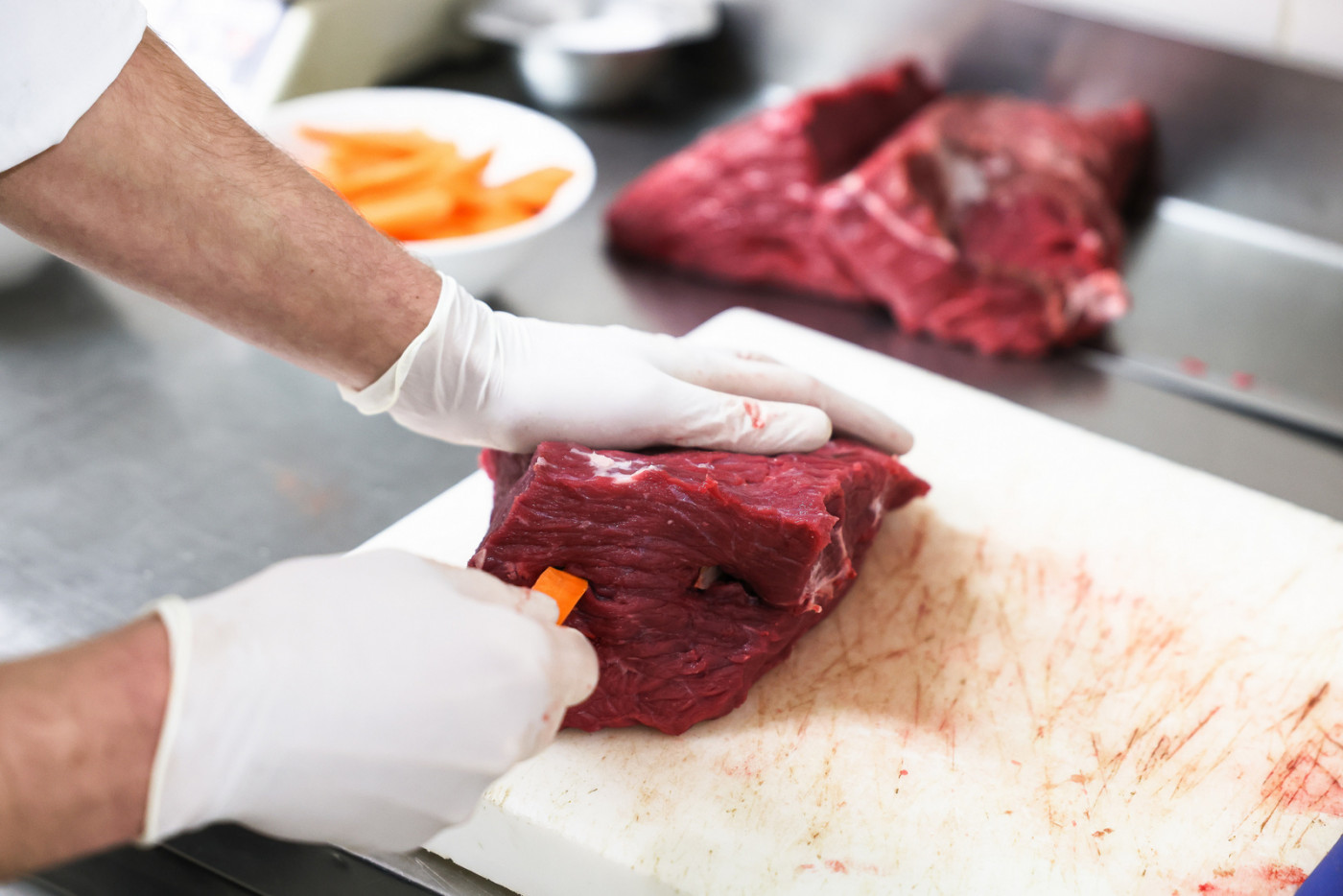
So, chef Dino stuffed large pieces of fricandeau (he cooks up to 50 portions at a time) with long sticks of carrots and prosciutto through the very middle of the meat, and put garlic on small pockets on the outside. The meat soaked all night in marinade, a mixture of water, wine and vinegar, with lots of onions and garlic, laurel and rosemary. On the second day, he dried the meat, coated it with mustard and then fried it in oil on all sides. He then put it the oven and baked it at lower temperatures, and tossed pieces of onions, carrots, garlic, apples, prunes, prosciutto, laurel and rosemary in the same oil. When the vegetables changed colour and released their aromas, he returned the meat in the oven, topped it up with a minimal amount of water and mashed tomatoes to keep the meat immersed and let it cook for more than two hours. Of course, salt and pepper are obligatory spices of this dish. Just before the end of cooking, he took the meat out someplace warm and added a few decilitres of red wine to the sauce. When the alcohol evaporated and the sauce got reduced, all the ingredients were mixed and mashed until a thick creamy “sugo” (sauce) was obtained.
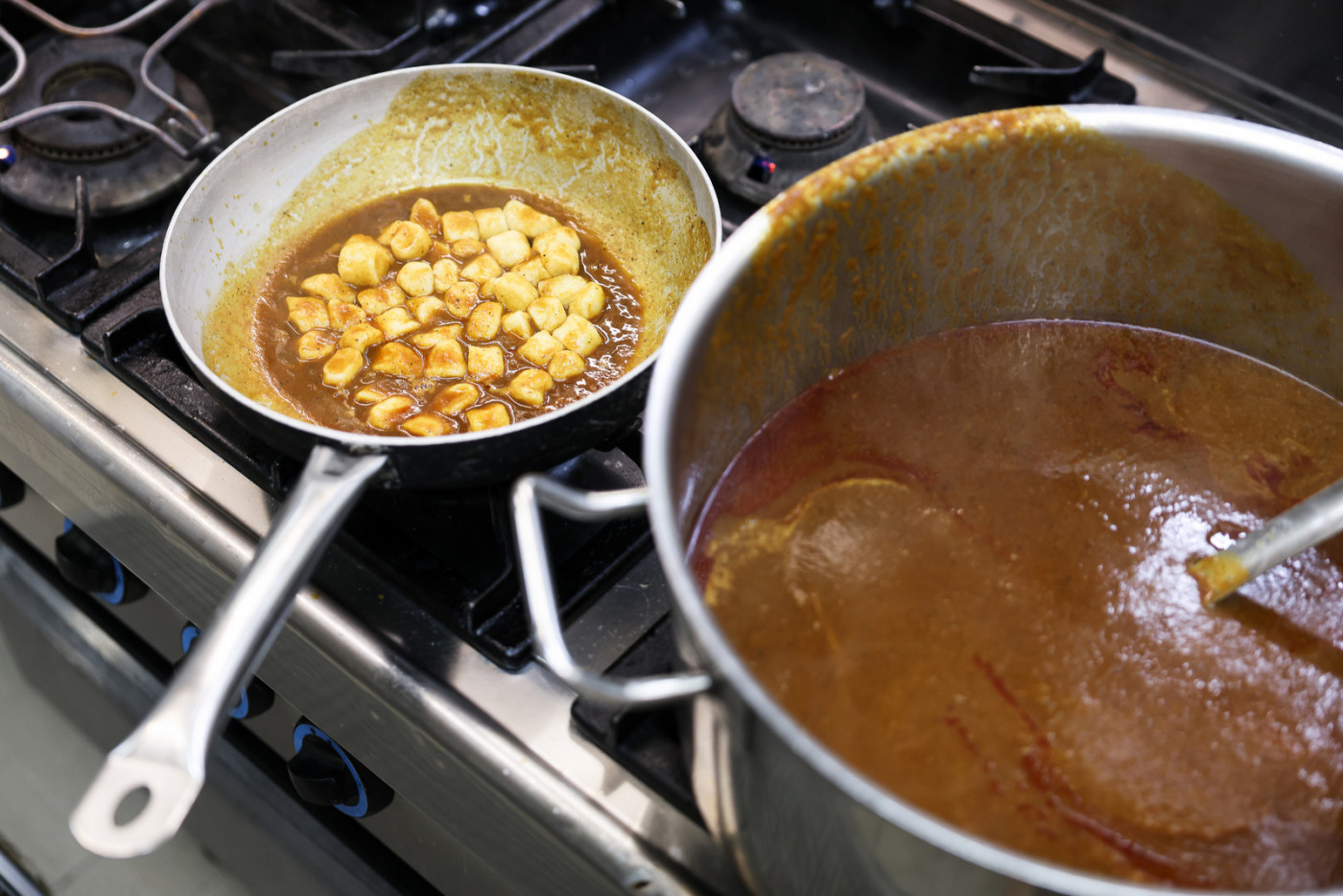
Meanwhile, the chef's assistant Bruno, kneaded and cooked gnocchi, Pašticada’s all-important companion. When the gnocchi were cooked, he poured a small amount of sauce over them, and the dish was served by placing a few pieces of meat next to the gnocchi and pouring the sauce over them again.
In another restaurant and with another chef, professional or amateur, the Pašticada recipe might be a little different, with the addition of some other spices like nutmeg, cinnamon, vinegar and even honey, but as the gastronomic historian Barbieri concluded, the recipe for Pašticada is an endless topic of discussion for both chefs and fans of this great dish in Dalmatia.
And everyone, just everyone who has tasted Pašticada at least once, even just the sauce in the way prepared by “Zadar Jadera” Restaurant, says that it is great, aromatic and supple, just as it has to be in this area. So, if you have already arrived in Zadar, you should look for it here.
Guarda il video
.
Vuoi saperne di più?
Proposte

Eventi, Lifestyle
Zadar Christmas Market 2022
04.11.2022.

History
Body of the Saint Who Held the Child Jesus in his Arms Is Found in Zadar
08.10.2021.

Eventi, Sport
The First Edition of Sunset Sports Media Festival Has Ended
14.06.2022.

Eventi
Glass for Eternity – the Exhibition of the Young Austrian Peter Kuchler III
27.06.2022.