
24.03.2021.
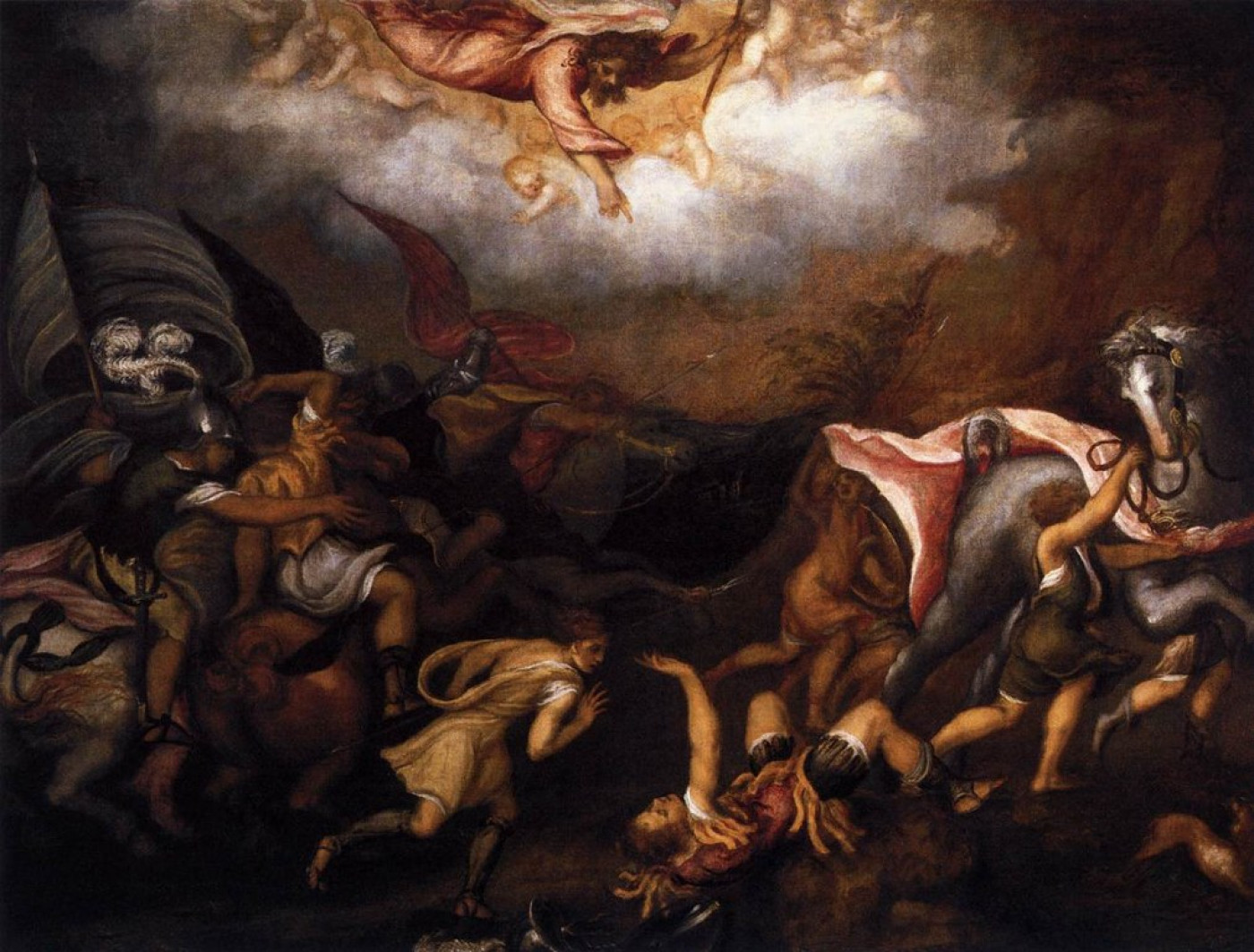
Andrija Medulić, the great Venetian Mannerist Painter, was born in Zadar
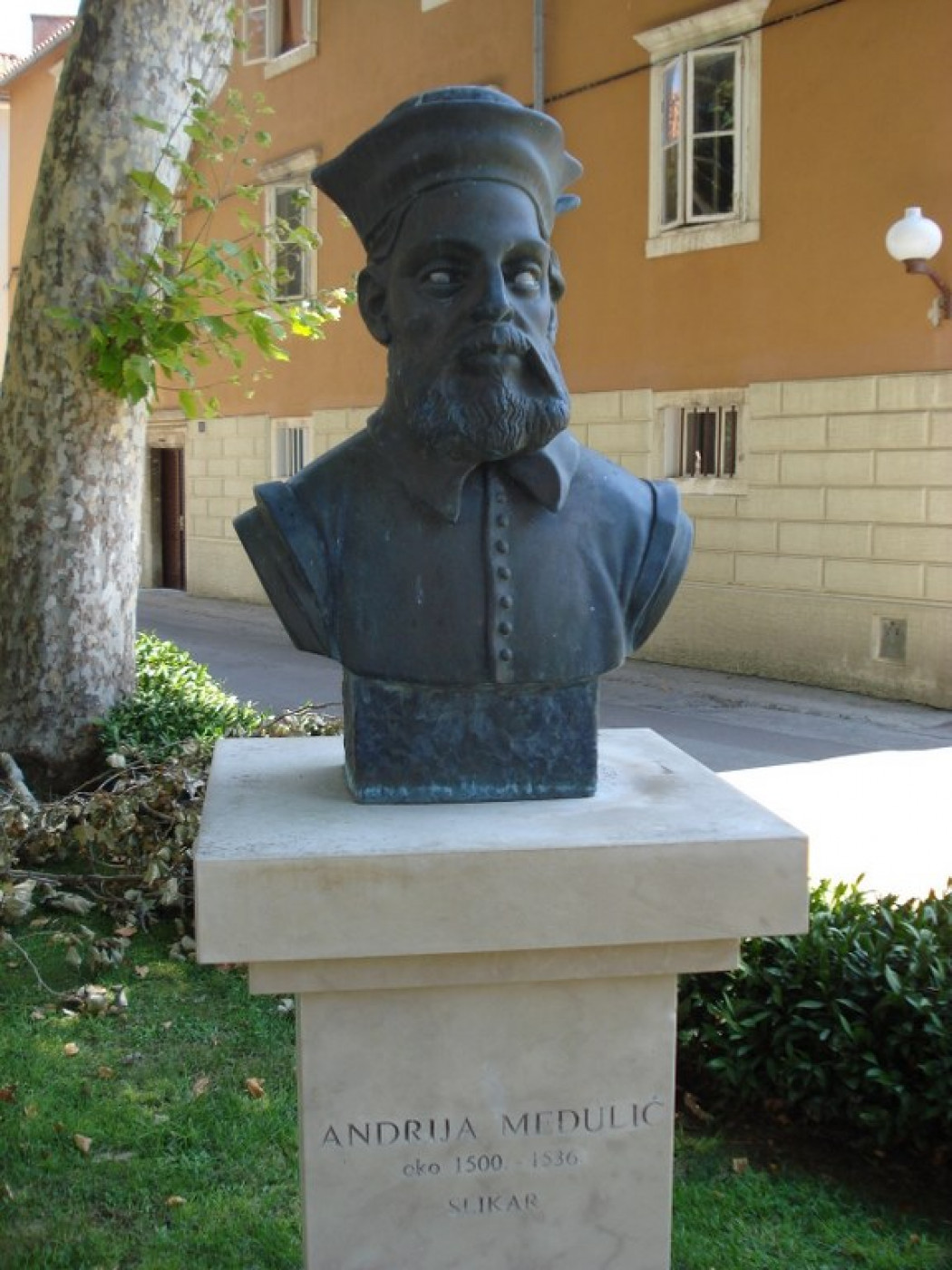
One of the greatest Venetian painters of early Mannerism, Andrija Medulić, was born in Zadar as Andrea Meldolla at the beginning of the 16th century (around 1510) in a Venetian military family.
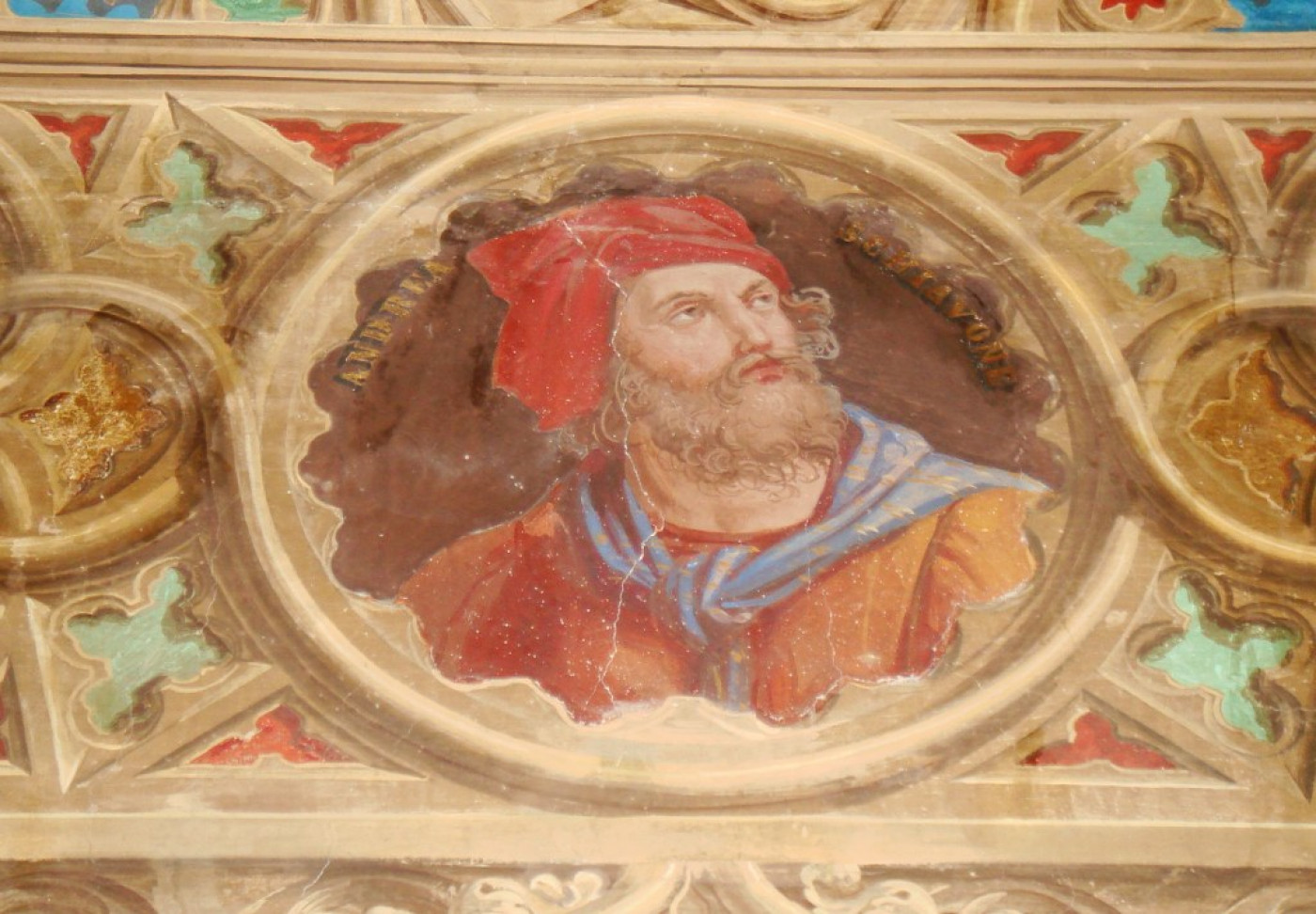
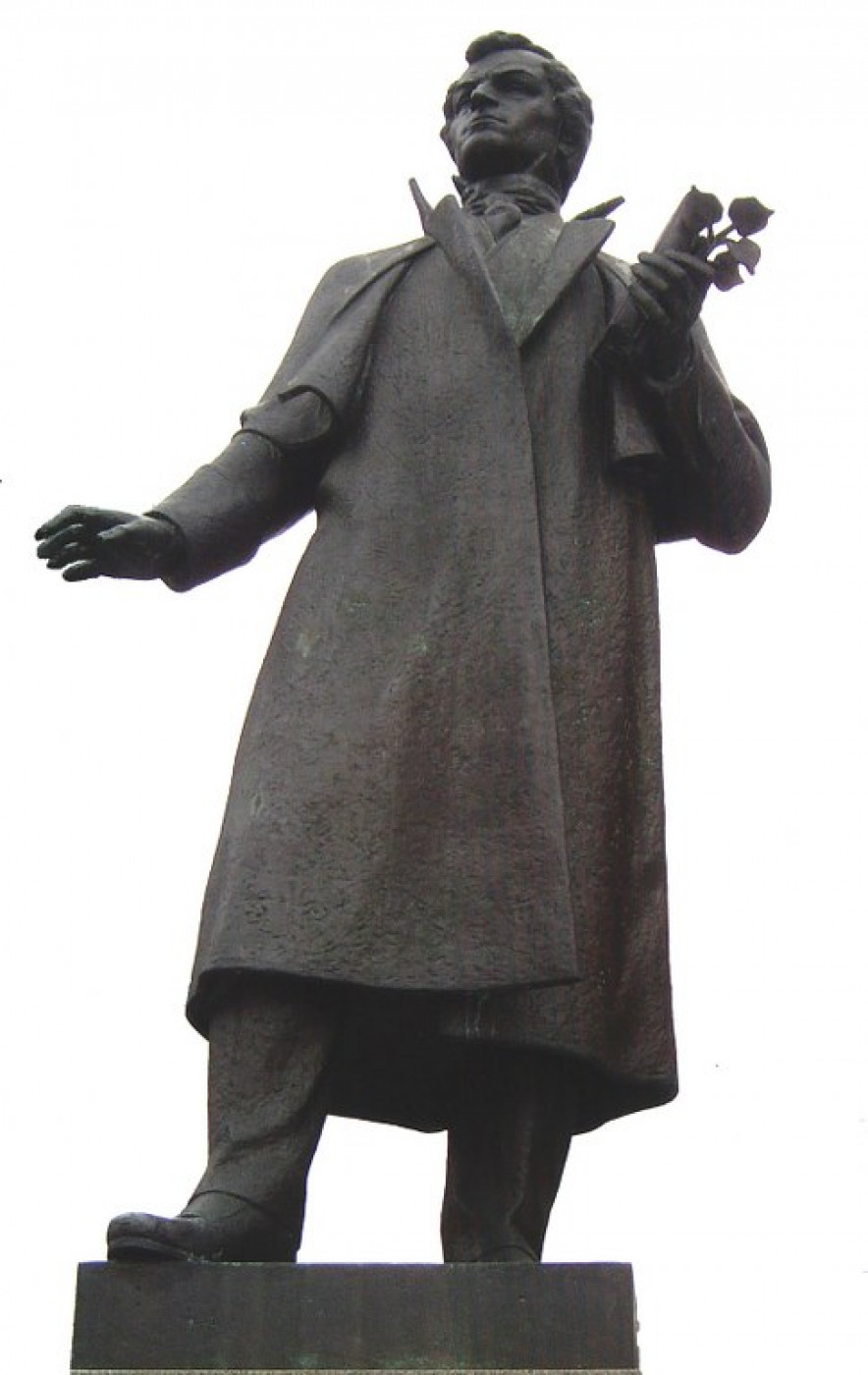
After moving from Zadar to Venice shortly before the early 1540s, he became known as Andrea Schiavone, a famous Venetian-Zadar Renaissance painter and graphic artist, whose name was considered unjustifiably slavicized into today's form familiar to Croats, Andrija Medulić, by the 19th-century historian and nobleman, Ivan Kukuljević Sakcinski. Although most of Medulić's biographers and researchers do not doubt his (father's) Italian origin and family arrival in Zadar from Meldolla in Romagna, the fact is that in Venice he was called and identified as Schiavone (Slav; from Illyrian or Slavic country), and his kinship with Petar Zoranić is also mentioned. Furthermore, Meldolla personally identified himself with the Zadar and Dalmatian Slavs; that was how he dressed and, after all, how he signed his name. Also, the famous Slovak poet and linguist from the end of the 18th century and the beginning of the 19th century, Ján Kollár, considered the historical area of Illyria to be the cradle of the Slavs, and Medulić the most prominent Venetian painter of Slavic origin. “Schiavone is the Slavic Raphael”, Kollár expressed endearment for Medulić.
Regardless of the possible doubts about his origin, mostly due to the scarce information and of questionable credibility, it is an indisputable fact that Medulić-Meldolla was a great Venetian painter. This is how his contemporaries or cultural heirs experienced him as well, the poet and painter from Brescia, Giulio Cesar Gigli, and the Venetian Baroque painter and writer, Marco Boschini. Describing the Allegory of Painting led by a quadriga (chariot drawn by four horses) followed by painters, Gigli depicted Medulić leading the way.
"It is the famous and noble Art of Painting, followed by countless followers in summer and winter, day and night. But among them, there are only a few who come close to it", writes Gigli, the first non-Venetian writer and painter who considered Medulić one of the most important Italian painters.
Gigli's poem, a graphic by Odoardo Fialetti, famous painters are marching in a procession behind the triumphant chariot, and Medulić is shown leading the way
"They are all Italians. And the first who is walking and who is so close that he is almost touching the chariot, is that great old man, who came from Illyria, so they called him Schiavone, even though he had always lived in Venice." This scene from Gigli’s poem is depicted on a graphic by Odoardo Fialetti (La pittura trionfante or Triumphant Painting). Behind the triumphant chariot with four horses, famous painters are marching in a procession, and Medulić is shown leading the way behind the quadriga, while all the big names are walking behind him: Jacopo Robusti Tintoretto, Jacopo Bassano, Simone Peterzano, Leonardo Corona, or a total of sixteen painters who make up the famous Venetian school.
Medulić came to Venice in the 1530s, when he was influenced by Parmigianino (real name Girolamo Francesco Maria Mazola) and Bonifazio Veronese in drawings and copper engravings. He belonged to the circle of Titian Vecelli, the leader of the school of the Venetian Renaissance and one of the most versatile painters. Medulić's Mannerism was the forerunner of the Baroque, and his coloristic transformation will gain full respect only in the views of the 17th century and later. His works are kept in the most famous European museums and galleries; in the Vienna Kunsthistoriches Museum, the Florentine Uffizi and the Pitti Gallery, but also in the Graphic Collection of the National and University Library in Zagreb. Medulić was among the first in Italy to make autonomous landscapes, then drawings, etchings, frescoes and oil paintings, and he introduced a new drypoint technique in numerous etchings. Generally speaking, he imposed himself as one of the most important painterly personalities of the Italian cinquecento, i.e., the late Renaissance from the first half of the 16th century, with the emphasized dynamics of his characters and unusual light effects.
The Mystic Marriage of Saint Catherine with Saints and a Doge, around 1550 - 1553
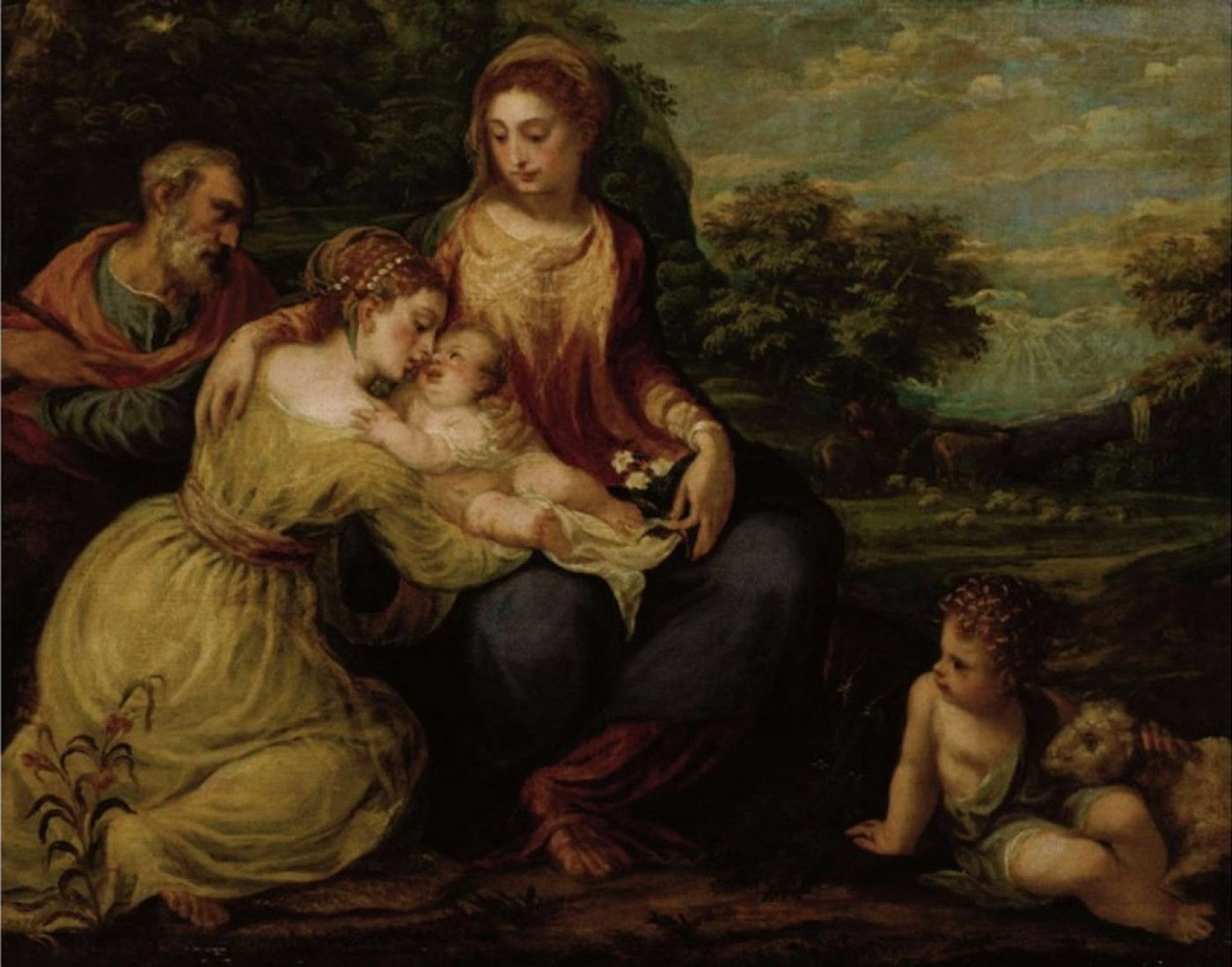
Most of his oeuvre is represented by biblical, mythological, historical and allegorical small pictures on canvas and wood, serving as ornaments of various furniture, musical instruments or chests. He painted oil paintings of great biblical and mythological themes, such as The Holy Family, The Adoration of the Shepherds, Samson Kills the Philistines, Abel's Death, Christ before Pilate and The Wedding of Eros and Psyche, while The Wedding of the Venetian Doge with the Sea from St Mark's Church is considered his most famous work. Towards the end of his not very long life, Medulić received an order for a canvas depicting The Miracles of St Mark from Tommas Rangone, a Venetian scholar and patron of the arts, on behalf of the Grand Fraternity. That was in June of 1562, when Medulić was only 52 years old, but presumably he never completed this work. The Grand Fraternity (Scuola Grande di San Marco, the Palace and Headquarters of the Fraternity) ordered a canvas of the same theme from Tintoretto a little later, but Medulić's piece could be preserved in the Kunsthistorisches Museum in Vienna, depicting a kneeling woman with a child. In May 1563, Medulić dictated his last will, leaving all his property to his wife Marina de Ricis, so it is reasonable to assume that the couple had no children. A few months later, on the 1st December 1563 Medulić-Meldolla died in Venice. Among the witnesses to the reading of the will was his colleague and friend, Alessandro Vittoria, a famous Mannerist sculptor from the Venetian school.
Guarda il video
.
Vuoi saperne di più?
Proposte

Lifestyle, Novità
American Forrest James Stilin, Community Manager of Zadar's Digital Nomad Valley
12.01.2022.

Gastronomia
Zadar - the City Where Bluefin Tuna is the Most Delicious in the World
21.06.2022.
History
From the Life of Two Zadar Palaces, part 1
29.05.2021.
Gastronomia
Venetian-Style Liver - a Testimony to the Common History of Zadar and Venice
28.02.2022.