



21.06.2021.
God Created the Earth, Zadar Basketball, Part 1
The last basket in the fifth game of the playoff
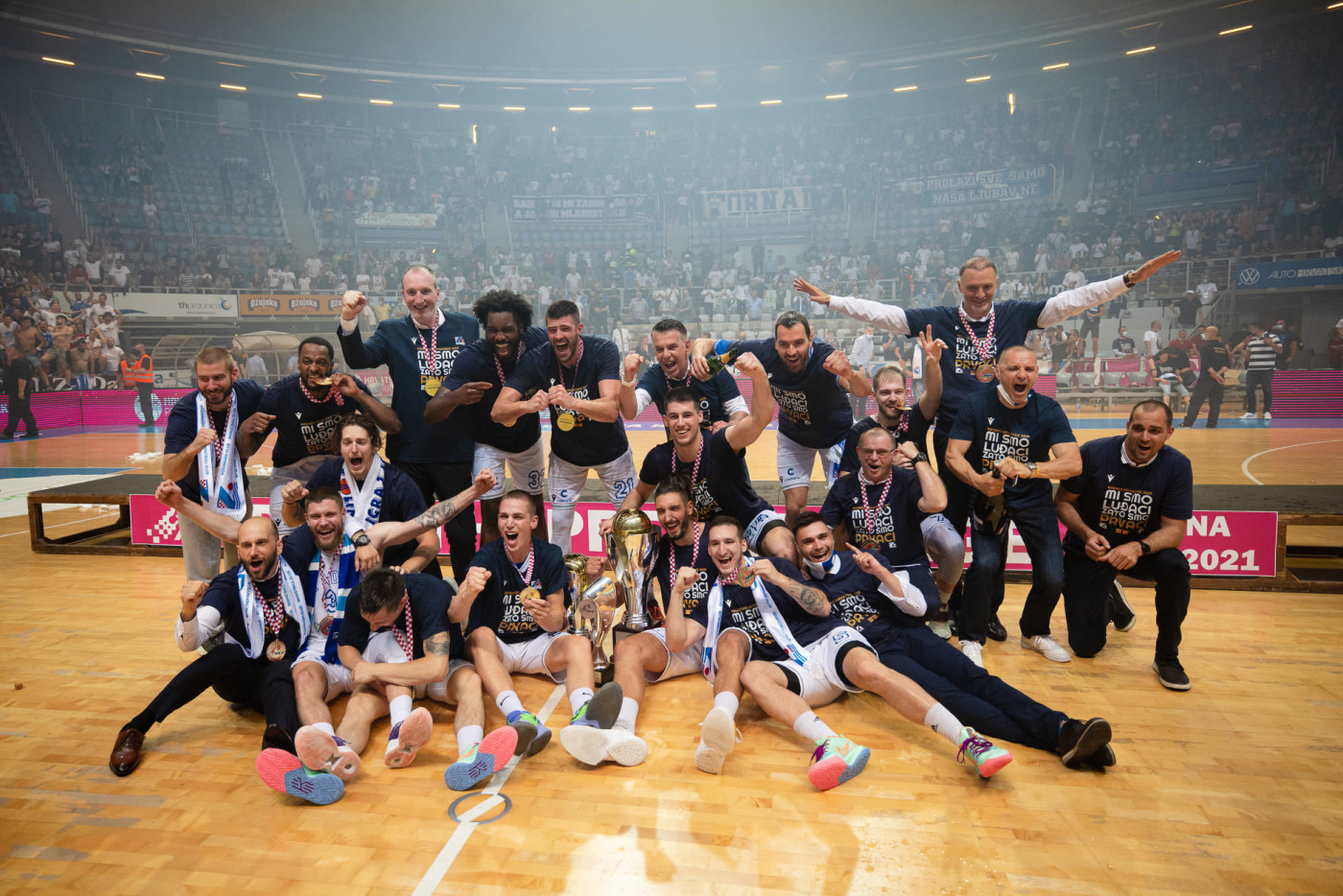
finals of the Croatian Championship was celebrated by the Zadar basketball
players with their arms victoriously up in the air holding the trophy of the Croatian
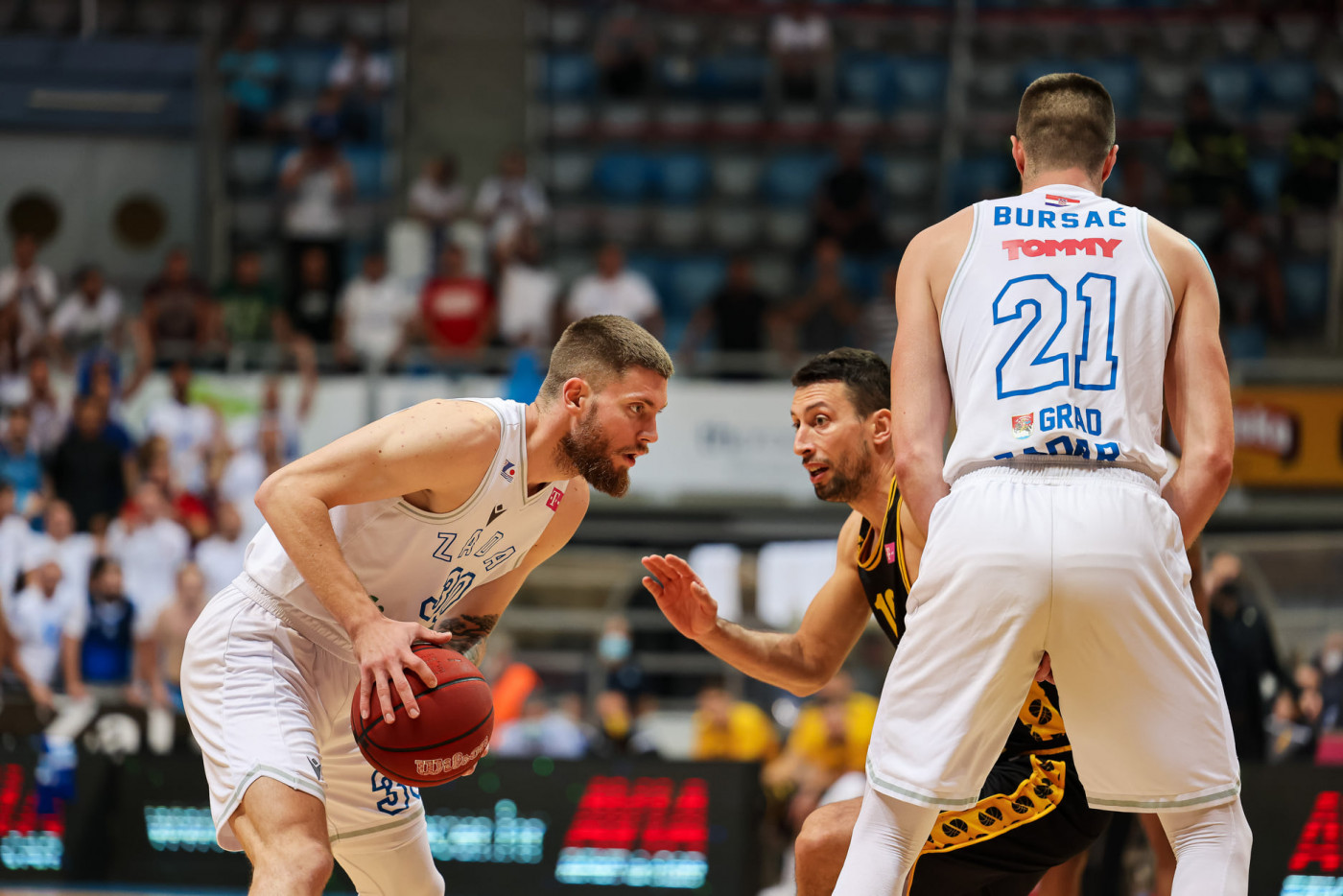
national champion. Zadar defeated their great and traditional rival KK Split
(formerly the famous Jugoplastika) at the home court on Višnjik with the final
score of 84:57, winning the best-of-5 by 3-2 victories and concluded an
uncertain last series.
The city where basketball has been played for 92 years - the longest among Croats – could finally give a welcome to a new national title after a lean 13 years, the ninth in the club's history. In a city where fans are proud of the banner, God created man, and Zadar basketball, that is, God created the Earth, Zadar residents created basketball - as the original inscription on the banner from 1971 reads – crowds could give a deep sigh of relief. Everything fell into place again.
 Photo: Filip Brala
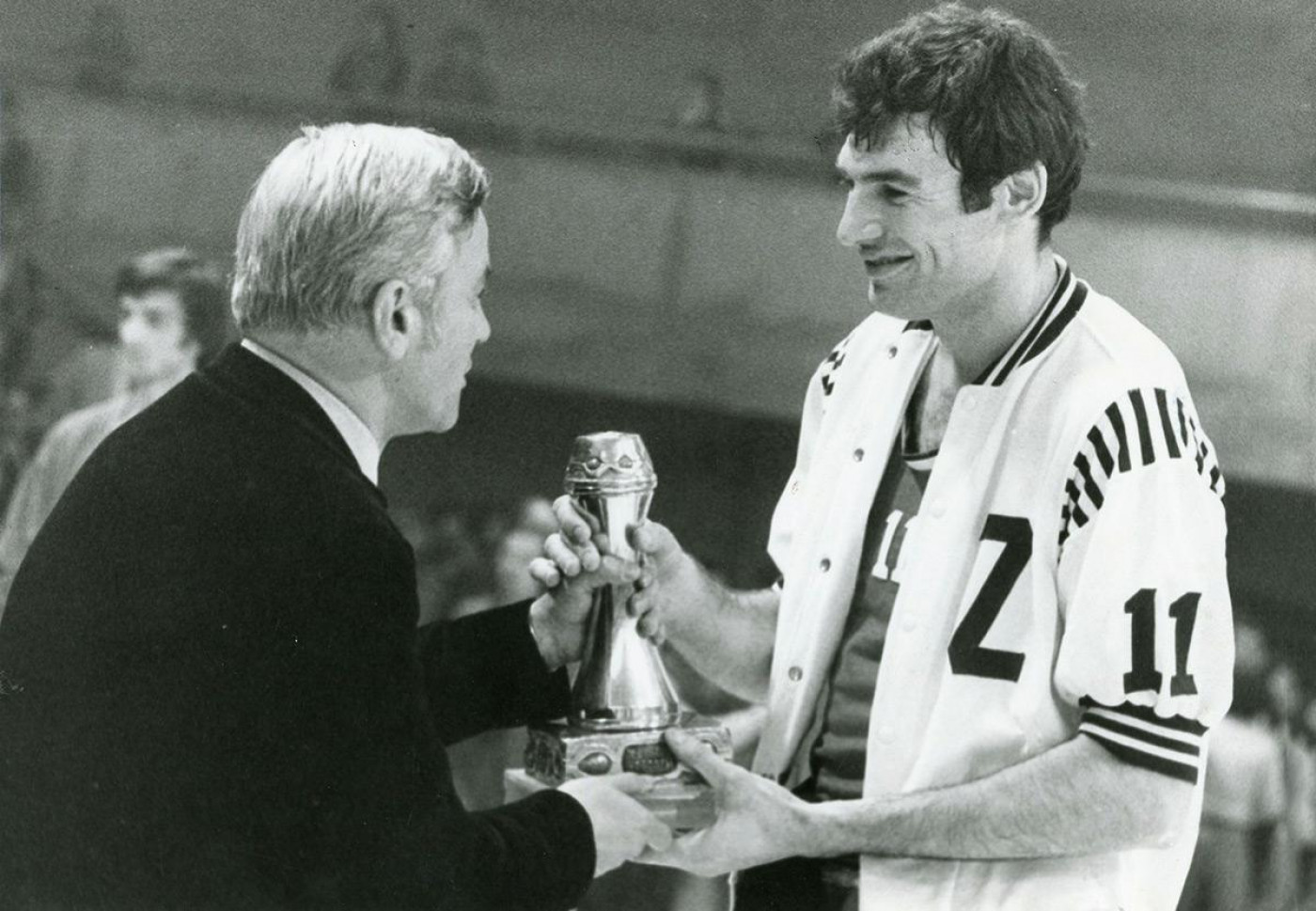
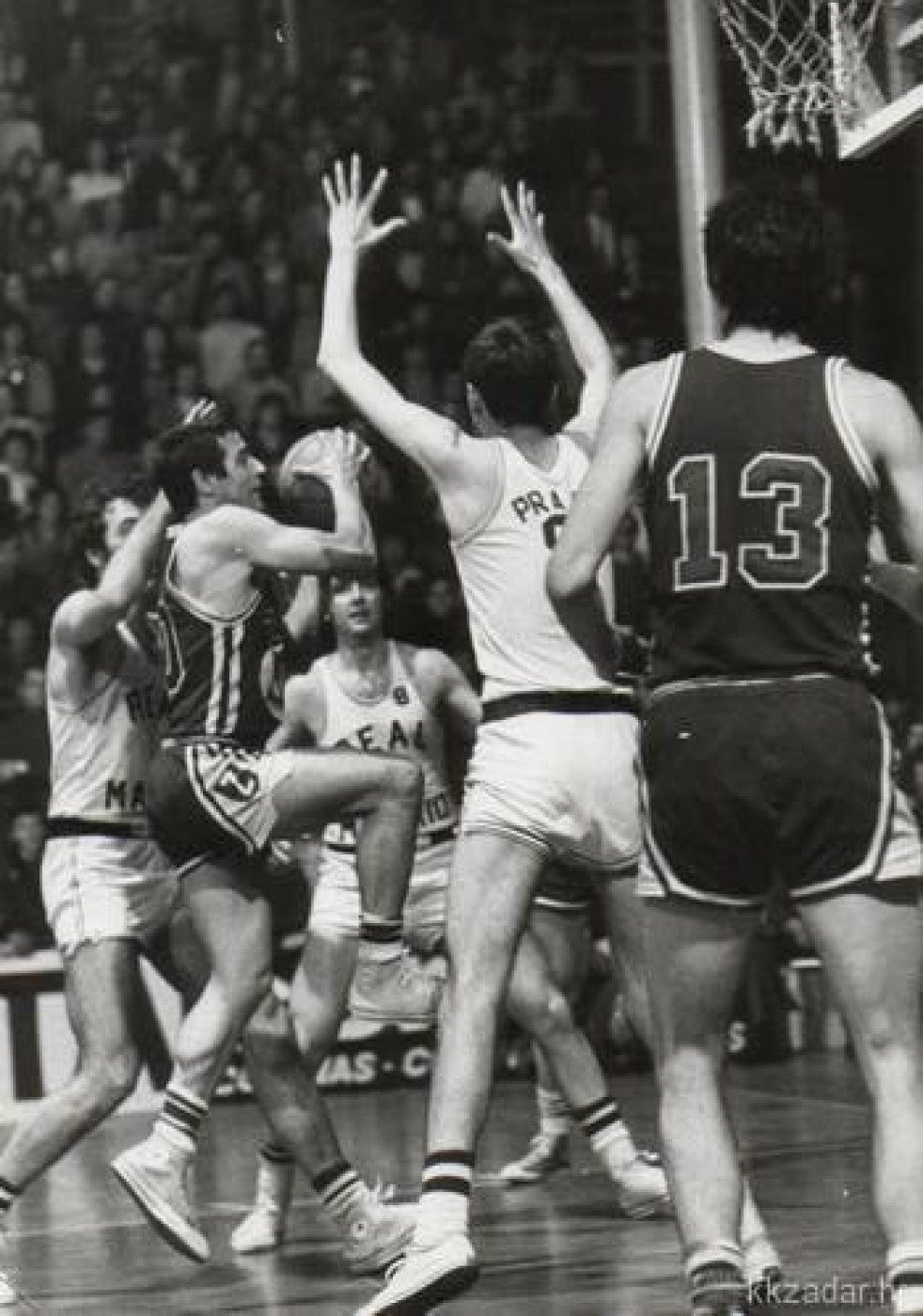
It was some time in the late eighties or early nineties of the last century when an American playmaker, after a match with the mighty Split Jugoplastika, then a three-time consecutive European champion, watching Toni Kukoč in disbelief concluded: "He's playing like a brother". It was a tremendous compliment for the skinny player from Split, who would shortly afterwards play in the legendary Bulls with Jordan, Pippen and Rodman and win three NBA rings. Still, the story of the highest level of basketball did not start with the famous Split basketball player and, recently, a member of the Springfield basketball Hall of Fame. Years earlier, the Americans were fascinated with a lad from Zadar, along with Kukoč and Dražen Petrović, the most outstanding Croatian, Yugoslav and European basketball player of all time, when he flooded the basketball courts at Brigham Young University like a torrent of water. It was Krešimir Ćosić, the man to whom the Los Angeles Lakers offered a contract in the seventies and after whom the hall on Višnjik is named. It was at that time that the banner was first hung in the basketball hall.
 Photo: Krešimir Ćosić
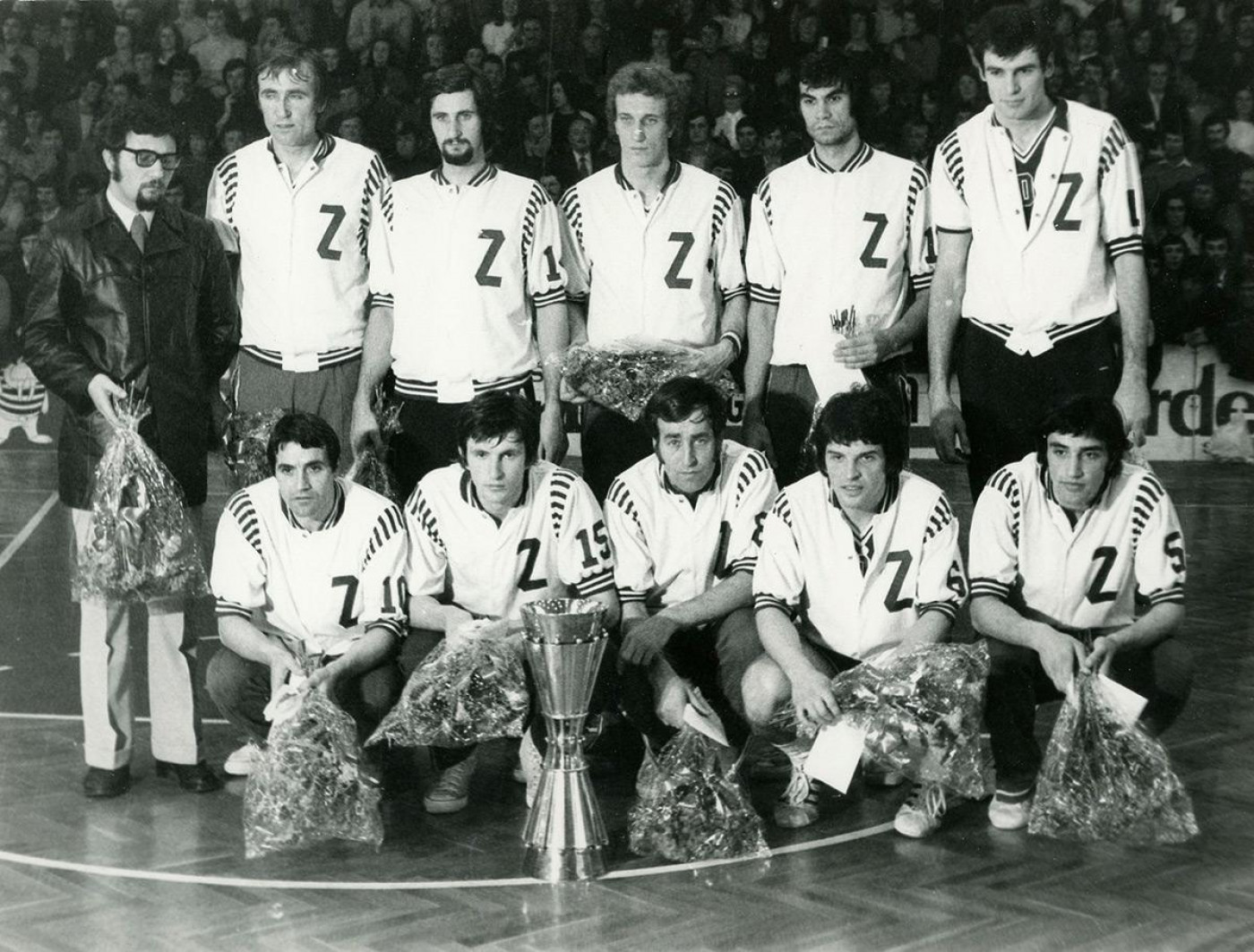
Along with Giuseppe Giergia, Ćosić was one of the two players from Zadar who won the hearts of Zadar fans and all basketball fans worldwide with their basketball genius. It was at their time that the banner God created the world and Zadar basketball. The five Yugoslav champion titles they won together from 1965 to 1975 made Zadar basketball and the Zadar basketball school myth. Yugoslavia won the world championship and two European titles in that period. Except for America, the best basketball in the world was played in Yugoslavia, especially at the court of the legendary Zadar basketball hall in Jazine, where Pino Giergia and Ćosić dominated. The great Serbian basketball player and later coach Zoran Moka Slavnić, one of the creators of BC Šibenik and the Olympic winner from 1980, once said: "It was a great pleasure to watch Pino Giergia play. For us younger players, he was something like Maradona. " Giergia himself also once graphically described how he played: "Like Allen Iverson. Just better." There was showtime in Jazine for a whole decade. But the road to creating a mythical image of Zadar basketball was long and thorny.

Photo: Krešimir Ćosić, KK Zadar
In 1929, a group of Zadar students in Italy played the first public basketball game in Zadar during the Christmas holidays, marking the beginning of Croatian basketball. However, Italian soldiers had already brought a basketball and the game rules during the occupation of Zadar. In the initial phase of basketball development in Zadar, everything was more or less quite disorganized, with a few enthusiasts who immediately accepted the new sport. Still, thanks to their perseverance, on October 1, 1930, the official basketball organization was finally established. Although games were played on concrete outdoor courts with a lot of success at the time, the actual rise of the basketball sport would follow in the post-World War II period.
The seed had been sown, and it was passed on to the first post-war generation of Zadar players by Tullio Rochlitzer, Berto Nadoveza, Enzo Sovitti and Izidor Iži Maršan. Maršan is considered the founder of modern Zadar basketball, which he started playing in 1937 in the Zadar team Borgo Erizzo (Arbanasi). Two years later, he moved to Bolzano, Italy, where he graduated from the Military Academy. In Zadar, Maršan went in for swimming and athletics, and he played basketball for his Arbanasi in the league at the Championship made up of six local teams. He was a trained military officer when he returned to Zadar in 1943 and was wounded in one of the numerous bombings of Zadar, so he was recovering with his grandparents outside the city. In 1944, he joined the Yugoslav partisans with whom he took part in the battles of Mostar, Knin, Dalmatia and Lika. He was among the liberators of Rijeka, which he entered on May 3 with partisans, and returned to Zadar at the end of 1945. He re-encouraged basketball activity in 1946, established a youth school and, wearing the jersey of Zadar, was the runner-up in the Yugoslav Championship. After two seasons, as a complete basketball personality, he was appointed coach, player and team captain. He played for Zadar for seven seasons until 1953, when he left Yugoslavia with his brother and some other players after a game in Vienna and went to Bolzano, Italy. He continued his career in the Pallacanestro Pavia team because one of his older teammates, Tulio Rochlitzer, had already played and worked in a factory there. Maršan was still playing for Cantu Basketball before settling in Australia in the late 1950s. He died in his native Zadar five years ago at the age of 91, and he was one of the sports idols of the first great Zadar player and great man of European and world basketball - Giuseppe Giergia.

Photo: Pino Giergia KK Zadar
Pino Giergia marked the beginning of creating the great Zadar, the champion of Yugoslavia and the epicentre of the basketball campaign that started spreading on the basketball courts throughout the former Yugoslavia in the 1960s. The competition was fierce: the invincible Red Star, which won the first ten championship titles, giving numerous national team players, a slightly weaker OKK Belgrade, then Zagreb's Lokomotiva as the predecessor of the famous Cibona with Dražen Petrović and Ljubljana's Olimpija with the great Ivo Daneu. But these were only the initial challenges because new great teams appeared in the 1960s and 1970s - Jugoplastika, Belgrade's Partizan and Sarajevo's Bosna with rosters from which world and European champions and Olympic winners reeled out. In such a competition, Zadar won five titles in ten years, most of all.
Schau das Video an
.
Möchtest du gern mehr wissen?
Vorschläge
Gastronomie
Zadar Carbonara - Zadar Black Truffle in Good Sea Company
15.12.2020.

Gastronomie
Kid Goat Meat Lešada, a Shepherd's Dish Made of Young Goat Meat
26.07.2021.
Neuheit
Zadar is Richer With a New Urban City Hotel Miramare
12.07.2023.
Veranstaltungen
Ritmika VI - Solstice w. Michael Mayer, Kristijan Molnar & Holandez
03.06.2024.