
17.07.2024.
Brudet Cooked in a Lopiž With a Taste of the Historical Glory of Iž Pottery
The island of Iž, a piece of land that is so close and yet so far from its nearest big city, Zadar, because the "two seas" between the island of Ugljan and Dugi Otok divide them. Iž is a typical island of the Zadar archipelago.
It has been inhabited since prehistoric times. As its population has always faced isolation, they focused on the island's natural resources: some fertile land for agriculture or livestock, olive growing, and the sea as an essential source of food… "Anchored" along the way of many merchant ships sailing the Adriatic, Iž also gave generations of skilful sailors. But, there is one activity at which the residents of Iž were quite remarkable and recognizable.
The Famous History of Lopižari (Pottery Makers) on the Island of Iž
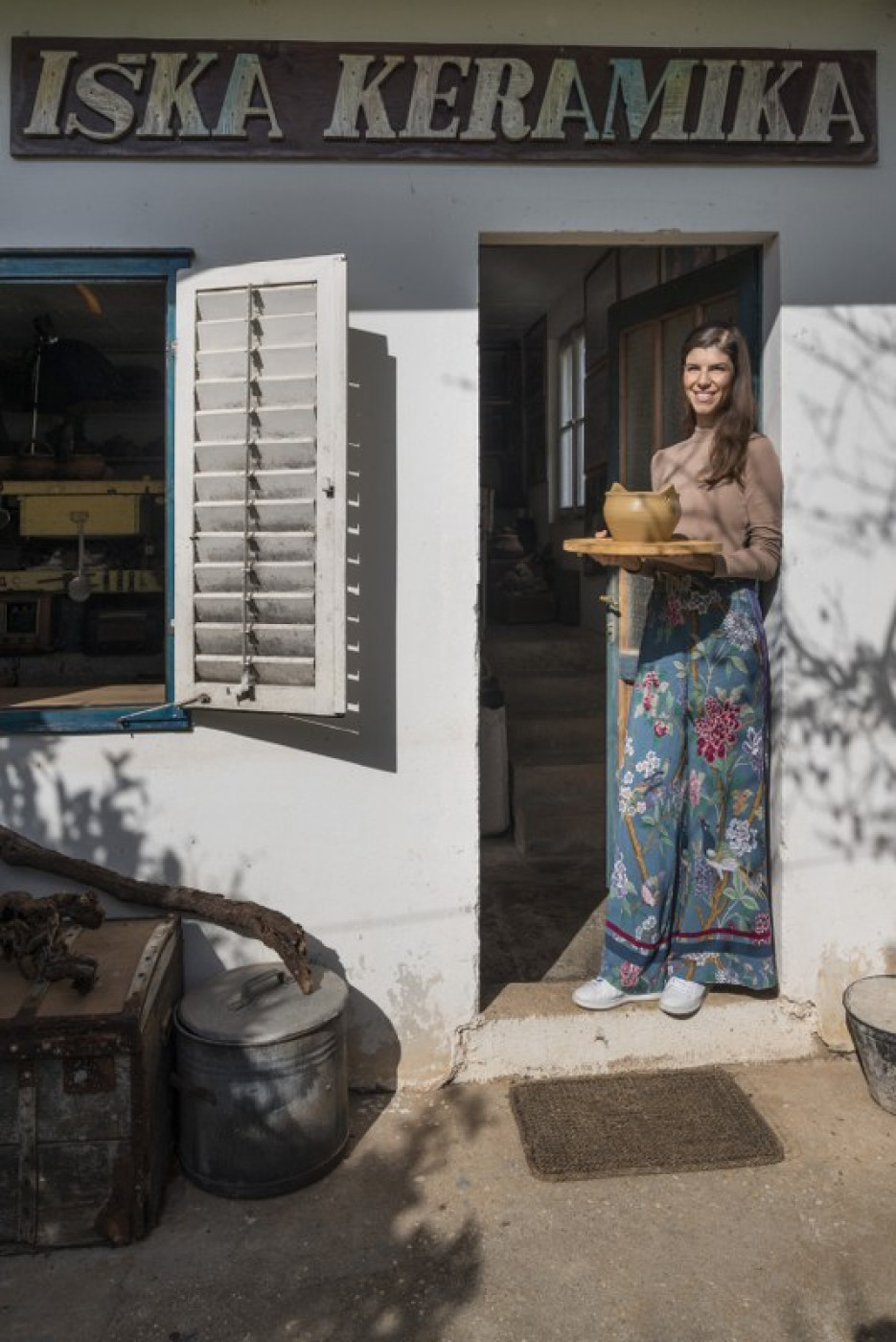
Pottery, making useful objects from clay, which in the case of the island of Iž was long ago branded as Iška keramika, was a skill that made Iž inhabitants in history known throughout the Adriatic its islands, coastline, and even deep inland. The first record of Iž ceramics dates back to 1530.
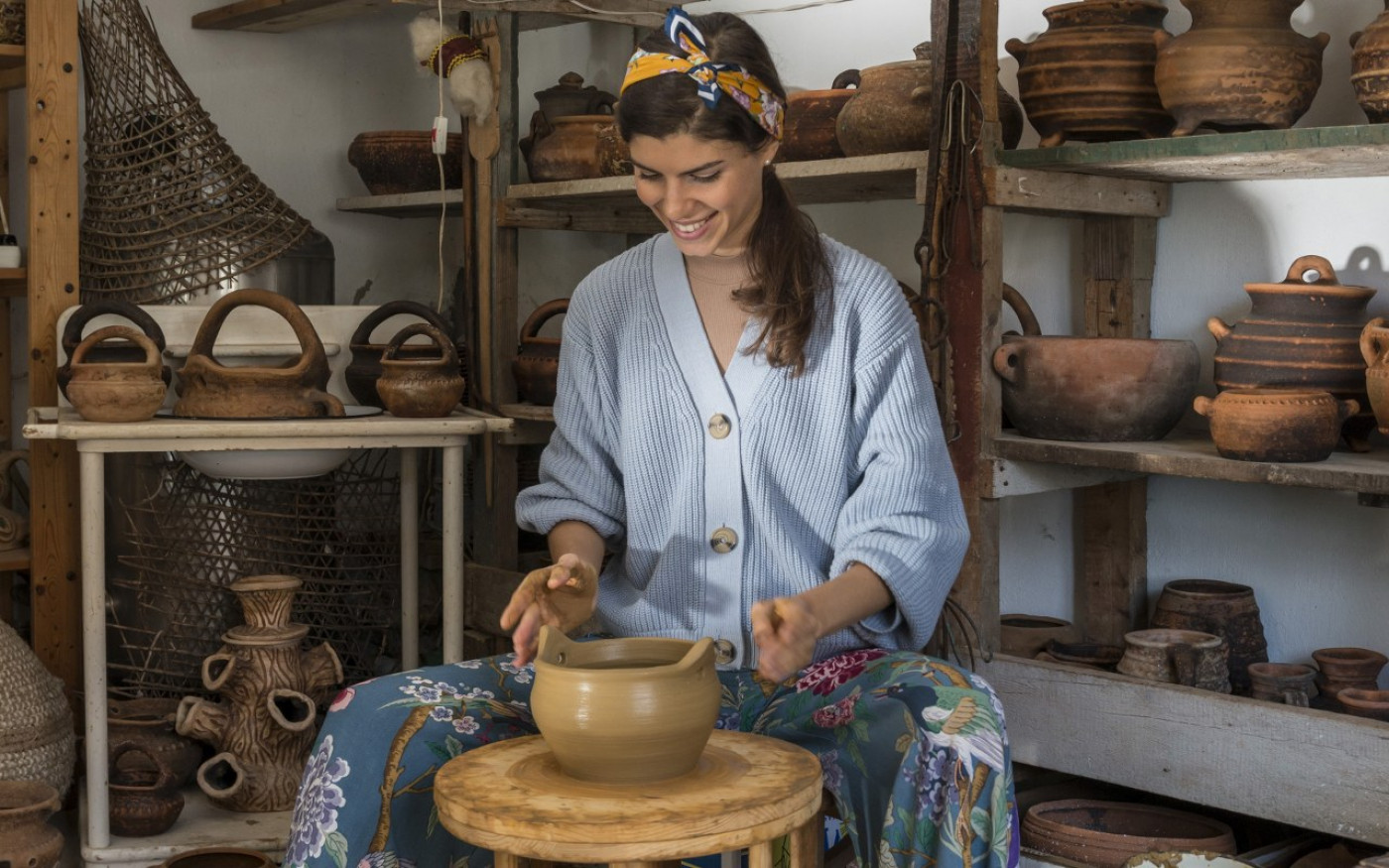
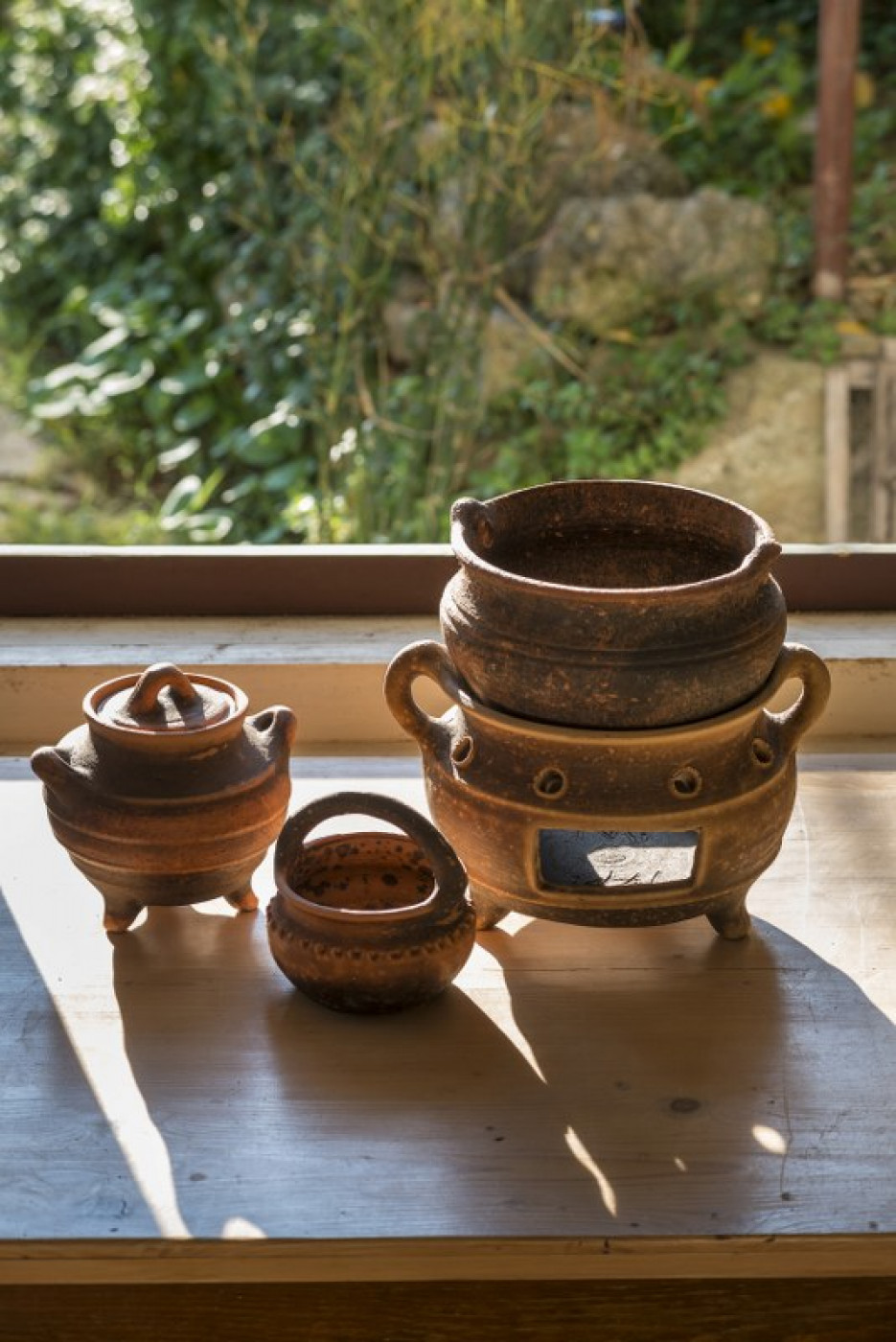
Iški lopižari, as potters from the island of Iž started to call themselves god knows when, was the name that came from lopiž. Lopiž is a ceramic vessel for cooking, just one of many items for everyday use, their own needs, and for sale or barter for other values, which they made of clay they found on their island. The challenging work of extracting clay and mixing it with shale, then forming objects on a hand potter's wheel and finally burning the shaped objects on large bonfires would be crowned with the sale of valuable objects and thus increase the modest household budget.
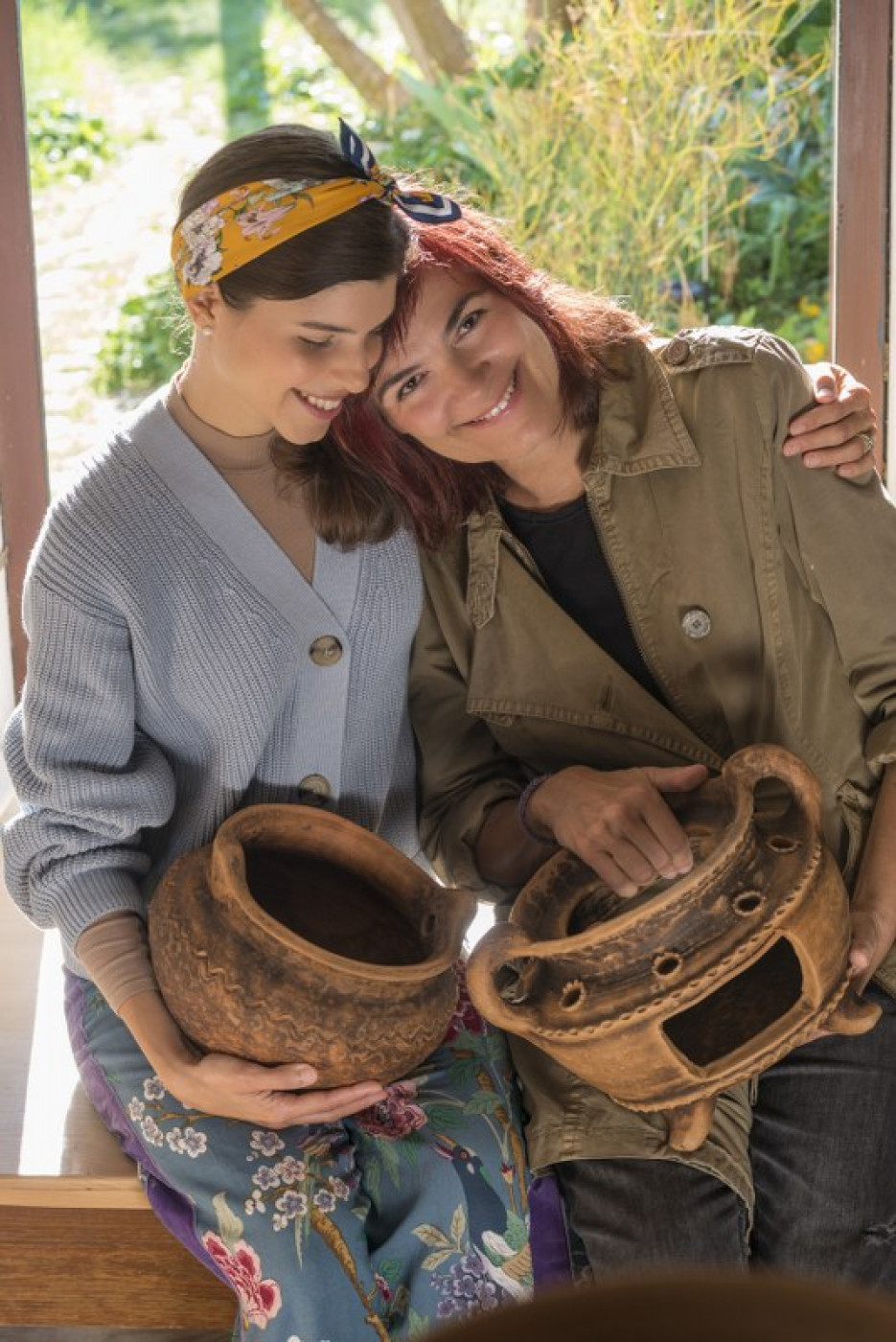
Lopiži in which they cooked food on an open fire, peka (čripnje) for baking bread, meat or fish dishes, large vessels for storing olive oil and salting sardines, small ceramic cookers with live coals that fishermen would carry to prepare a marenda on the boat, and even pots in which the fire would smoulder to warm the frozen hands of olive pickers, etc. were only part of the items made by the people of Iž for everyday use.
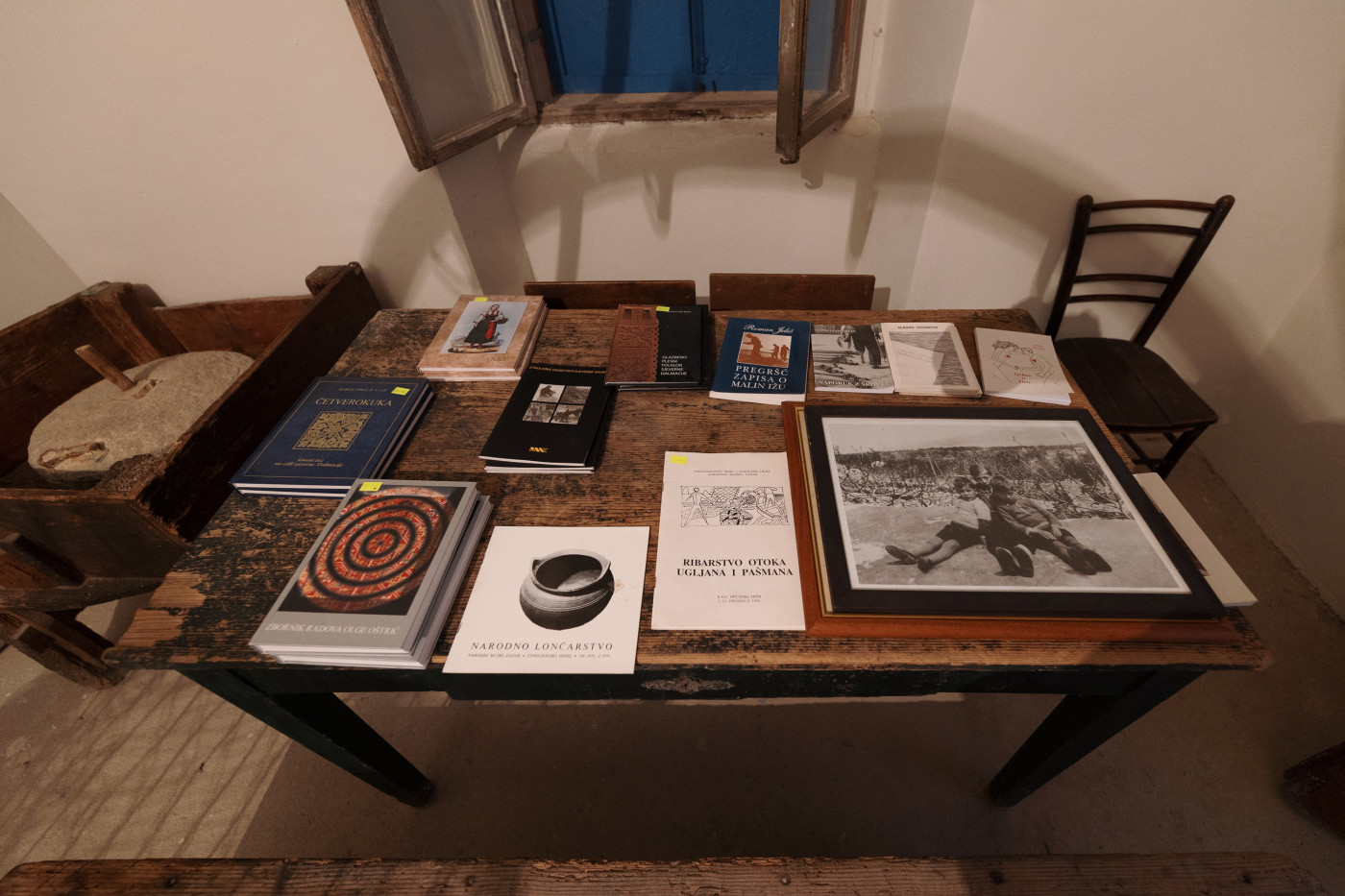
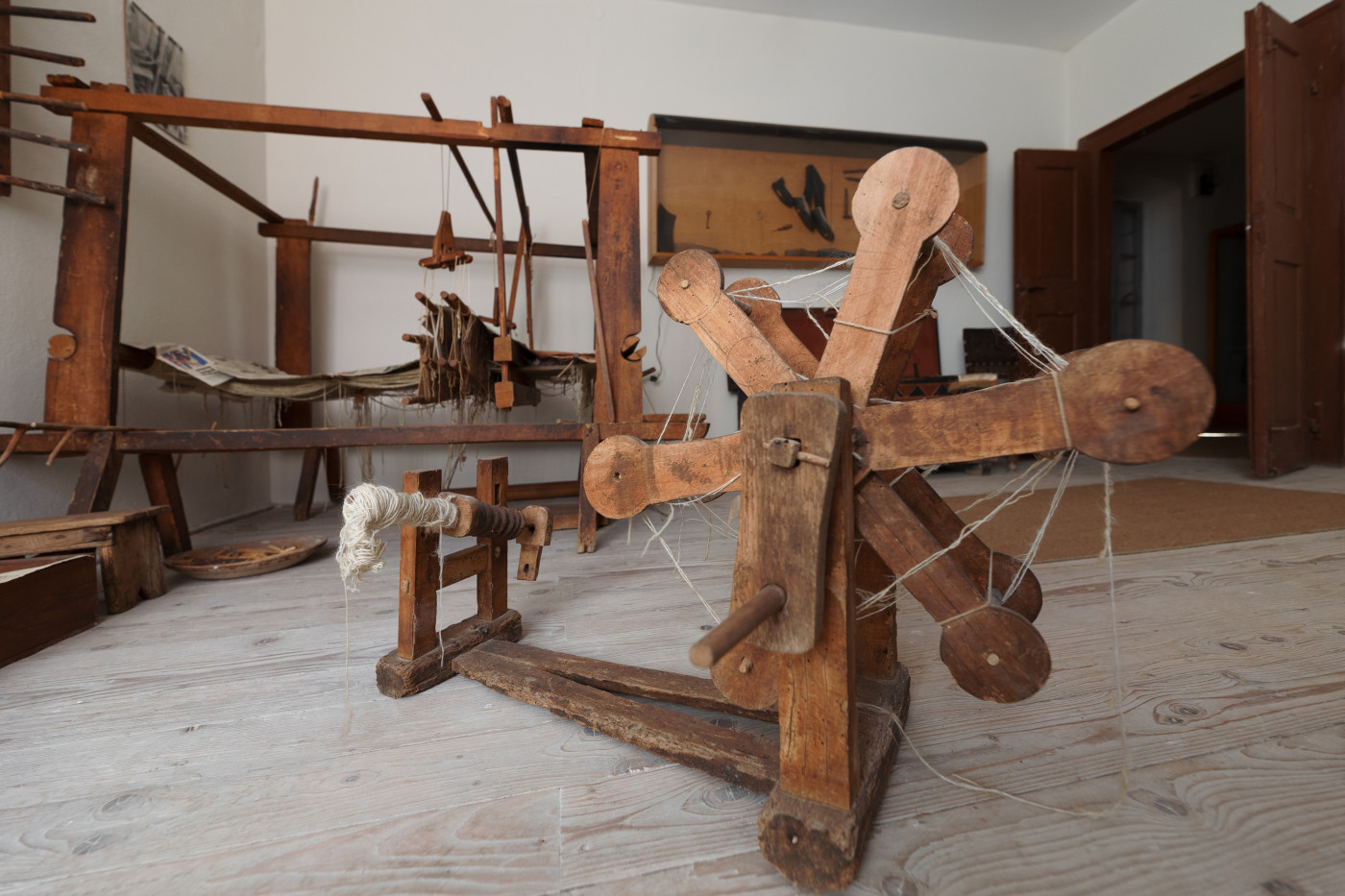
Today, some of these long- ago made objects are kept in the valuable Museum Collection in Veli Iž. Although there used to be 30, 50 and even 70 lopižari (pottery makers) on the island, today, unfortunately, no one is constantly engaged in this business. However, the Traditional Pottery of the island of Iž was declared immaterial cultural heritage of the Republic of Croatia in 2009. And even one dish has the same national value: Iški lopiž, lamb stew with peas and broad beans. So the name "Iški lopiž" has a double meaning - it is both a vessel and a dish at the same time. Despite the respect paid to this traditional and entirely exceptional and valuable craft, very often becoming art, some social circumstances, such as migration from the island, led to its extinction.
Pepi, the Last Iški Lopižar (Male Potter on Iž) and Nika, the First Iška Lopižarka (Female Potter)
The last Iški lopižar, Predrag Petrović Pepi, passed away in 2015. He spent most of the year in his small workshop, souvenir shop with numerous ceramic objects, thus keeping alive the glory of Iška ceramics. Fortunately, with Pepi gone, the lopiž on Iž did not wholly disappear. His daughter Nika Petrović Grilc learned from her father as a child the technique of traditional Iž pottery. She thus became the first woman in history to engage in this activity. Nika has made a lifelong choice for applied art and is now completing her doctorate at Vienna's Faculty of Applied Arts. She spends her summers in a family workshop on Iž, making traditional pottery. She expands the knowledge she learned from her father by learning from others, such as Chinese pottery makers. So far, she has staged about twenty solo and group exhibitions because she raises pottery from the craft level to the art level.
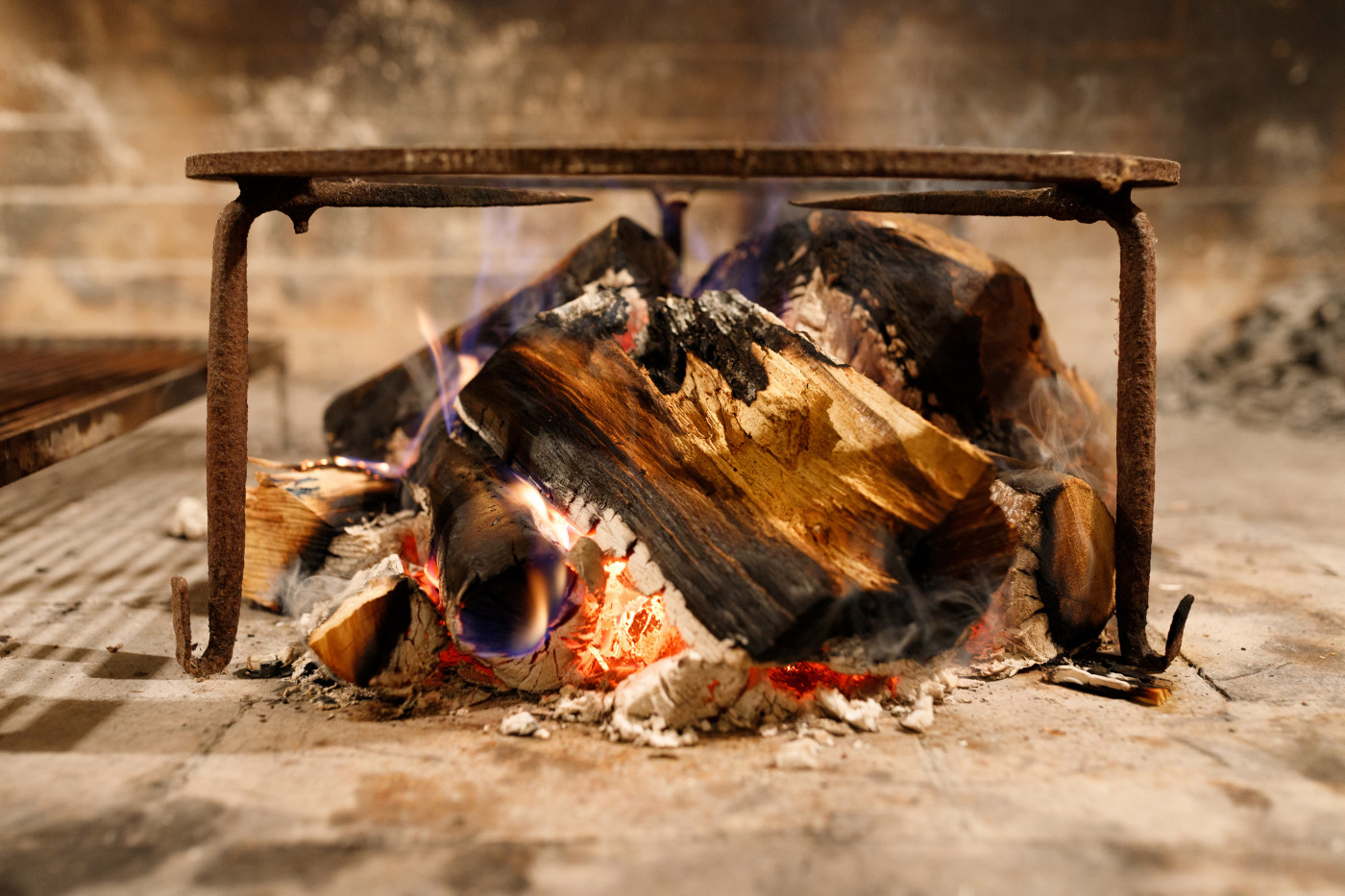
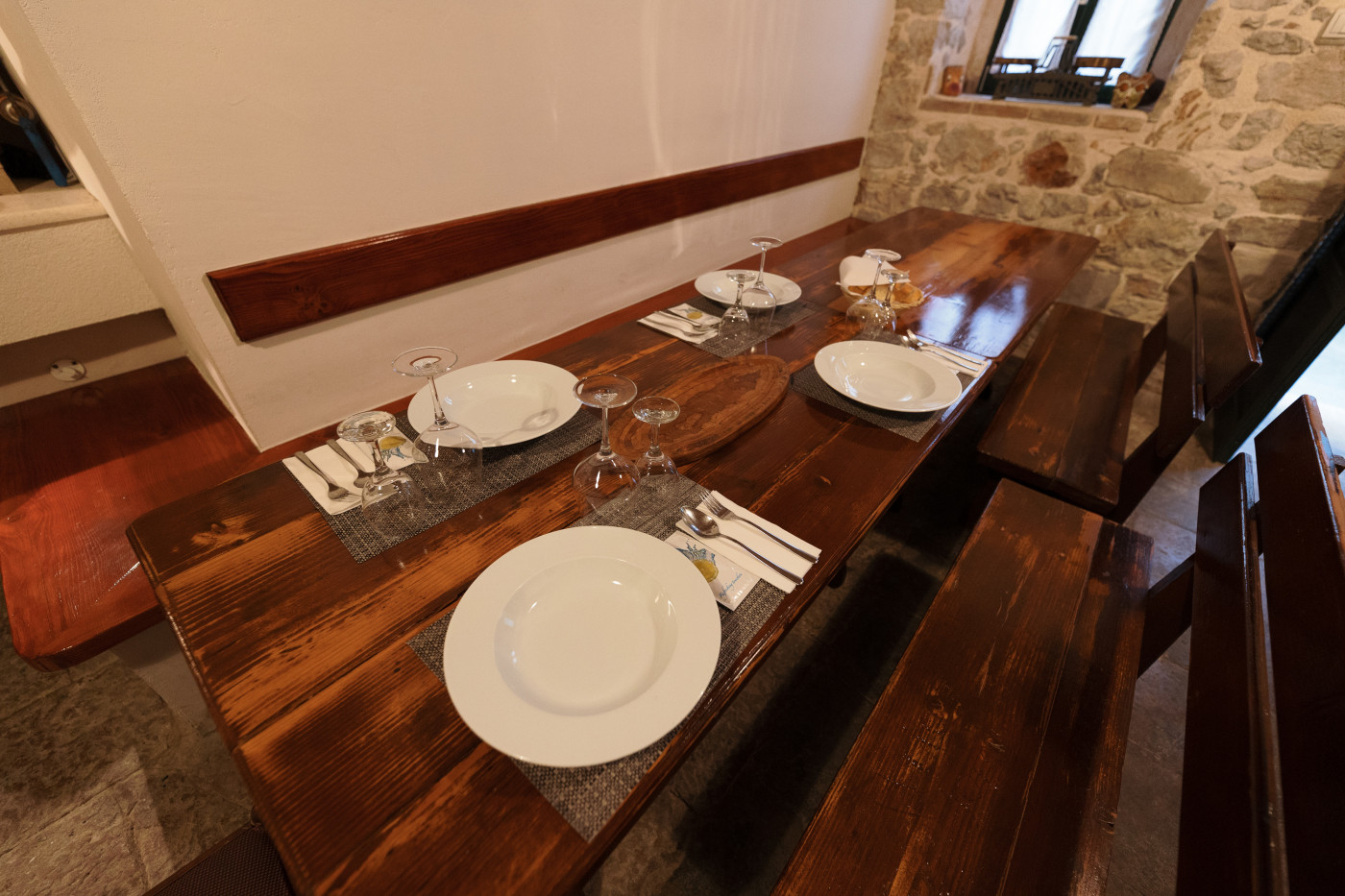
In the taverns, living rooms and stockrooms of the houses in Veli Iž, there are still hidden Iški lopiži (pottery pots) and other ceramic objects from ancient and glorious times, and sometimes they serve their purpose. In Konoba "Kod Barbe" on the waterfront of Veli Iž, right next to the preserved old stone wheel from the Iž olive oil mill, the owners Lori and Boško Sutlović sometimes cook a delicious dish over an open fire in a ceramic pot, lopiž, to the guest order. It is essential to know that each such bowls had their purpose each: meat dishes were cooked in one and fish dishes in others. The Sutlović couple like to prepare some good brudet of fresh mixed fish they get from the fishermen who dock on the Iž waterfront in the morning.
Warty Crab in the Lopiž of the Sutlović Family
Brudet, a thick broth with fish, is one of the favourite and typical dishes of Dalmatia and the Zadar region. The basic recipe is simple. But the beauty and taste are in different ways of preparing it: there are as many chefs on the Adriatic as there are types of broth. Yes, everyone uses onion and garlic, wine, parsley and tomatoes, fresh or paste. Still, different ingredients, cooking methods, and culinary knowledge and experience give each broth its own peculiarity, which means we will never eat two of the same brudet.
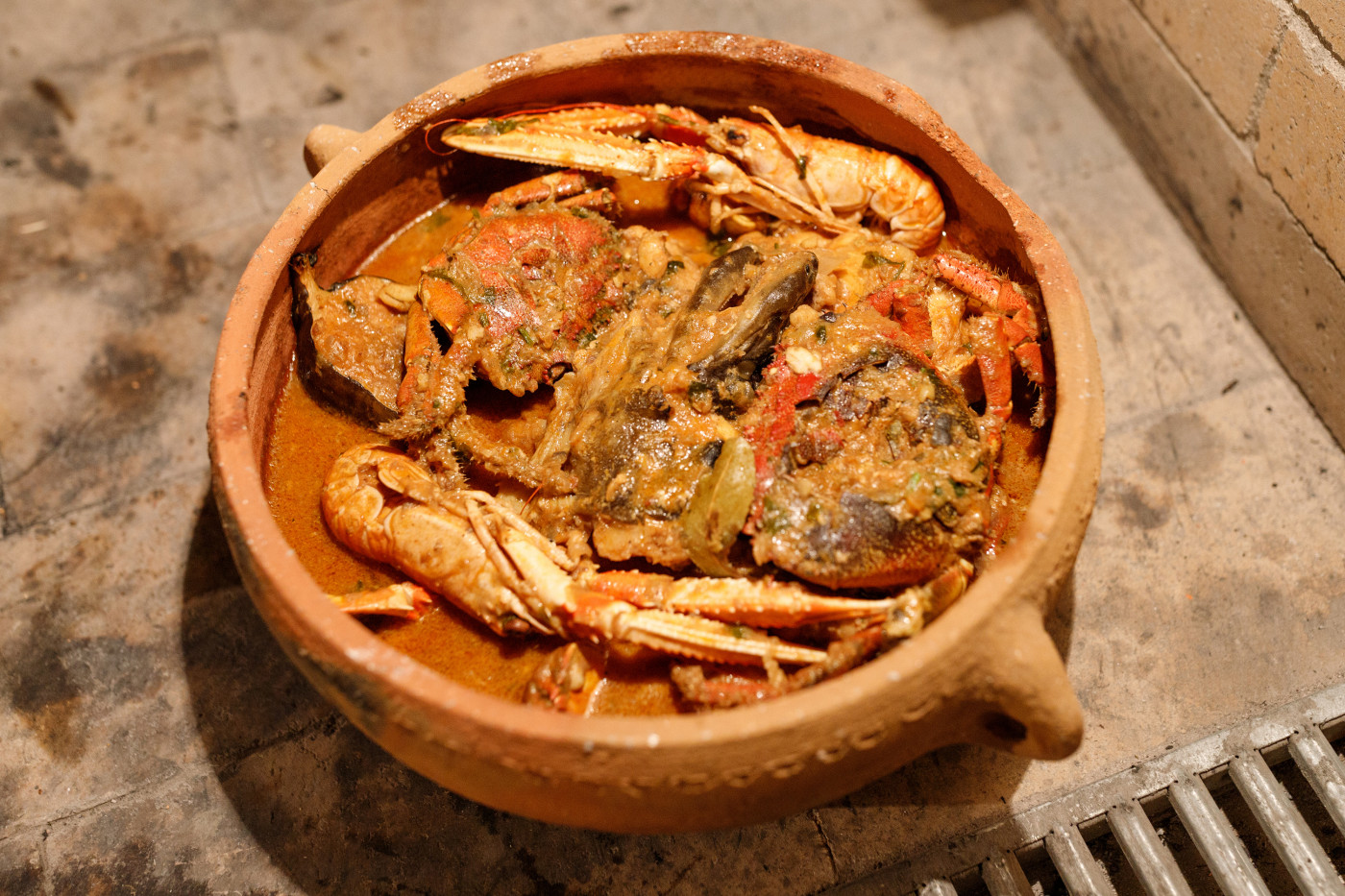
This fish broth in Veli Iž, which the spouses of Sutlović cooked, is different in at least two crucial details. It is made in a lopiž that ensures the exact temperature of the dish being cooked for the entire preparation time. The baked clay will heat up to a specific temperature no matter how intense the fire and there will be no unpleasant burning at the bottom of the pot.
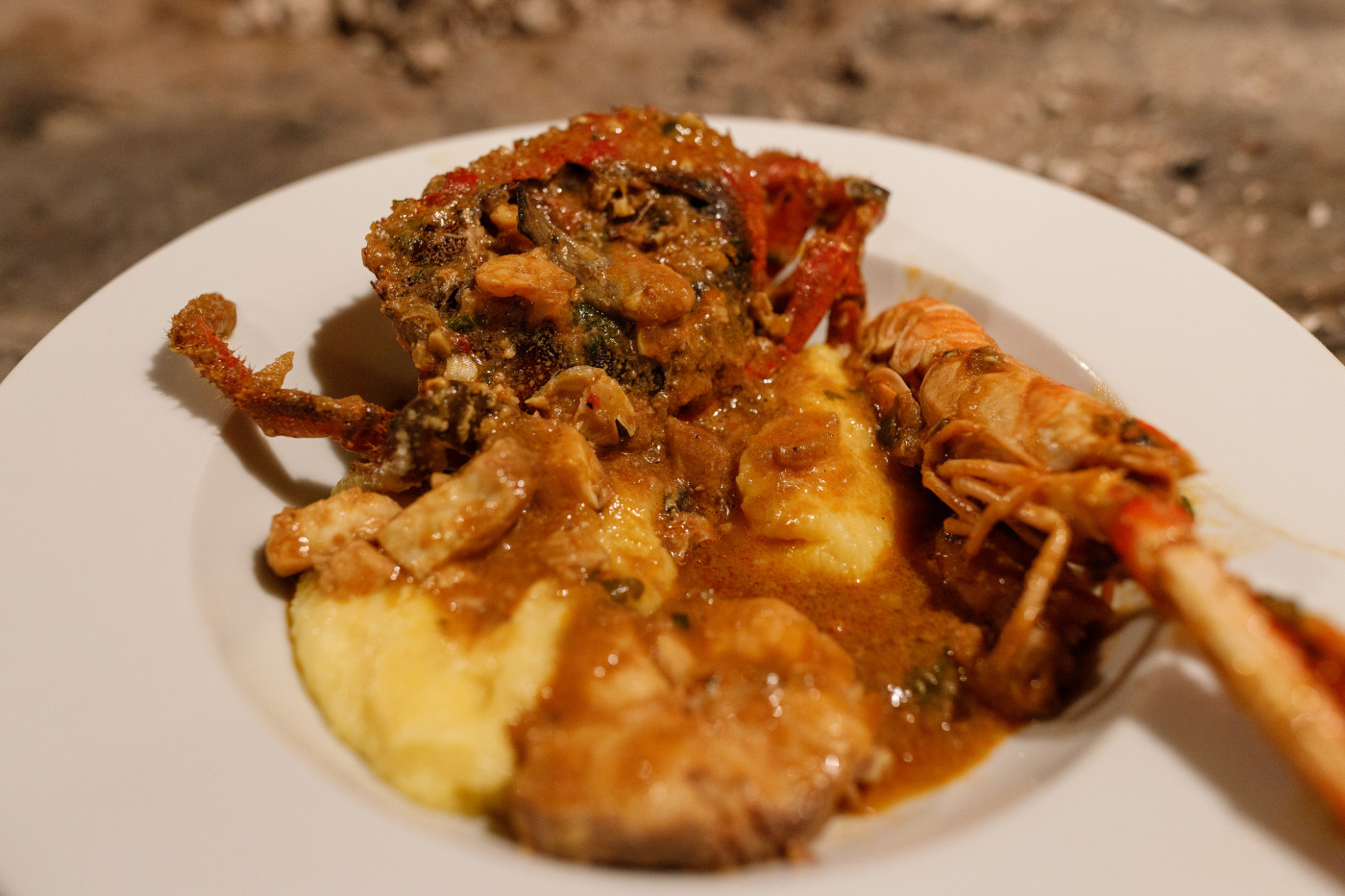
Another essential detail is the fish ingredients: the bowl contains steaks of conger eel, shark, scampi and, as the most important ingredient for the perfect "succulence", thick fish soup, a warty crab (kosmelj). Although it has numerous relatives in the seas worldwide, this crab of strong and dangerous tongs full of delicious meat gives the dish a unique and strong sea flavour. It lives in shallow water, in stone holes, on the edge of high and low tides, it has no special economic significance because there are no other tools to catch it, except by hand at night, but it is so precious in brodet.
Mrs Lori Sutlović knew this well when she added warty crab to the other fish. She, however, had to break its solid shell before so that the precious ingredients of its body could blend with stewed onions, red wine, prosecco and tomato paste. Of course, the top-notch Iž olive oil, a little parsley, salt and pepper are inevitable, and after a little over an hour of cooking, the broth could be on the plates, where the cook already placed a side dish of warm and creamy polenta.
And with every such rich and powerful seafood bite, it seemed as if we had adopted some glorious history of the unique Iž pottery.
Schau das Video an
.
Möchtest du gern mehr wissen?
Vorschläge
Veranstaltungen, Gastronomie
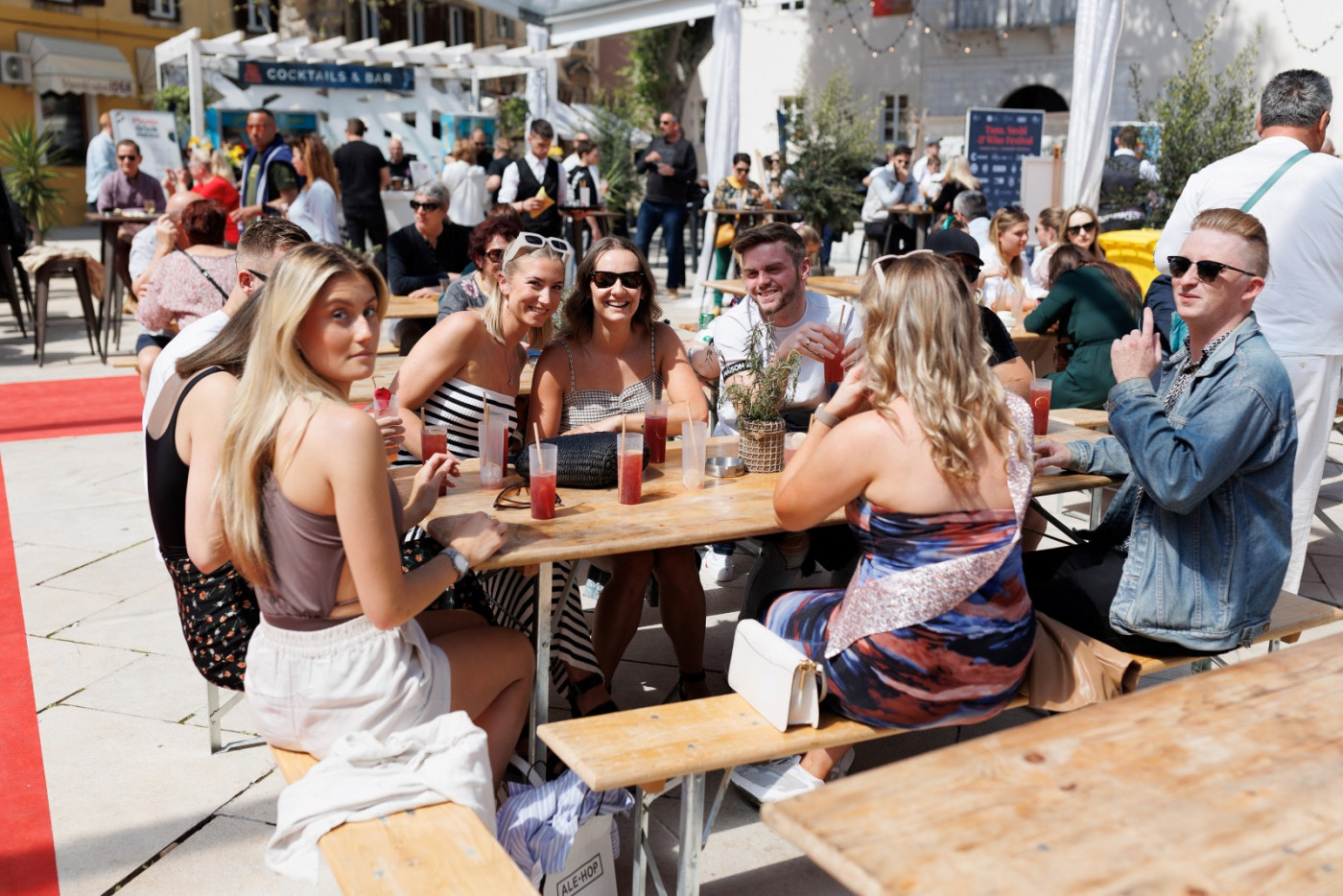
TSWF In a Refreshed Form Attracted Many and Announced the Tourist Spring
28.04.2023.
Gastronomie
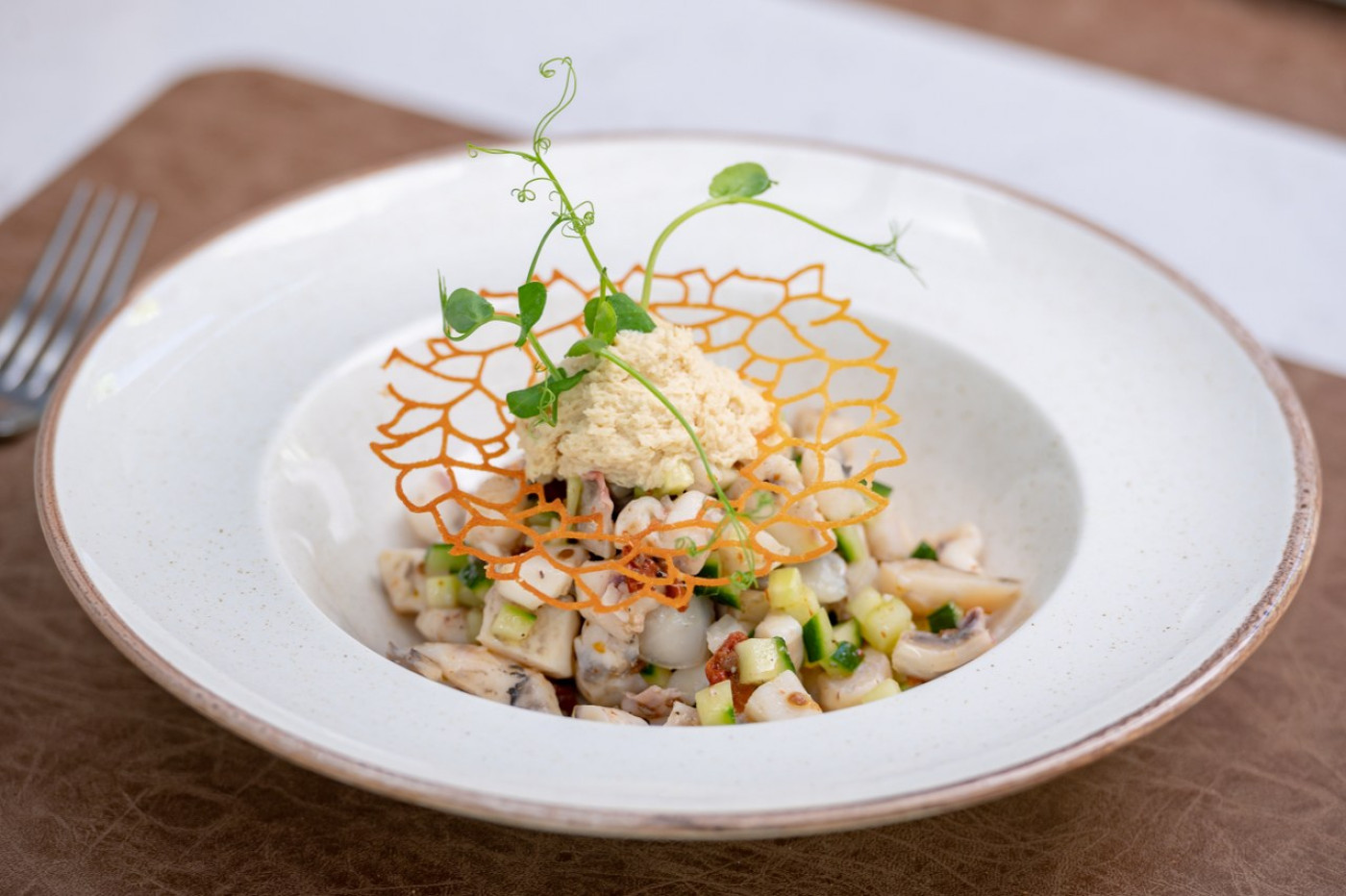
The Culinary Secrets of Almayer | Traditional Cuisine and Creative Dishes
03.07.2023.
Gastronomie, Neuheit
The Opening of the Nin Saltworks Shop in Zadar
28.06.2023.

History, Lifestyle
Interesting Facts About Zadar
20.10.2020.