Sehenswürdigkeiten
Zadar Had the Most Beautiful Cinema in Austria-Hungary
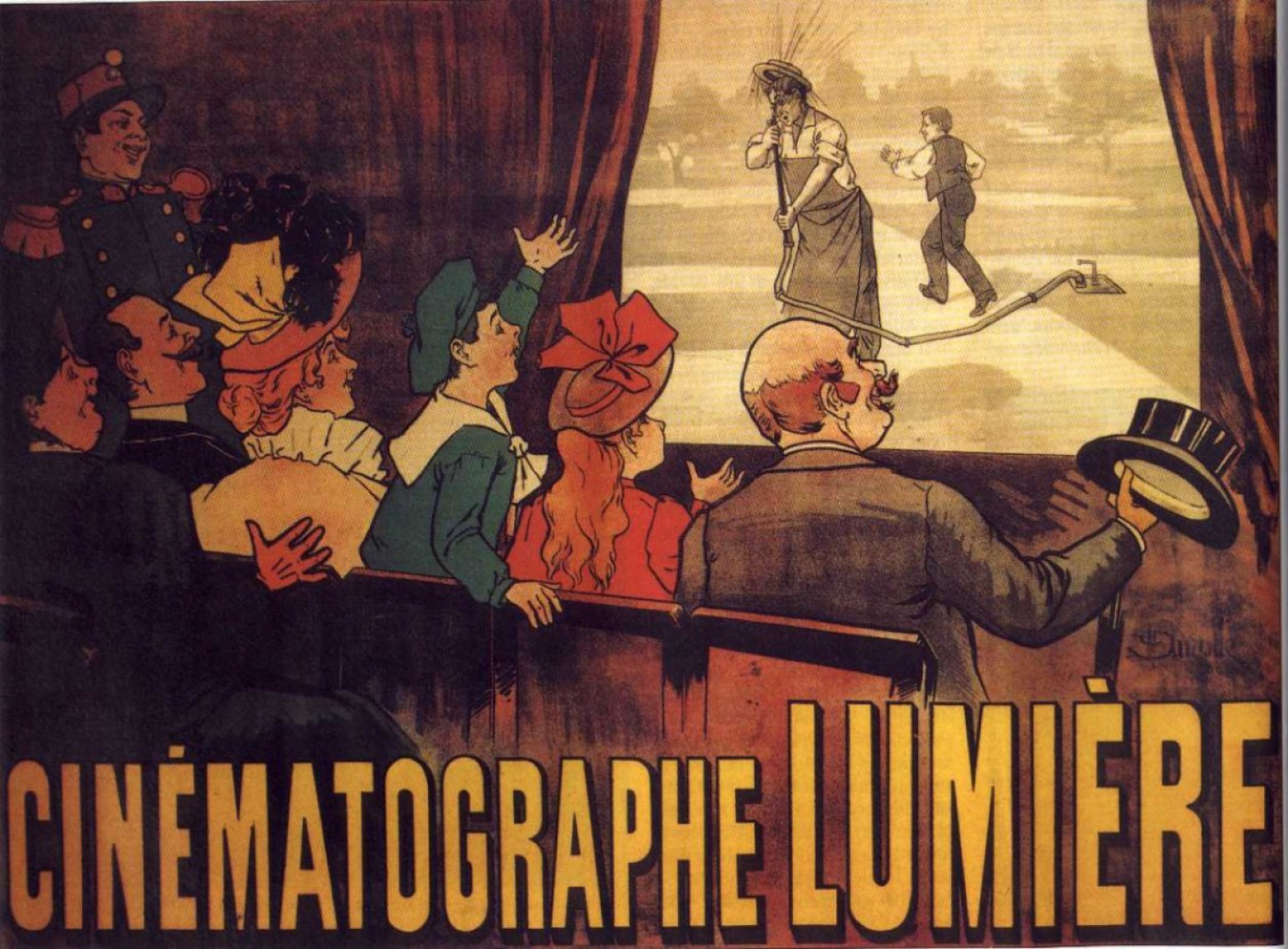
The most beautiful cinema of the Empire, as they called this Zadar cinema at the beginning of the last century, was ceremoniously opened in 1913 in today's 1358 Zadar Peace Treaty Street (Ulica Zadarskog Mira 1358.) in the Bottura House, and whose cinema hall itself had as many as 400 seats. In the dual Austro-Hungarian Monarchy, to which Zadar then belonged as the seat of the Austrian province of Dalmatia, the cinema had been called Radion, and since 1918, when Zadar belonged to the Kingdom of Italy, the cinema was called Impero. Nevertheless, that was not the actual beginning of cinematic activities and enjoying the sensation of this new artistic and technical medium in Zadar. On 1st February 1897, a film was shown to the audience for the first time in Zadar. It was only 13 months and three days after the world sensation at the Grand Café in Paris when the brothers Auguste and Louis Jean Lumière held the first screening of their films with their universal Cinématographe, which served as a camera and projector. As early as 1898, Lumière's cinematograph was a guest in Zadar with its film programme at Caffè al Giardino, and the screening of their films continued in the first years of the new century. The first blockbuster enjoyed by Zadar citizens was the eleven-minute Life and Passion of Jesus Christ (La vie et la passion de Jèsus-Christ or La Passion for short) by the Lumière brothers. Then, in the spring of 1903, Karl Lifka's cinema tent was set up on the New Seafront. Every evening, from 5 to 9 p.m., Zadar citizens enjoyed new films, and there were also those films that only adult men were allowed to watch.
Finally, on 27th July 1907, the first permanent cinema in Zadar was opened in the Gned Salon on the New Seafront, using the latest projection technique of the time by the famous Pathè brothers. The comfort of the cinema and the attractive repertoire procured from world metropolises such as New York, on the other hand, were additional reasons for the great success with the Zadar audience, so a year later another permanent cinema was opened. The Zadar undertakers, the Meštrović brothers, rearranged their large spaces across the Caffé Centrale into the representative Nuovo Cinematografo Centrale (later the Edison Cinema).
.
Standort
Möchtest du gern mehr wissen?
Vorschläge