01.12.2021.
Rooster Under the Baking Lid - a Gift for Which Every True Gourmet is Grateful
There is almost no more convincing, more striking, and famous scene of village life than an inconspicuous shack from which the chimney belches smoke all year round with a spacious, seemingly messy courtyard where a large rooster is strutting about.
A large rooster is a proud alpha male, the head of the village yard, around whom his hen company is pecking on the floor - a real harem that gives the owners a basket full of warm eggs early in the morning.
Free-Range Chickens
But few roosters in the yards of the villages in the vast Zadar hinterland live long enough to be fortunate to become masters of the yard and their flock of chickens. Fate, nature, and man have set things up so that the roosters before they grow up, just as they reach late puberty, near sexual maturity, end up as an adored delicious delicacy. Such young cockerels who, with no fault of their own, instead of finding the first partners only find themselves on the table and plates, are called pulastri here.
Pulastar (from poulet in French, pullum in Lat) is an adult chicken, most often a male because little hens are kept as laying hens, but these roosters cannot be found neatly packaged on the shelves of shopping centres. It is a sin to call such a chicken a pulaster. A pulastar or a capon (chapon in French) is not castrated by its owner to get a few kilograms of top quality meat in just half a year. Pulastar does not have to go through this ordeal to become a real delicacy. To earn its honorific title, the chick has to spend his short life strolling through the yard and nearby fields and beyond pecking for whatever food he can find, such as proteins from tiny worms, wheat and corn grain etc. The owner will only occasionally feed him a handful of corn or some grain.And when it reaches a weight of max. 1.80 kg net, it is ready to become a dish.
Photo: pexels.com
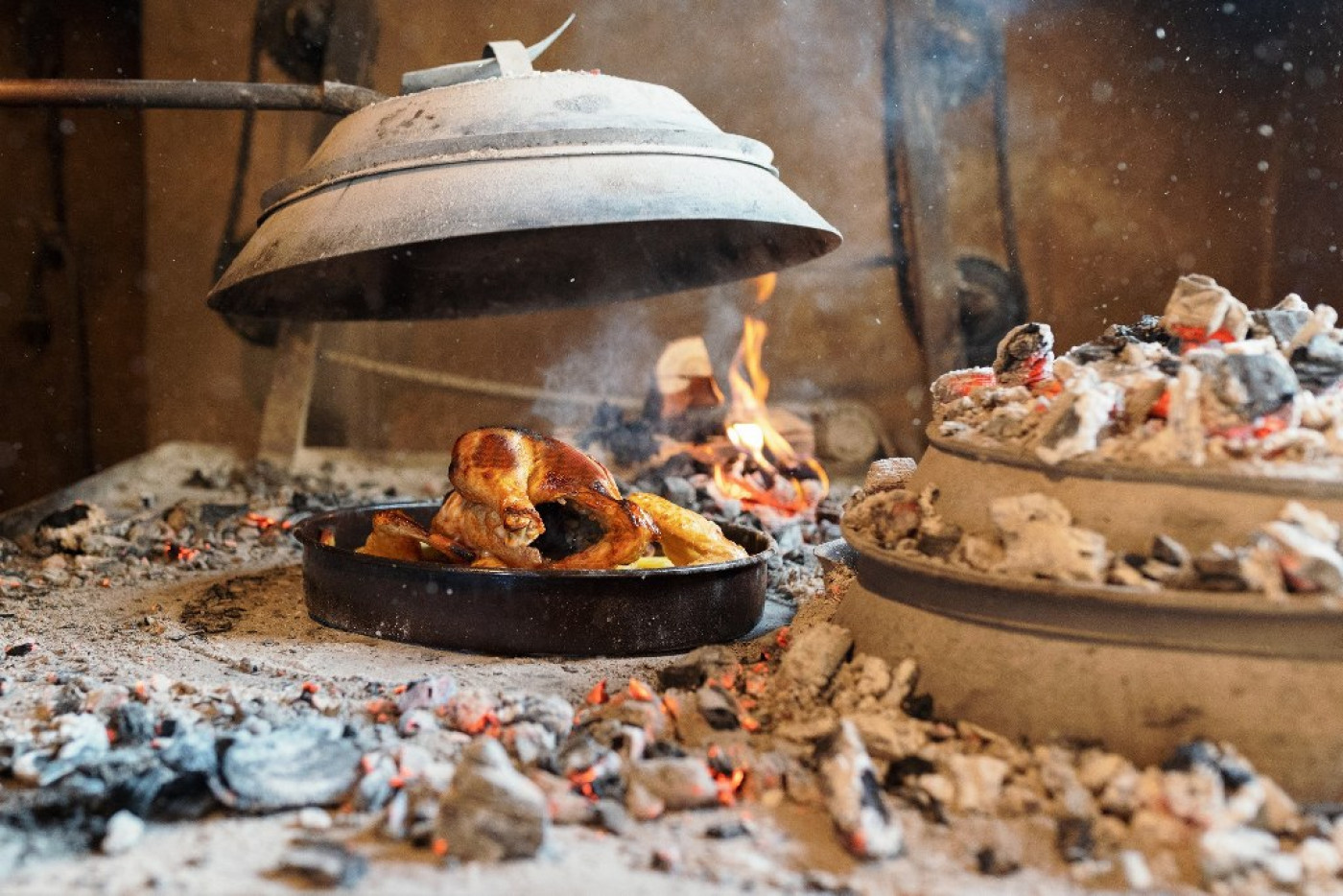
Because the pulastar is constantly moving in search of food, it has firm, compact meat without excess fat. Good Dalmatian chefs have long discovered that such quality meat does not need complicated recipes to become a top food. It is enough to keep the originality of the taste, which is enjoyed only with the addition of a bit of salt and oil (or lard). Adult roosters and older hens in a pot require more extended treatment and more ingredients to make their meat softer and tastier. Older hens are usually used to make a great soup after long cooking, and their meat, as well as the meat of the old pulastars, is ideal for everyone’s favourite meal in Dalmatia, chicken stew - tingul. Of course, pulastar often ends up in a pot and is served boiled, with only a few boiled potatoes that kept him company during cooking and a few seasonal salads. But the most popular and most common way to prepare pulastar in these Dalmatian regions – roasting it under the baking lid with potatoes.
The Inn "K Marijanu" (1965) - a Synonym for the Best Traditional Dishes
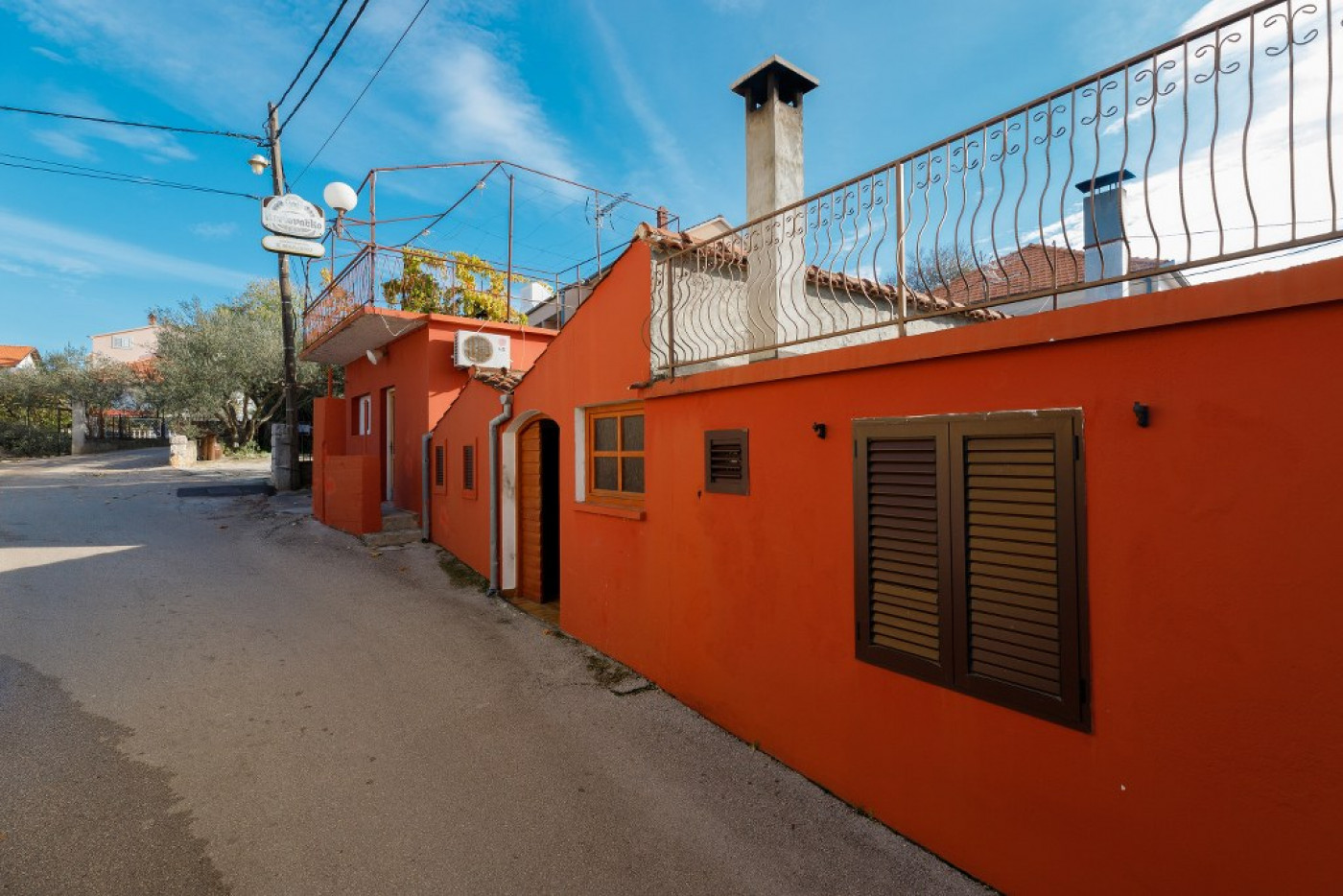
A pulastar roasted in such a manner is one of the main stars, if not the most popular dish of the Inn "K Marijanu" in the Zadar area of Stanovi. This part of Zadar was founded by former Varoš residents, inhabitants of the Peninsula. Due to some historical circumstances, they had to move outside the city walls at the beginning of the 19th century. Thus, on the former pastures and fields, they formed the then-new suburb of Zadar, Stanovi. Until a few decades ago, before more intensive construction and expansion of the city outside the old Peninsula part, Stanovi was a separate entity. Today, it is one of the beautiful parts of the city in which the patina of ancient times is recognized.
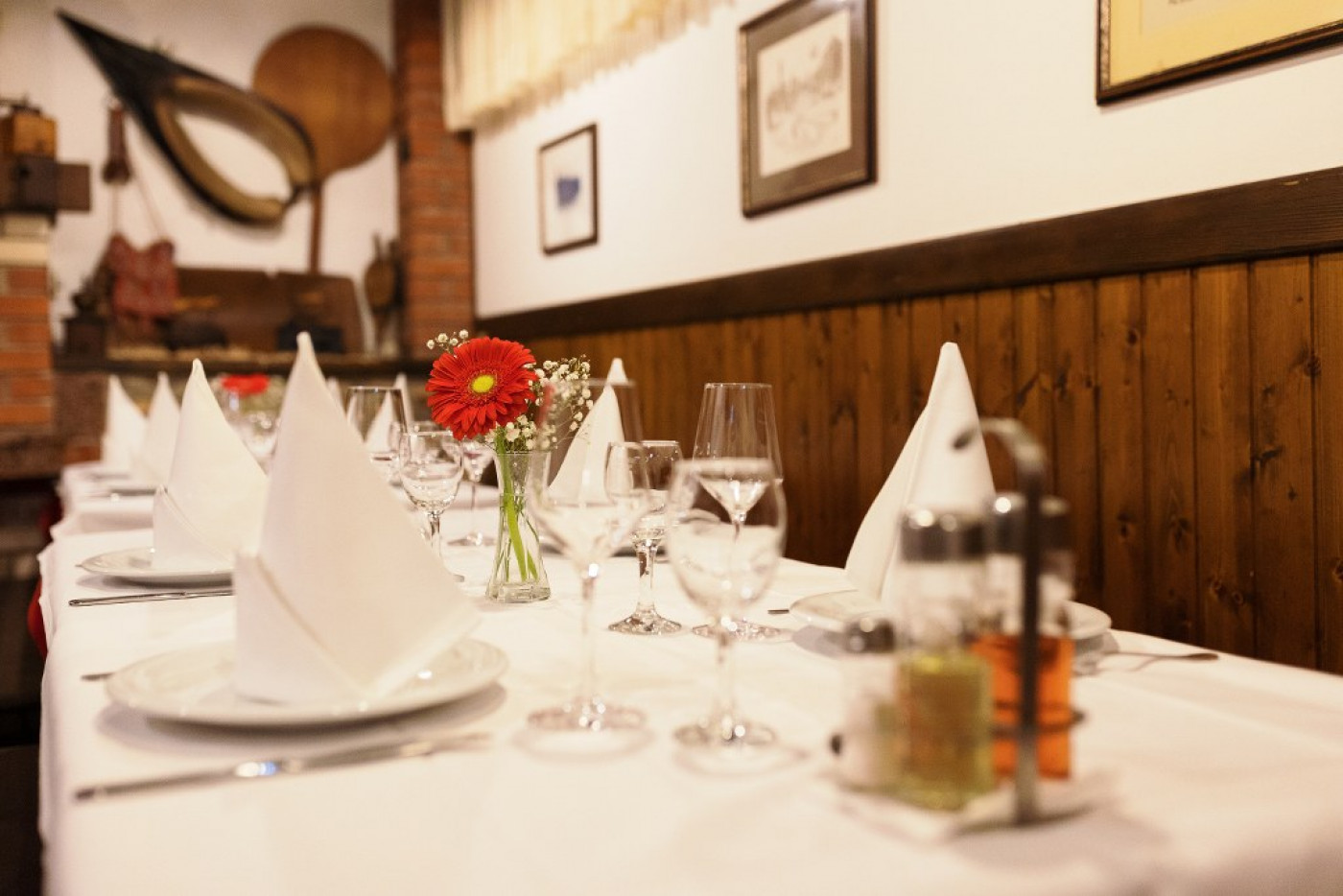
Even when Stanovi was only a suburb of Zadar in 1965, the local caterer, Marijan Surać, boldly decided to open an inn next to his family house. Giving it the name "K Marjanu" (At Marijan's), he wanted to emphasize his intention to welcome his guests wholeheartedly as a real host. The family business was continued by his son Darko, who, in the following decade, made his father's inn one of the most popular places to enjoy the traditional dishes of this area. Even today, when Darko's son and Marijan's grandson Zvonimir runs the business, the popularity of the small inn in Stanovi has not declined. It has retained its regular clientele, who are expected to make an appointment in time and order what they would like to eat. It has not pretentiously turned into a "restaurant", and the owner still consistently respects the tradition that "K Marijanu" closes its doors in early summer and reopens in September. This is quite atypical for tourist Zadar, although the visitors to our city can always enjoy the top-notch dishes of the tavern if they decide to come here in spring or autumn.
Today, "Kod Suraća", as the people of Zadar colloquially call this inn, remains a synonym for top traditional dishes of the Zadar region. Black cuttlefish risotto, cod, turkey under the baking lid, young lamb on a spit or under the baking cover in the spring are all excellent and straightforward homemade dishes that the Surać family still prepares for their guests. If you arrive unannounced, you will not be hungry - Zvonimir's mother Gojislava, the head cook, will roast for you homemade sausages - divenice, and pečenica (tenderloin) – meat cut from each side of the pig's backbone, dried pork chops.
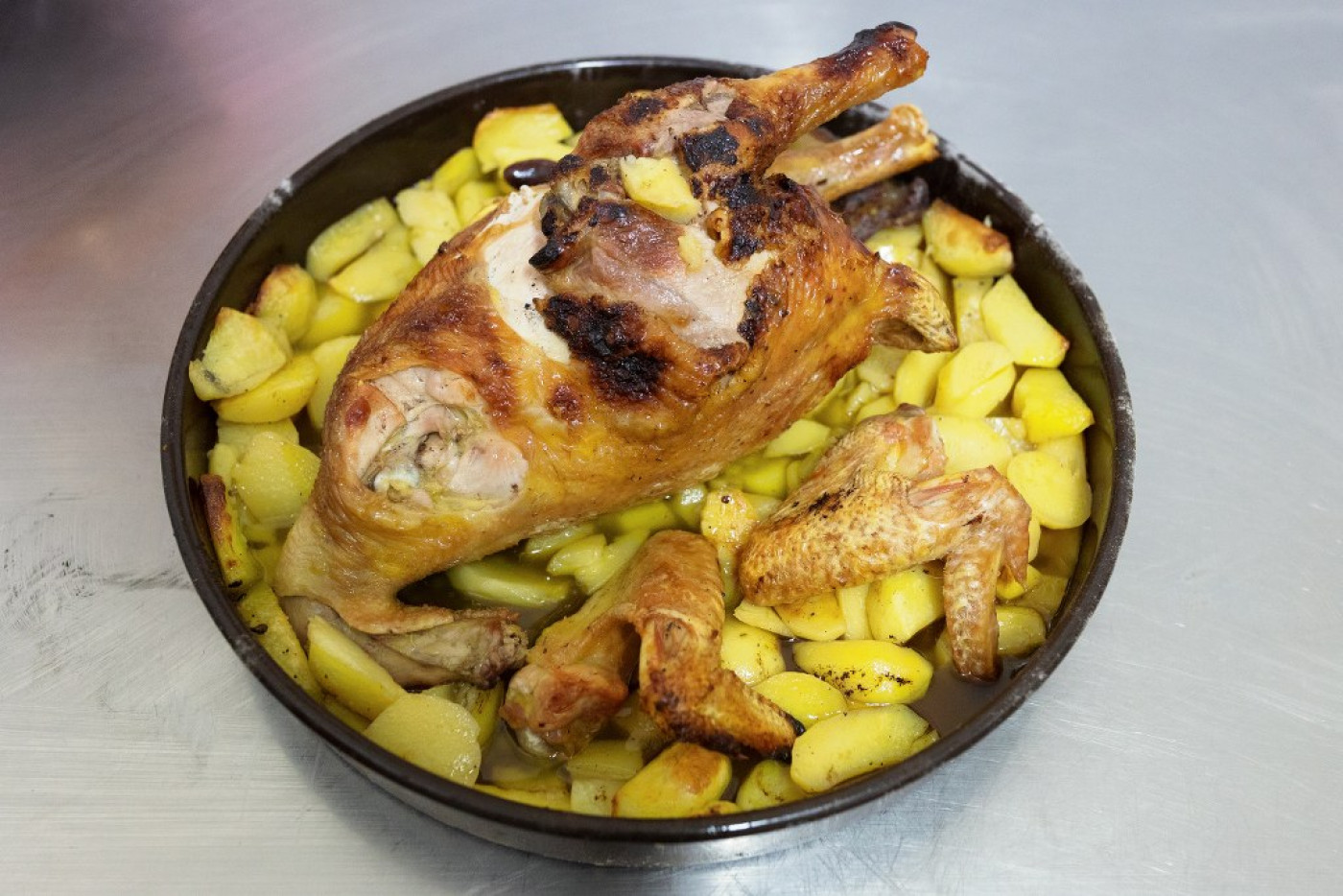
However, our pulaster, an only just grown chick roasted under a baking lid, is the real star of the Surać family's menu. Today, it is necessary to have a good knowledge of the local market and even small producers in the broader surroundings of Zadar to provide enough real free-range pulasters, such as we described at the beginning of the story. The Surać family, due to their long years of work and experience, relatively easily purchase pulasters for the needs of their inn. When they arrive in Mrs Gojka's kitchen, the preparation is simple.
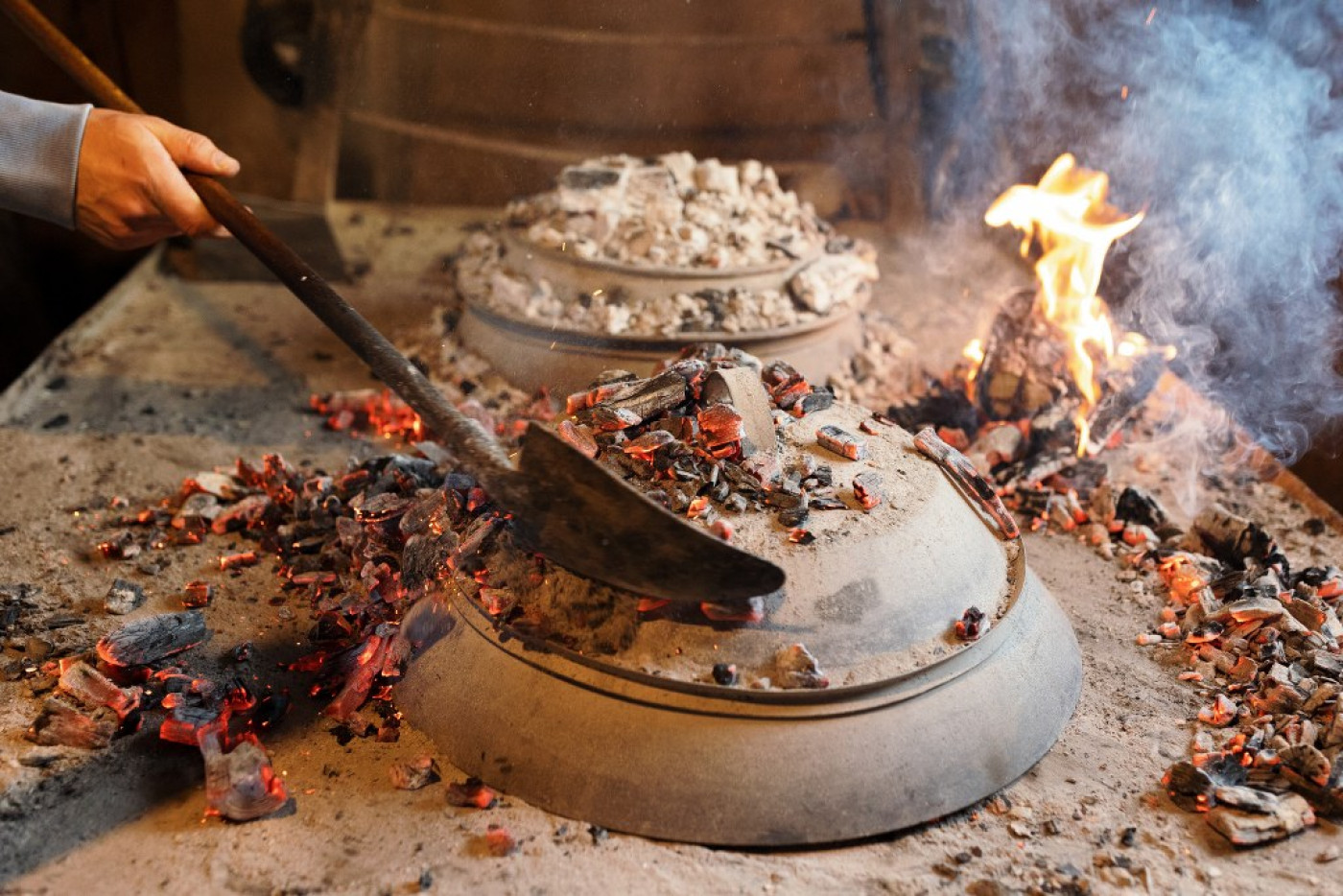
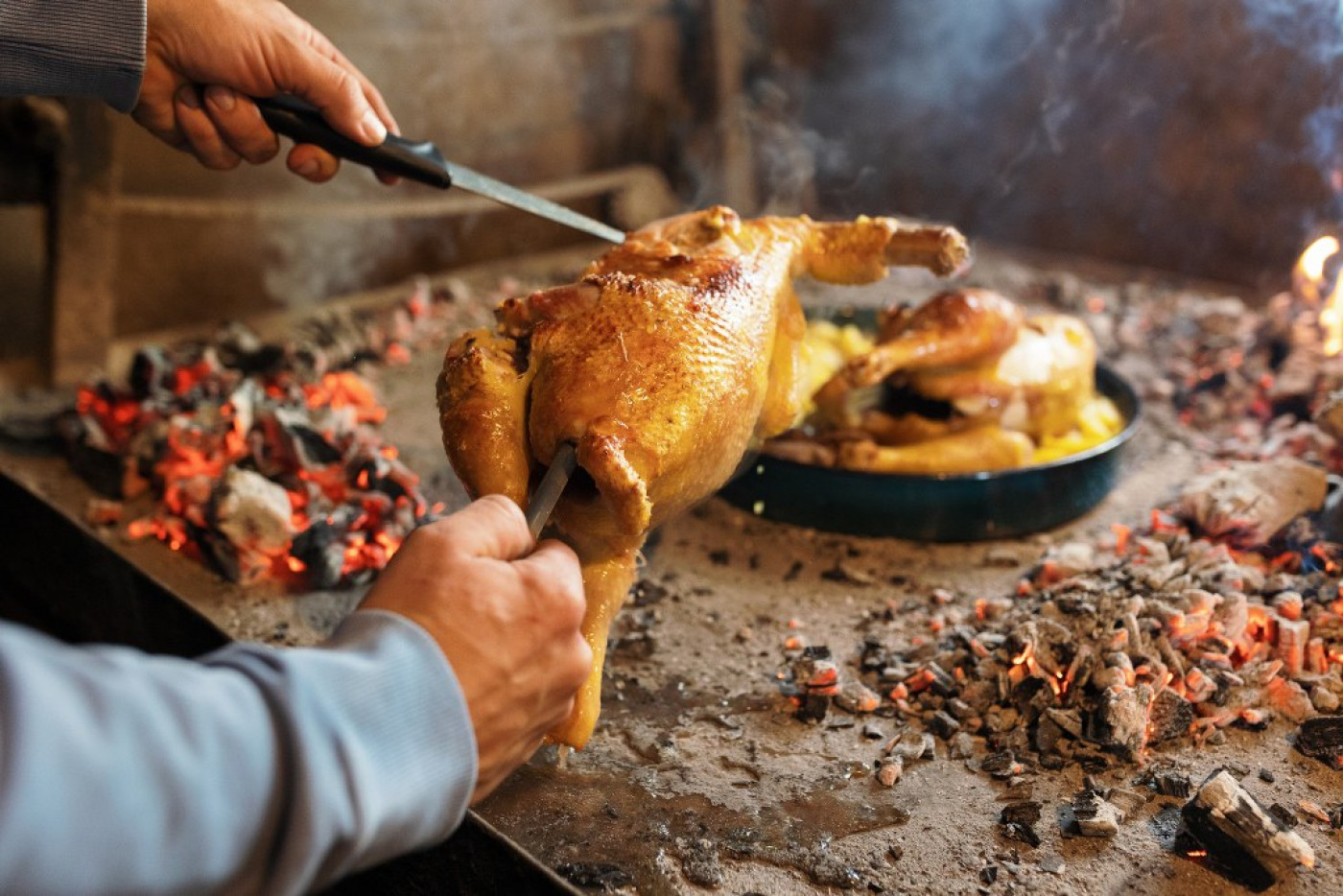
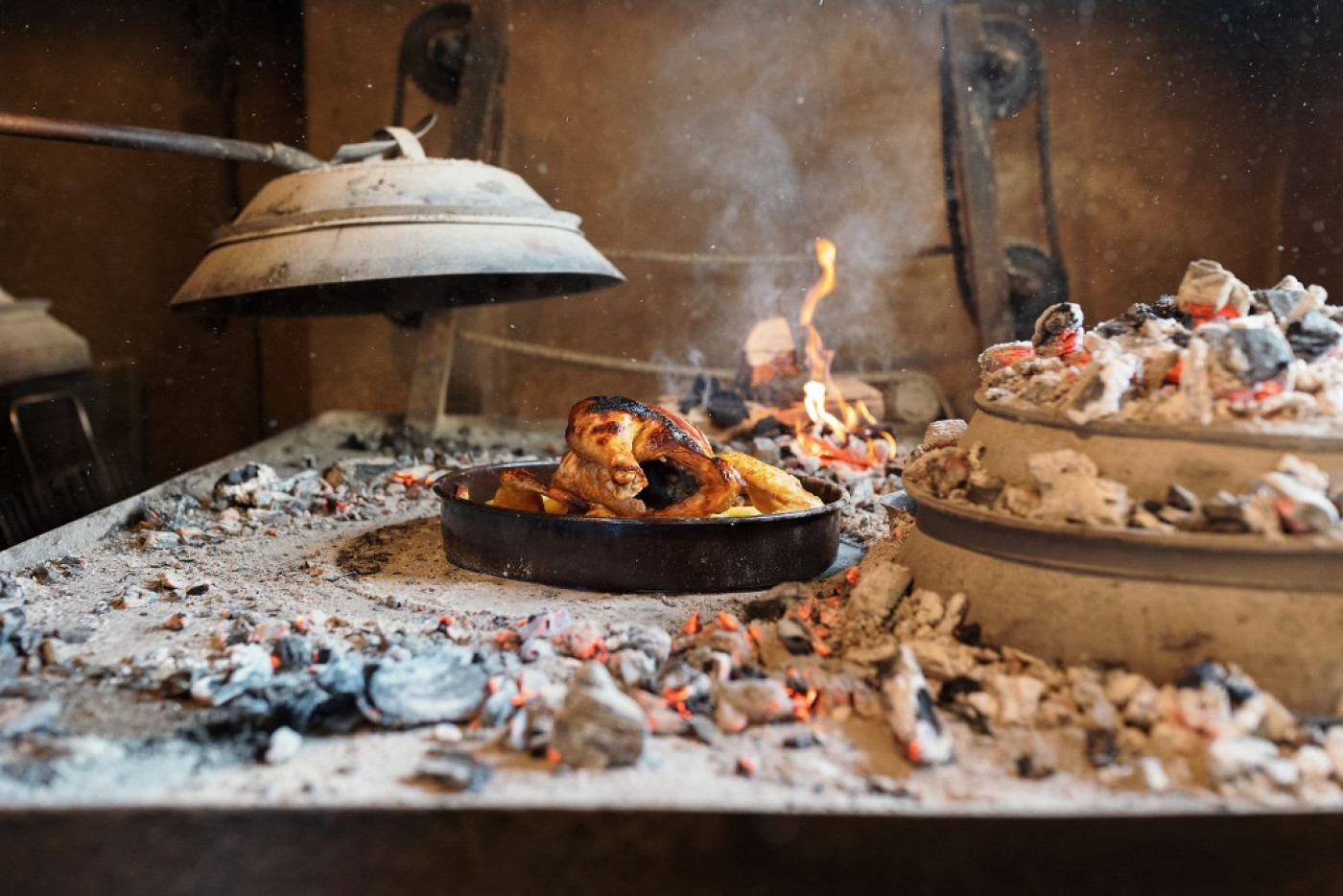
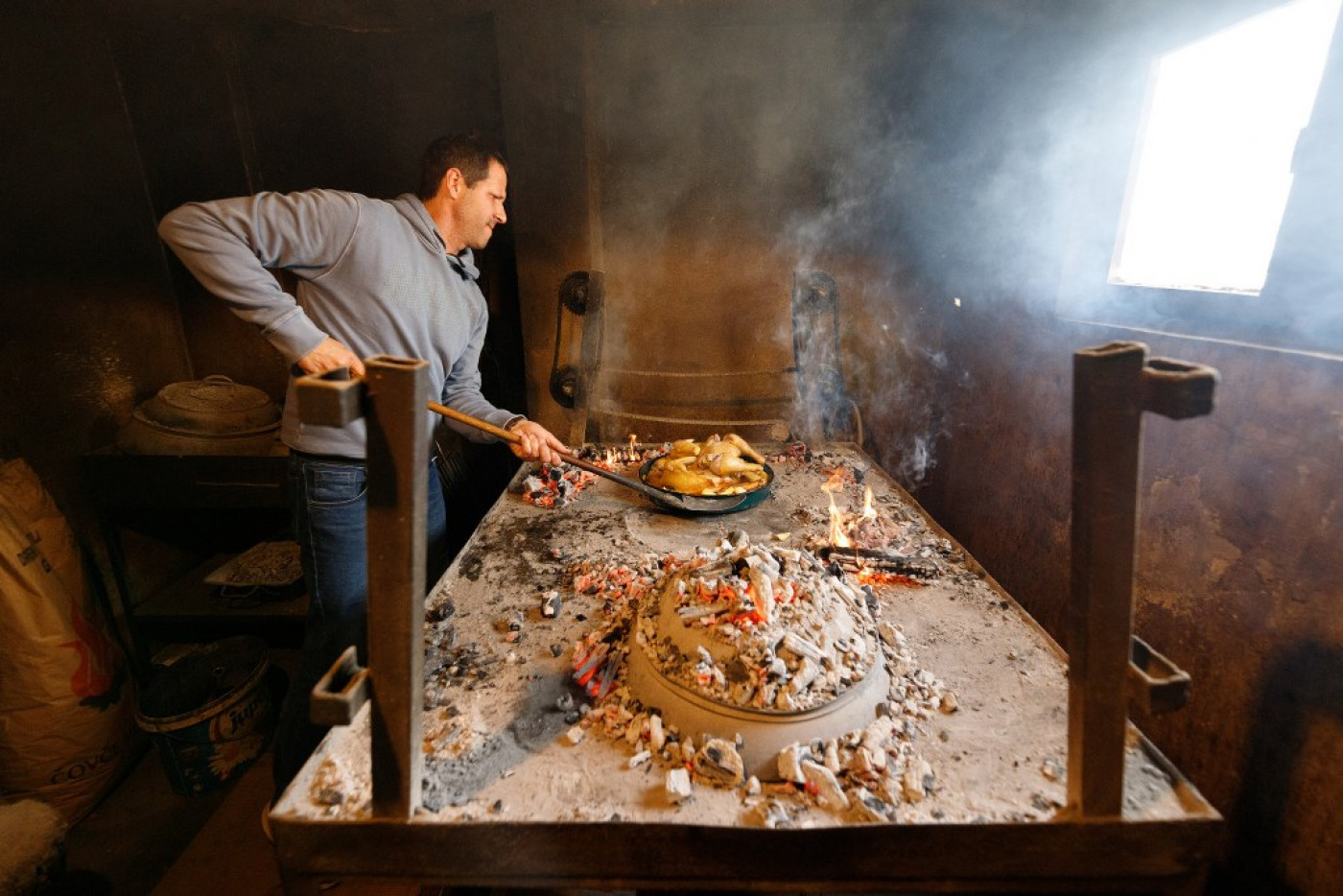
She will salt and oil the cleaned chicken well and the potatoes that are roasted in the same pan. During that time, Zvonimir has already prepared enough warm ash and live coals to make the baking lid hot, so our pulaster only needs an hour's roasting in that prehistoric cooking device. The pulaster's muscles softened, even the tendons became edible, and the potatoes placed around it soaked its most valuable juices.
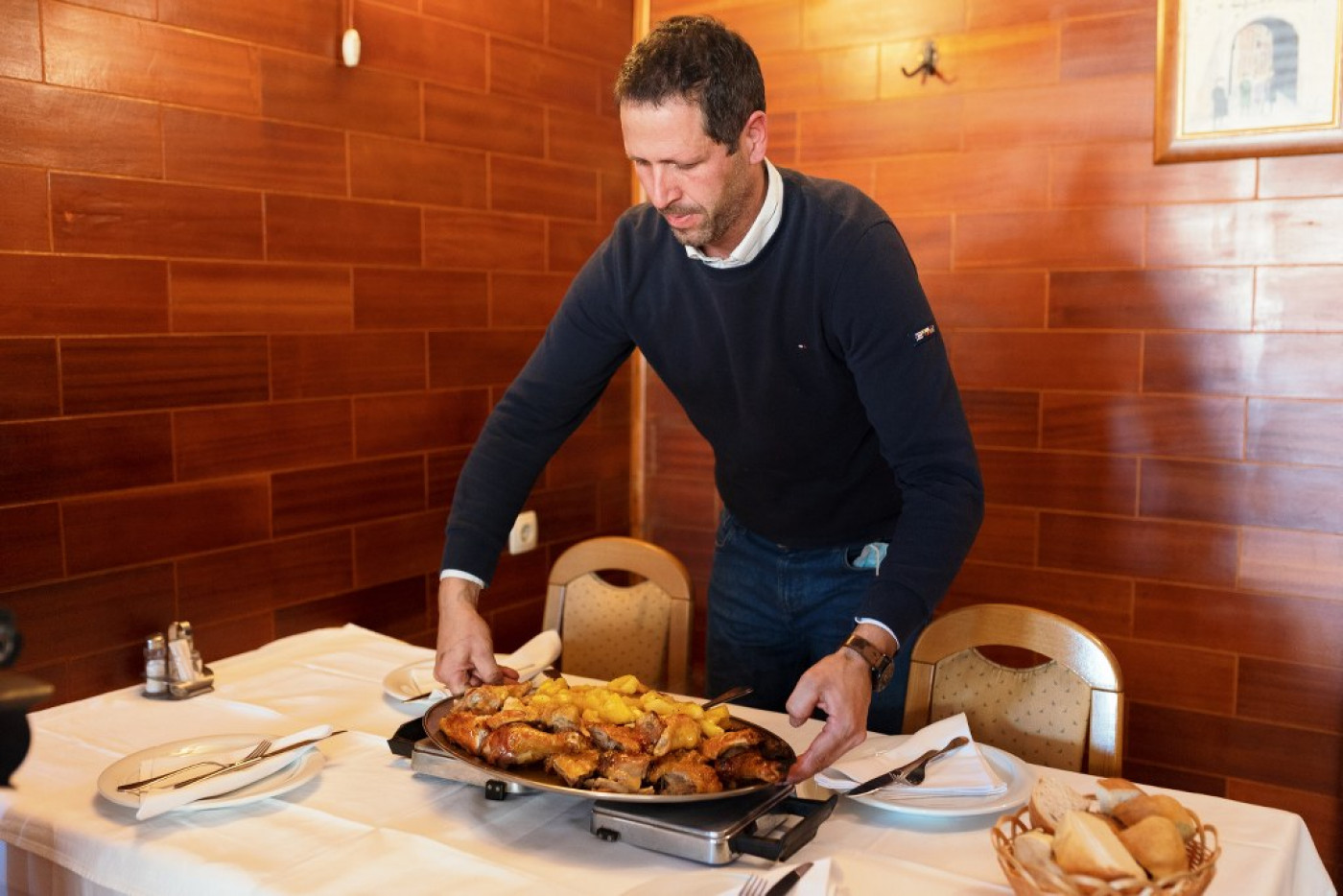
And when the cook cuts the pulaster into decent portions, both your nose and palate will enjoy every bite, the meat and potatoes will melt in your mouth, a little of sauerkraut seasoned with good olive oil will be a logical addition to these blessed bites. Every gourmet soul will thank heavens, nature, God… for such gifts. And feel lucky, of course, to live in times when these perfect yet straightforward dishes are still available.
Voir la vidéo
.
Veux-tu savoir plus?
Propositions