


16.01.2024.
Maraschino was Enjoyed by the Elite, and Zadar's Vlahovac by the Entire World
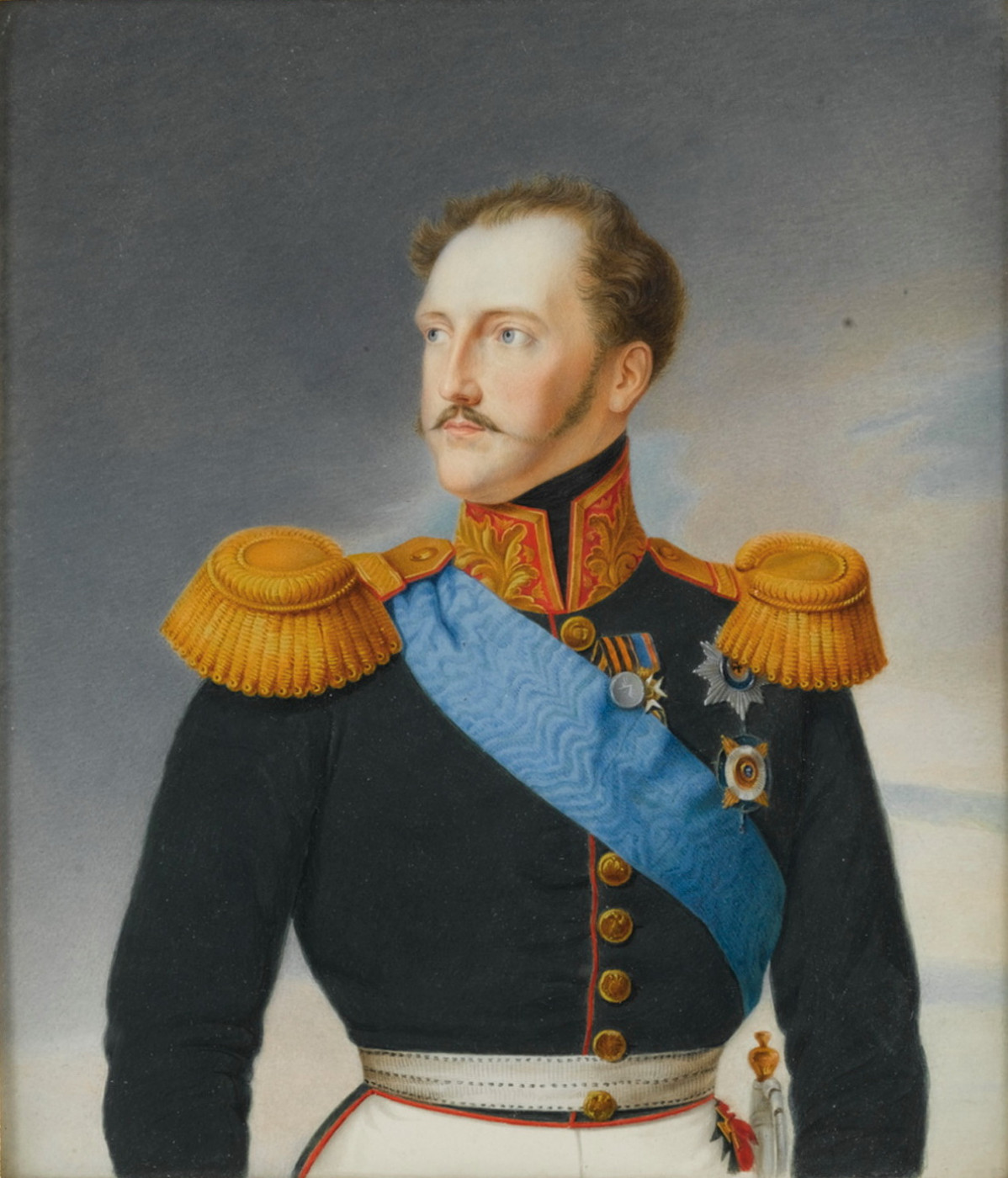
Zadar's Maraschino has always been an elegant drink of the European and world elite, so it is known that the legendary lover Casanova, the French Emperor and military leader Napoleon Bonaparte, the writer Honoré de Balzac, the Hollywood director Alfred Hitchcock as well as the Russian Tsar Nikolay I Pavlovich, all enjoyed the taste of this famous liqueur made of Maraschino cherries.
The British King George IV was definitely one of many lovers of Maraschino, who, for example, sent his warships to pick up boxes of this Zadar liqueur. The story of another famous Zadar liqueur, Vlahov, or later Vlahovac, may not have been so glamorous, because this herbal aperitif with an extremely bitter taste was not a drink enjoyed only by the elite. It was enjoyed by everyone.
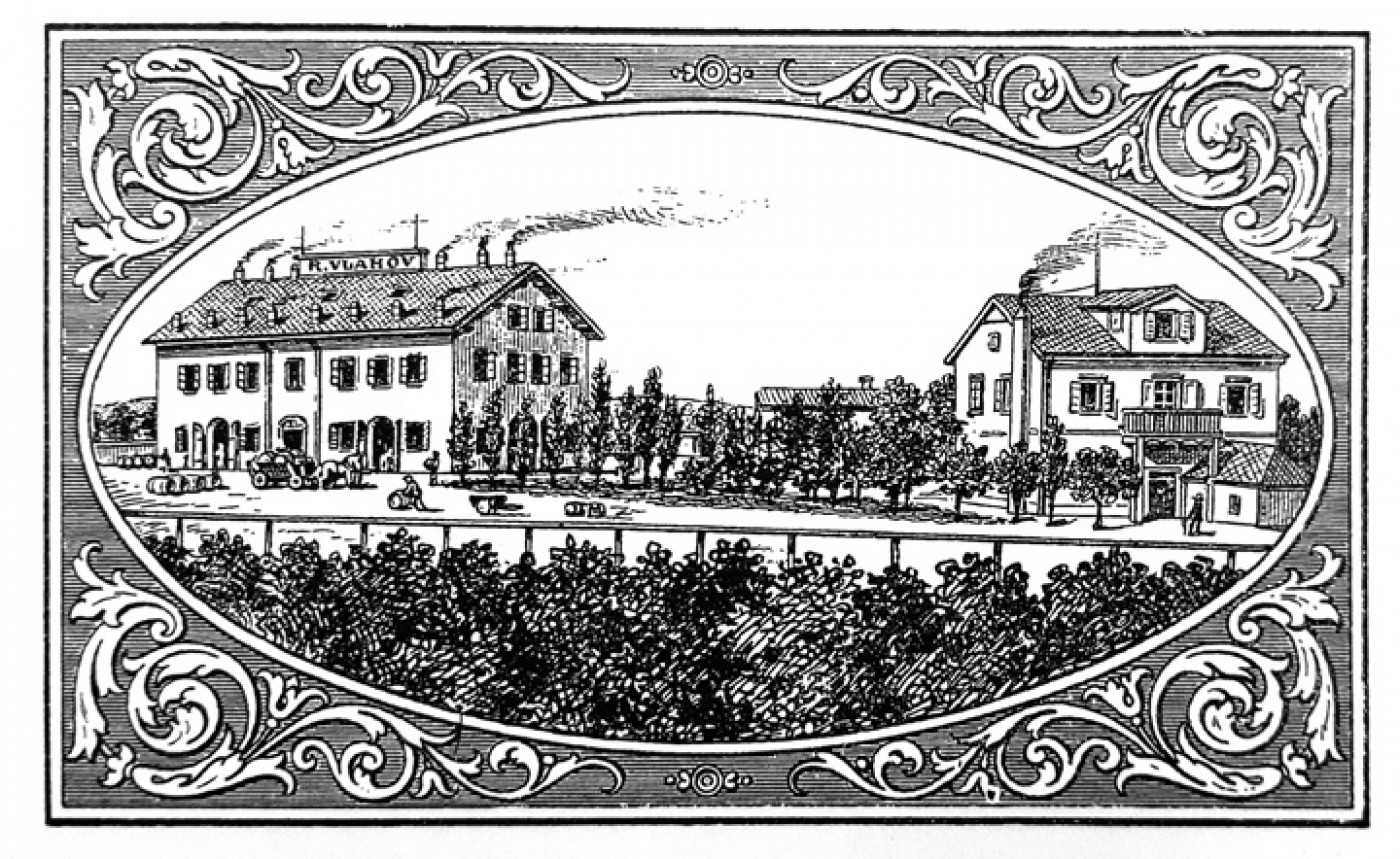
This certainly does not mean that it was of lower quality or less appreciated by the lovers of a good drop: Vlahov liqueur spread all over the world in just twenty years, and could be purchased at pharmacies and liqueur stores in England, Russia, Spain, the United States, China, India, Turkey, Japan, Persia and Egypt. While Maraschino, as a more famous and much older ancestor of bitter Vlahov liqueur, has been produced since the 16th century, when its authentic recipe was created and written at the Dominican Monastery in Zadar, the fate of Vlahov is connected to the name and story of its creator – the beverage manufacturer and industrialist, Roman Vlahov. The entrepreneur Vlahov, a Prvić island native (1838), moved with his family from Šibenik to Zadar, where he built his own plants and a modern factory in 1886 for the production of liqueurs in the area of Brodarica. Although Vlahov also produced Maraschino and some other types of liqueurs (the famous Amaro Zara) in Zadar, and before that a now forgotten and lost Šibenik maraschino at the distillery in Šibenik, this entrepreneur from Prvić actually became most famous for Vlahov liqueur as an "invigorating stomach elixir" and "awarded at all world exhibitions" - as advertised by the R. Vlahov factory.
Vlahov is an aperitif made from about twenty types of medicinal herbs and various roots of aromatic plants, which makes it a valued and special elixir. The most important and basic ingredient of the liqueur is grape brandy, in which shells of green walnuts were soaked, and even today this brandy is made in the same way by Šibenik hosts, mainly to improve digestion and after eating fatty foods. It is not known whether Vlahov took the elements of this famous and simple digestive elixir from the Šibenik folk tradition, or whether the people of Šibenik learned how to make it from Vlahov after seeing the miraculous effectiveness of his elixir, but one thing is for sure that Vlahov was sued to the authorities. He stepped on the toes of pharmacists or pharmacologists of the time.
The story goes that the enterprising man from Šibenik, with a later Zadar address, had been tormented for a long time by a disease accompanied by a fever, so a friar from Split offered him his herbal elixir. As it had obviously helped him, Vlahov then perfected and supplemented this recipe, and he was completely cured by it. In addition to his health, the elixir brought him business success, because Vlahov distributed his alcoholic beverage to sick Šibenik farmers and villagers from the area, whom it also helped, so a positive word of mouth was the best possible advertisement for this future product. But pharmacists from Šibenik, on the other hand, were not so enthusiastic about the competition, so they sued him to the authorities. The liqueur was finally tested and accepted in 1869, after which it was approved for public sale in shops, catering facilities and pharmacies. Very soon the whole of the then Austrian province of Dalmatia was flooded with the new liqueur. Vlahov started the liqueur production factory in Šibenik, which was also one of the earliest such factories in Dalmatia, and the next step was the building of a factory at Zadar's Brodarica, which still exists today under the name Maraska. As the investment in the new Zadar plants amounted to more than a million fiorinas, and the products were a great success, Zadar's Il Dalmata praised it by writing: “It is a wonderful company the biggest cities could be proud of. Every day, barrels and packages of bottles are shipped from their company, where many families find their work and earn money.” Although the distillery business was first started in Šibenik, Vlahov perfected it in Zadar, where he gained fortune and fame and when he died in 1895, he was buried in a monumental and one of the most beautiful tombs in Dalmatia. It is believed that his portrait on the tomb was made by the sculptor Bruno Bersa.
During the intensive Allied bombing in 1943 and 1944, some of Zadar's liqueur factories (Excelsior Girolamo Luxardo, Fabrica maraschino Francesco Drioli, R. Vlahov factory) suffered significant damages, so their production process was stopped or significantly reduced. However, due to the importance of factory production of liqueurs for the entire Zadar industry, their renewal was initiated after the liberation of the city. With the consolidation of these three factories at the end of December 1946, a unique company Maraska was created as a Zadar factory of liqueurs, chocolate and candies. Maraska brought its Vlahov or Vlahovac back to life, and as it has been produced under this name and according to the same recipe for 154 years (since 1867), it is considered to be the oldest original alcoholic beverage in Croatia.
Guarda il video
.
Vuoi saperne di più?
Proposte