
05.10.2023.
Stories of Women in the Archeological Museum in Zadar – a New Exhibition
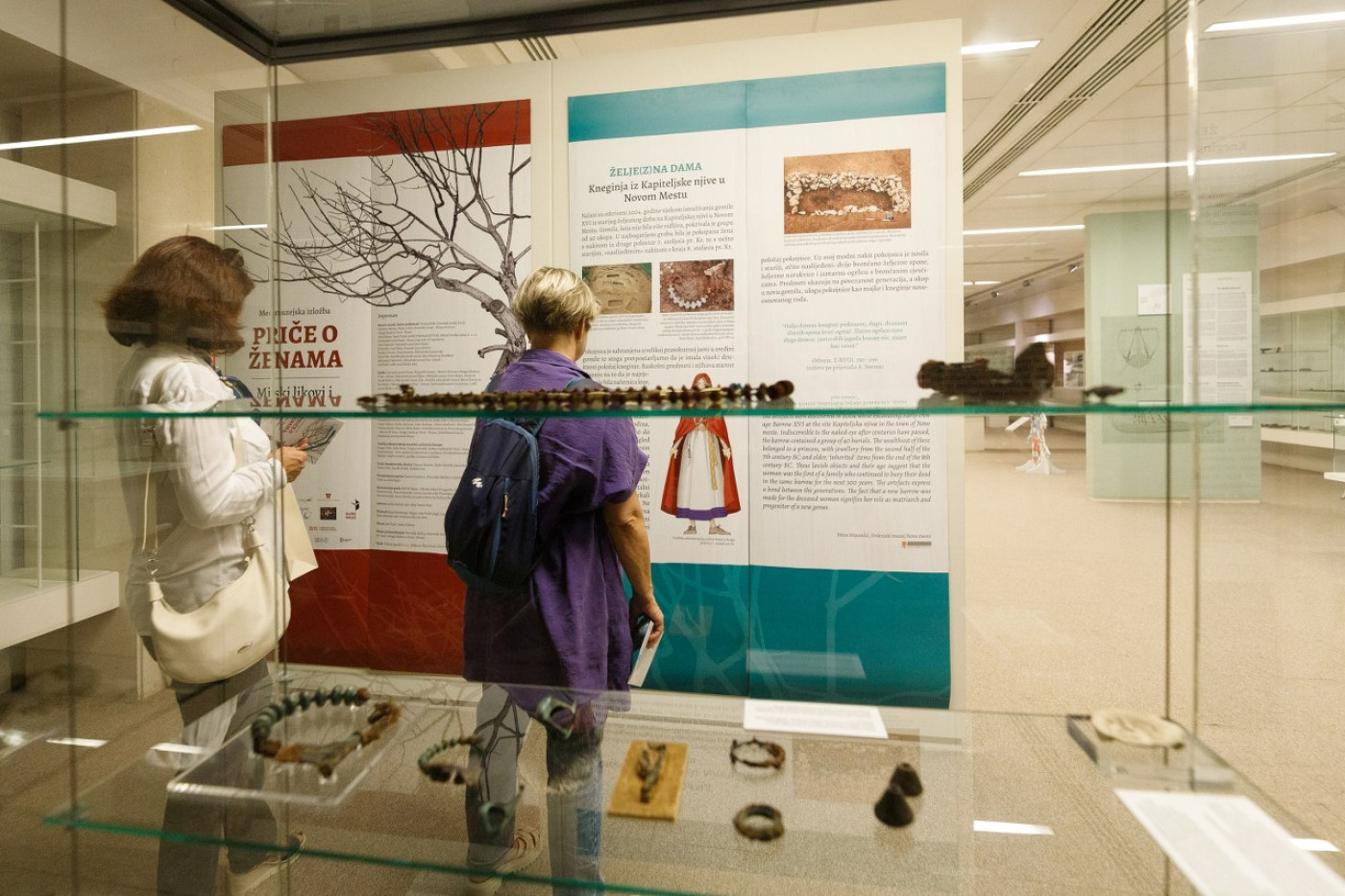
Woman as a mother, slave, queen, mistress, worker, traveler and seafarer from prehistory to the present day – you can see all that in the new exhibition in the Archeological Museum in Zadar open to visitors until November 22.
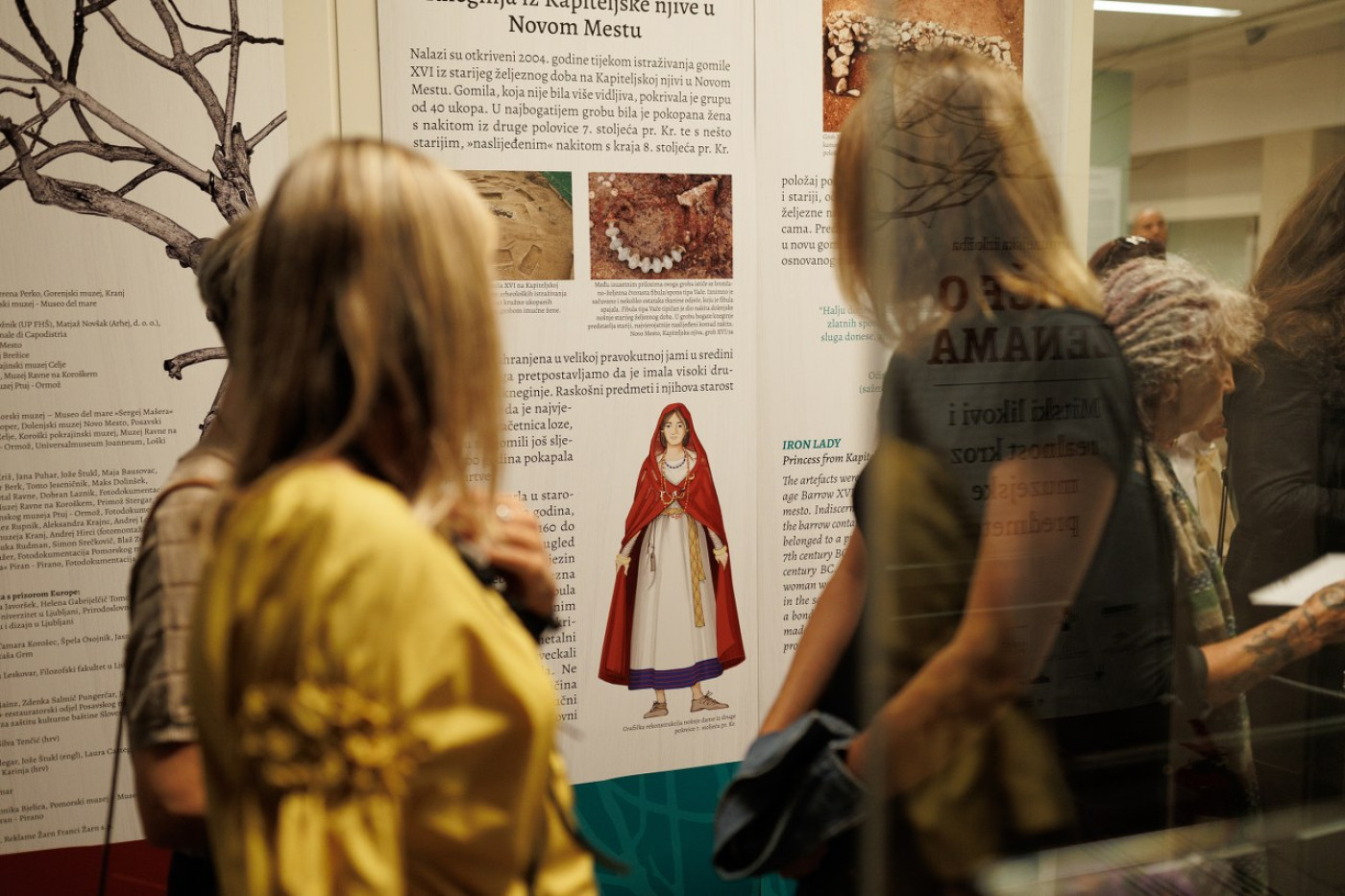
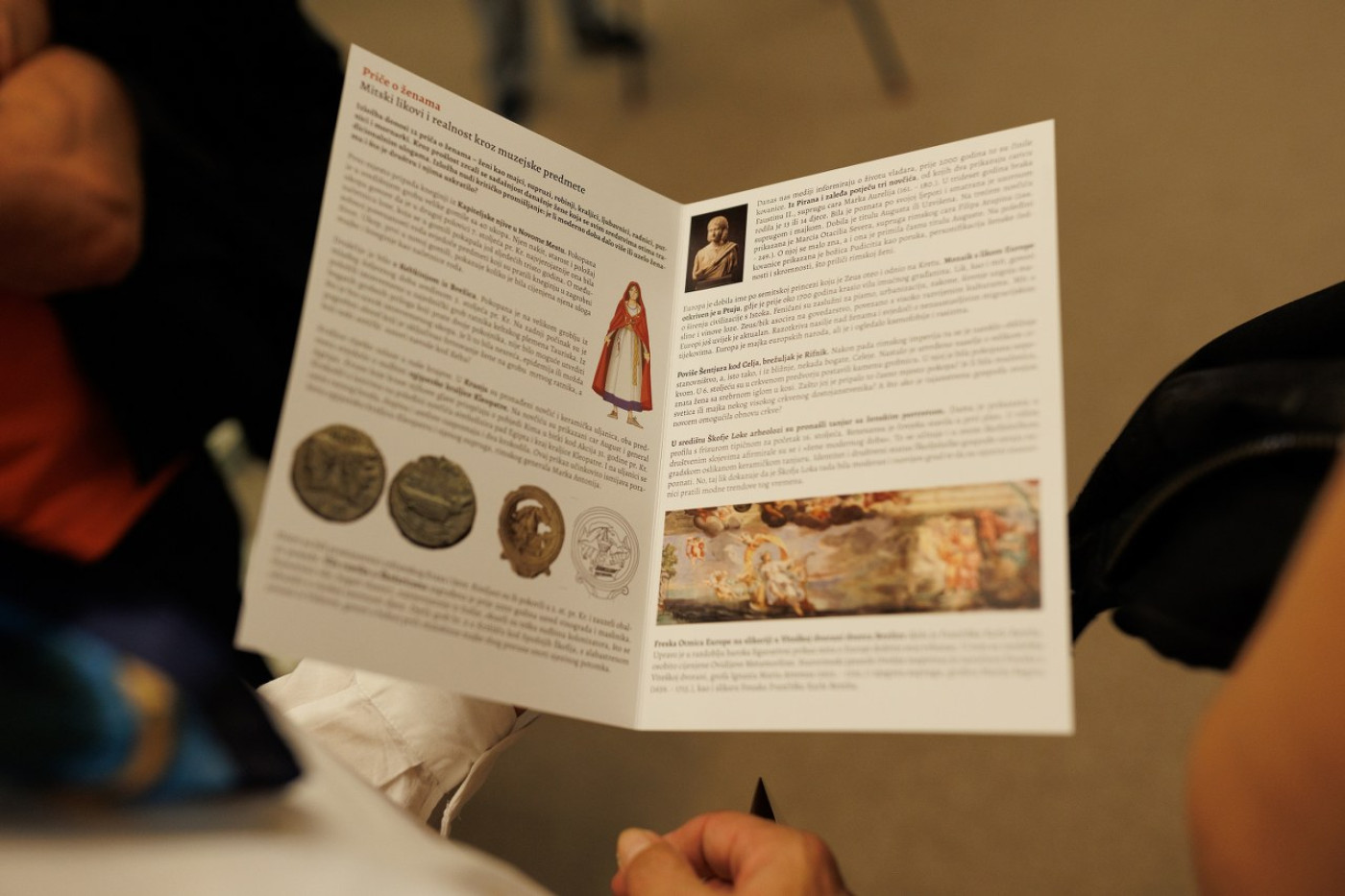
It is a guest exhibition of Slovene museums called “Stories of Women – Mythical Characters and Reality Through Museum Exhibits”. The exhibition shows 12 stories of women from nine Slovene museums through different historical periods, from prehistory to the present day and asks many questions on the very role of women throughout the centuries.
Through the past, the present of today's woman is reflected in women meaning to scramble from traditional roles. The exhibition offers a critical reflection: has the modern age given more to women or taken away from women and what has society withheld from them?
– Through the represent stories and archeological artifacts, in other words the role of women in different situations, we meet a woman ruler, princess, mother, maid, worker, even a seafarer. It is certainly worth highlighting the oldest story. It is a story about a woman princess who had a special status somewhere at the end of the 7th century BC. The exhibition includes Alm Karlin, a lady who lived at the end of the 19th and mid-20th century. She was a well-known writer, journalist who travelled the world alone without male company which was impossible at the time. Among the objects on display, the alabaster urn that belonged to a child is very important. It is an antique urn, but it actually represents the role of a mother grieving for a child who died prematurely - Petra Stipančić, the curator archeologist from Dolenski Museum from Novo Mesto, told us.
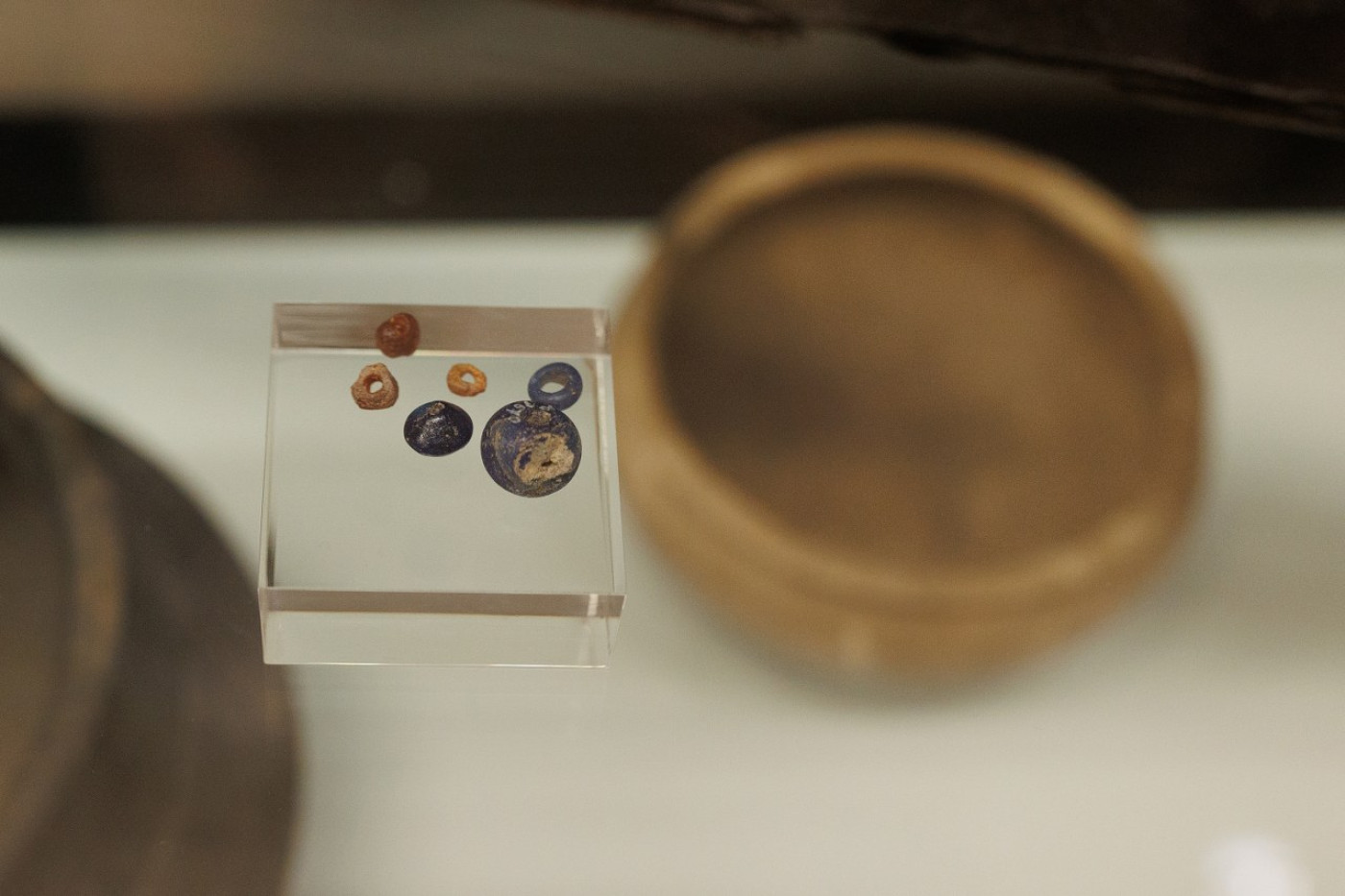
The exhibition also provides answers to questions about the role and responsibility of women today and in the past, and shows that this process has changed over time. The exhibits that belonged to a princess from Kapiteljska njiva in Novo Mesto indicate that she was buried in the central grave of a large tumulus with 40 burials. Her jewelry, age and burial position indicate that in the second half of the 7th century BC. she was most likely the originator of the lineage.
Furthermore, a very interesting story is the one of a writer and journalist, world traveler, amateur researcher, but also polyglot, Alma M. Karli. She exceeded all possible limits in her time – the limits of physical limitations, gender, social class, national identity, physical distance and even longtime limits.
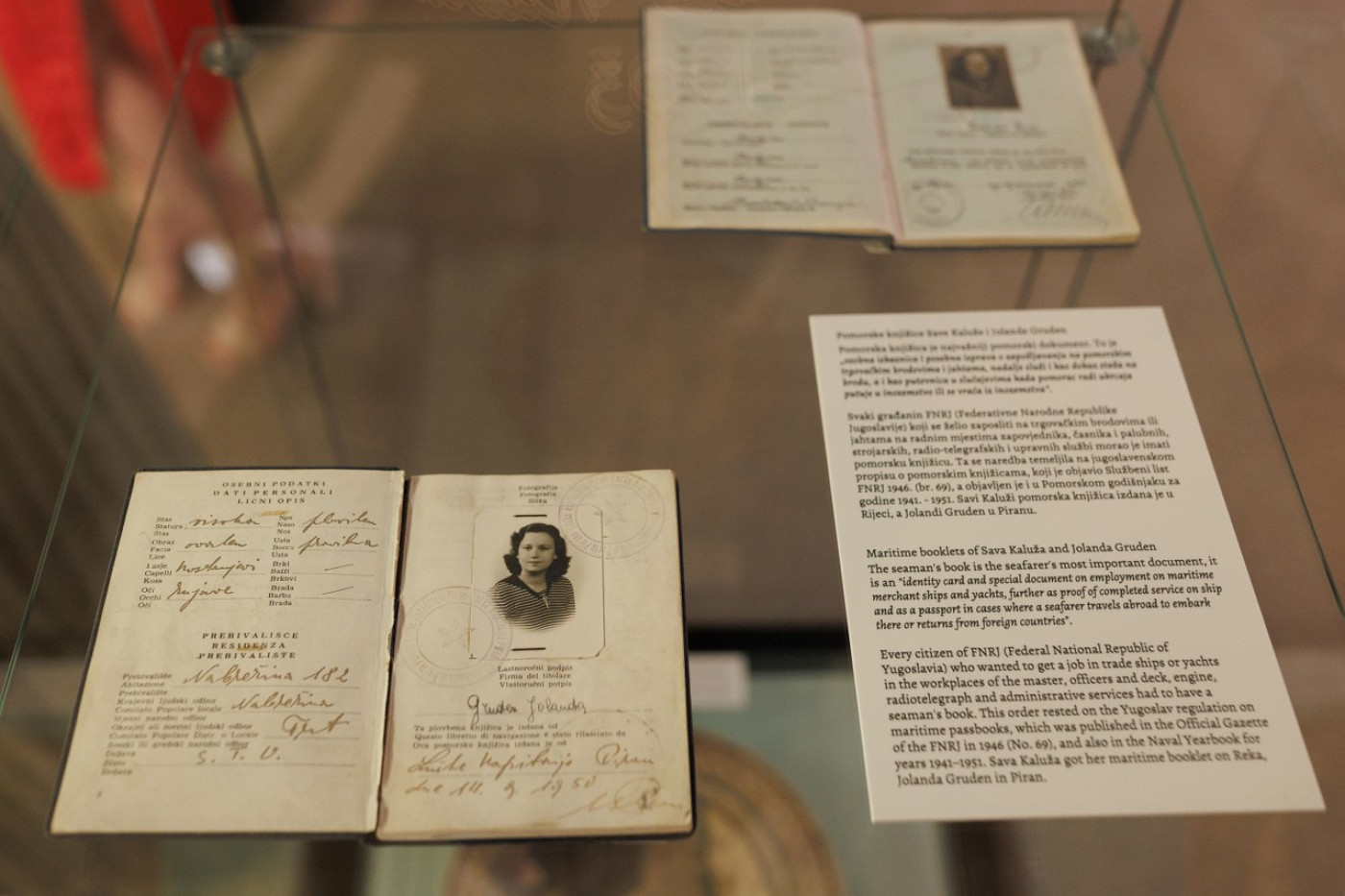
Do not miss the story of Sava Kaluži and Jolanda Gruden Mažer about the involvement of two young women in the traditionally male profession of a seafarer. Their education and service became a role model for many girls.
– Each museum has placed one or more exhibits through telling stories about women through further centuries so that we can see the position of women in society in different periods, in the Iron Age, Roman Age, Middle Ages, until recently. Through all these stories, you can see how the role of women has changed and we can resonate with how we see women and their role in this western sense of society today. If we look at the Iron Age woman, she had a big role, the woman was at home, she was a public person and held a position for her husband and son. It was a responsible role that she knew how to maintain in a feminine way - concluded Dr. Maša Sakara, museum advisor at the Kopar Provincial Museum.
Archaeological Museum
Trg opatice Čike 1
Tel: +385 (23)250 542
Tel: +385 (23)250 516
.
Vuoi saperne di più?
Proposte
Exhibition of the World-Famous Photographer Jadran Lazić in Zadar
10.06.2022.
History
Zadar Had the Most Beautiful Cinema in Austria-Hungary
01.02.2022.

Novità
Advice on Self-Protective Behaviour
01.07.2021.

Gastronomia
Buzara Made of Novigrad Mussels - a Top Delicacy Available to Everyone
16.06.2021.