

11.04.2022.
Zadar Region Wild Plants: Asparagus Prepared by Chef Jakov Meštrović
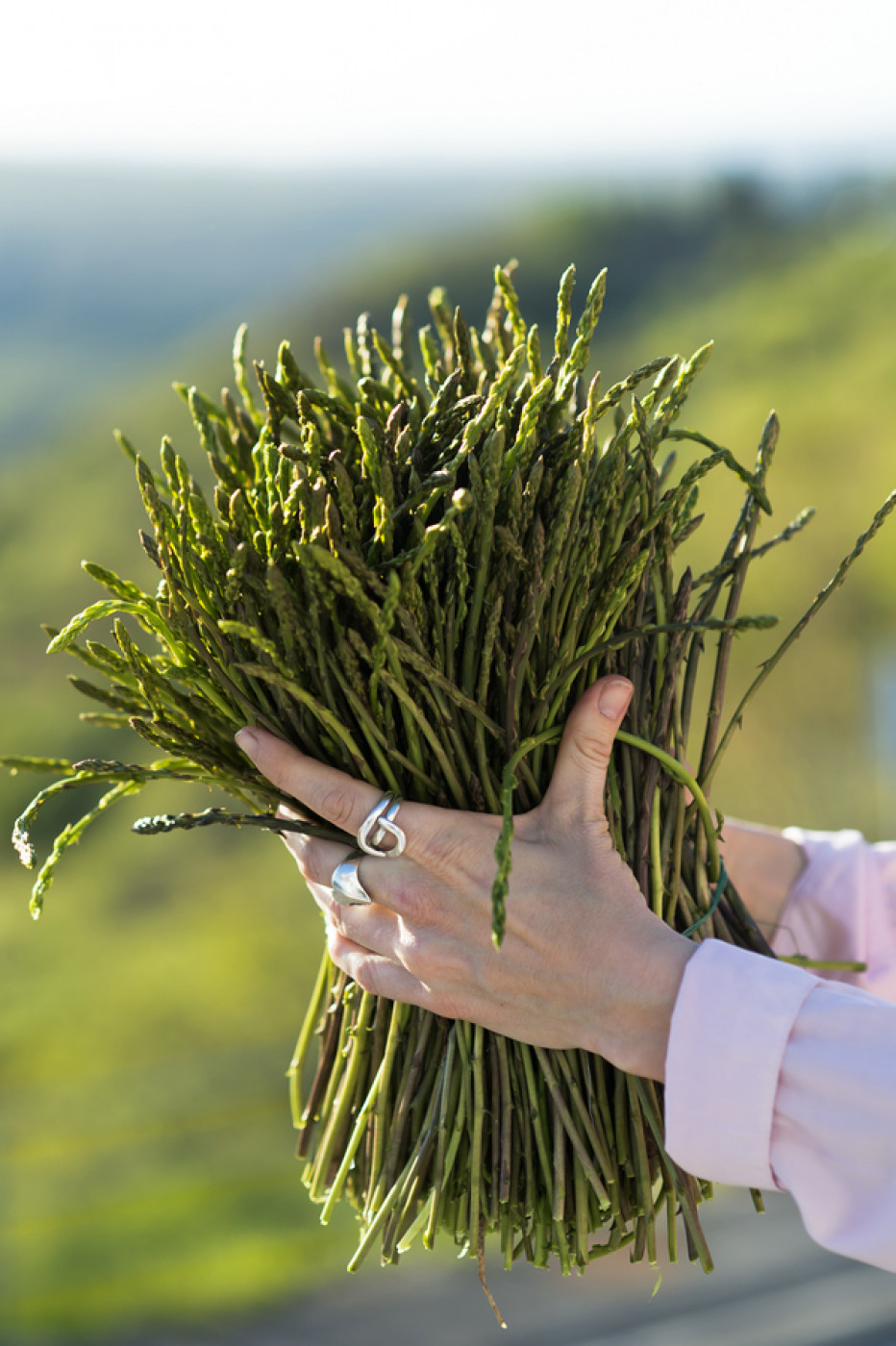
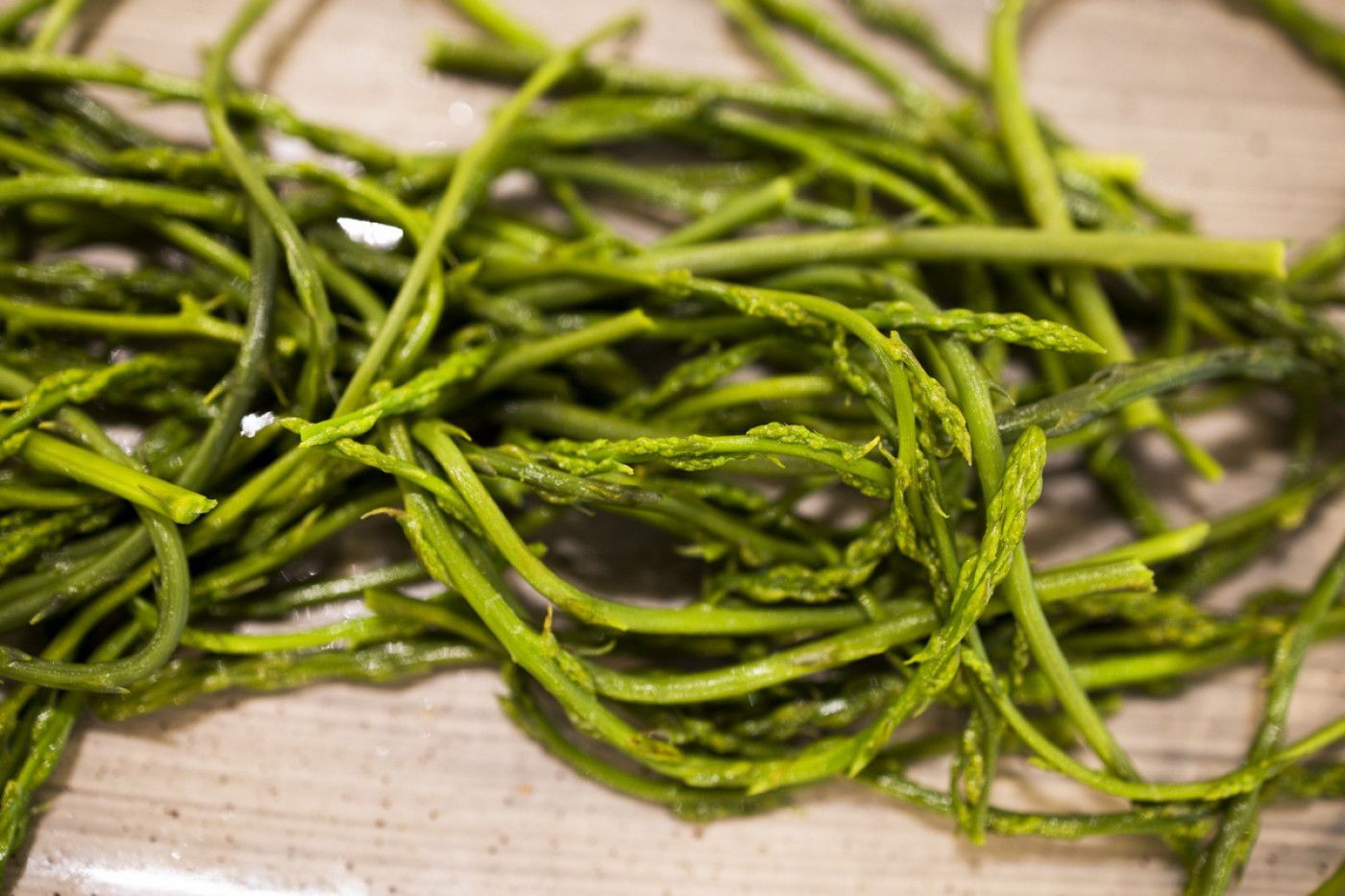
Already by mid-March, sometimes even earlier, wild (sharp-leaved) asparagus sprout in the entire Zadar county. It is a favourite local spring gourmet delicacy.
When winter temperatures subside and spring rains soak the soil, at a speed almost visible to the naked eye, from the ground along dry-stone walls, in macchia bushes, on meadows and forest glades, under island olive trees, in the karst of the rocky part of Zadar hinterland, on the outskirts of Zadar, on its islands and even somewhere in the city itself, thin green and brown wild stalks spring up. With only a little culinary knowledge they can easily be turned into a dietary, healthy and above all delicious dishes.
Tasty, as Well as Good for Your Health
Natural scientists have registered about 300 species of asparagus, of which only 20 are edible, and to most of the world the most famous is the domesticated asparagus, a seasonal vegetable grown outdoors or in greenhouses, in any case with the help of human hands. It is, of course, that asparagus that we buy in malls.
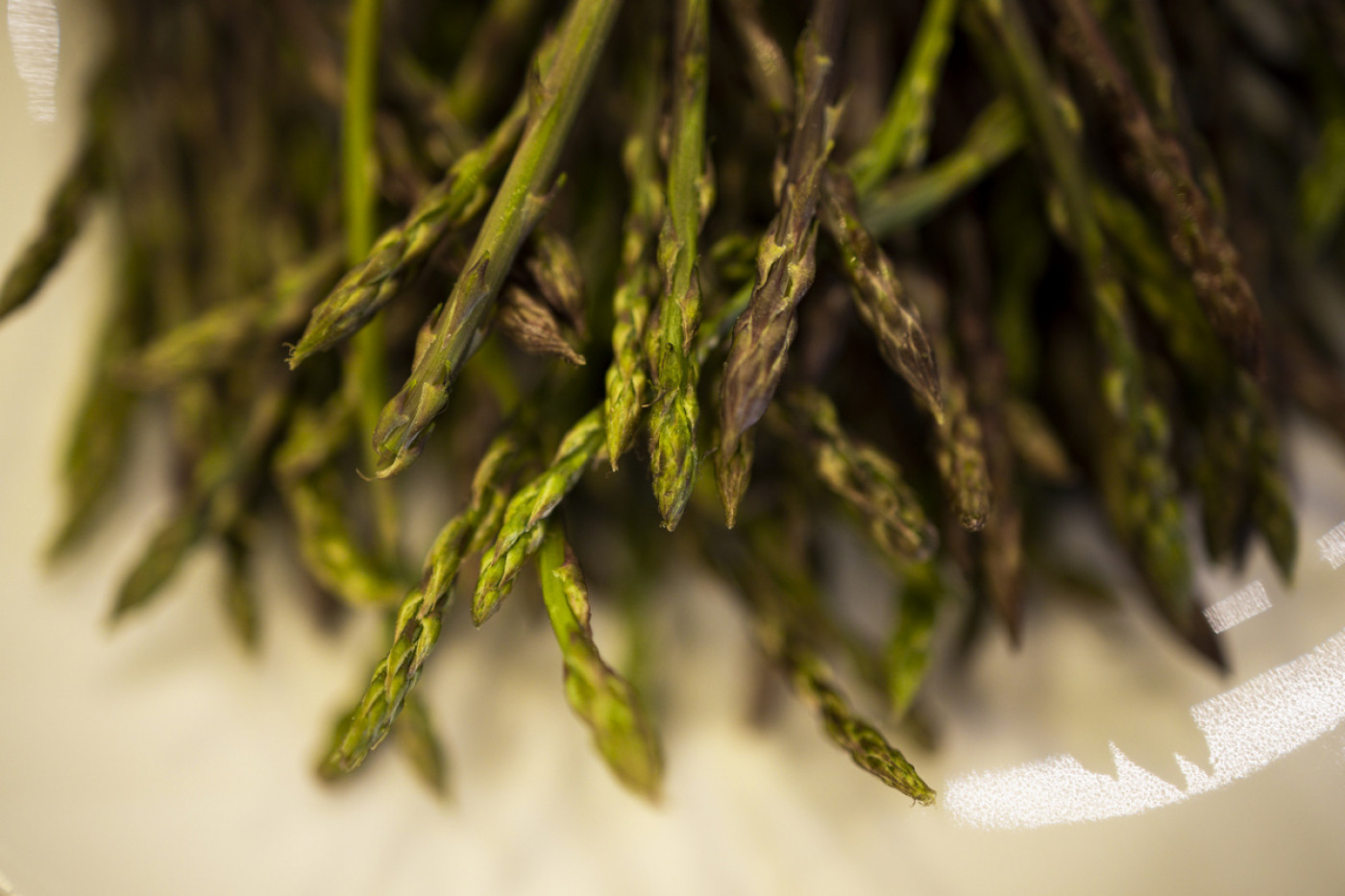
Its ancestor and distant cousin, the wild asparagus, is a typical plant of the Mediterranean. These two species differ both in looks and flavours, where the domesticated one is thicker and milder in taste, and the wild one thinner, more elegant and considerably bitterer in taste. True lovers of the wild asparagus look at its bred cousin with suspicion. There is almost no household in Zadar that does not prepare asparagus dishes at least a few times in the spring, during the wild asparagus season.
Not only because of its specific and unique bitter taste, but also because of the belief that it is an extremely healthy food, found in unpolluted nature and with many healthy ingredients. It has a beneficial effect on heart disease, it is an excellent diuretic, it strengthens the bones, reduces cholesterol and high blood pressure and cleanses the body. Whether it has aphrodisiac properties, as some claim, is best to check yourself. It is full of vitamins A, B, C and D, but also minerals such as iron, zinc, magnesium, potassium, etc. All these medicinal properties combined with the extraordinary taste make asparagus a superfood, another one in the rich and varied Mediterranean diet.
On the green markets of Zadar and Dalmatia, asparagus is offered regularly and abundantly in the spring. However, we prefer, if possible, to pick this spring princess by ourselves because a few hours of walking and spending time in unpolluted nature brings double benefits: a plentiful, tasty and healthy dinner and a relaxed, oxygen-filled body.
It Has Also Conquered the Restaurant Audience
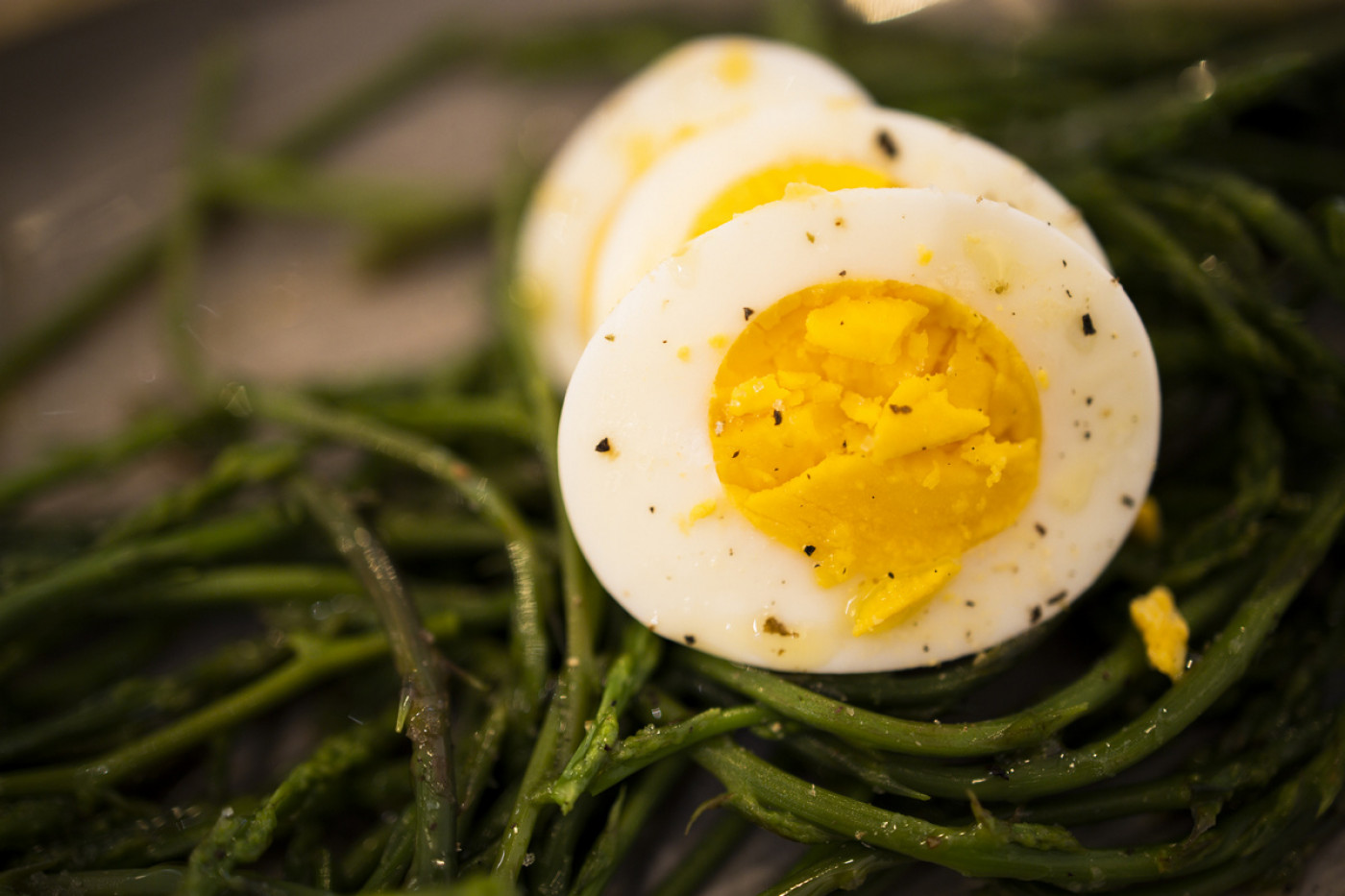
Until about ten years ago, asparagus was consumed mainly at home, prepared in two to three common ways, usually only briefly boiled, to be salted, seasoned with olive oil and, with the addition of boiled eggs, turned into a great salad. Over time, Zadar's restaurateurs included asparagus in their menus, and began to prepare various dishes from this traditional food, from soups to desserts. It was the right path to take: at a time when restaurant guests, tourists, often run away from boring ‘international’ dishes and look for local food, asparagus is an essential seasonal choice.
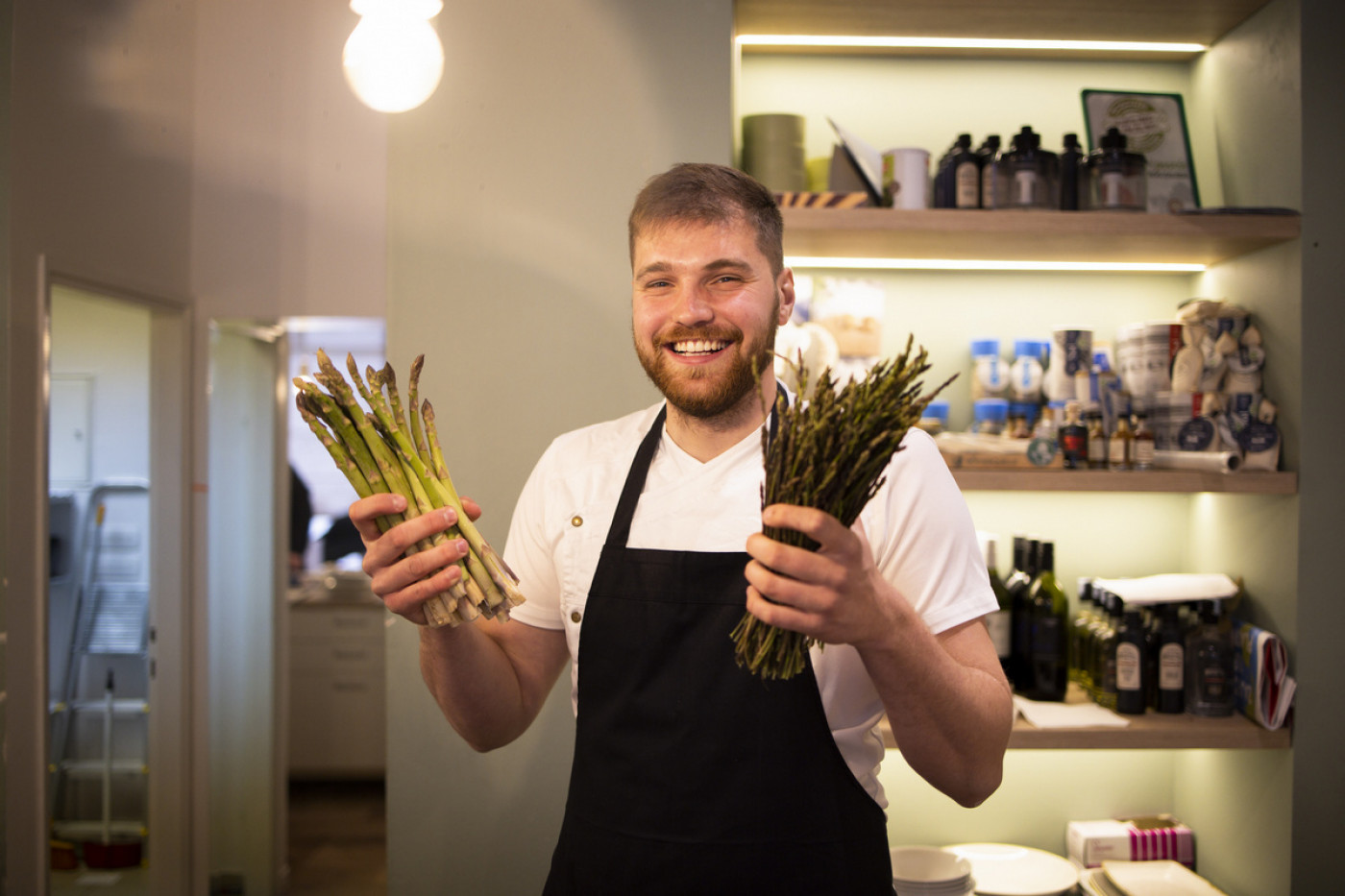
We will present as many as seven asparagus dishes prepared by the young Zadar chef, Jakov Meštrović. In his short but intense career, Jakov gained an impressive body of culinary knowledge while working with and learning from some of the best chefs in Croatia, Mario Čepek and David Skoko, for example. He is often a guest lecturer and instructor at the Zadar cooking school “Zadar Cooking Class” organized by the “Terra Travel” agency, where interested participants learn to prepare both traditional and new creative dishes from well-known local ingredients in a series of single theme workshops.
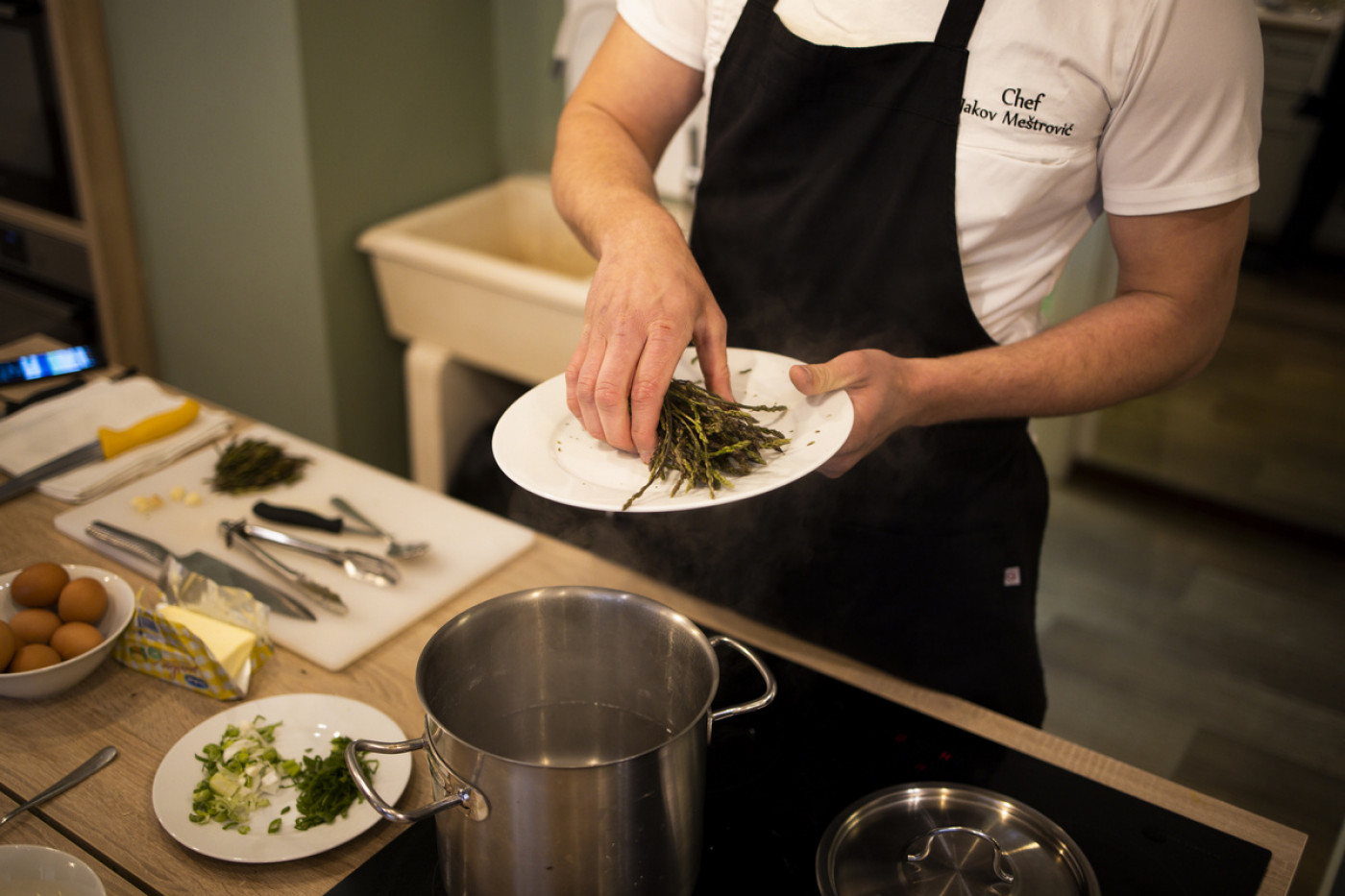
At one of his spring workshops, Meštrović chose asparagus as his theme, and called it “Asparagus in four Stories”. Before starting the workshop and working with a group of participants, he prepared asparagus in three traditional ways: boiled with eggs, in a frying pan with fried scrambled eggs (fritaja) and in a sauce with asparagus and Pag cheese, which he poured over pasta, in this case tagliatelle.
The first dish is simple because the cleaned asparagus (only the soft part of the plant is used, the “head”) are briefly blanched in salted water, and once strained they are mixed with hard-boiled eggs, seasoned with olive oil, a few drops of vinegar (kvasina) and a little salt. Chef Jakov prepared scrambled eggs by frying the asparagus shortly in heated olive oil together with spring onions (kapulica), pouring scrambled eggs over everything and quickly finishing the dish. Simplicity is the secret to perfection! It is precisely in these two ways that the asparagus will be most often prepared at Zadar restaurants.
Asparagus in Appetizers, Risottos and Desserts
Preparing asparagus and spring onion sauce for tagliatelle is not too demanding either. Again (and always!), Jakov fried onions and previously blanched asparagus in olive oil, only slightly flavoured with a little garlic, then he added the already cooked pasta, watered with a little asparagus stock, and finally mixed in a little butter, Pag cheese and, finally, some toasted chopped walnuts.
In the next dish, he combined two spring top products: asparagus, which he cooked earlier, and Pag ricotta (skuta), a unique cheese product that works perfectly in many culinary combinations. Warm and bitter asparagus with cold soft and mild cheese were seasoned by the chef with a sweet and sour vinaigrette of almonds, honey and apple cider vinegar and garnished with bear’s garlic.
For the creamy asparagus soup with bacon chips and crème fraîche, Meštrović did not use the wild, but domesticated asparagus in order to move away from the bitterness of the wild ones. He boiled onions, potatoes and asparagus, then mixed everything, and added this “heavy” French double cream to get the extra creaminess and strength of taste. He decorated the dish with two whole boiled asparagus and a wild plant, watercress, from the mountain of Velebit.
Asparagus risotto with pesto from wild bear’s garlic and toasted pine nuts is a great creamy dish, in which Jakov incorporated the bitterness of asparagus he extracted from the stock he got by cooking asparagus with toasted pine nuts and half-dried cherry tomatoes. Finally, he added a little butter and sprinkled everything with plenty of grated Pag cheese.
Wild Mediterranean asparagus eventually even found their way into the dessert, with which our chef Jakov ended his asparagus stories that day. In the classic crème brûlée with the obligatory “cap” of caramelized sugar, he mixed a paste of blanched asparagus, which he cooked in honey and sugar. Bitter and sweet, why not?
What all these combinations presented by the young chef have in common are not only the wild asparagus, these spring princesses, but also the chef's approach: he combined only local ingredients, typical for the Zadar region in all of these dishes with asparagus. Extra virgin olive oil as a mandatory ingredient, wild herbs, Pag ricotta (skuta) and Pag cheese – they are all foods that come to Zadar from its immediate surroundings. With the knowledge and invention of the chefs, they turn into great dishes in various combinations. If you look for wild asparagus dishes at Zadar restaurants, you will surely discover some other, always delicious combinations.
Guarda il video
.
Vuoi saperne di più?
Proposte

Lifestyle, Novità
Fortis Club | Ideal Place for Entertainment, Recreation & Business Meetings
13.04.2023.

Eventi
Exhibition Of The Most Controversial Artist In The World | Zadar Does Banksy
06.06.2023.

History
Body of the Saint Who Held the Child Jesus in his Arms Is Found in Zadar
08.10.2021.

Eventi
Winter Fairytale in the Atrium of the Cedulin Palace
04.12.2024.