

 Hrvatski
 Italiano
 Deutsch
 Français
Search results for:
culture
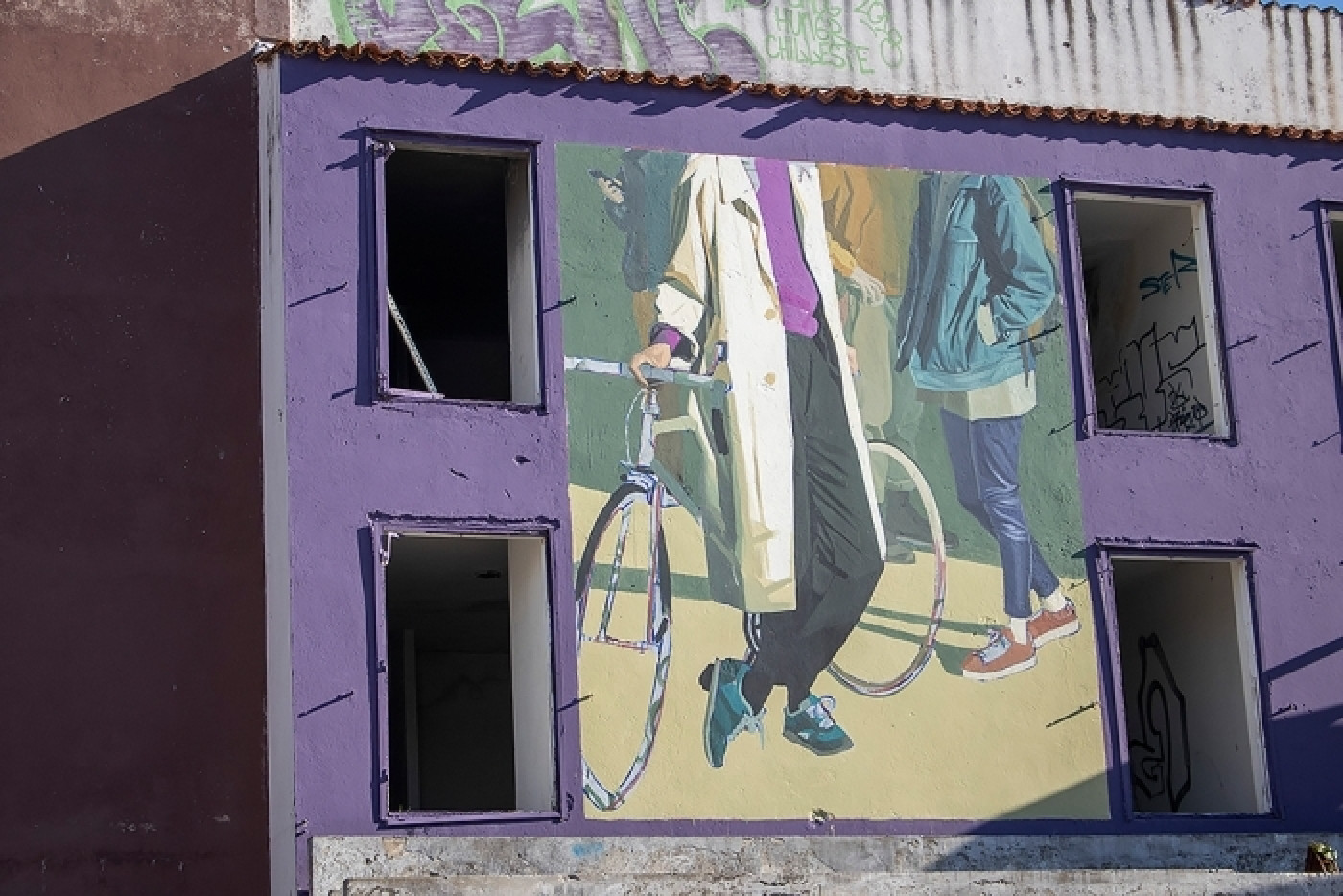
A Mural in Zadar Dedicated to Artistic Creation and Youth Culture
Read moreThe artist and muralist Tomislav Lončarić - Lonac has painted a large-scale street art mural by the name of Cultural Assumption, covering a 41 x 6 metres wall space, as part of the ZadrugArt project - carried out by the Zadar Centre for Independent Culture together with partners the City of Zadar, Zadar Concert Office and the City Library.
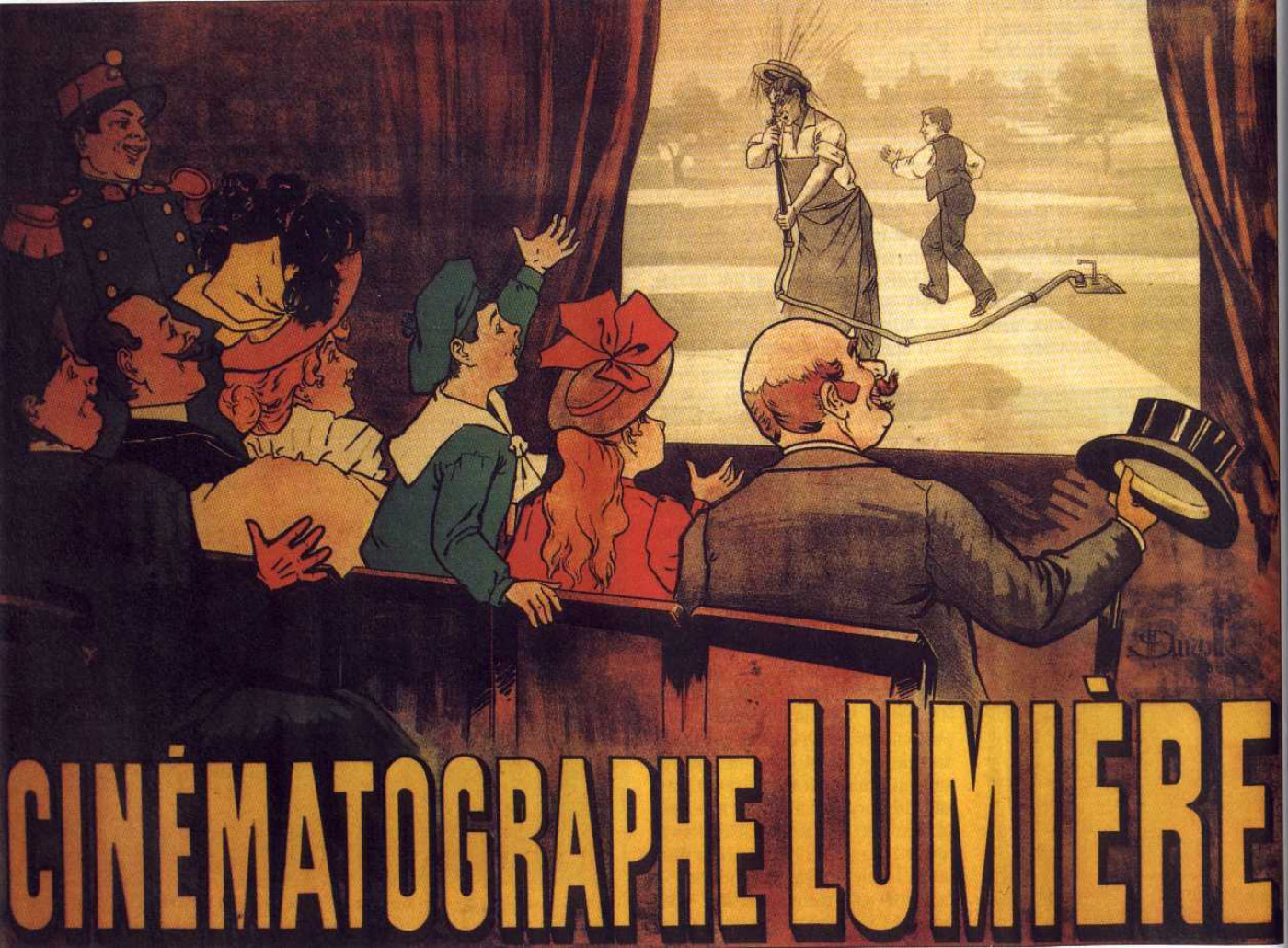
Zadar Had the Most Beautiful Cinema in Austria-Hungary
Read moreThe most beautiful cinema of the Empire, as they called this Zadar cinema at the beginning of the last century, was ceremoniously opened in 1913 in today's 1358 Zadar Peace Treaty Street (Ulica Zadarskog Mira 1358.) in the Bottura House, once a beautiful multi-storey building near the New Seafront (Nova riva), but it first started working only four years later in the Höberth House. In the new building in which the cinema was located, in the immediate vicinity of the Bottura House, the famous Lloyd café was situated as well, and the cinema hall itself had as many as 400 seats.
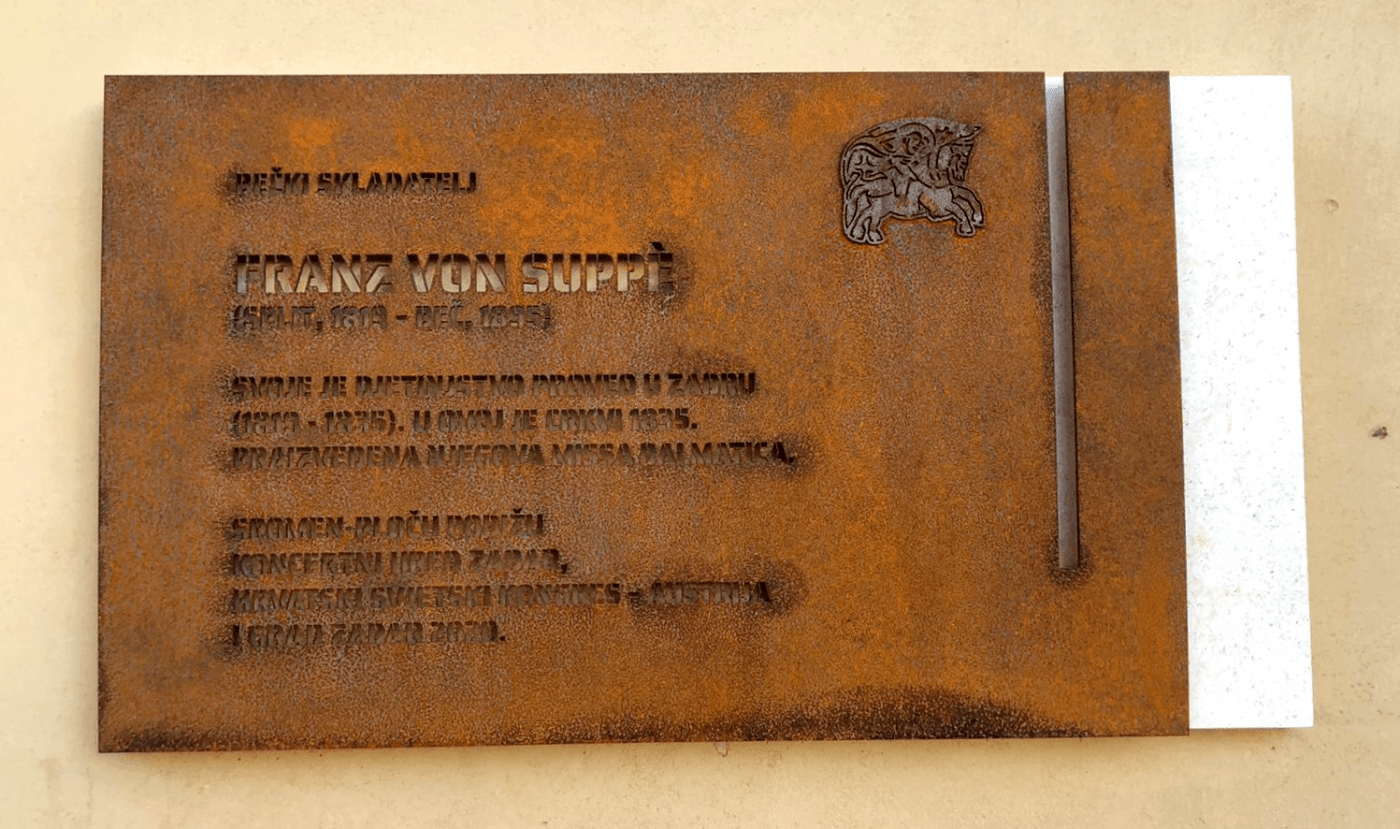
The Greatest Operetta Composer, Franz Von Suppè, Spent His Youth in Zadar
Read moreDid you know that the most important operetta composer in history and one of the greats of world music, the Viennese composer Franz von Suppè, spent his childhood and youth in Zadar? And not only that: Suppè is known as the author of Missa Dalmatica, which he composed at the Zadar Monastery of St Francis, and he left behind a truly fascinating music legacy: hundreds of stage and concert works, operettas, songs, marches, waltzes and polkas.

Museum of Illusions
Read moreThe Museum of Illusions in Zadar holds a kaleidoscope, an illusion of a chair, optical illusions, holograms, an illusion of an indented face, a table of clones, tricky rings, a head on a table, gramophones, a bottomless hole, a room of mirrors and various other visual deceptions.

Archaeological Museum
Read moreOn the glass windows of the Archaeological Museum in Zadar, one can see the reflection of the remains of the Roman Forum and the early Medieval church of St Donat, with which the Museum is unbreakably connected. Since 1880 the works of preservation and restauration had been done in St Donat’s with the intention to place the Archaeological Museum in it.

National Museum Zadar
Read moreThe National Museum Zadar has been a stakeholder in the development of public museum activities since 1832, and its holdings today count about 100,000 items and represent the heritage capital of the identity of the city of Zadar and the entire Zadar region.

Ethnographic Department of the National Museum Zadar
Read moreThe Ethnographic Department of the National Museum Zadar collects traditional objects of the rural culture of northern Dalmatia, which is divided into Dinaric and Adriatic.

Natural History Department of the National Museum Zadar
The Natural History Department of the National Museum Zadar has its roots in the Napoleonic rule of Zadar in the 19th century, when the governor of the Zadar Lyceum, Vicenzo Dandolo, insisted on establishing the Natural History Cabinet.Read more
Gallery of Fine Arts of the National Museum Zadar
Gallery of Fine Arts in Zadar was founded on 10th October 1948, after World War II in a completely ruined city. It was an independent institution from its founding until 1963.Read more
Croatian National Theatre Zadar
Read moreThe theatrical ensemble of the Croatian National Theatre Zadar was founded 14 years ago, when it started its professional productions together with the Zadar actors. It offers season tickets, as well as on-the-day tickets throughout the year, and is famous for its yearly event, the Zadar Summer Theatre.
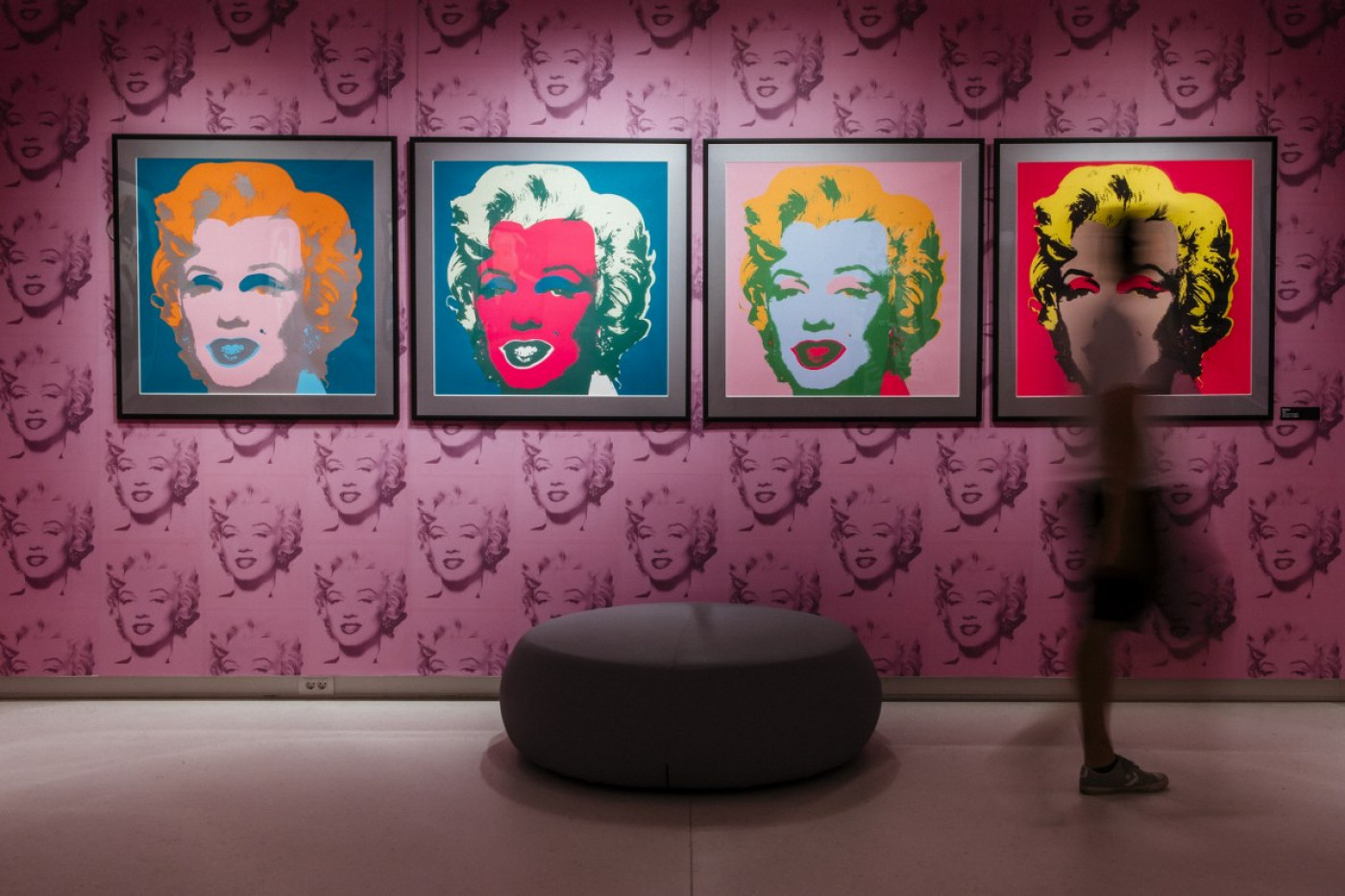
Rector's Palace
Read moreThe Rector's Palace is a cultural monument, whose historical sources date back to the 13th century. Renovated with the EU funds in 2017, the Rector's Palace is a modern cultural and historical complex, as well as a tourist attraction.
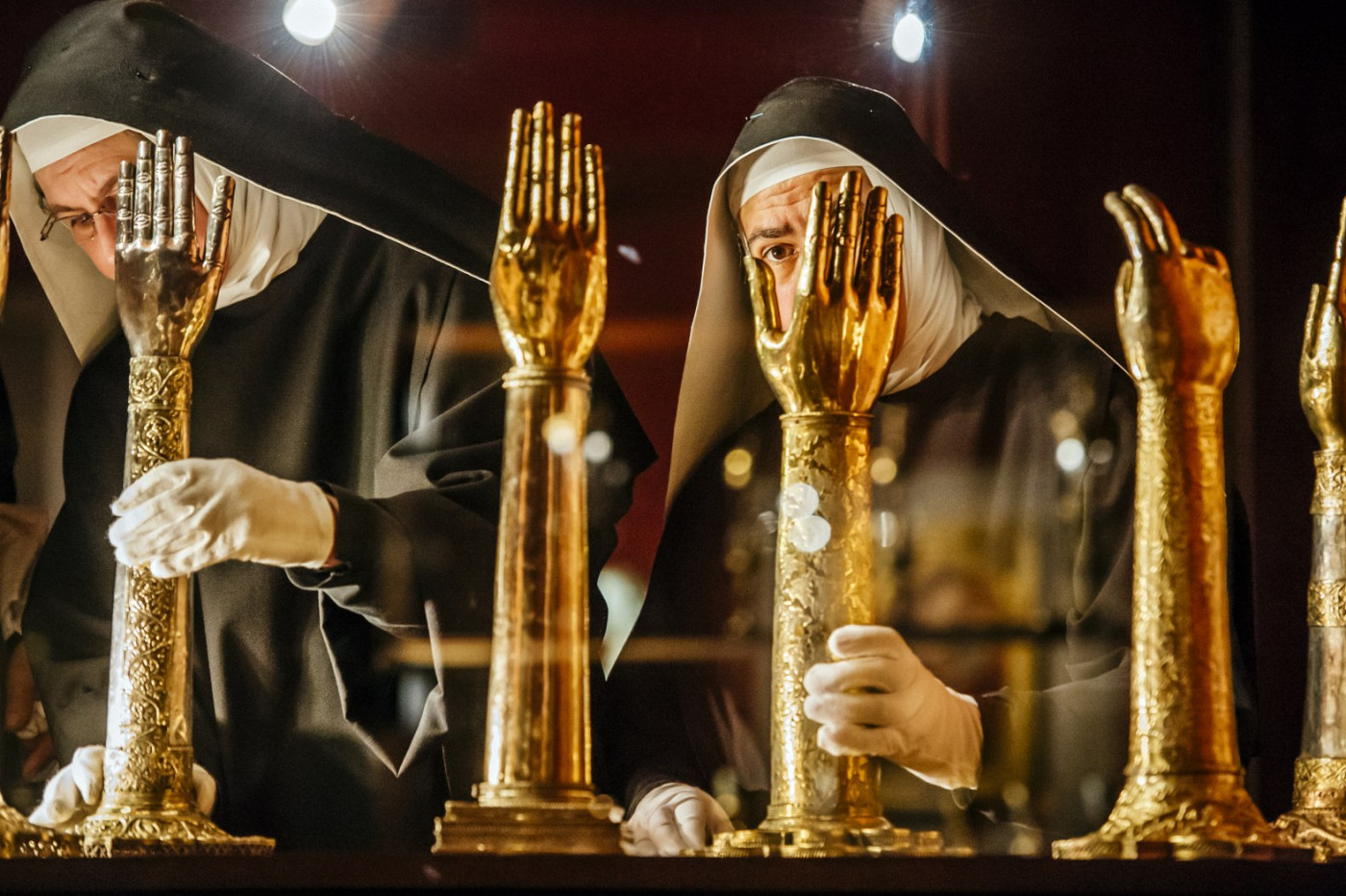
The Permanent Exhibition of Religious Art
Read moreThe first exhibition called The Gold and Silver of Zadar was initiated by the great Croatian writer Miroslav Krleža, who was glorifying Zadar's gold, and in 1976 it was turned into a Permanent Exhibition of Religious Art within the Benedictine Convent of Saint Mary.