
22.11.2021.
Gastronomic Heritage of Zadar's Ms Gioia, Part 2
A lady from Zadar, Gioia Calussi, had her life mission to save many dishes from oblivion, which are still the standards of Dalmatian cuisine, and even the basis of the so-called offer of traditional restaurants, primarily inns and taverns (konobas). She preserved recipes, but even more the spirit of Dalmatian cuisine and Dalmatian life.
She learned about it from other Italian Zadar natives who lived in Italy after World War II. Unfortunately, there are not enough of these magical dishes that Calussi has preserved in the "Dalmatian Ladies' Cookbook" in today's catering offer.
Five Dishes of the Dalmatian Gastro Epic
In this series of gastro stories of Zadar and Dalmatia, we have written, for example, about the most favourite Dalmatian dish - pašticada, and the fact that the recipe for this dish is a frequent topic of discussion among chefs and gourmands because everyone will claim that their recipe for pasticada is "the best one". Ms Calussi solved these dilemmas like a real lady and in her book, she listed as many as five recipes for pašticada - the basic and most common, then as many as four that differ in Dalmatian cities, Zadar, Šibenik, Makarska and Split.
Calussi plays with the imagination of the former Dalmatian cuisines, for example, in as many as ten recipes for gnocchi (rolls), about 30 recipes for minestrone, stews and thick soups, but also rice&peas (risi e bisi), a simple side dish or snack that is an original Zadar recipe. The chapter with fish dishes brings recipes according to which it is best to prepare a particular Adriatic fish. She mainly deals with types of meat, lamb, goat, pork, beef, poultry and game dishes. There are also numerous solutions for side dishes, cakes, for tinning meat, fish, vegetables and fruit, descriptions of flavours, herbs, spice, etc.
In the abundance of food and dishes she has collected, Ms Calussi very rarely points out a dish or food that can concisely define the cuisine of Dalmatia and Zadar. However, in the interview section of the book's second edition, she said that "the most characteristic feature of Dalmatian cuisine is rosemary." She added: "And garlic." Although, in her book introduction, she did not directly opt for one of her "favourite dishes", Calussi indirectly agreed with the Italian Enzo Betizza from Split, a journalist, publicist and politician, once a member of the Italian Senate and the European Parliament. He mentioned "five symphonies of Dalmatian cuisine": grouper broth (brodetto), pašticada, arambašići (sarma, rolls of sauerkraut or fresh cabbage leaves, vine leaves or Swiss chard stuffed with minced meat with spices and, often, rice), "black" hare (black hare stew) and quail with the crostini of offal.
Offal again! Neither did Betizza's "gastronomic epic" miss these, today mostly underestimated kinds of meat. It was the crostini from offal that Calussi described in one of her dishes. It is toasted bread coated with cream of stewed poultry liver and hearts with cognac, which is served with roasted game birds.
Offal is a common crude foodstuff in Calussa's "Dalmatian Ladies' Cookbook". They are essential ingredients in poultry fillings, but one kind of offal and dishes from it are an indispensable part of the book. The reader will regularly come across it, especially in the "meat" chapters of the book and that is tripe!
Tripe - You Either Like It or You Don't
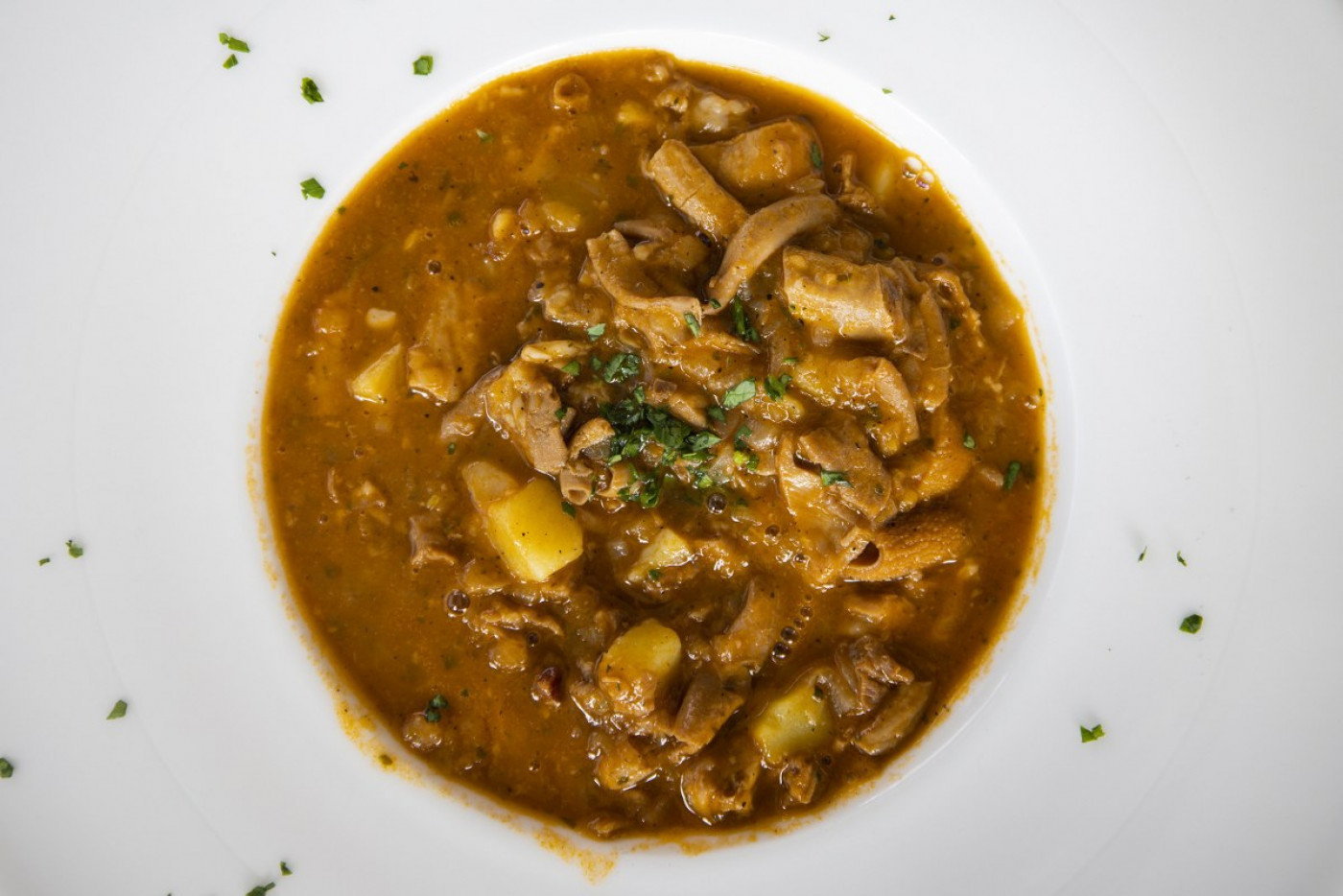
In her book, the author lists several recipes for dishes of beef or baby- beef, lamb, but even today, almost wholly forgotten pork tripe, more precisely the stomach and (or) intestines. Rightly so: although dishes cooked from this type of animal and fish offal can be found all over the world, in the Mediterranean, since ancient Rome and the Middle Ages, these gourmet dishes have been almost a cult to such an extent that they were sometimes more expensive than the best lumps of meat. However, these dishes, especially the most common ones, a simple goulash made from the beef stomach or lamb intestines and stomach, are controversial - some adore them, and according to others, they came out of Lucifer's kitchen and can't even look at them. The firm, unpleasant smell that is felt during the first and long-term cooking in water is followed by the preparation of food, and it drives children and all sensitive noses out of the kitchen, so it is safe to say that tripe is an adult dish, but also an actual "male" dish.
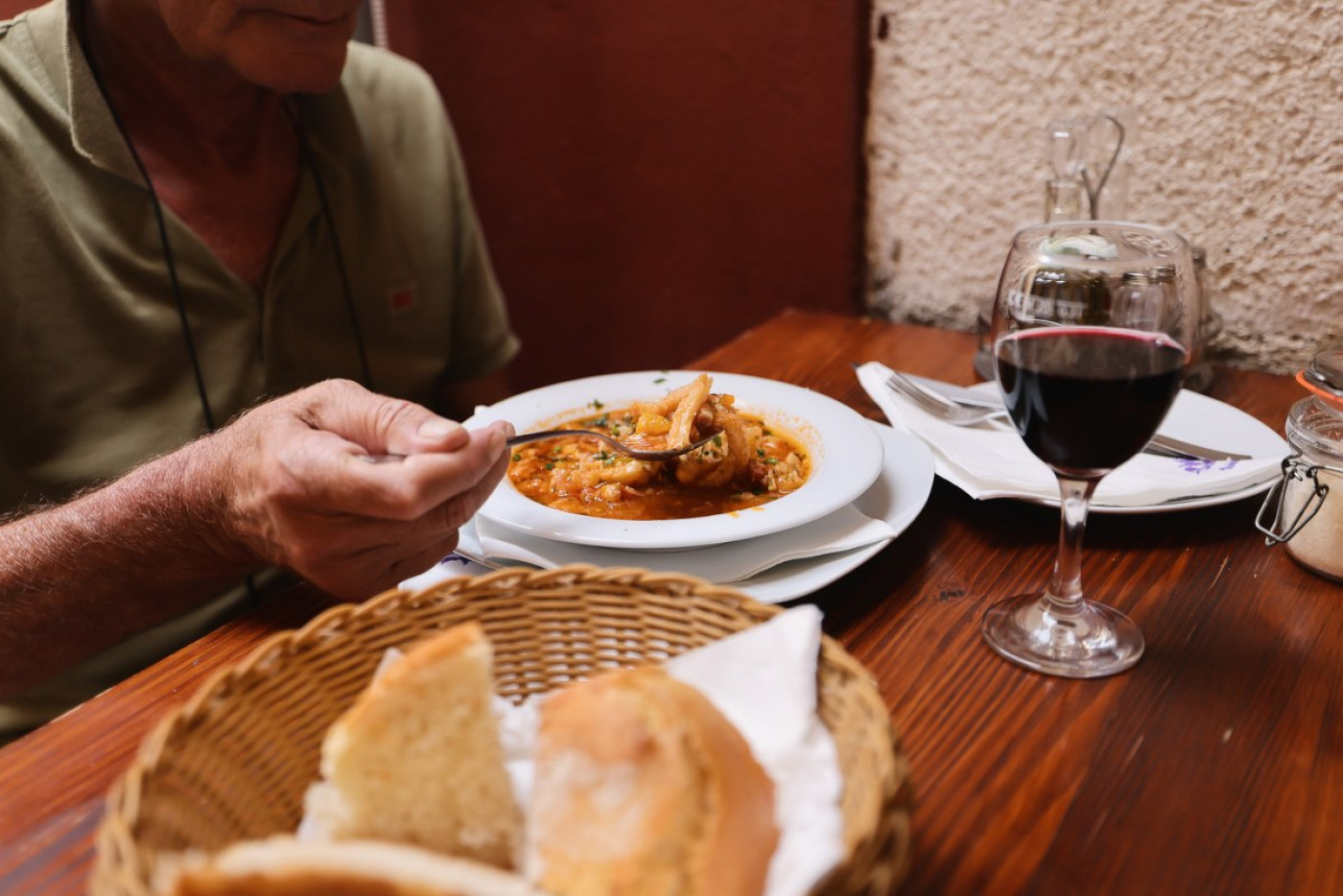
Tripe, at least here in Dalmatia, is mainly enjoyed by men. However, they rarely eat it at home with the family. It is part of routine brunches, the first substantial meal, which is a short break to gain strength for the second part of the working day, but above all, to have long and "smart" debates in which neighbours are sometimes gossiped about, and occasionally governments are overthrown. And tripe is one of the most popular dishes of this typical Dalmatian meal. When the Dalmatian gourmand, like incidentally, says: "This morning I had tripe for breakfast!" in that sentence, one can almost feel the quiet triumph and boastfulness and a kind of conspiracy.
Ivor's Baby Beef Tripe with Peas
That's why Gioia Calussi couldn't skip the recipes for preparing tripe in her book, mostly in their most famous goulash version. However, she also found recipes for boiled lamb stomach stuffed with polenta and cheese and pork stomach stuffed with meat. A similar dish, pork colon stuffed with polenta and cooked with cabbage, is still maintained in some places around Zadar.
In the way written by Ms Calussi, tripe is still prepared in many restaurants in Zadar, primarily in those whose offer is mainly based on traditional dishes. Veal or baby- beef tripe can be eaten almost every day in the restaurant "Pjat", the konoba "Skoblar", the restaurant "Stipe" and several others on the Peninsula, and in the restaurant "Sabunjar", "Kod Stipe" and "Riva" outside the Peninsula. In the restaurant "Tamaris", known for its excellent lamb on the spit, they cook excellent lamb tripe, which is a rare delicacy today.
The recipe for this dish is similar in all restaurants, the one described by Gioia Calussi in her book. The differences are in small nuances, such as cooking lamb and even pork legs with tripe to achieve the desired gelatinous nature of the dish.
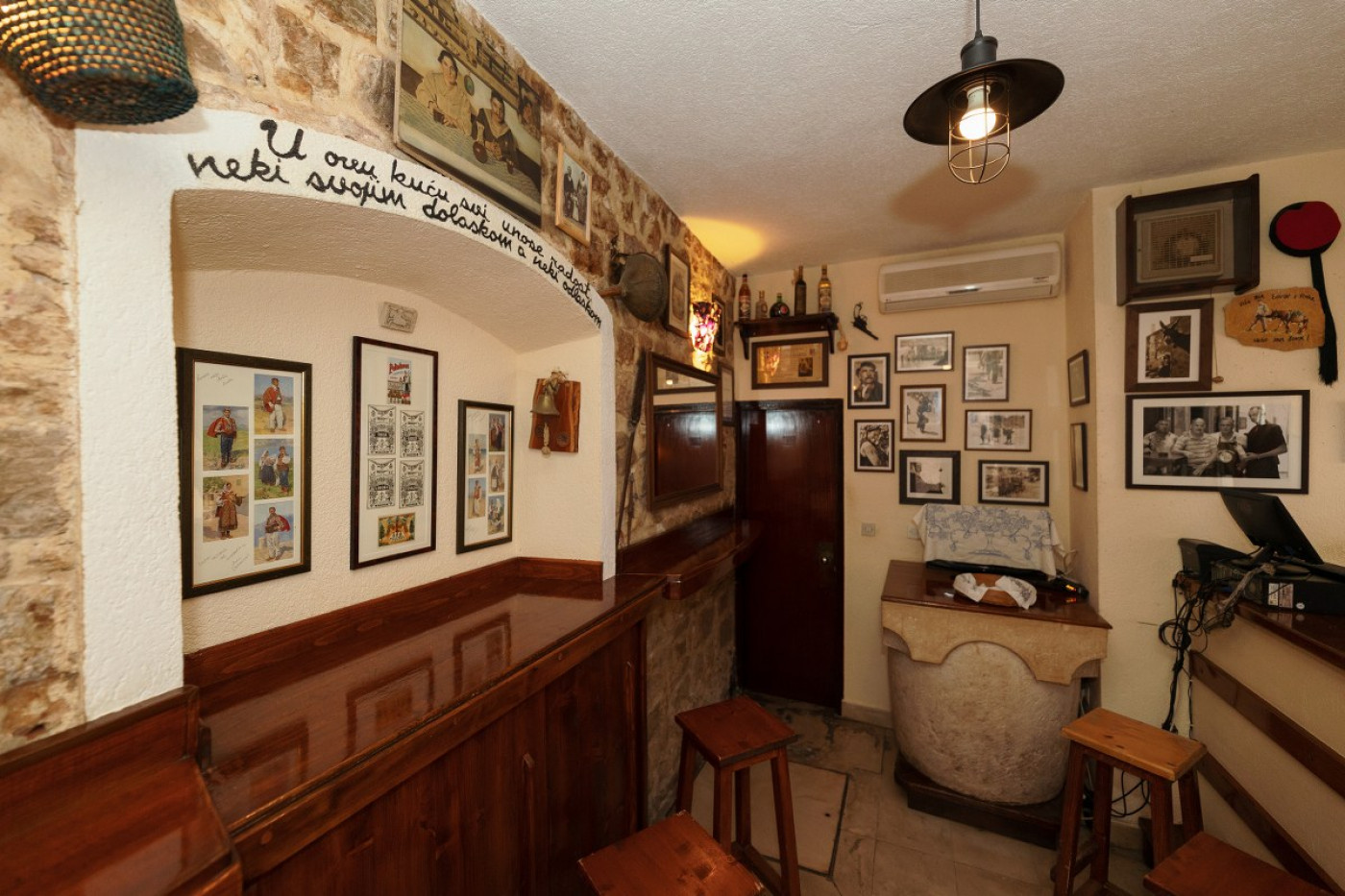
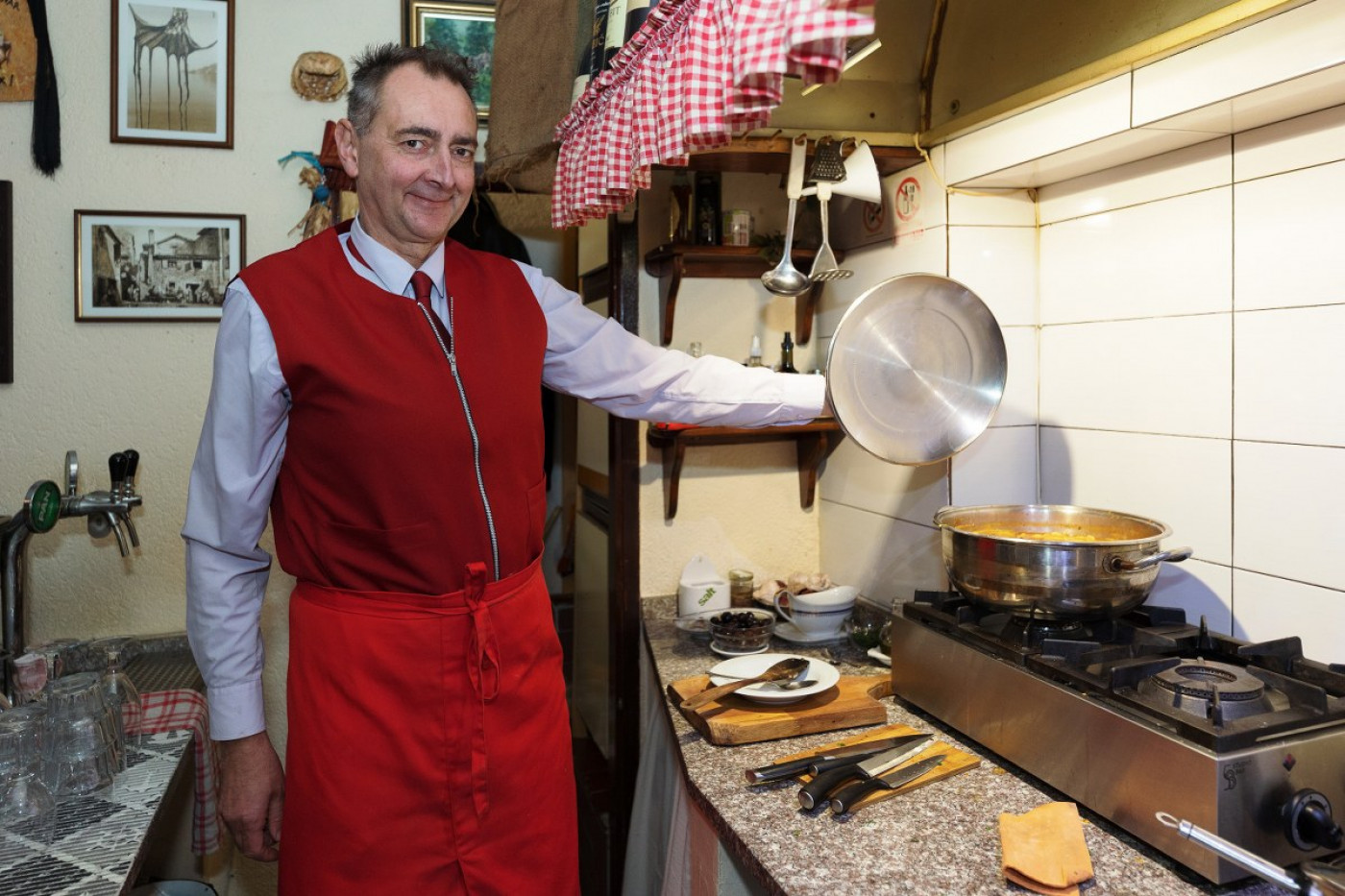
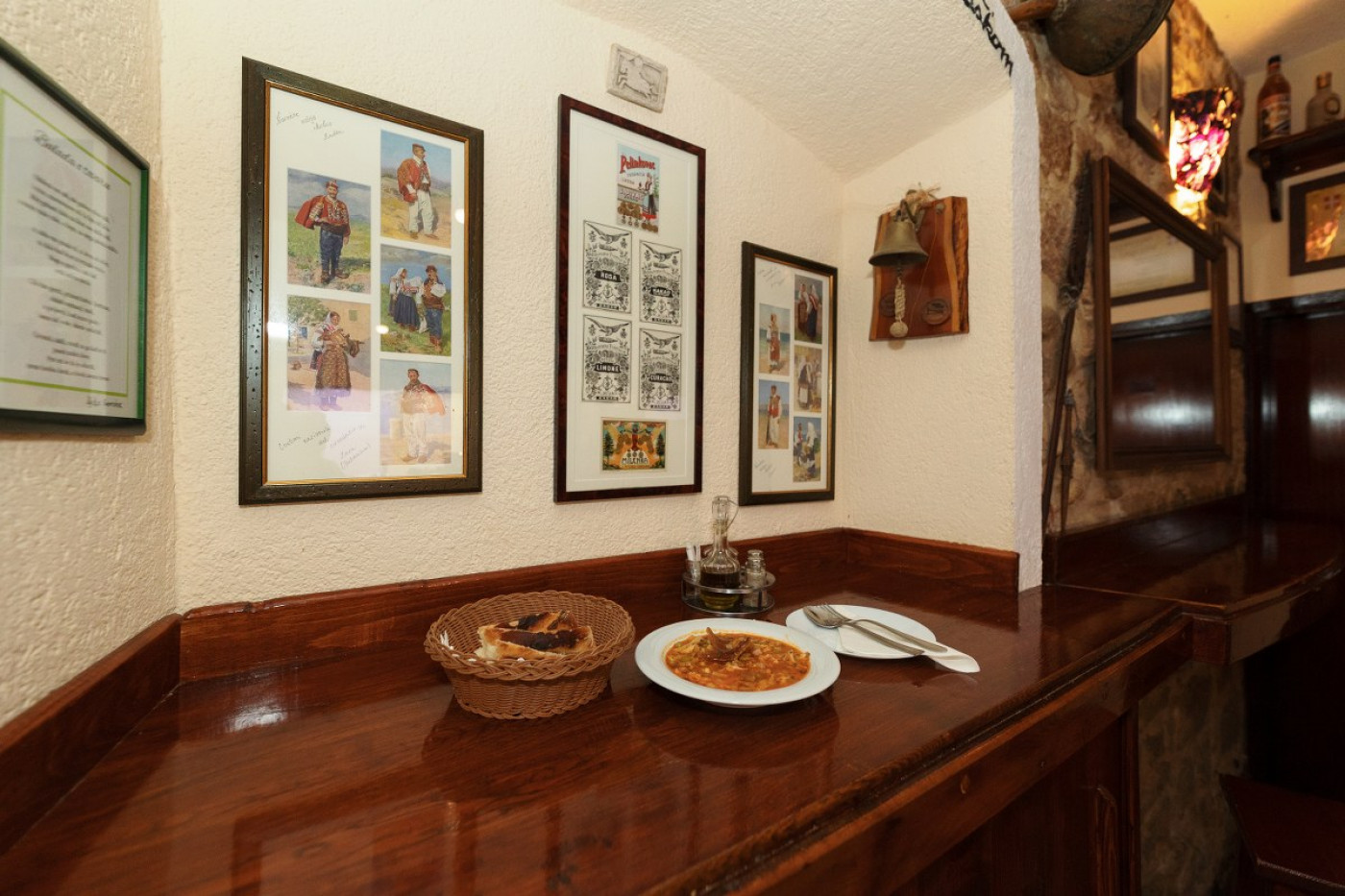
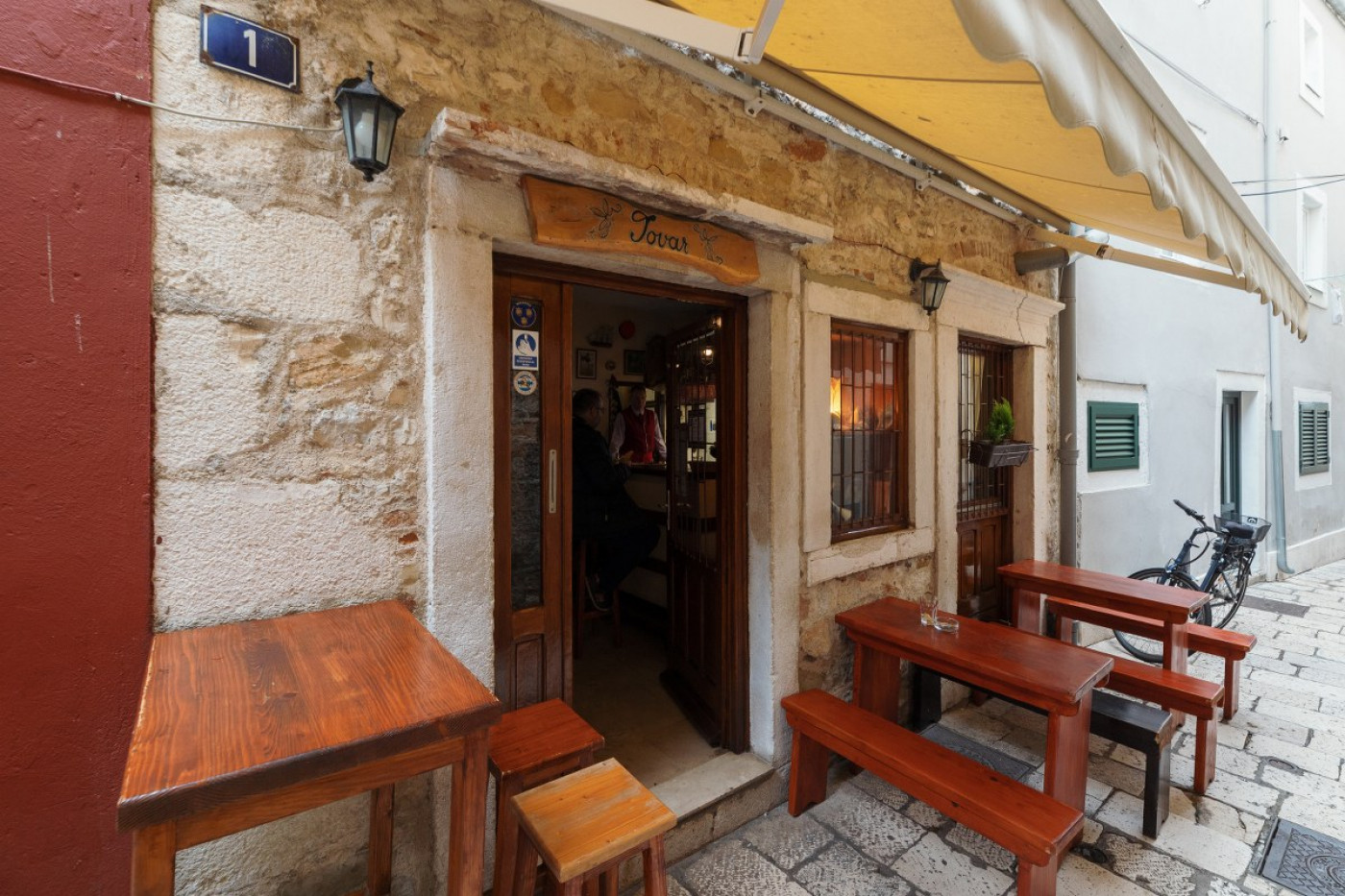
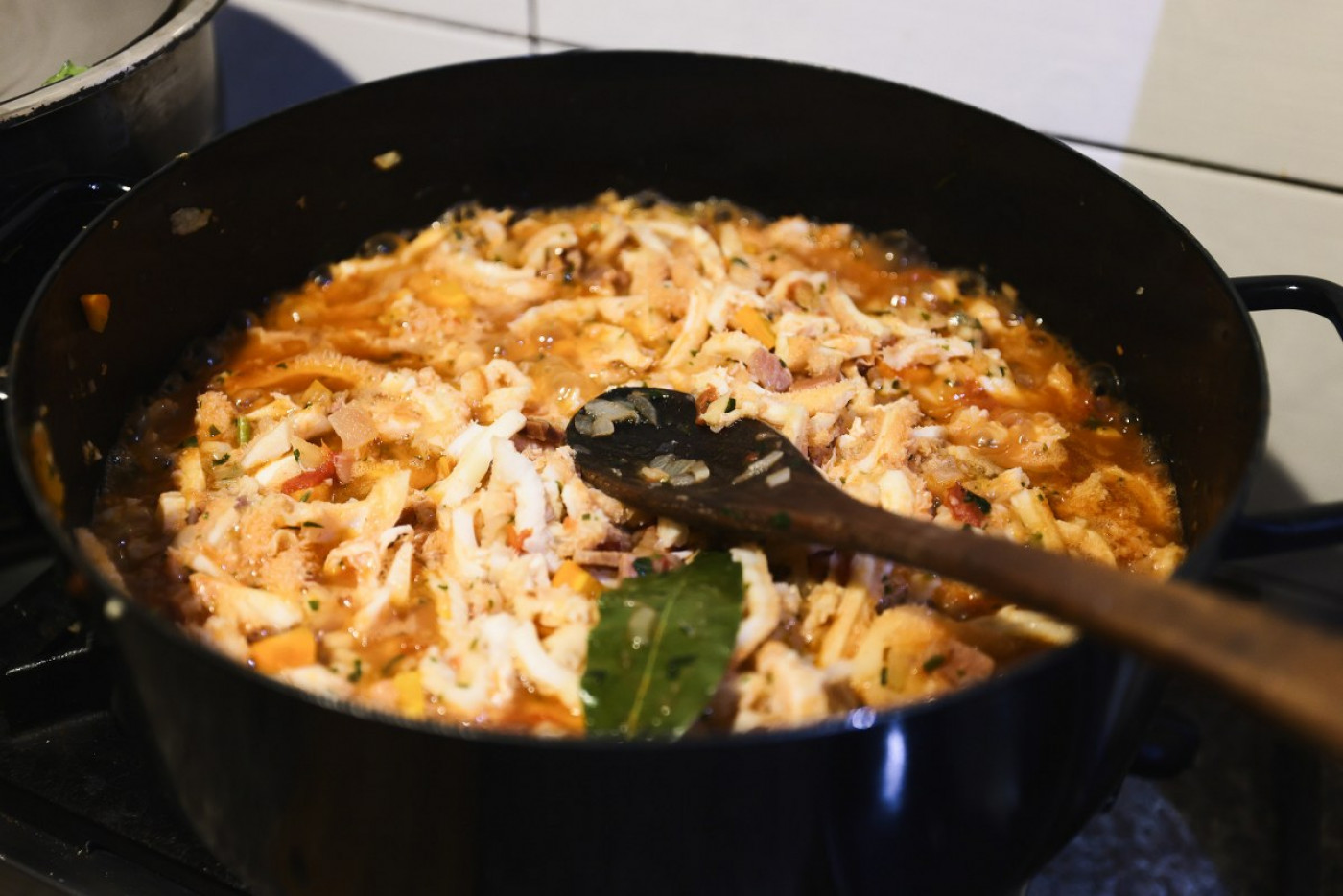
In the small tavern "Tovar" in Varoš on the Peninsula, chef and waiter Ivor Piskulić cooks only one meal of the day, and tripe is his choice at least once a week. Like most chefs, Ivor will use tripe that the butchers have already cooked. Cooking begins with sautéing onions in olive oil, then garlic, parsley and, of course, pieces of dried meat, prosciutto or bacon. When the onion softens, he throws in and briefly sautés strips of the upper part of the beef stomach lining reminiscent of honeycomb, adds a beef stock, a little white wine, tomato puree, salt and pepper. Eventually, the novelty that will distinguish his tripe from those in other restaurants –is adding a handful or two of peas. This addition will quite well replace the potatoes that chefs usually cook with the tripe.
After a little over an hour of cooking, the dish is ready, and another relaxing Zadar brunch can begin. And if Gioia Calussi were somewhere nearby, she would probably be pleased to give Ivor some good advice on making the tripe even tastier.
Guarda il video
.
Vuoi saperne di più?
Proposte
Gastronomia
Gastro Tour of Zadar’s Advent Huts | Part 3
01.12.2025.
Novità
Record Attendance at the Tourist Information Center in Cedulin Palace
17.10.2022.
Eventi
The Third Fish & Jazz Festival Concludes: Four Fantastic Concerts to Remember
03.06.2025.

In Zadar, for the 1st Time in Croatia: Surgery under Ether Narcosis & Red Cross
25.02.2021.