
10.11.2021.
Gastronomic Heritage of Zadar's Ms Gioia, Part 1
Gioia Calussi was only two years old when she left her native Zadar and moved to Vicenza in the whirlwind of war with her family. Although she was only a small child, she took the tastes and smells of Dalmatia and Zadar with her.
Although she never lived here again, all her life, she felt a root attachment with her hometown, its culture, customs, traditions, and especially gastronomy. Through the smell and taste of the cuisine of her grandmother, her mother, their friends and the culinary habits they kept in everyday life, Ms Calussi remained strongly connected with Zadar and Dalmatia, its people and, of course, Dalmatian dishes.
Greased Pieces of Paper from the Bottom of the Kitchen Drawer
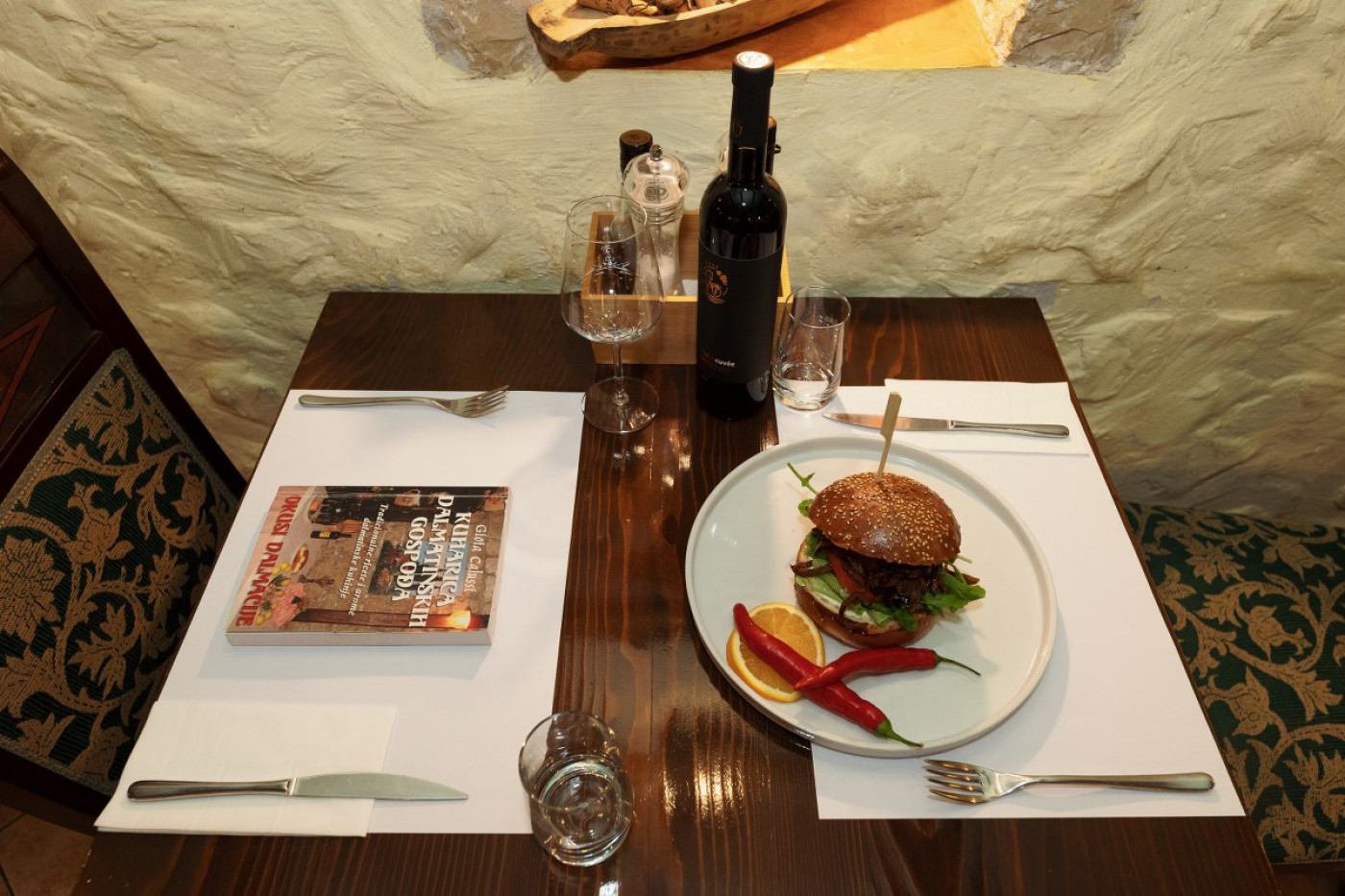
Entirely dedicated to Dalmatian cuisine, Calussi learned from her elderly, wrote down recipes, searched for already yellowed, sometimes greasy pieces of paper with notes from the kitchen unit drawers. In 1995, out of all her archive and the knowledge she acquired, she wrote a book entitled "Profumo de Dalmazia - Aromi, sapori e tradizioni della cucina dalmata". In 1997, the second edition was published, "Sapori de Dalmazia". Later, the Croatian edition was titled “Dalmatian Ladies’ Cookery Book - Tastes of Dalmatia".
When the first book was translated and published in Croatian, it was announced with genuine enthusiasm: "It is a work without which a home where you cook and read is inconceivable"; "The funniest and most passionate, the best gastronomic manual in Croatian", "A Study of the anthropology of dishes "," Nostalgic journey into the past ", "Reconstruction of the culture of Dalmatian everyday life ", "Analysis of the genesis of Dalmatian multicultural cuisine, " “Literary food", etc. Croatian journalists and writers wrote about it.
Ms Calussi’s book is, in fact, a collection of recipes she has been collecting for decades and presenting in an atypical way for today’s cookery books - without specifying the measures for the ingredients of the dish. The material she found was, in fact, the same - the measures were determined. It conveys the spirit of the dish through a short guide, and in some places, describes the food, its importance and usefulness in household cooking.
But there’s more to it. The introduction provides gastronomic customs and rules in the context of the long history of Dalmatia before and after the arrival of Croats in the territory where the Illyrian tribes Liburni and Dalmatae lived. Ms Calussi knew, of course, that the richness of Dalmatian gastronomy heritage lies in the diversity that resulted from the fateful influences of other peoples and the historical changes that took place in Dalmatia. For example, as much as Dalmatian cuisine is related to the sea and is part of the Mediterranean complex, we can also recognize the influences of the Far and the Middle East or some northern culinary customs and habits in the local dishes.
Dalmatian Ladies' Cookery book" reveals some basic knowledge about the use of cooking utensils and essential foods, even a kind of gastronomic diet protocol that is related to seasonal foods, but also everyday life and special occasions.
Old Ideas for New-Age Chefs
However, the most significant wealth of these books is in the recipes because, among other things, they contain and preserve some dishes that have almost disappeared from today's Dalmatian diet. Habits and customs change over time, so the value of such publications is precisely in the fact that they "cover" at least the last few centuries. That is why it is good to have the "Dalmatian Ladies' Cookbook" at hand in the "ordinary" household and the kitchens of modern restaurants. With a simple reconstruction of a forgotten dish or its reinterpretation, a creative chef, either amateur or professional, can achieve a spectacular result. Old ideas for new age chefs.
Thus, for example, in the chapter about šalše (salsas), Calussi lists about 30 types of salsa. This is contrary to today's perception of this dish which, quite inappropriately, is reduced to one only - that of tomatoes. With Calussi, salsa is sometimes a sauce, sometimes a spread, and most often an imaginative side dish, an addition to a plate to complement. But some of these salsas can also be used as sauces even in today's fast-food offer. For example, there are salsas made of capers and salted sardines, cauliflower, horse-radish, bacon, cucumbers etc.
Along with many other exciting features of Calussa’s book, one, in particular, stands out, and that is the old-fashioned model of cooking economy or saving in the kitchen. No throwing away food! That’s why in each chapter Calussi offers helpful tips on how to use the leftovers of one lunch imaginatively for another or, better yet, how to treat every food and meal with respect, even if they were less attractive materials such as meat offal.
There is almost no meat for which the author does not have one or more recipes in which it becomes a delicious and attractive meal. Liver, heart and kidneys, tripe, glands (letažine), and the outer parts of animals such as pork legs, baby beef shanks, tails and cheek were materials of the local traditional cuisine and dishes whose recipes Ms Calussi has preserved.
Photo: Becerra Govea Photo from Pexels
Cooks can indeed use this culinary imagination even today in the 21t century kitchen. Some traditional Zadar, Dalmatian, Croatian and Mediterranean dishes, such as Venetian liver, have retained their old popularity even today. Still, the supply of recipes preserved by Calussi is much more extensive.
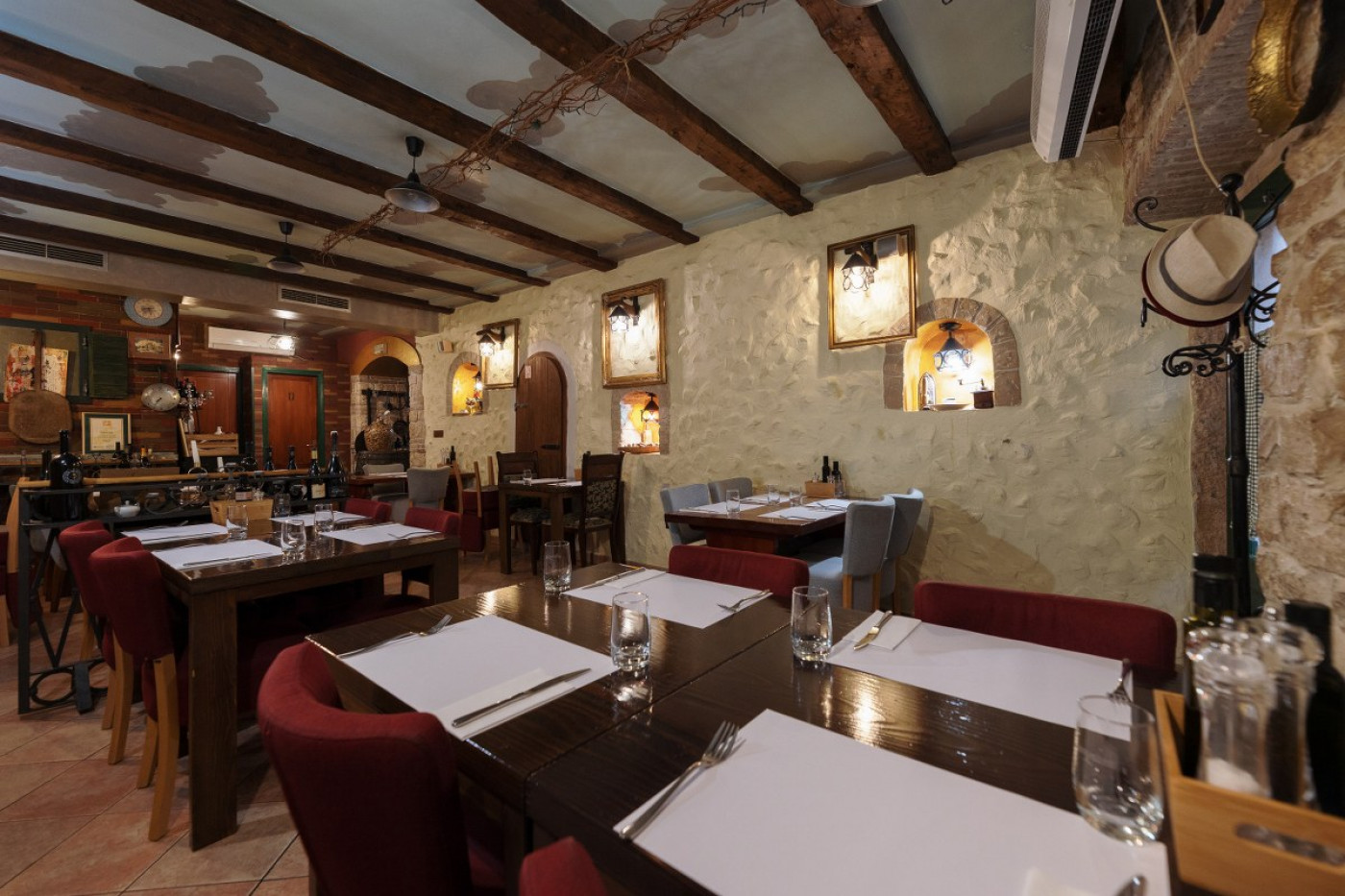
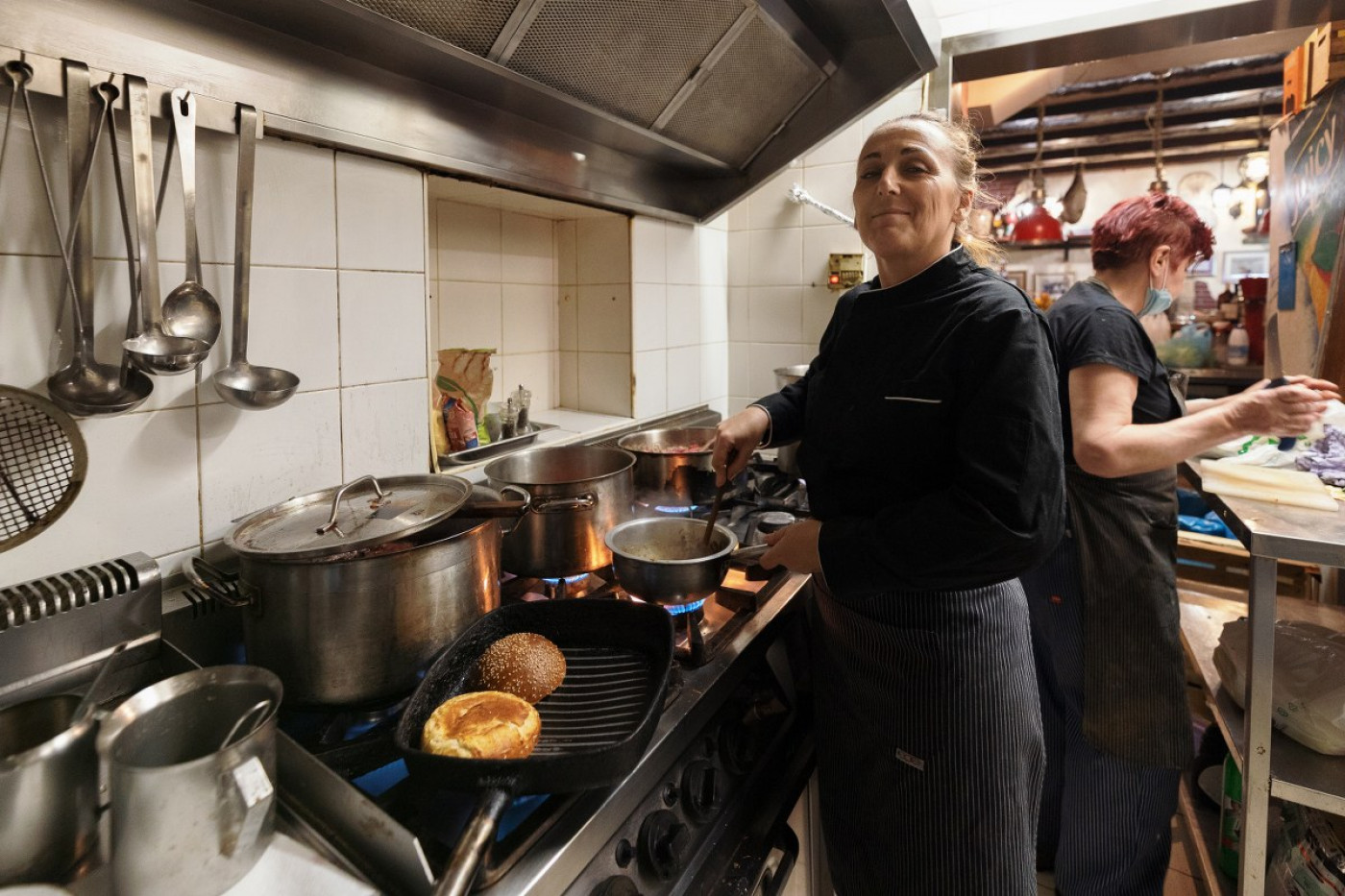
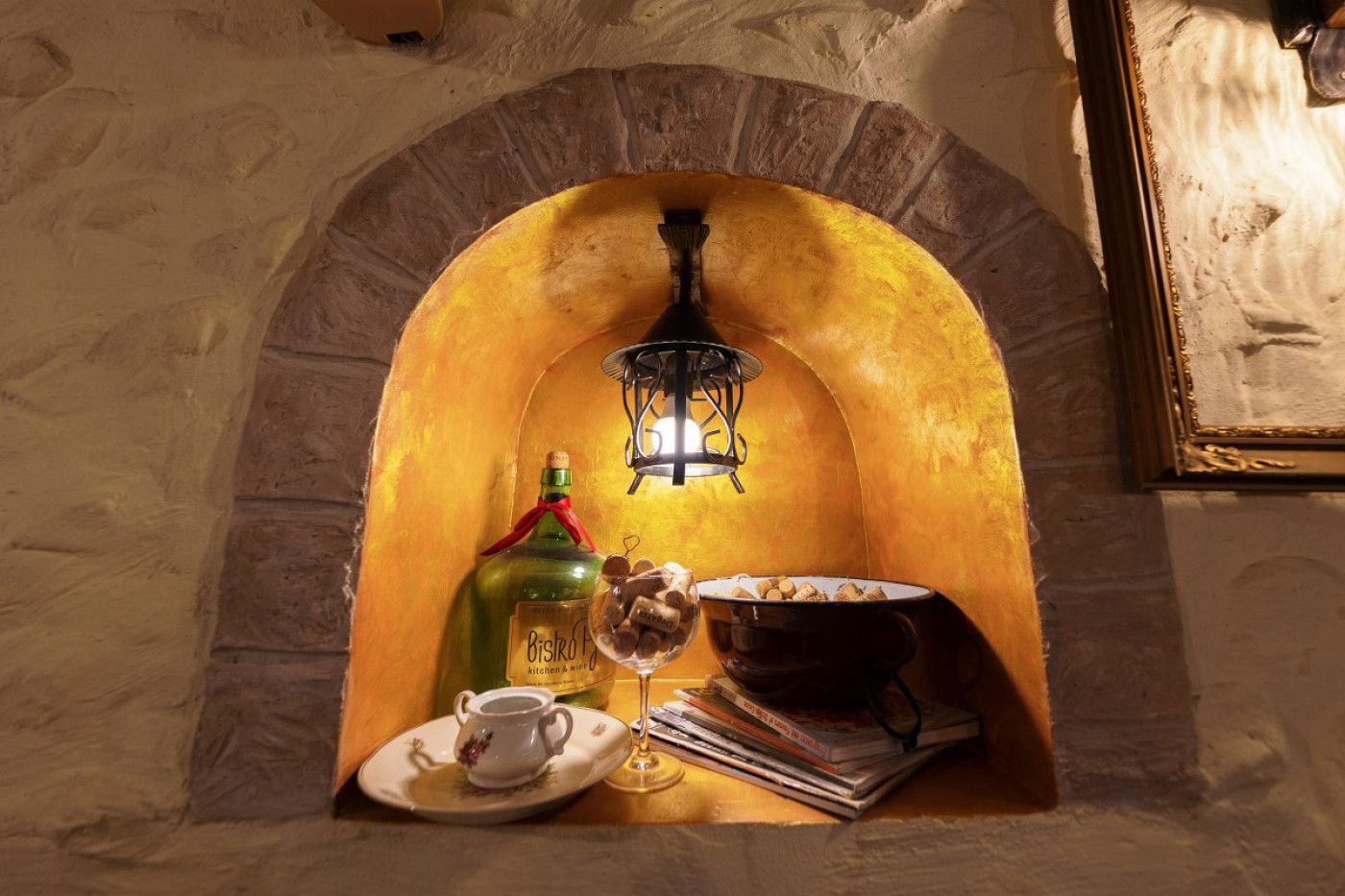
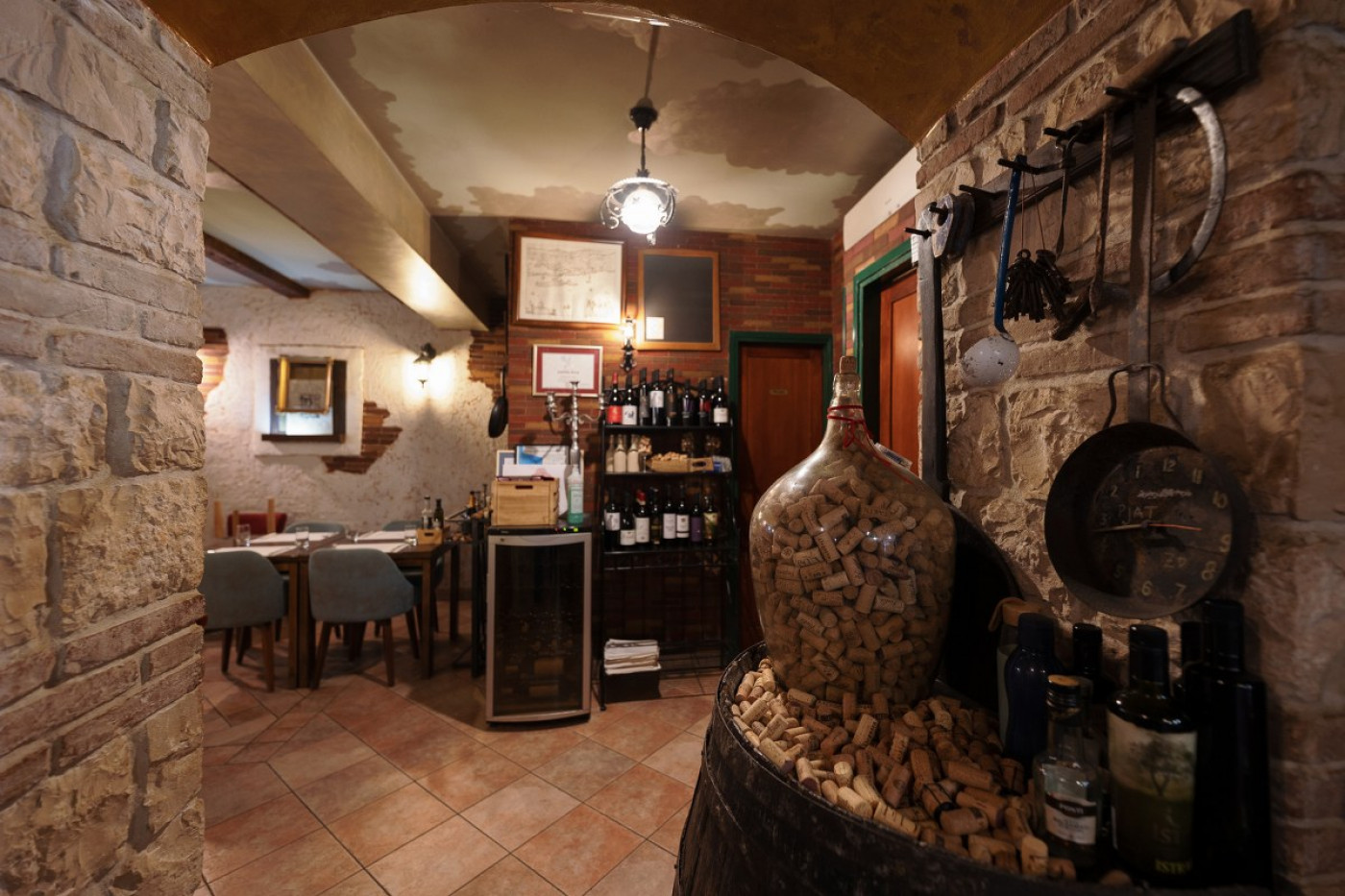
Anita Mialić, who with her husband Leo runs Bistro "Pjat" in Zadar's Varoš, where she is also the head chef, has been travelling for culinary reasons along these old paths for years. This helped her produce dishes from cheaper groceries and adapt them to the requirements of today's consumers: animal liver, heart, kidneys, and even the so-called "white kidney" find their place in the dishes of the daily menus at the"Pjat".
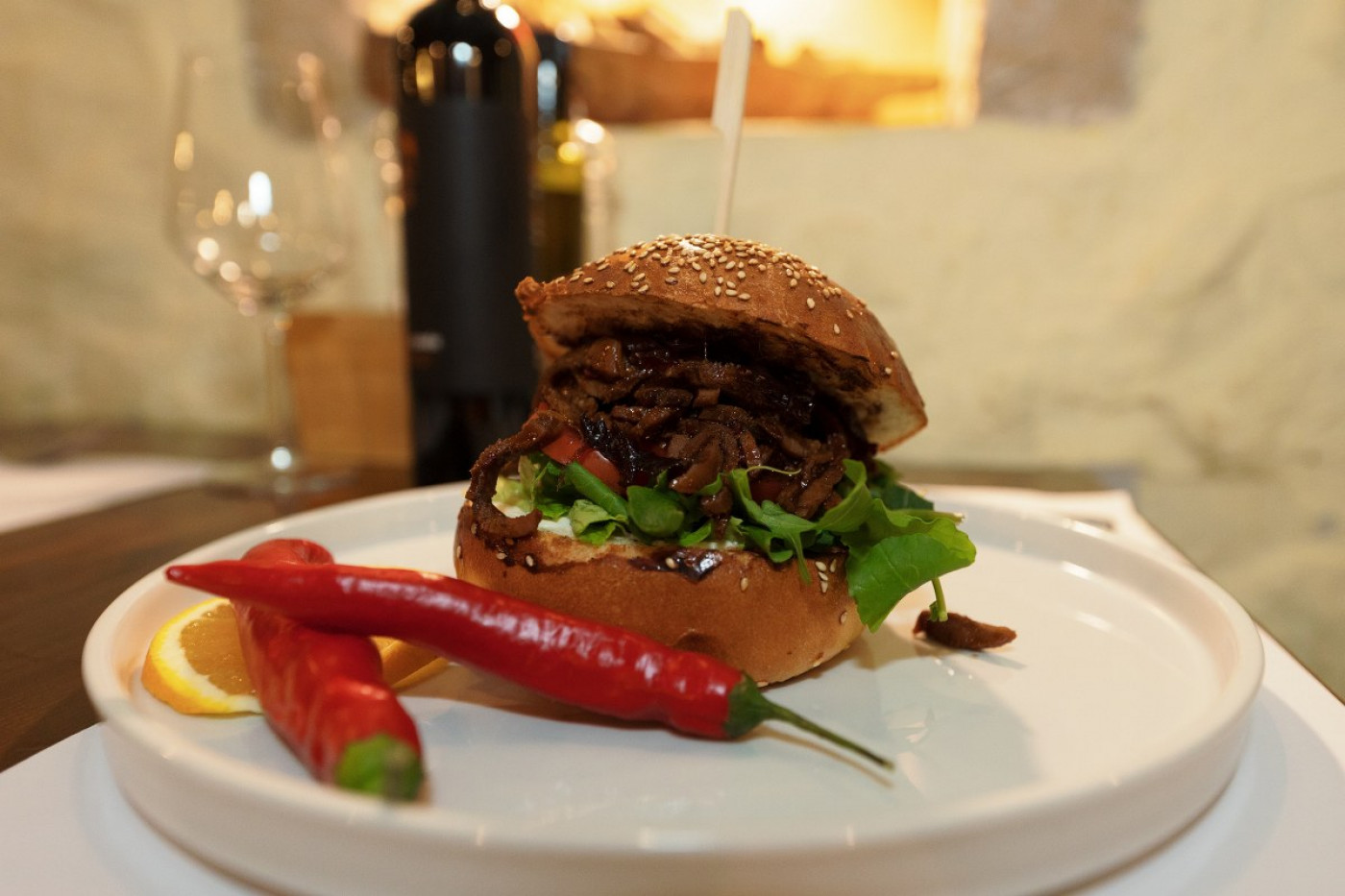
This is how one utterly original version of the globally famous burger was created - from the veal tongue.
In Calussa's "Dalmatian Ladies' Cookbook", beef or veal tongue is made into several classic dishes. However, this muscle's compact texture and exceptional, fluttering taste are most pronounced in a simple combination when it is just (long) cooked and served with some salsa and boiled potatoes. Admittedly, the book can also reveal the secret of the "samastar" (pressed) language or the one that has been aged in brine for a long time, but these are more demanding tasks…
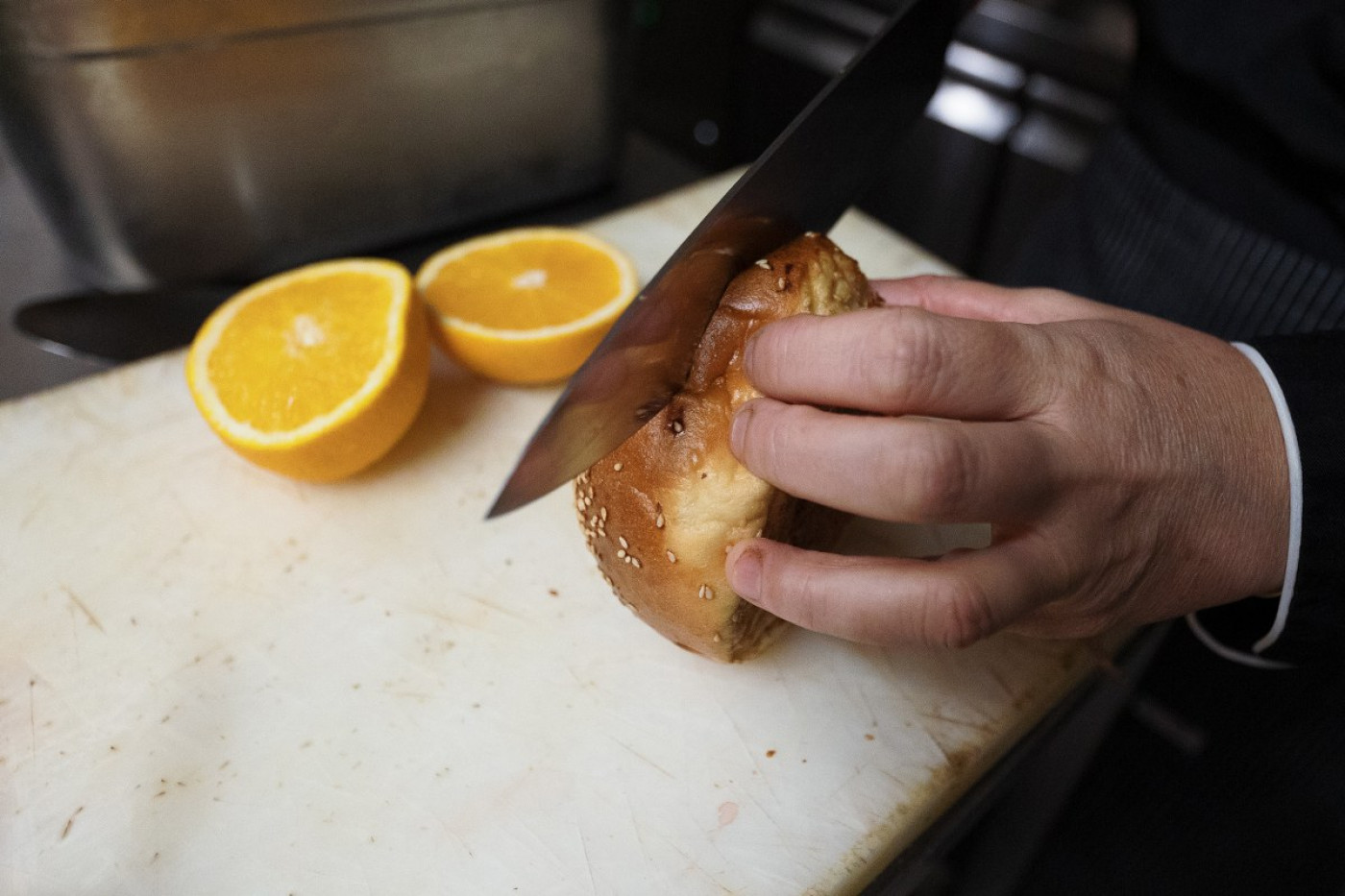
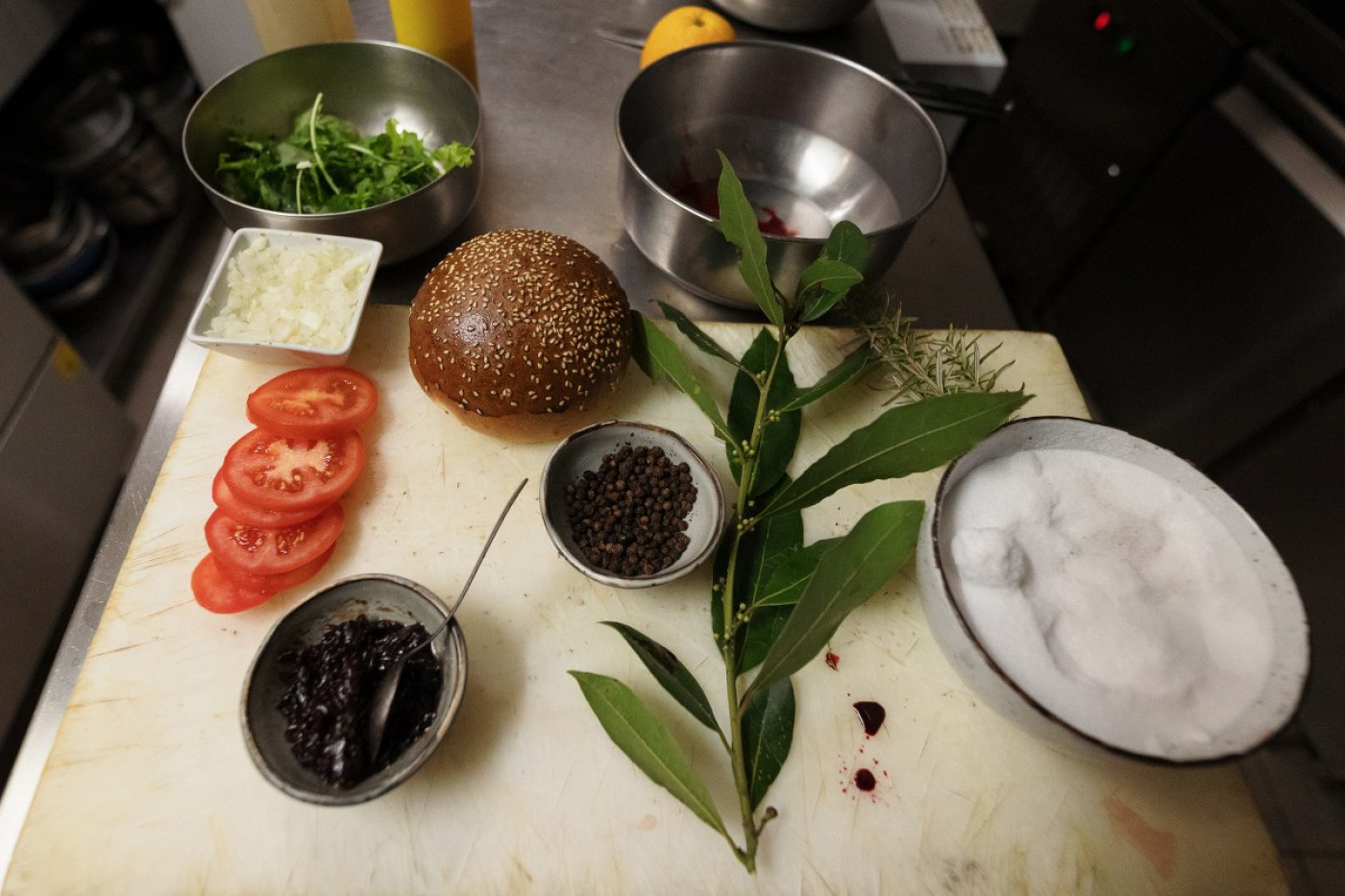
Anita went the same way with the preparation of her great burger - she boiled the tongue in salted water with bay leaves and rosemary for a total of two hours and then "stripped" the hard, inedible membrane from it. Then she prepared a sweet and sour sauce from soy sauce and orange juice in which she would boil slices of the tongue very briefly, and red onion jam, which would be a must addition to the burger.
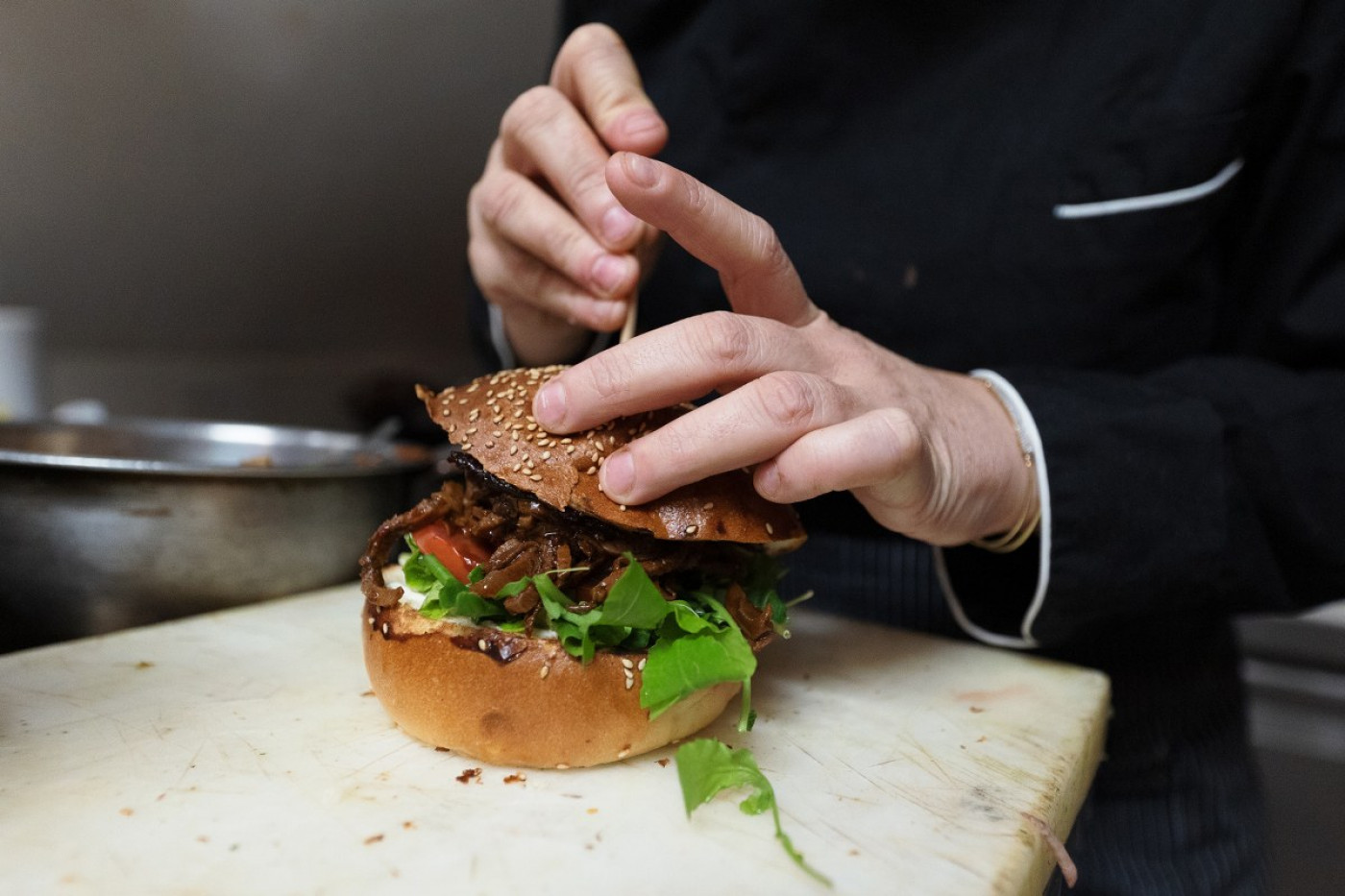
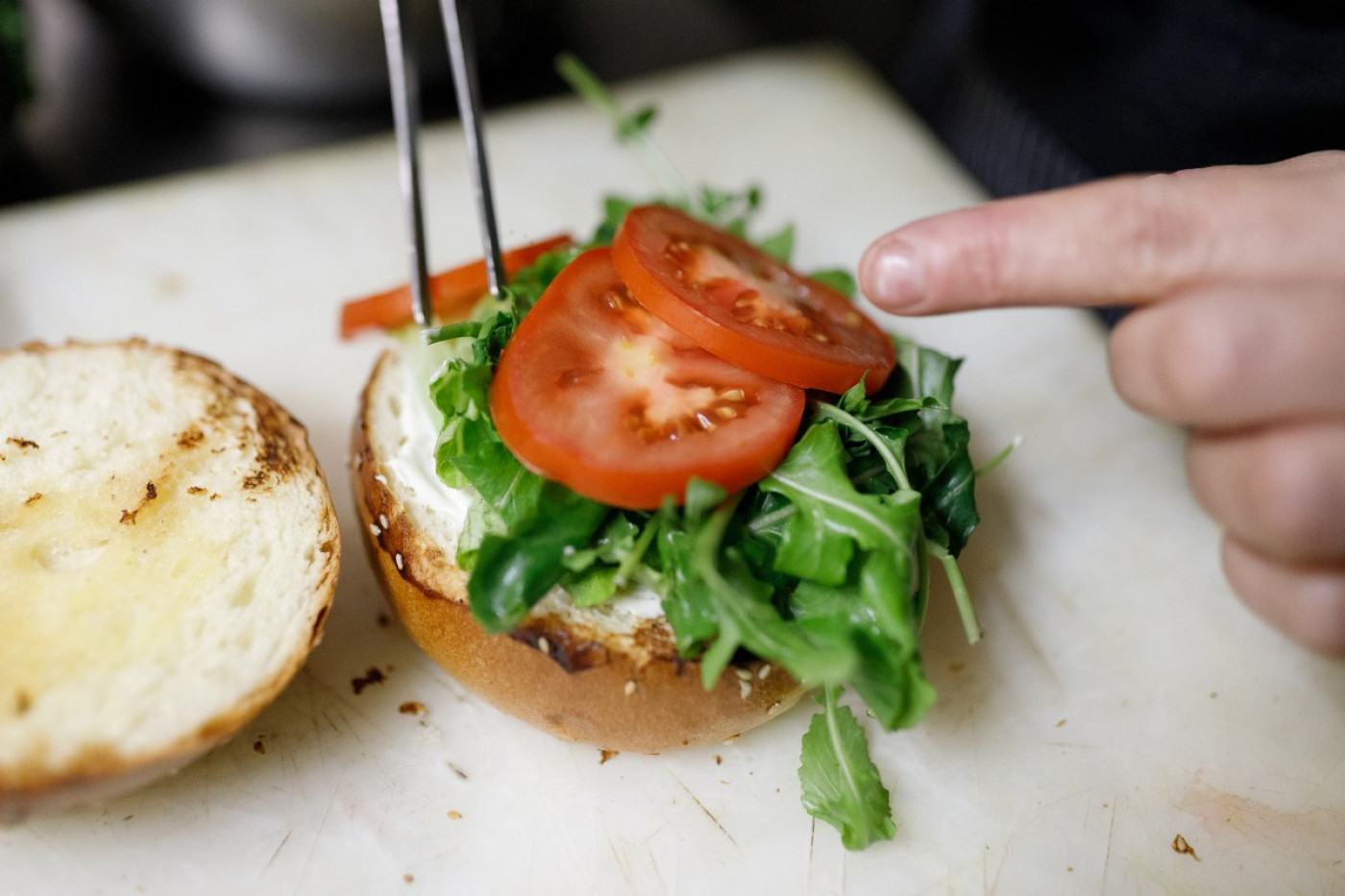
She briefly warmed the delicate brioche pastry in butter and arranged a sandwich, adding arugula and a slice of tomato, pieces of tongue and sauce, and jam.
And it was done. On the plate, at the "Pjat", there was a very modern but also an inventive dish in which the cook only upgraded the old idea, which was saved from oblivion by Ms Calussi. And even those who come to this restaurant with a backpack full of prejudices can't resist.
.
Want to find more?
Suggested
Gastronomy
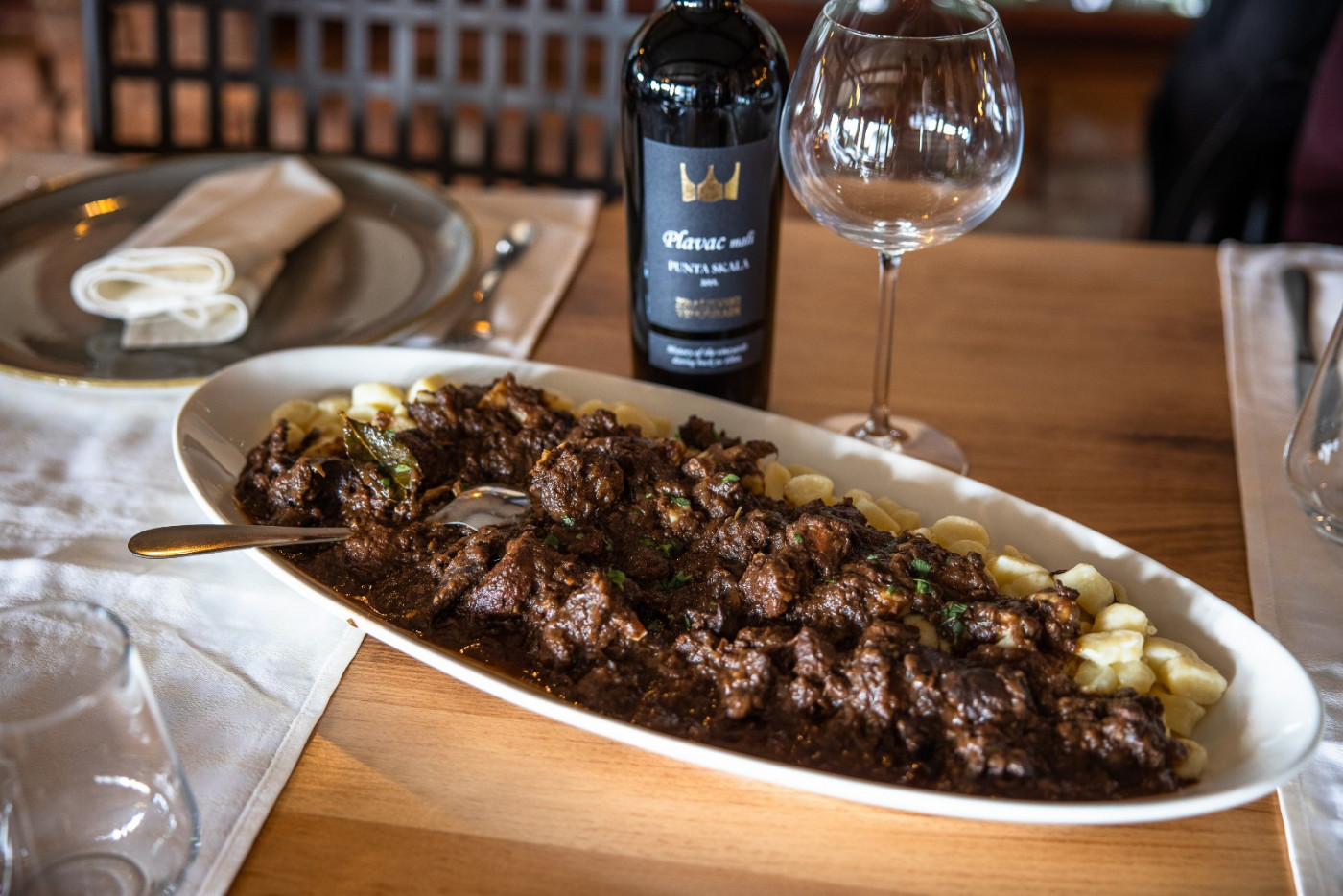
Zadar Rabbit Goulash at Berekin Tavern
18.01.2022.

Gastronomy, Lifestyle
After a Two-Year Break, the Zadar Wine Festival Returns
25.03.2022.
News
The Proveditor's Palace “Cultural Attraction of the Year”
24.10.2022.

News
The First Zadar Sensory Park for Children With Disabilities
14.03.2022.