
Museums
Attractions
Since the most distant past when the first living cultures were created, now only mute shards of human existence, up to contemporary and abstract thoughts about the nature of everything, humans have left traces in time and space. Zadar’s museums are vivid proof of the millennia, its hidden secrets, secret fragments of time, stories untold and those that are about to be told.

The Providur's Palace
The Providur's Palace
The Proveditor's Palace is a monumental building that dominates the eastern part of the historical nucleus of the city of Zadar, and in which have been located throughout history the institutions of the city government. Due to its exceptional cultural and historical importance, the Proveditor's Palace was included in the Register of Immovable Cultural Monuments of the Republic of Croatia already in 1978.
Rector's Palace
Rector's Palace
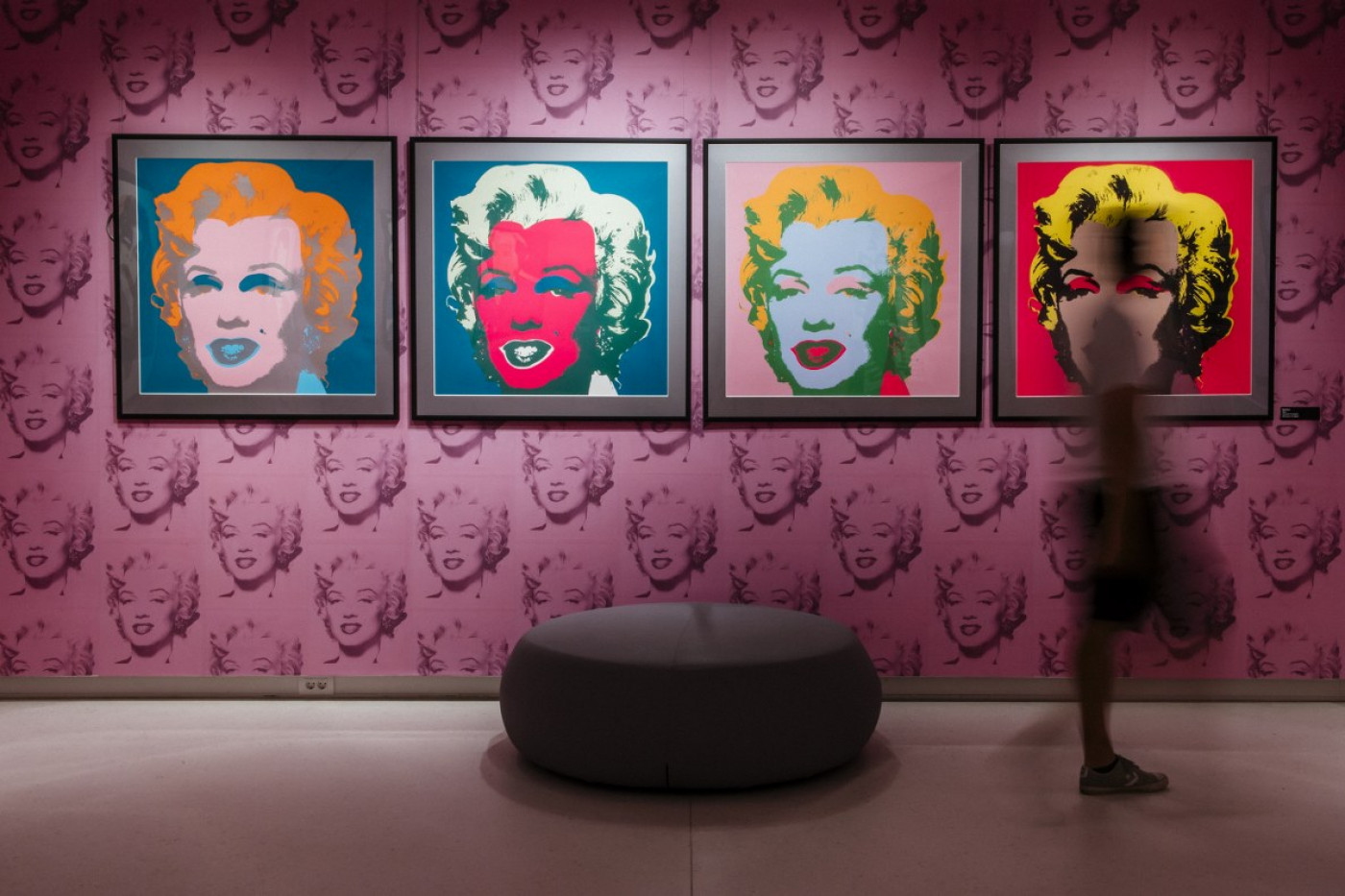
The Rector's Palace is a cultural monument, whose historical sources date back to the 13th century. Renovated with the EU funds in 2017, the Rector's Palace is a modern cultural and historical complex, as well as a tourist attraction.

National Museum Zadar
National Museum Zadar
The National Museum Zadar has been a stakeholder in the development of public museum activities since 1832, and its holdings today count about 100,000 items and represent the heritage capital of the identity of the city of Zadar and the entire Zadar region.

Ethnographic Department of the National Museum Zadar
Ethnographic Department of the National Museum Zadar
The Ethnographic Department of the National Museum Zadar collects traditional objects of the rural culture of northern Dalmatia, which is divided into Dinaric and Adriatic.

Museum of Illusions
Museum of Illusions
The Museum of Illusions in Zadar holds a kaleidoscope, an illusion of a chair, optical illusions, holograms, an illusion of an indented face, a table of clones, tricky rings, a head on a table, gramophones, a bottomless hole, a room of mirrors and various other visual deceptions.

Natural History Department of the National Museum Zadar
Natural History Department of the National Museum Zadar
The Natural History Department of the National Museum Zadar has its roots in the Napoleonic rule of Zadar in the 19th century, when the governor of the Zadar Lyceum, Vicenzo Dandolo, insisted on establishing the Natural History Cabinet.
International Centre for Underwater Archaeology
International Centre for Underwater Archaeology
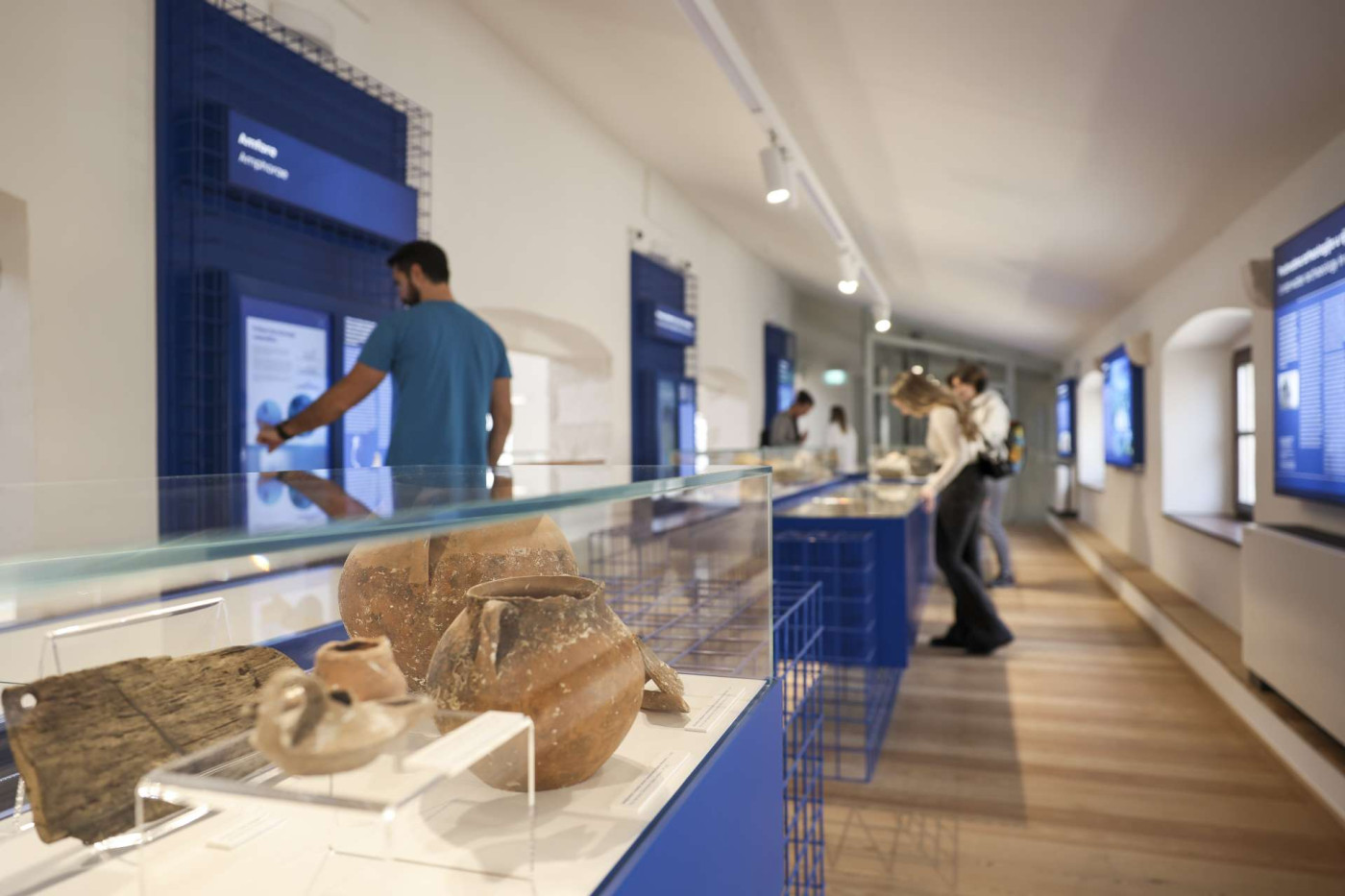
The International Centre for Underwater Archaeology in Zadar (ICA Zadar) manages the complex of the former church and monastery of St. Nicholas, the renovation of which was co-financed by the European Union from the European Regional Development Fund. The complex houses the Educational and Presentation Centre for Underwater Archaeology of St. Nicholas with various exhibits and interactive content.
The Maritime Collection of the Croatian Academy of Sciences and Arts
The Maritime Collection of the Croatian Academy of Sciences and Arts
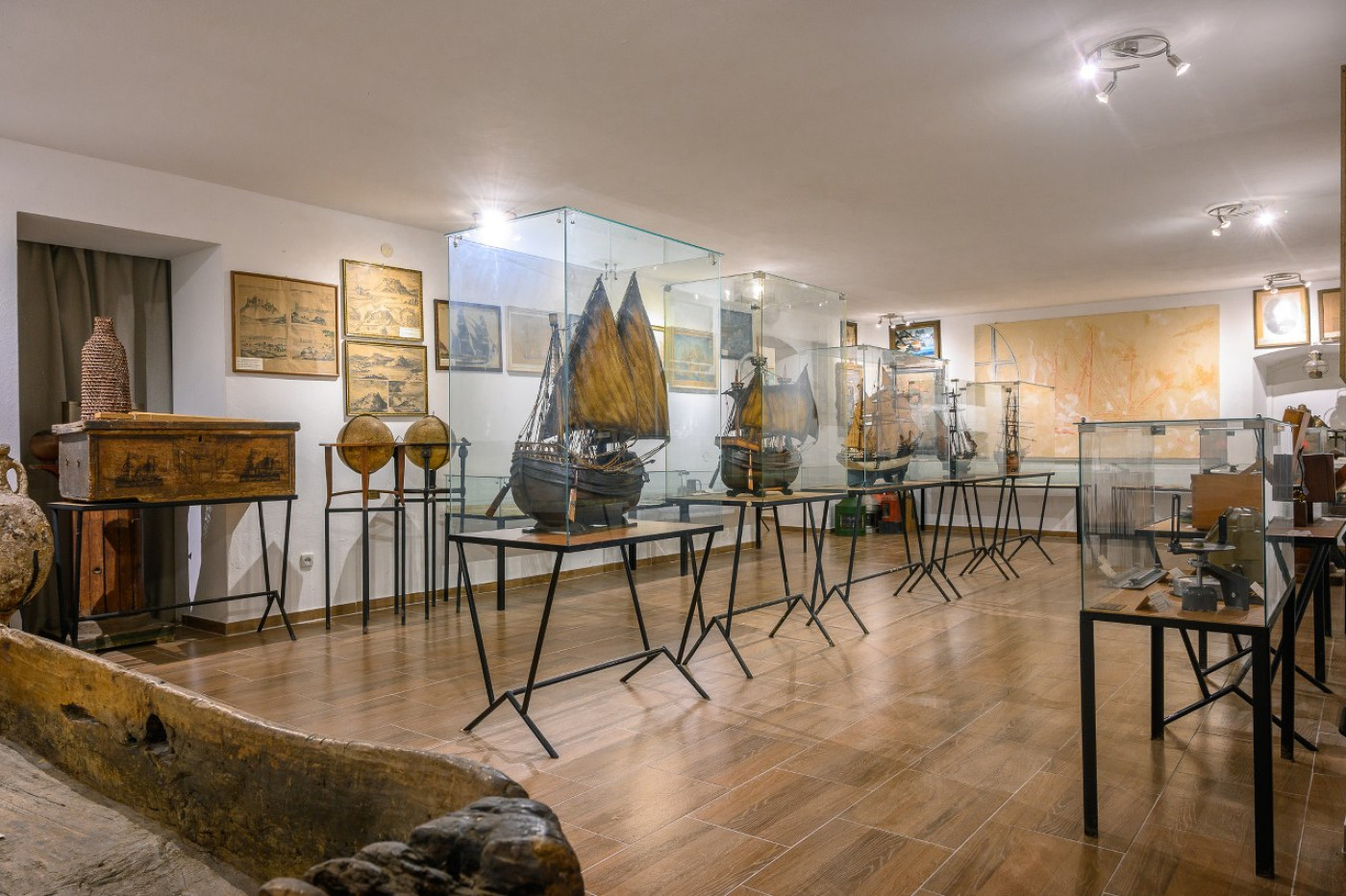
The Maritime Collection is located in one of the most beautiful villas, which was built at the beginning of the 20th century in the area of Brodarica opposite the historical center of Zadar. The Maritime Collection is founded with the aim of preserving and representing to the public rich maritime history of Zadar and northern Dalmatia and its connections with wider region.

Treasury of the Franciscan Monastery
Treasury of the Franciscan Monastery
The Monastery of St Francis with the Gothic Church, the Chapel of St Anthony, the Cloister, the Sacristy and the Monastery Treasury is a true gem of Zadar culture. Among the greatest treasures is the Ugljan Polyptych from the 15th century, which is attributed to the famous local painter Dujam Vučković.
Treasury of the Serbian Orthodox Church of St Elias the Prophet
Treasury of the Serbian Orthodox Church of St Elias the Prophet
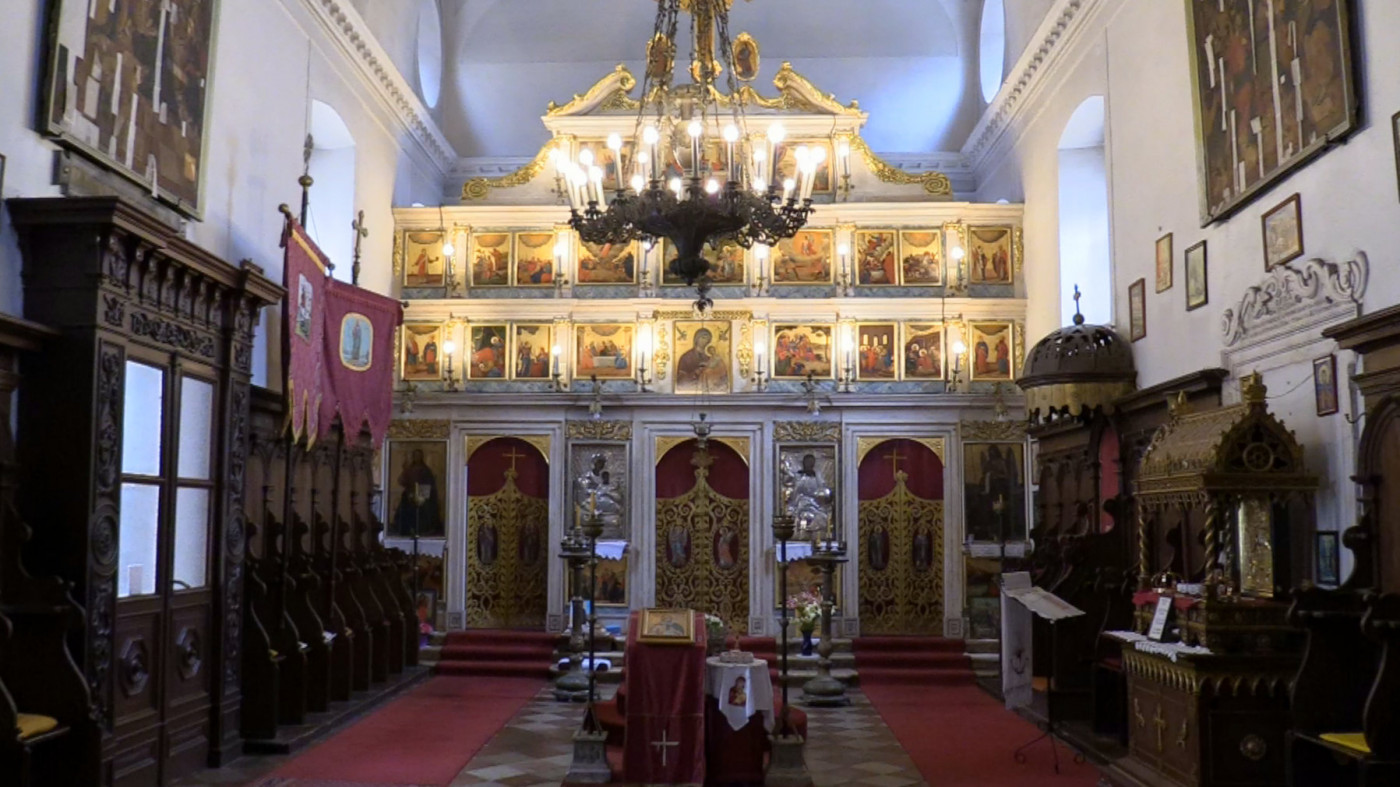
The Church of St Elias the Prophet in Zadar was built in the 16th century in the site of a homonymous Medieval catholic church. It was adapted in the 18th century in Late-Baroque style, and it keeps a rich collection of icons from the 16th to 18th century.
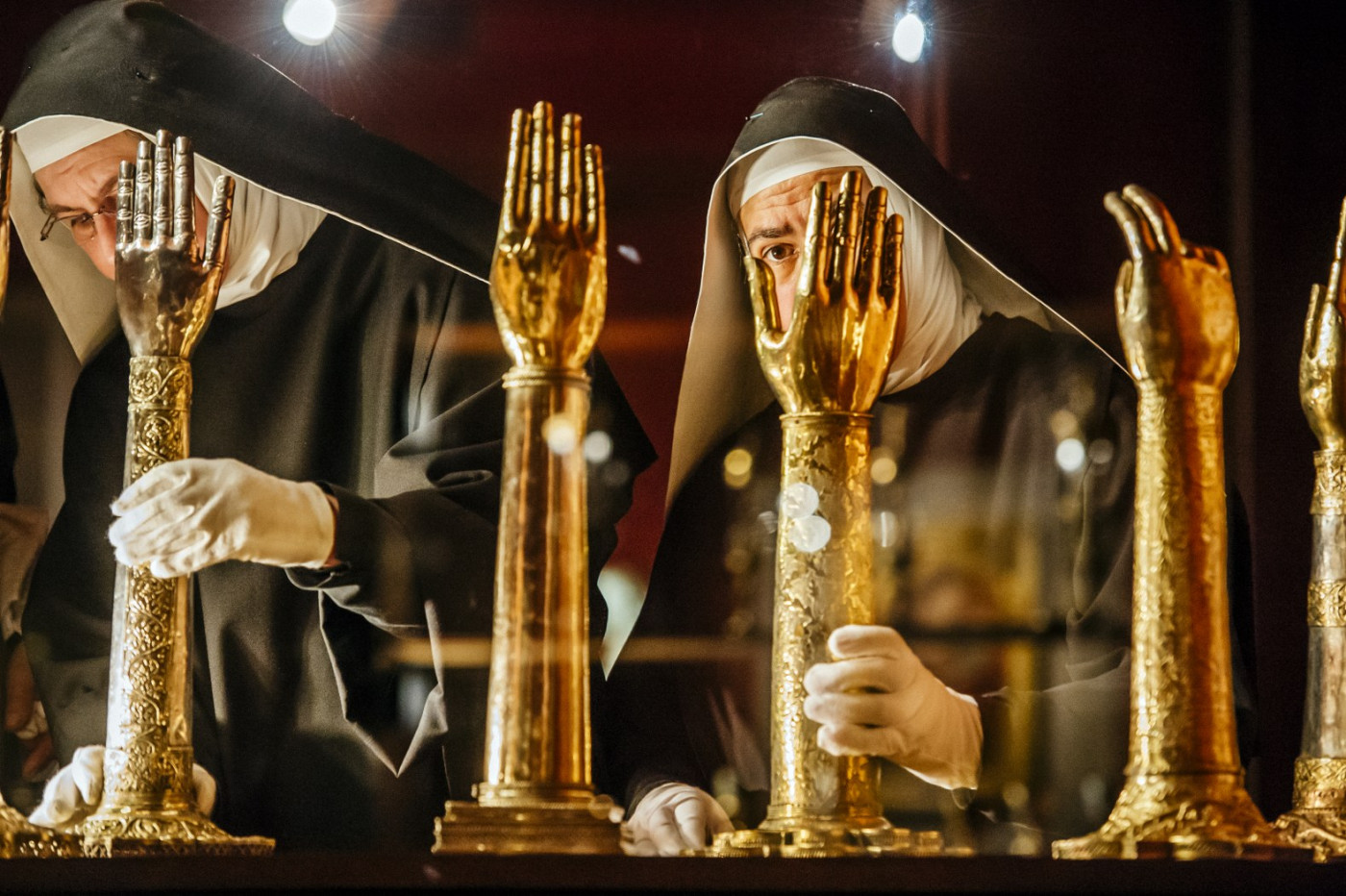
The Permanent Exhibition of Religious Art
The Permanent Exhibition of Religious Art
The first exhibition called The Gold and Silver of Zadar was initiated by the great Croatian writer Miroslav Krleža, who was glorifying Zadar's gold, and in 1976 it was turned into a Permanent Exhibition of Religious Art within the Benedictine Convent of Saint Mary.

Museum of Ancient Glass
Museum of Ancient Glass
The Museum of Ancient Glass is a contemporary and unique cultural institution in the world. It is home to a specialized archaeological collection with more than 5,000 glass objects from the period of antiquity, i.e. the 1st century BC to the 5th century AD.
.