

 Hrvatski
 Italiano
 Deutsch
 Français
 (opens in a new tab)
Search results for:
History
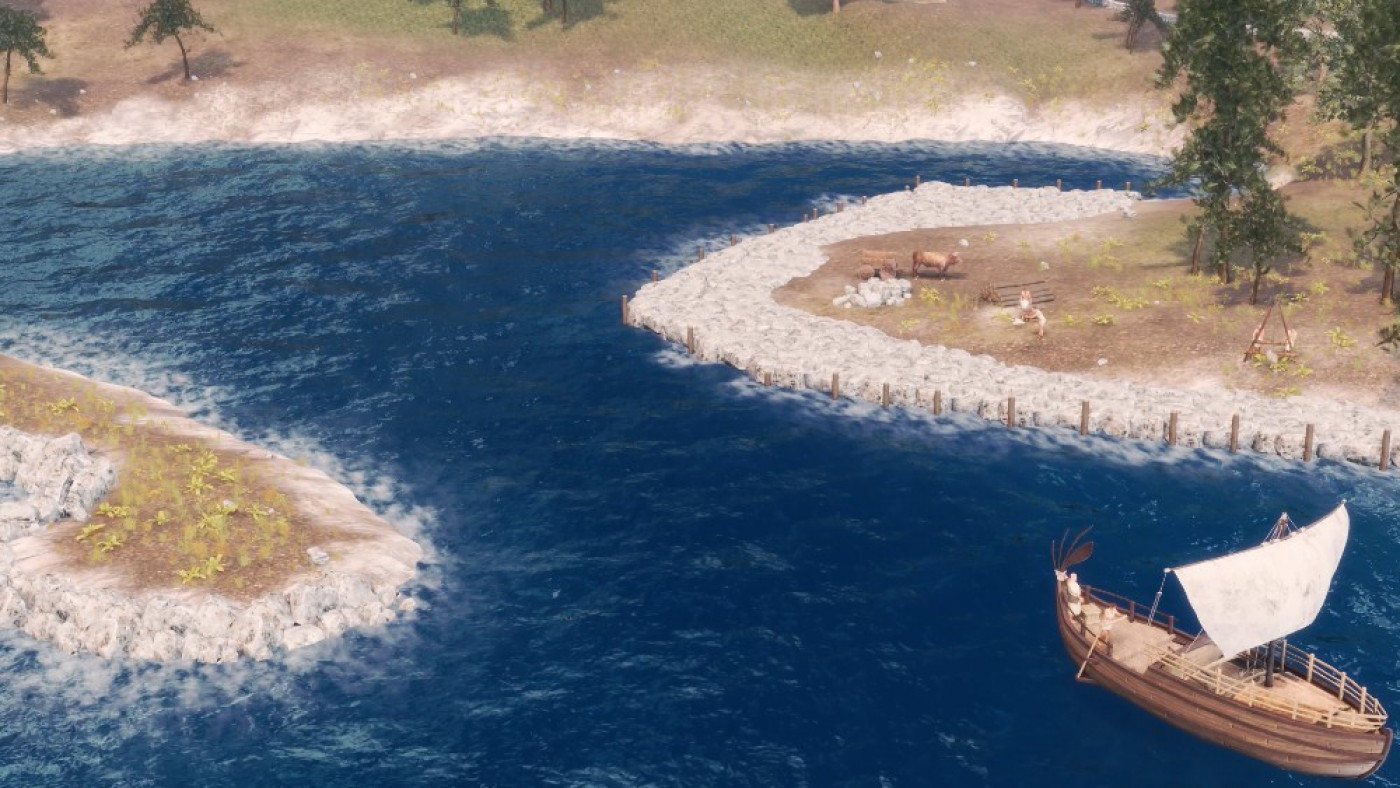
Virtual Archaeology - New Technologies For Presentation Of Valuable Heritage
Read moreNew technologies open up a number of new opportunities for presentation of history and heritage, thus creating completely new destination experiences for visitors.
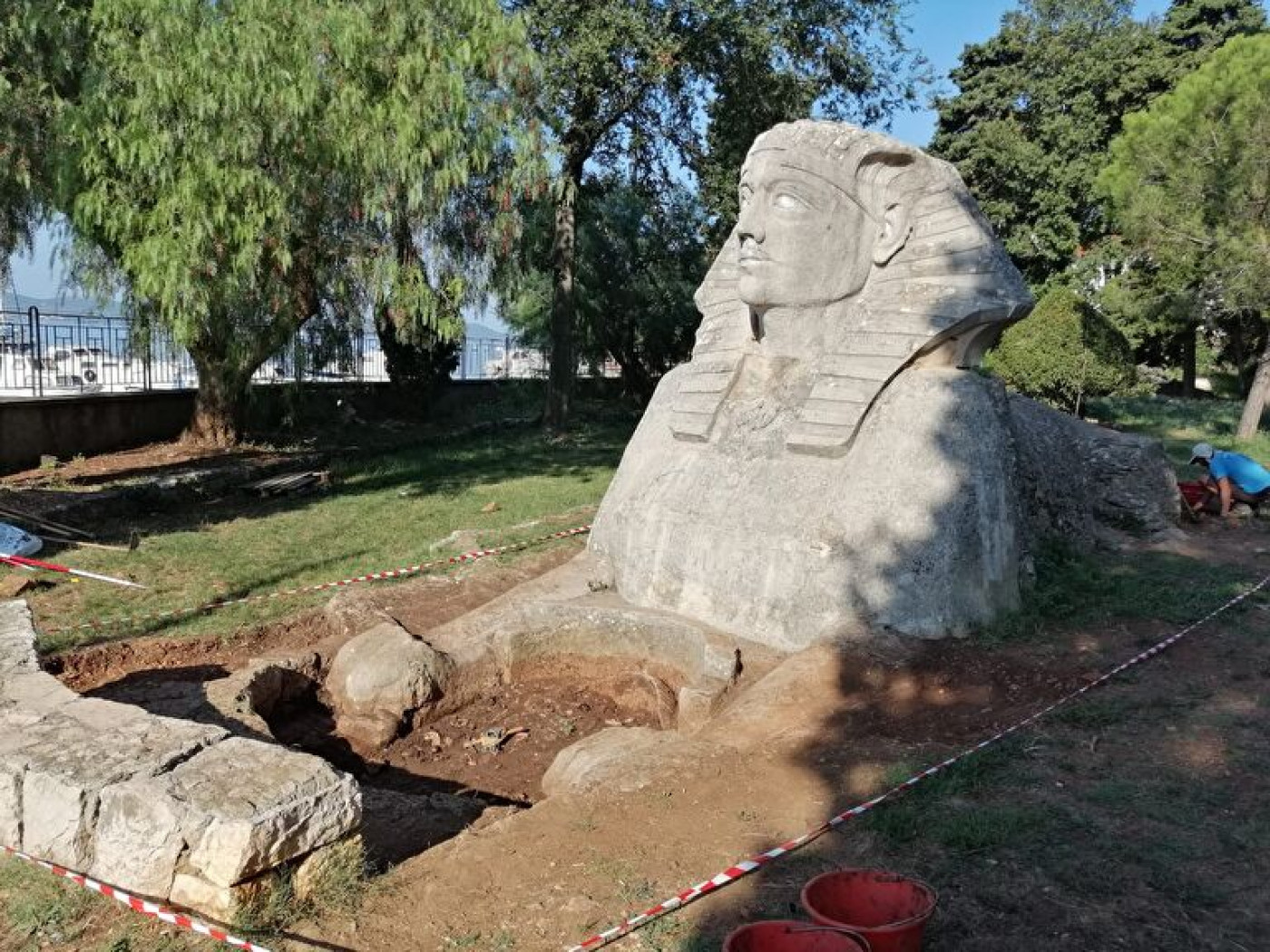
Zadar Sphinx Restoration Project Begins
Read moreThe exploratory archeological works began on the Zadar Sphinx this Monday. They are organised by the City of Zadar as part of the implementation of the RECOLOR project (Reviving and EnhaCing artwOrks and Landscapes Of the adRiatic).

Interesting Facts About Zadar
Read moreZadar is a remarkable city of diverse history, full of known and somewhat lesser known facts and curiosities. We bet you didn't know about some of them, so here is some insight into this ancient city.

Body of the Saint Who Held the Child Jesus in his Arms Is Found in Zadar
Read moreIn the Church of St Simeon in Zadar, in a silver casket of immeasurable artistic value, there is a mummified body of Simeon the God-receiver (Šimun, Šime), a God-fearing old man and sage who held the child Jesus in his arms. From the New Testament Gospel of Luke, we learn that Simeon the Elder, a man inspired by the Holy Spirit and one of those who were called prophets, came to the Jerusalem temple to take the Child of God in his arms and greet the one in him, who would bring salvation to all peoples. His body is kept in Zadar, the city whose patron saint is Saint Simeon, and the casket in which the body of the biblical God-receiver is preserved, is considered to be the most valuable work of Medieval goldsmith art in Croatia.

Zadar on the Maps by Geographer Ptolemy and Ottoman Admiral Piri Reis
Read moreSince its founding 3,000 years ago, Zadar has been an indispensable anchorage on the eastern Adriatic coast, an important port during the long historical epochs of the metropolises of Dalmatia and the Adriatic.
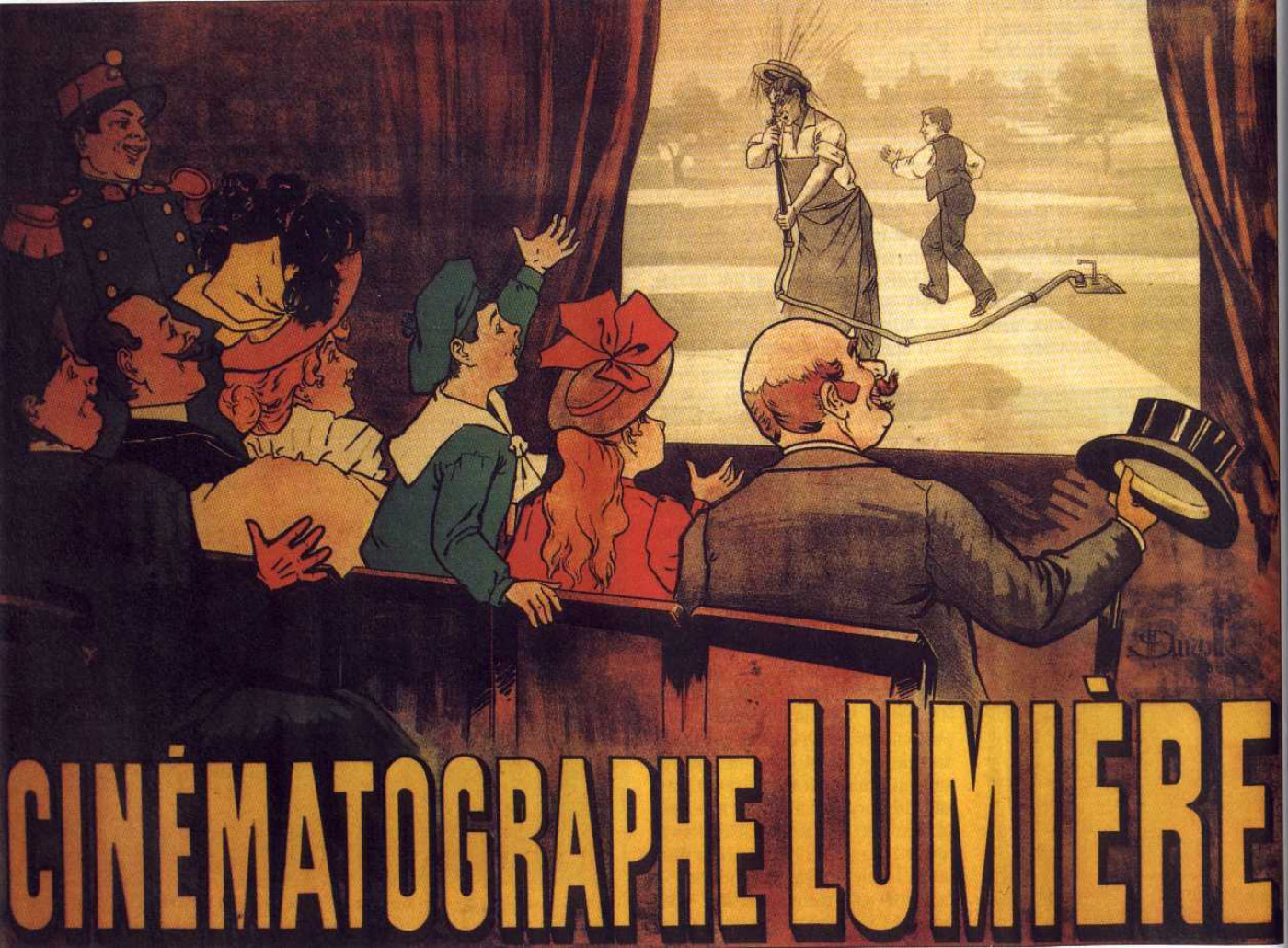
Zadar Had the Most Beautiful Cinema in Austria-Hungary
Read moreThe most beautiful cinema of the Empire, as they called this Zadar cinema at the beginning of the last century, was ceremoniously opened in 1913 in today's 1358 Zadar Peace Treaty Street (Ulica Zadarskog Mira 1358.) in the Bottura House, once a beautiful multi-storey building near the New Seafront (Nova riva), but it first started working only four years later in the Höberth House. In the new building in which the cinema was located, in the immediate vicinity of the Bottura House, the famous Lloyd café was situated as well, and the cinema hall itself had as many as 400 seats.
Liburnia Association and the Beginnings of Zadar Tourism in the 19th Century
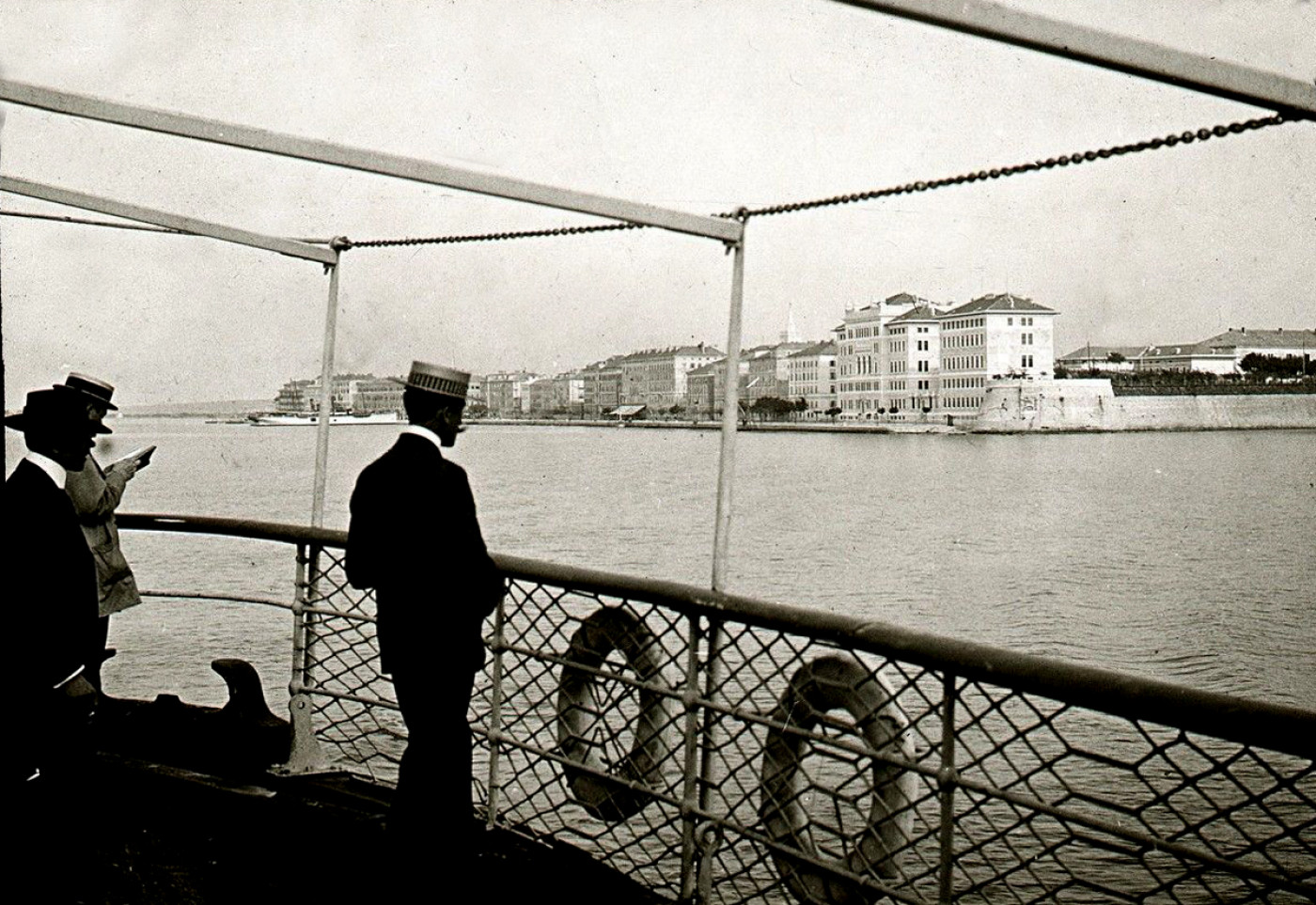
Read moreThe phenomenon of tourism and tourist attraction of Zadar is not an occurrence that we associate with the modern age, or the especial tourist development of the city since the 1970s. Because of its ancient past, cultural and artistic richness and the environment with national and nature parks, Zadar has been attractive to visitors since the end of the 19th century, when the first tourist association was founded.
A Spectacular 3D Review of the Life and Appearance of Ancient Iader
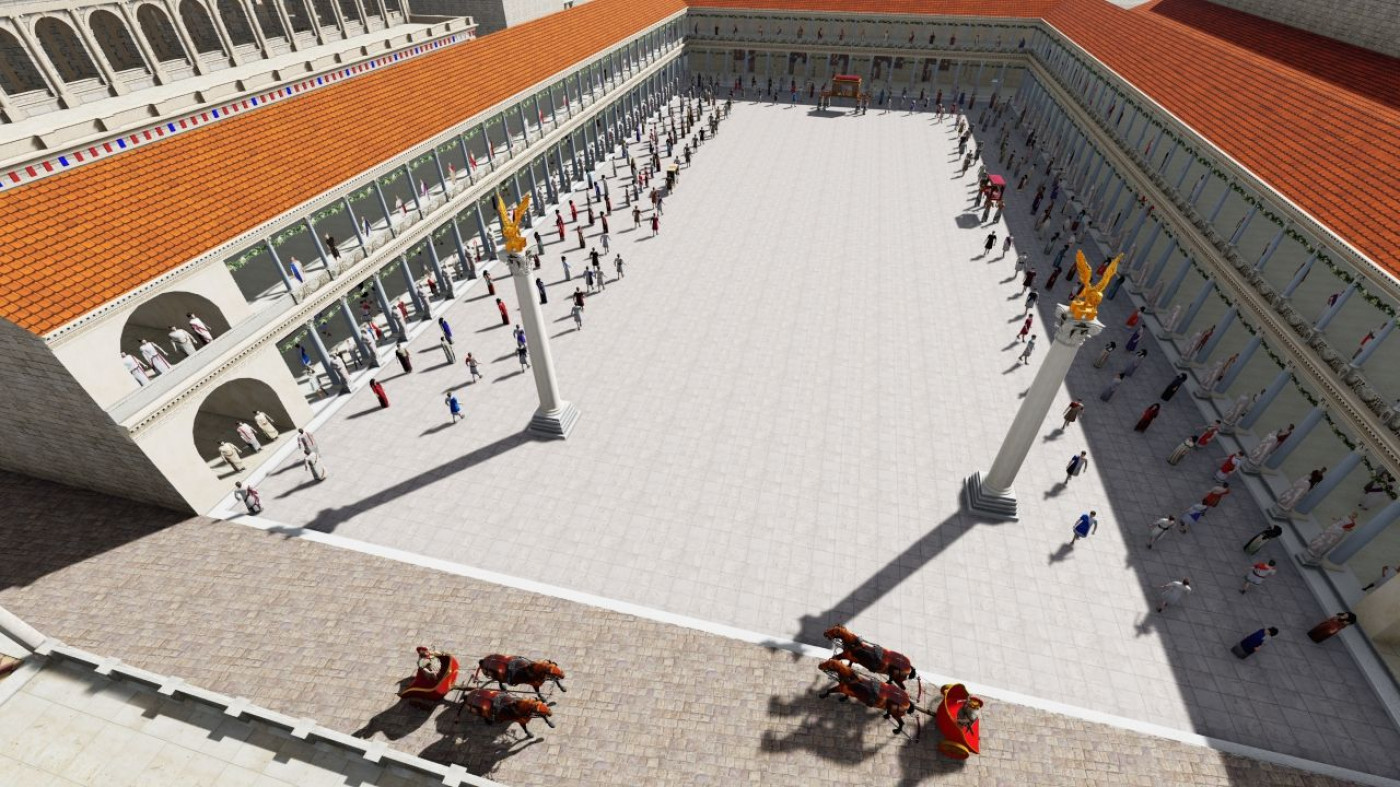
Read morePensioner from the town of Opuzen revived Zadar during the Roman Empire. After six months of intensive work on three-dimensional modelling (3D), the public was finally introduced to a ten-minute animation of the appearance, architecture, urban structure and life in the Roman Iader, or ancient Zadar.

Natural History Department of the National Museum Zadar
The Natural History Department of the National Museum Zadar has its roots in the Napoleonic rule of Zadar in the 19th century, when the governor of the Zadar Lyceum, Vicenzo Dandolo, insisted on establishing the Natural History Cabinet.Read more
Cathedral of St Anastasia
Read moreThe Cathedral of St Anastasia is a monumental Romanesque building, and it carries the name of the Sirmian martyr, to whom two popes bowed down; Alexander the III, who visited her tomb, and Pope John Paul II, who bowed down in 2003 in front of the main gate of the Cathedral.

History of Zadar
Read moreZadar is a city whose past goes back 3,000 years, when it was first mentioned as a settlement in written documents and historical artefacts. It became a fully urbanized centre during ancient Roman times and remained as such continuously for another two millennia.
- (opens in a new tab)Poljana Pape Aleksandra III 7