03.02.2021.
Liburnia Association and the Beginnings of Zadar Tourism in the 19th Century
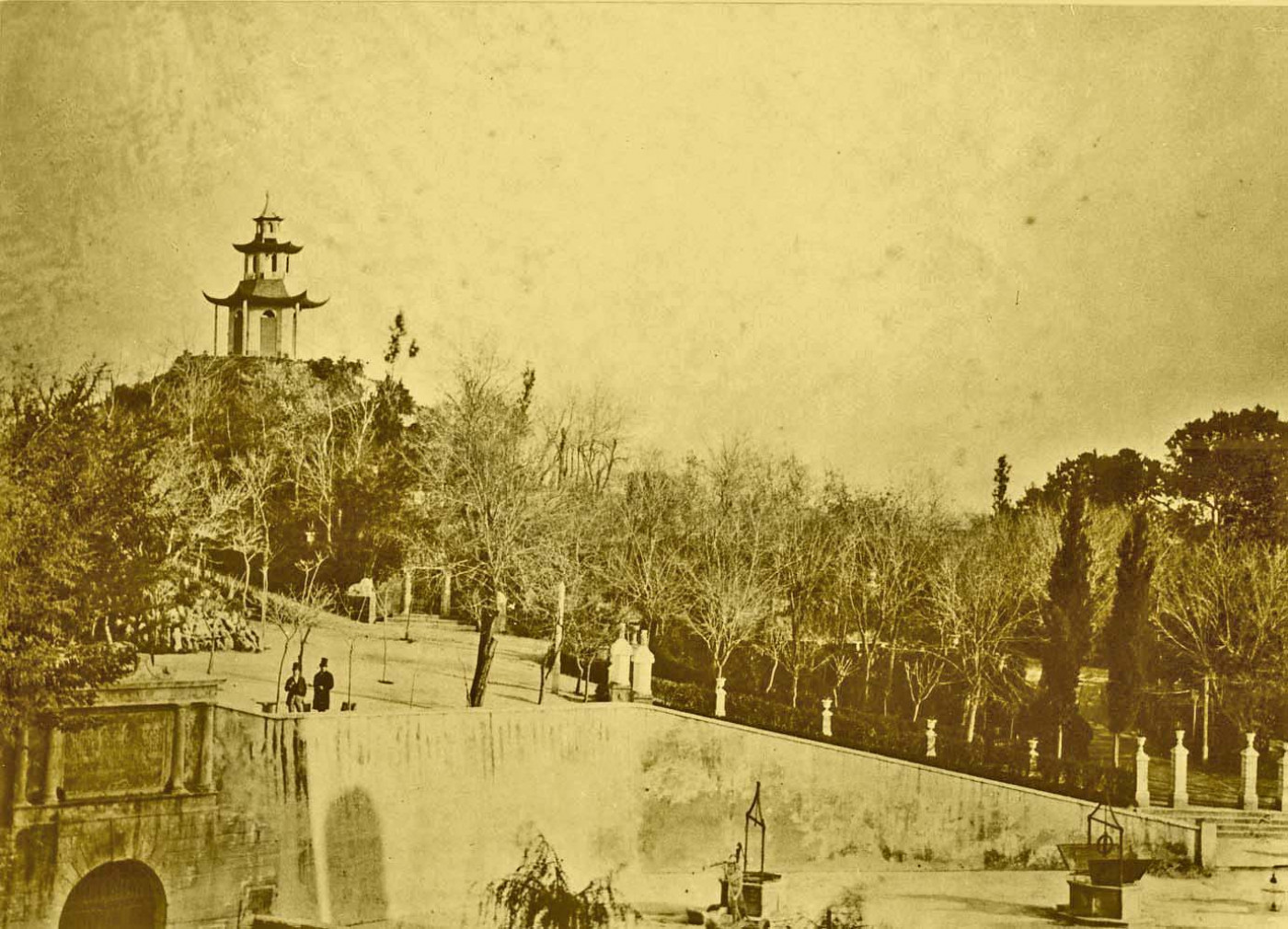
The phenomenon of tourism and tourist attraction of Zadar is not an occurrence that we associate with the modern age, or the especial tourist development of the city since the 1970s. Because of its ancient past, cultural and artistic richness and the environment with national and nature parks, Zadar has been attractive to visitors since the end of the 19th century, when the first tourist association was founded.
Thus, the Liburnia Mountaineering Tourist Association was founded with the purpose of exploring the natural beauties of the Kingdom of Dalmatia (Austrian crown land Königreich Dalmatien). It was founded on 24th July 1899 by the eminent citizens of Zadar of the time, Alfons Prince Borelli, Dr Luka Jelić, Petar Androić, Lavoslav Golf, Osvald Battali, Kosta Neumayer, Rikard Kodolić, Ludovik Hočevar, Ferdinand Tepper and Marko Nizeteo. Just ten days before the founding assembly, the Austrian authorities approved of rules stating that research and promotion of natural beauties of Dalmatia should be done, in order to make them accessible to foreign visitors. Occasionally, this special task was performed by foreign guests of Zadar, sometimes by word of mouth, and sometimes by reporting from the city itself.
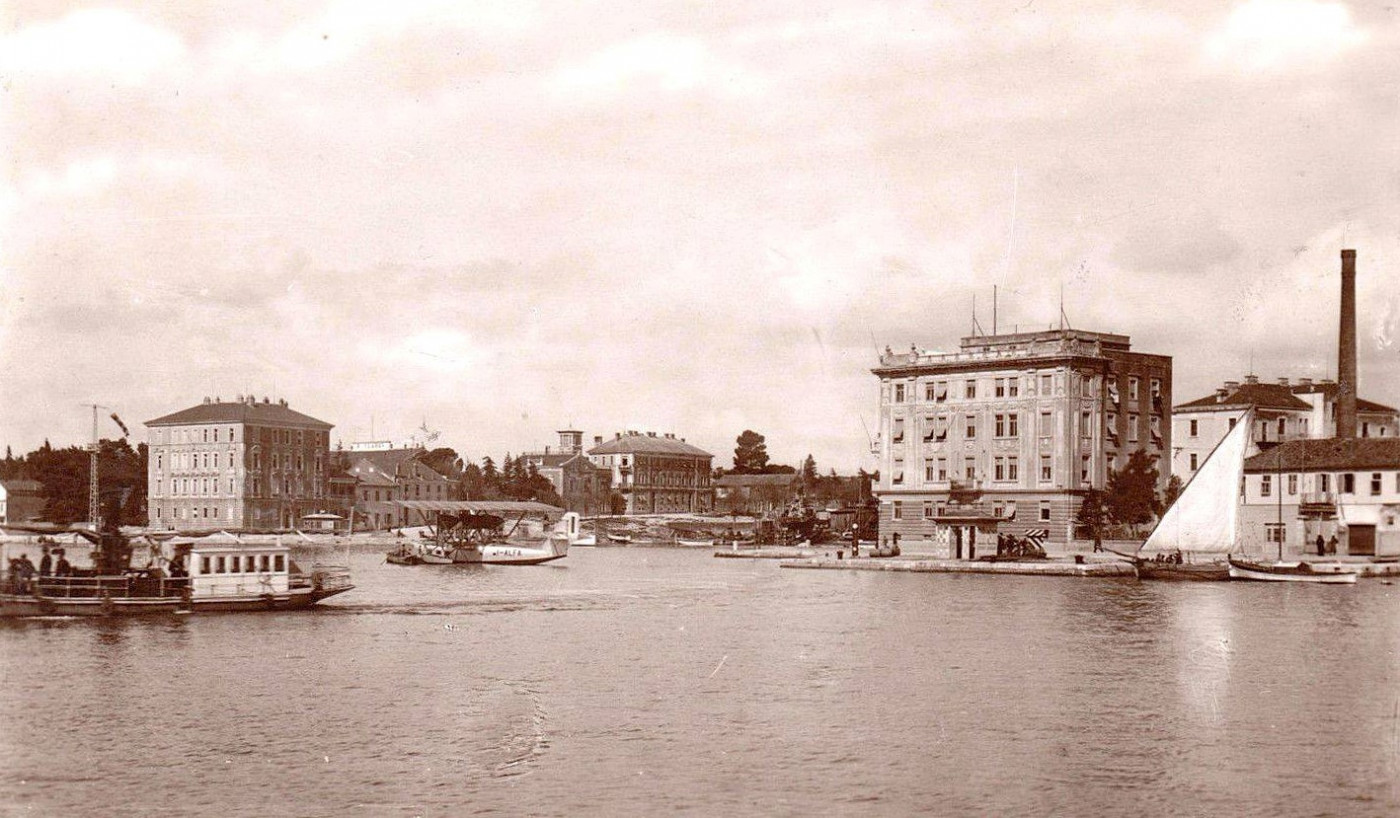
The city of Zadar in 1910 “A purely undiscovered land”, wrote the German writer Groener
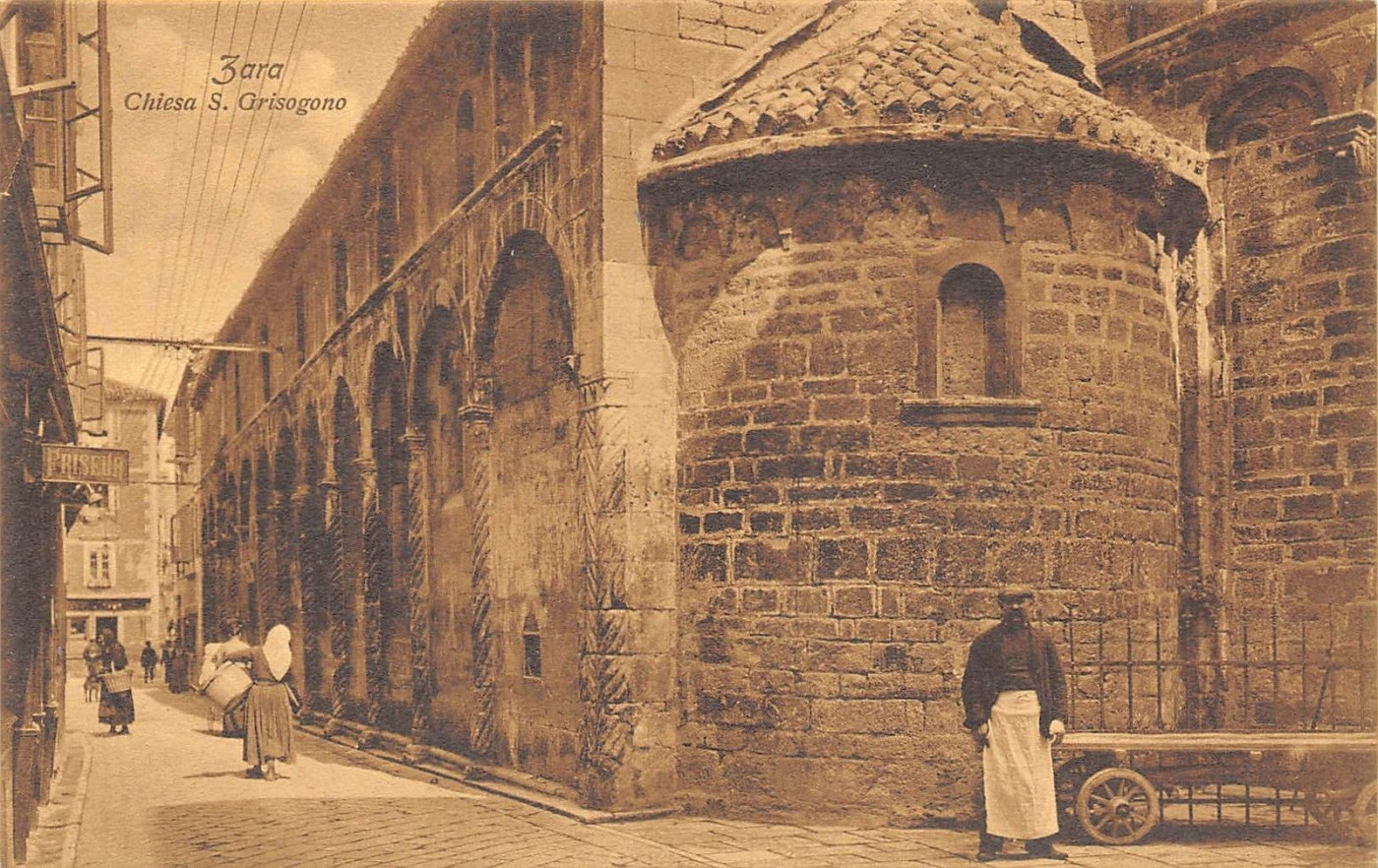
In the spring of 1916, an article about Zadar was published in the German newspaper, the Frankfurter Zeitung, signed by the eminent writer Maria Groener. The German visited the Zadar Cathedral, which was in scaffolding at the time due to renovations, and she shared her impressions with her readers. “I don't know where to start, for this small peninsula is so rich,” wrote Groener, delighted with the city, its white fortifications, the interior of the Cathedral, the rotunda of St Donat, the Franciscan Monastery, and the cleanliness of Zadar's streets and squares. “I have not seen anything without a sense of style in the whole of Zadar. But best of all, I have not seen a single foreigner in Zadar. So much warmth. So much elegance. This happy place is not yet familiar with the railroad. It only enjoys ships that arrive with several hours of delay. But no one gets upset about it, everyone is healthy, content, and happy. A purely undiscovered land,” wrote the German writer and reporter. The Liburnia Mountaineering Tourist Association was working precisely on discovering the “undiscovered” noticed by Groener. In the beginning, the Association had about sixty members, because the Zadar dignitaries who founded it were immediately joined by many other Zadar citizens, such as Hubert Borelli, Kazimir Abelić, Dr Radoslav Papafava, Josip Pedišić and Emanuel Nikolić. Only eight years later, Liburnia had as many as two hundred members, an enviable number that only increased over time. The Tourist Association of the time was a kind of a joint stock company, whose shares were owned by the founders, and each share amounted to five Austrian crowns. The Dubrovnik Municipality signed the application form for the Association too, but despite the organization and well-designed activities, Liburnia did not have it easy. The Dalmatian Parliament, for example, denied the financial aid to the Zadar Mountaineering and Tourist Association.
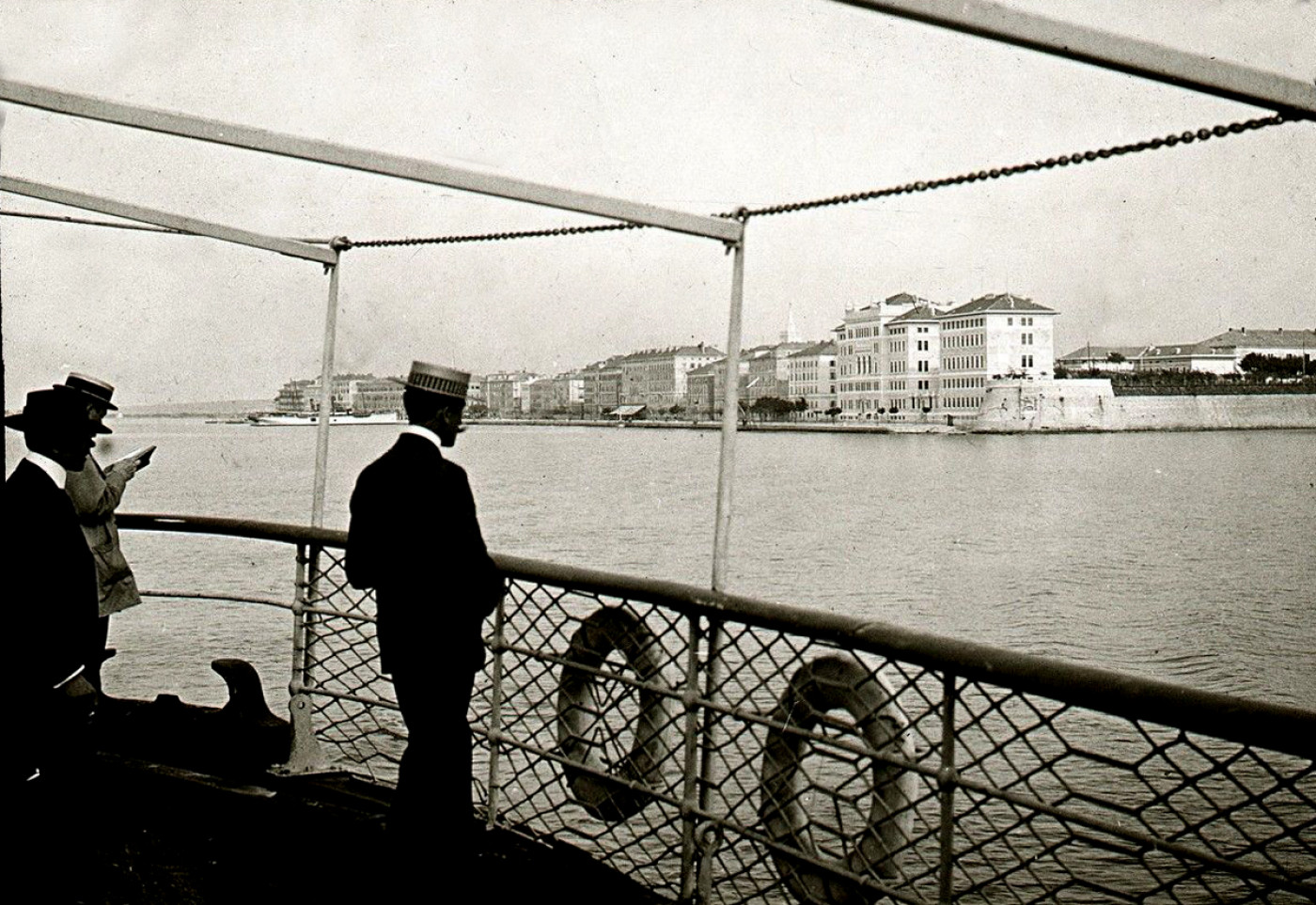
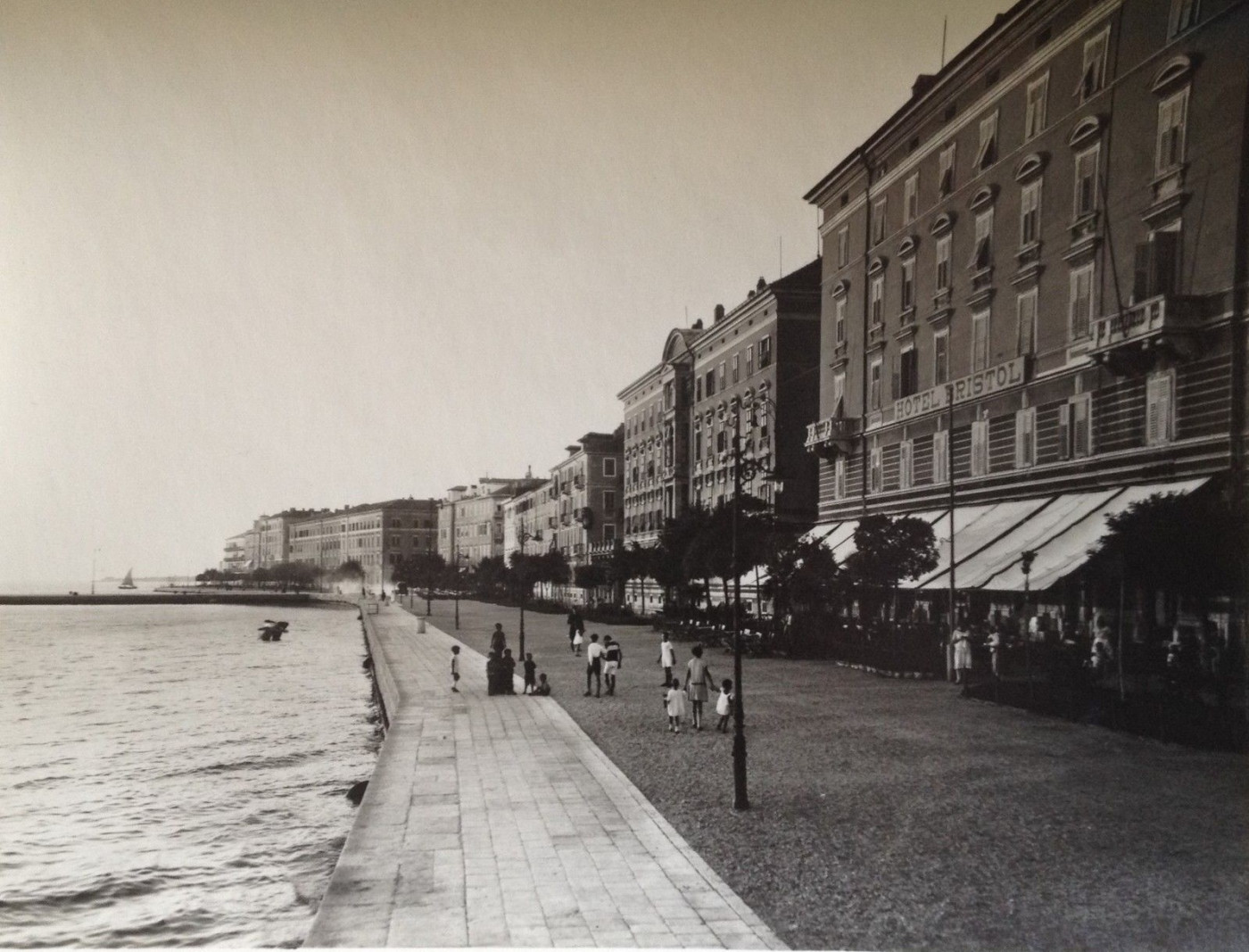
Foreigners in Zadar were delighted by the New Seafront (Nova riva) with the leisure and nobleness of strollers, or by elegant boats, whose delay upset no one
The main activity of Liburnia was promotional, or as they would call it today - tourism marketing, with excursions as well, and arrangement of mountain lodges such as the ones on the islands of Pašman and Ugljan. It is interesting how Liburnia took care of St Lawrence fortress in Dubrovnik, which was then ceded to the Dubrovnik Association for the Promotion of Interests of Dubrovnik.
As early as the beginning of the 20th century, the Liburnia Mountaineering and Tourist Association began issuing publications in several European languages for promotional purposes, and thanks to the help of the Austrian Governor in Dalmatia, Nicola Nardelli, the Association managed to encourage the creation of the Provincial Association for the Promotion of Tourist Flow in the Kingdom of Dalmatia.
Old postcard of Velebit Mountain; the Liburnia Association was in charge of promoting the beauties of Zadar and Dalmatia
As early as 1888, one of them was the French travel writer Pierre Bauron, who was, just like the German writer Groener, delighted with Zadar. “Men and women dress according to the latest French fashion. The female world is dominated by white and bright colours, although all strollers show an aristocratic taste in the way they dress. If it was not for the language, which is completely foreign to my ears, I would believe that, judging by the clothes, I was in an Italian or southern French city,” Bauron remarked. The seduction of Zadar, the then undiscovered pearl of the Adriatic, was reflected in the images of magnificent palaces, landscaped parks, fast and comfortable liners, gallant cavaliers and elegant ladies. It was a world that served itself as the best self-promotion, at a time when its citizens deeply believed in the power of unstoppable progress, and the Liburnia Association fitted quite nicely in that story.
Watch the video
.
Want to find more?
Suggested