Attractions
Palaces
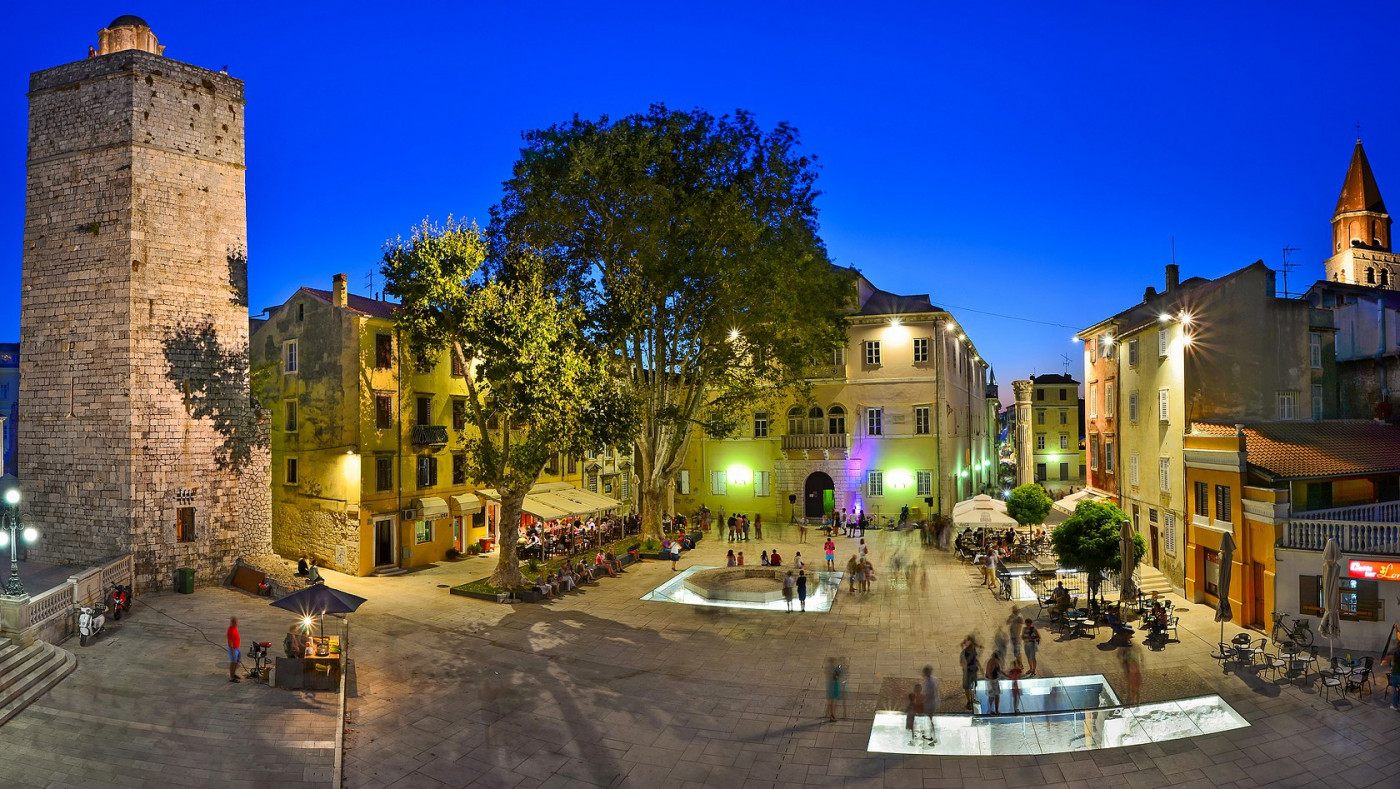
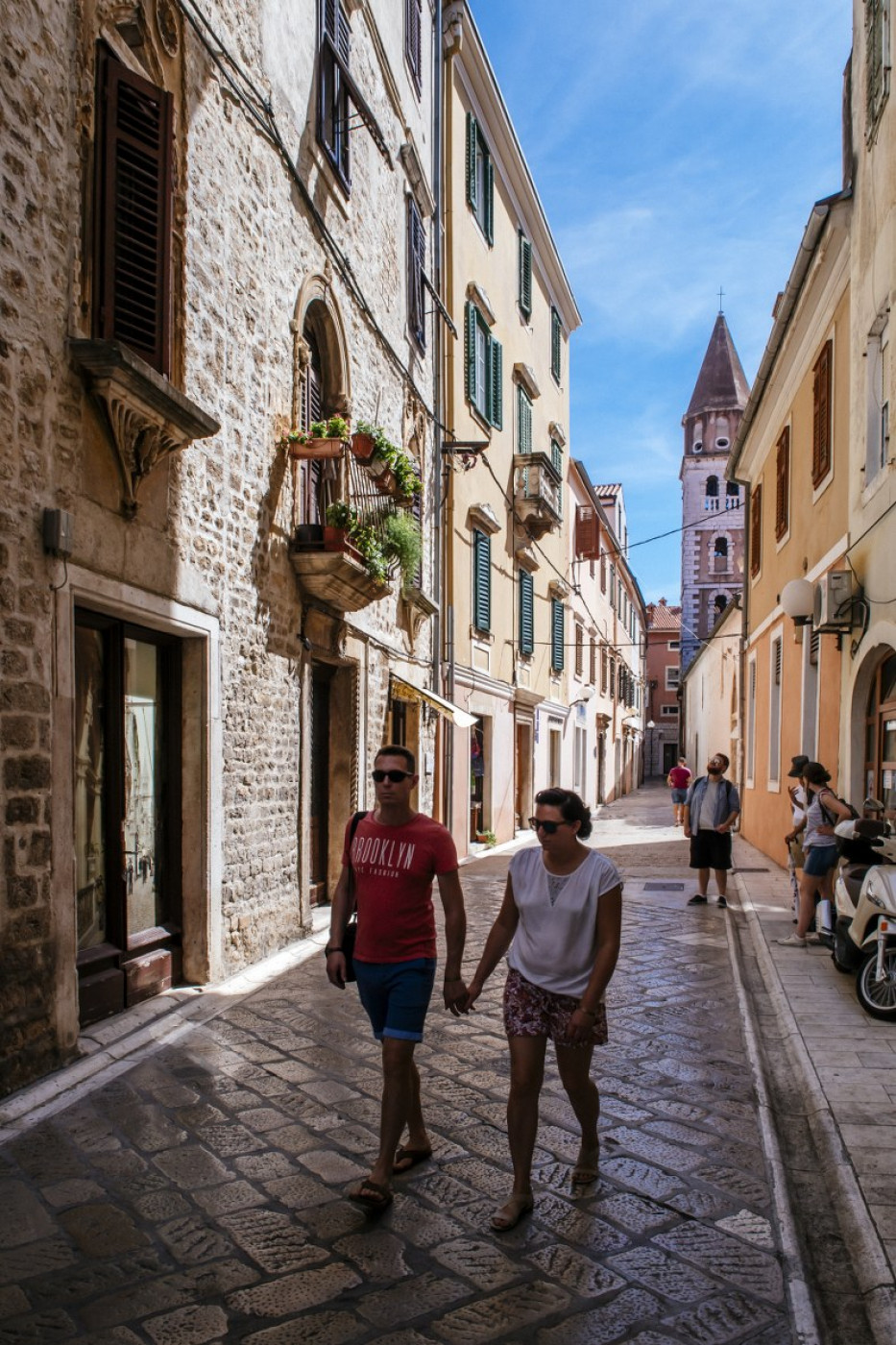
Zadar is a city of palaces. The three-thousand-year-old past of the city is interwoven in its Mediterranean and European urban identity. The face of Zadar is represented by small and bigger squares, narrow streets, ancient churches and monumental memories from the past, as well as luxurious palaces from the Middle Ages and later periods, that are quietly leaning on the remains of Roman and Late-Antique buildings.
Zadar is a city of uninterrupted continuity, as testified by its numerous and opulent monuments, such as the city’s palaces.
Grisogono Vovo Palace
The Grisogono Vovo Palace is located next to the Church of St Simeon, and initially it consisted of two Romanesque houses with a single-floored wing. In the second half of the 15th century the second floor was built, while the courtyard was finished in the 16th century.
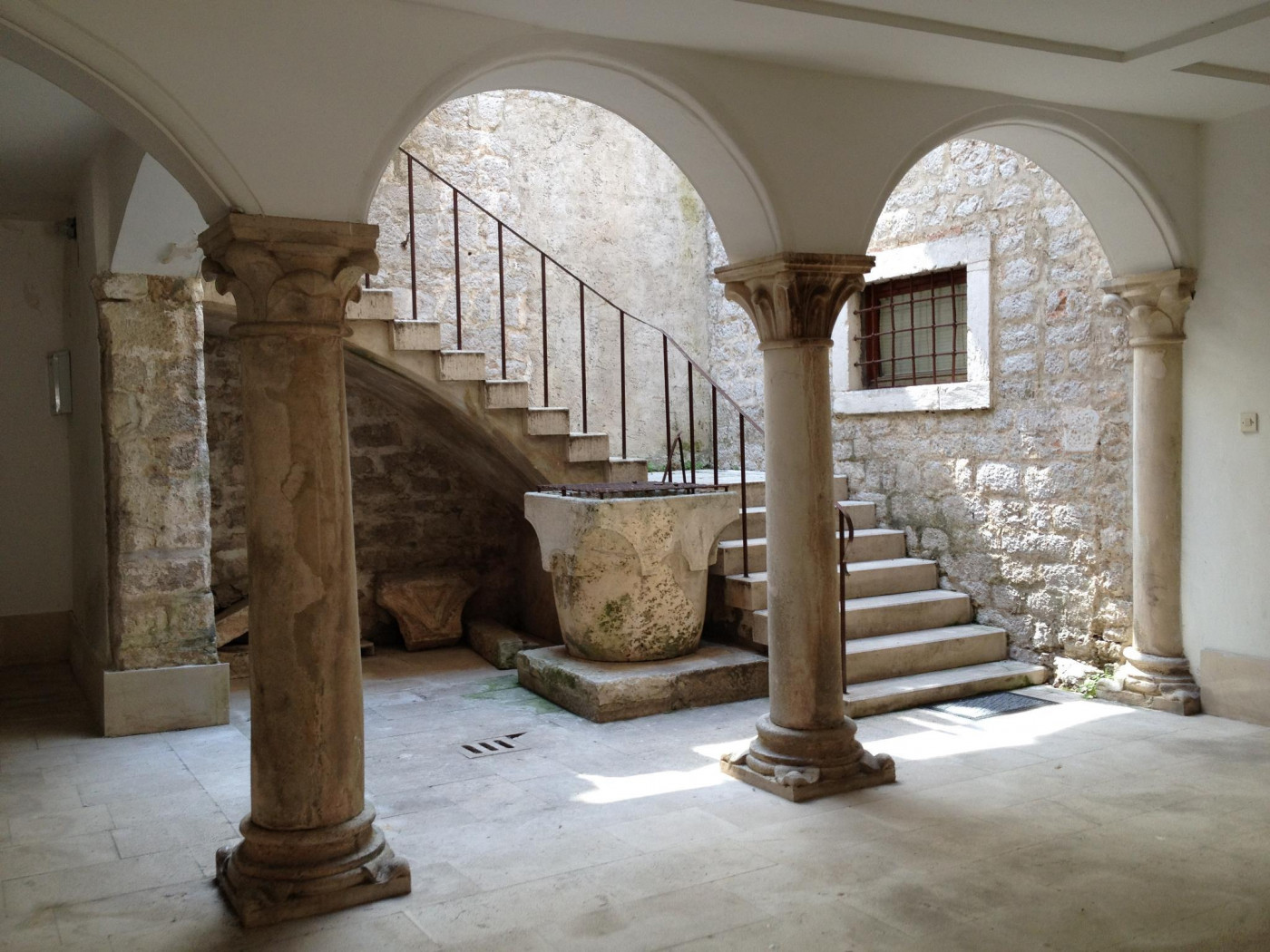
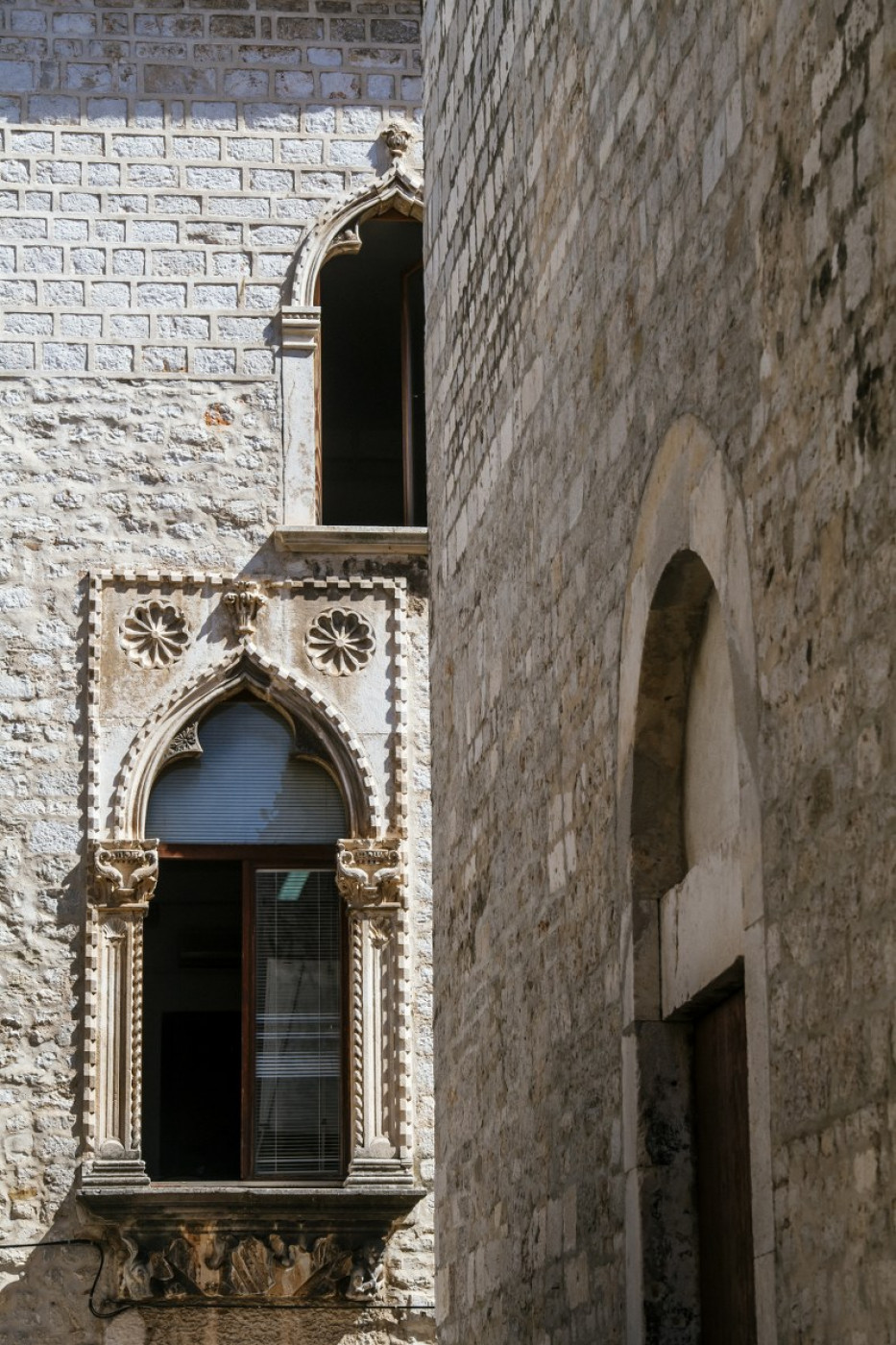
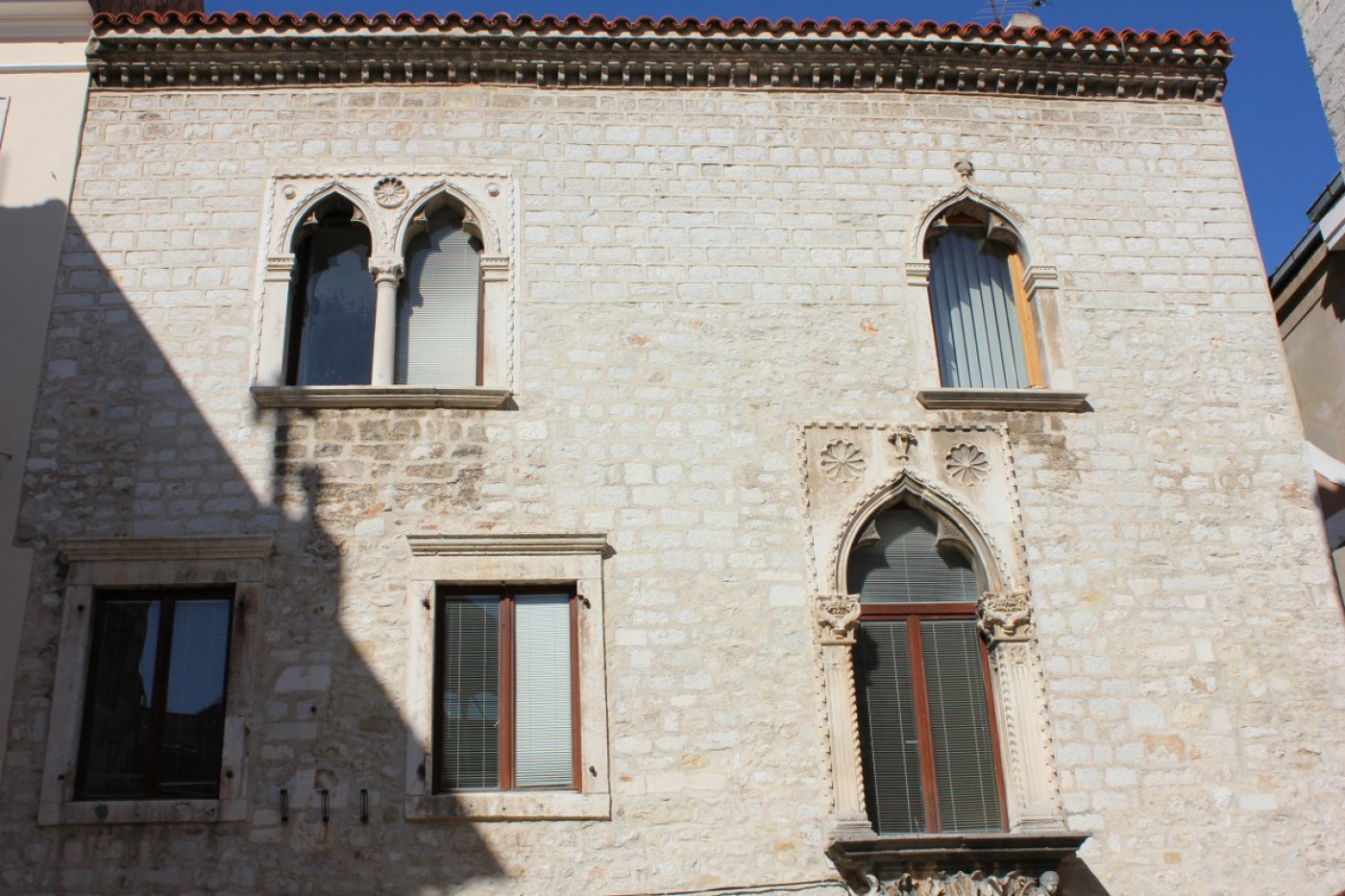
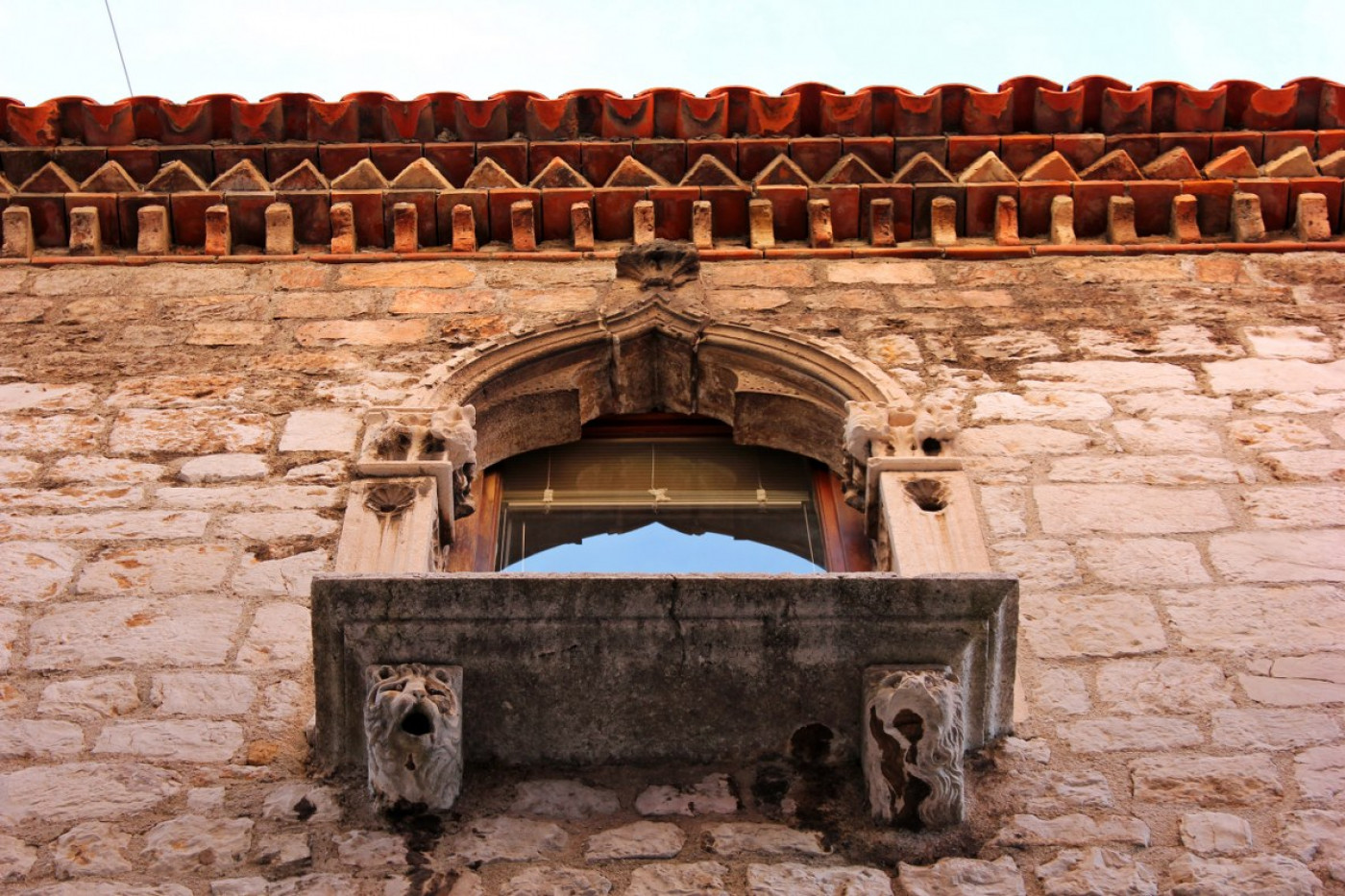
The Zadar noble Grisogono family is one of the oldest known families, and it had several branches. Federico Grisogono descended from one of them. He was a Renaissance artist who was also studying music. His palace is especially beautiful with an enclosed courtyard, a cistern and a well, a portico and galleries, while the facade is dominated by windows and balconies in the decorative style of the Venetian floral Gothic. The palace is entirely reflecting the Renaissance living culture, in which the residents were nurturing music culture in particular.
Nassis and Petrizio Palaces
The Nassis and Petrizio Palaces in Zadar are examples of Late Medieval representative palaces with a courtyard with arches and a well in the middle.
The Nassis Palace is located across the Church of St Dominic, while the Petrizio Palace is located next to the Church of St Simeon. The facades of both palaces are decorated with windows in the decorative style of the Venetian floral Gothic. It is assumed that the elements of the Nassis Palace have been built at the end of the 15th century by Marko Andrijić, who was a member of the known family of builders and sculptors from the island of Korčula.
Cedulin Palace
The Cedulin Palace from the 13th century is in the Croatian Register of Material Cultural Goods, and it is located at the very entrance to the historic city core and just below the UNESCO city walls (Bedemi zadarskih pobuna). The central Zadar Tourist Information Centre is located in its most beautiful and most representative part.
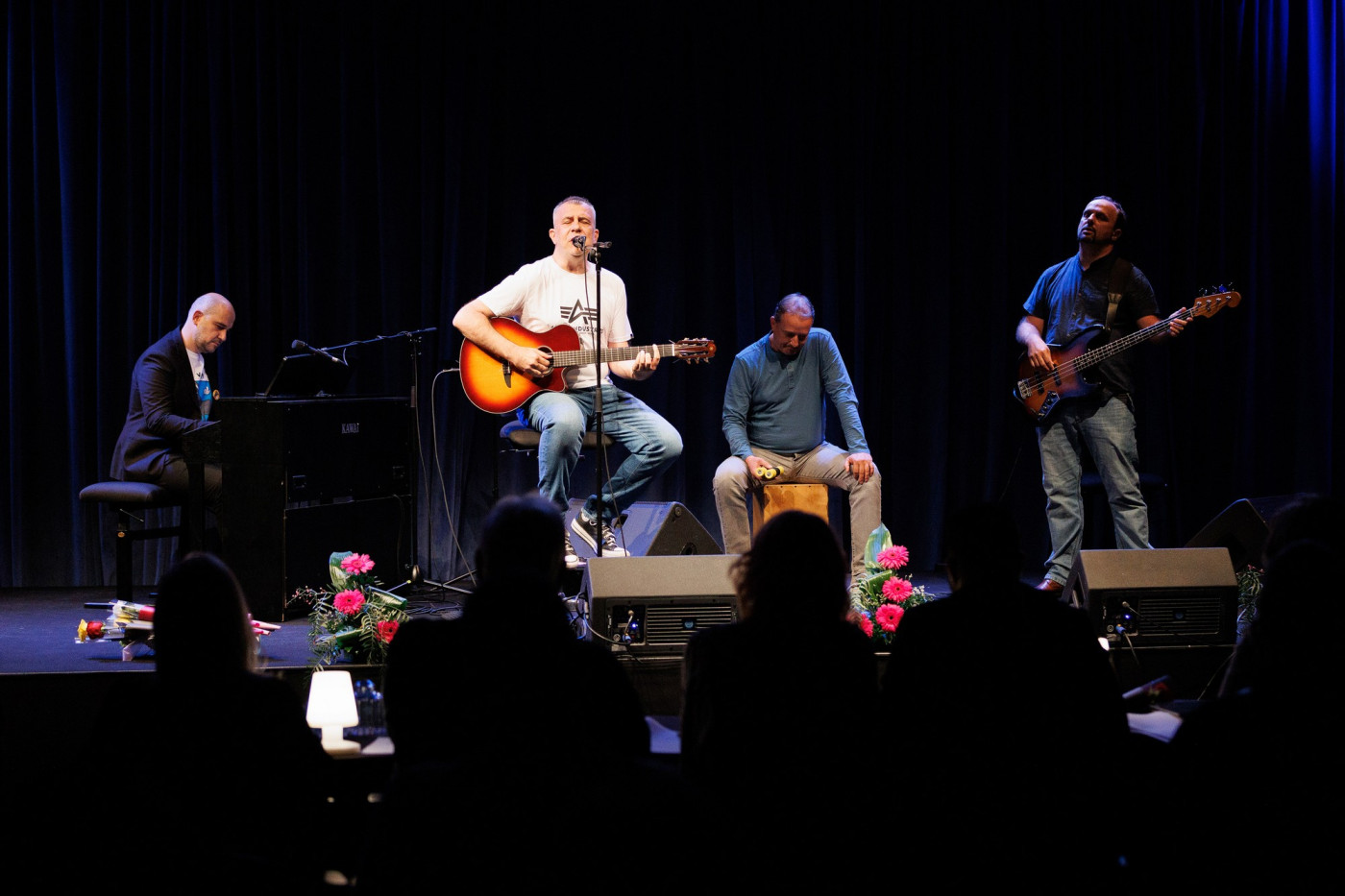
The Tourist Information Centre provides its visitors with modern multimedia equipment and it is the central point for administration of all tourist activities and experiences in the city of Zadar and Zadar County, ultimately giving new life to the renovated Cedulin Palace. In the courtyard (atrium) of the Tourist Information Centre different presentations are being held, as well as exhibitions, concerts, culinary events and other cultural and music programmes.
Rector's Palace
Today, the Rector's Palace in Zadar is a multimedia renovated and renewed space for exclusive concerts, exhibitions, theatre plays or lectures. Just as it once used to, it enriches the present-day city life too.
Historical sources mention the Rector's Palace in the 13th century, and the archaeological excavations revealed parts of buildings from the Roman and the Late Antique period. The Rector's Palace was the city library for a long time, a music and ballet school, a concert hall and the seat of the Dalmatian government within the Austrian part of the Dual Monarchy Austria-Hungary. In the Middle Ages it got Romanesque and Gothic layers, and it was profoundly renewed in the 16th and 19th centuries.
Proveditor's Palace
The monumental Proveditor's Palace in Zadar dominates the eastern part of the historical core of the city, in which former city institutions had their place. In 1978 it was put in the Register of Material Cultural Goods of the Republic of Croatia.
The Proveditor's Palace dates back to 1607 with its oldest part, and it was constructed from the 17th to the 20th century maintaining its social, cultural, political and architectural importance. At present it is being renewed, and once the works are completed, it will become the biggest culture-historical complex and heritage centre of national significance together with the restored Rector's Palace and renovated walkway on Zadar’s defensive walls (Bedemi zadarskih pobuna).
Palace of Justice
The new Palace of Justice in Zadar was built at the very beginning of the 20th century, as a consequence of the reinforced police activities and the bureaucratic apparatus of the Dual Monarchy Austria-Hungary, in the capital city of Dalmatia of the time.
The Palace of Justice is lavishly decorated, so that the plasticity of the windows, balconies and cornices stands out, while at the same time the feeling of bulkiness diminishes. Elements of Historicism are freely interpreted here, so it has characteristics of contemporary architecture from the beginning of the 20th century as well, and an outstanding functionality and application of the highest technical achievements and construction art of that time.
.
Watch the video
Want to find more?
Suggested