
19.08.2021.
How the Sardine Returned to a Small Bistro in the Heart of Kalelarga
Kalelarga (officially Široka ulica) is the primary and most crowded street of Zadar, the original old town located on the Peninsula between the Zadar channel and the long inlet of Jazine. Kalelarga is much more to the people of Zadar than just an ordinary street or the most popular walk. It dates back to the time before Christ, when the Ancient Romans built Colonia Iulia Iader, their colony of Zadar, according to their town-planning standards.
The long Kalelarga connects a few vital areas of the town centre. Starting from Trg pet bunara and Narodni trg, it goes all the way to the Roman Forum, the Cathedral of St. Stošija and the legendary old town part Kampo Kaštelo in the west of the Peninsula.
Kalelarga - a street with an anthem
It is no coincidence that Kalelarga has its own anthem, a song that has long been popular throughout Croatia. It was written and sung by the legendary Zadar singer-songwriter Tomislav Ivčić. The song is about youth and socializing on Kalelarga, about encounters, chats, acquaintances and first loves, many of which last for a lifetime. That is what Kalelarga has always been. It has been intrinsically tied to its residents' life throughout centuries of its turbulent history regardless of how many generations may have interchanged. Kalelarga was and remained the Zadar continuum, that uninterrupted value that unites people. Everything passes, but Kalelarga is here to stay.
Because of all this, the investor and designers who were supposed to draw up a plan for a new boutique hotel in the central part of Kalelarga, more than ten years ago, were facing a significant challenge. The more accessible part of the job was to renovate the almost dilapidated old block of flats in the main street than to design and refine the hotel to be worthy of the place where it is located.
The "Art Hotel Kalelarga" is the name given to the new hotel, and it also includes the "secret" access code according to which the new facility was designed. In only ten rooms, Zadar's historical themes were told: performing arts, the written word, squares and cafes, and the Zadar wind rose.
Following the traces of the former Zadar, the designers separated these thematic units with elegant interventions and almost minimal details. Each room is different and unique, so "Art Hotel Kalelarga" quickly earned four stars and high ratings from both guests and the profession because of its simplicity and comfort that it provides in a relatively small space, there, in the very centre of Zadar.
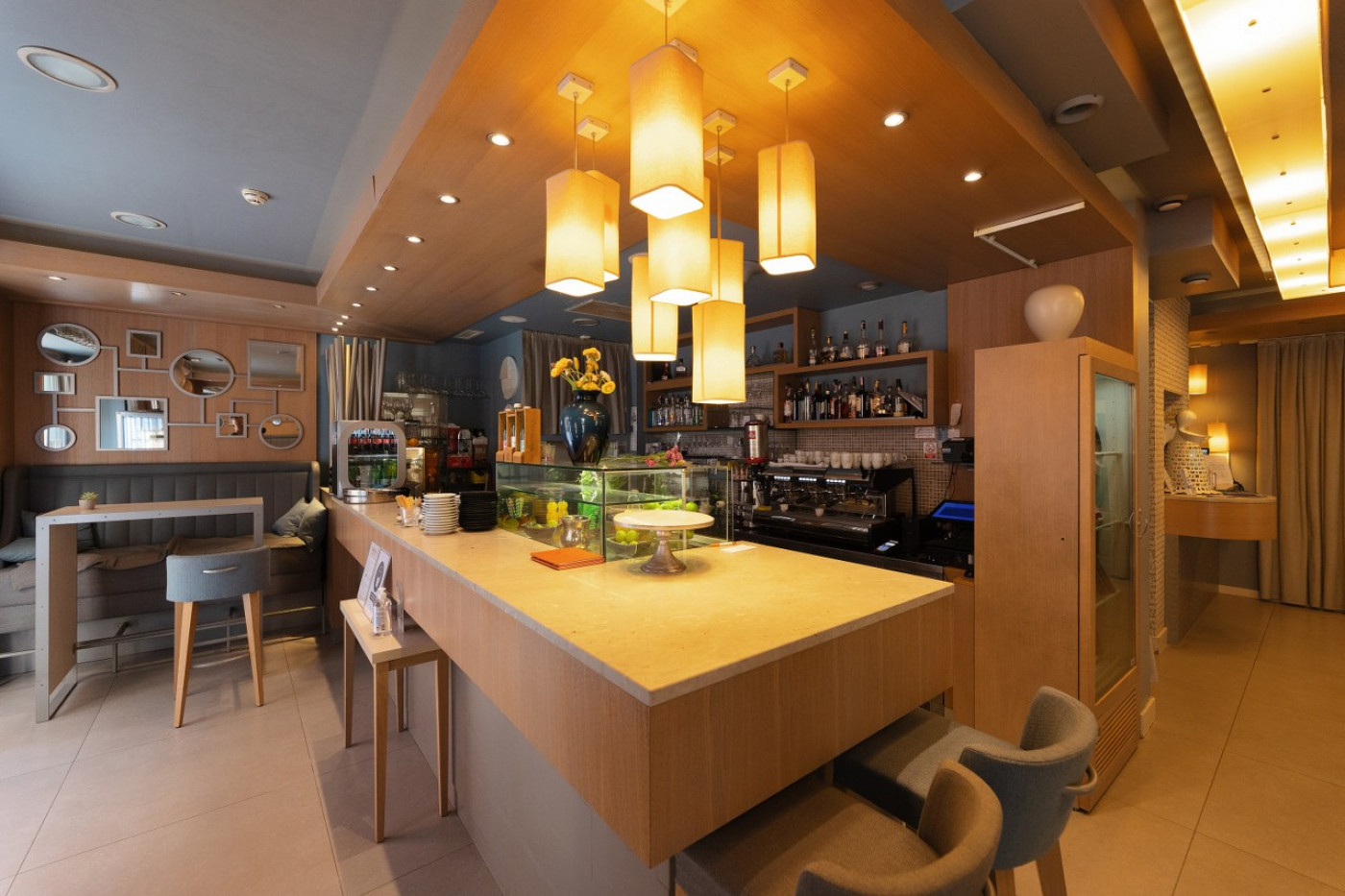
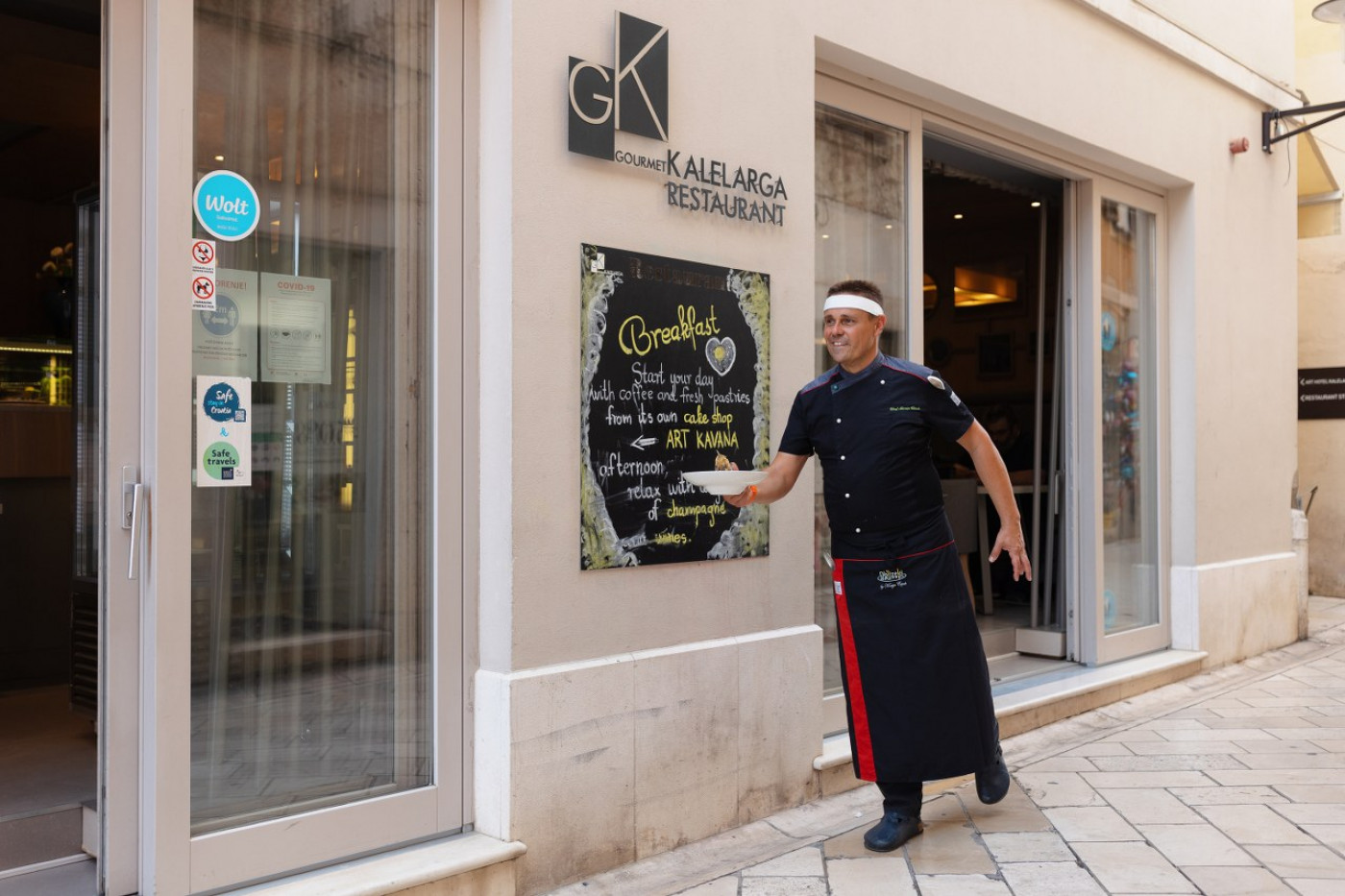
The same design rules applied when arranging "Gourmet Kalelarga", the catering part of the hotel on the ground floor, which is in direct contact with the famous street of the same name. The place quickly became popular among the people of Zadar because of the great early morning breakfasts, excellent coffee and top-quality cakes signed by pastry chef Mirjana Pilipović.
But this is not all. The principal culinary consultant of the hotel, chef Mario Čepek and his colleagues in the hotel restaurant faced a challenge. How to reach the culinary and catering level in such a great ambience and be sure that the guest will have a quality meal at a relatively low price without consuming much time and eventually get up from the table eating his fill? Fine dining here was out of the question, the traditional form of a konoba too, especially fast or finger food diner.
“Gourmet Kalelarga" - gastro minimalism of an elegant boutique hotel
Čepek opted for a bistro, a small place with selected dishes cooked with inexpensive groceries. And, quite unexpectedly, the chef included sardine meals in the menu, a real folk small oily fish, the most important in the entire Adriatic Sea. When fishing on "dark nights" at the nearby fish market, there is always enough fresh sardines caught the night before.
Chef Marijo and his younger colleague Mate Bevanda, the chef at Gourmet Kalelarga, first put together a simple dish based on the tradition of pulling out the fishbone. In Zadar and Dalmatia, it was common to gently remove the middle bone to get a broad sardine fillet, usually batter-fried. Our chefs slightly changed the original recipe, rolled the fillets into cornflour and fried them for a short time in deep oil. The side dish was also straightforward: boiled diced potatoes quickly seared in a pan with sun-dried tomatoes, seasoned with just a little garlic and parsley, salt and pepper, and served with arugula as a salad.
Seared sardine fillets combined with a tomato salsa, which takes you back to childhood, and Pag cheese is another dish served by chef Čepek in the restaurant in the heart of Kalelarga, more precisely in a small atrium below the old town clock on Narodni trg, Zadar's main square. "Gourmet Kalelarga" uses this setting as its summer terrace.
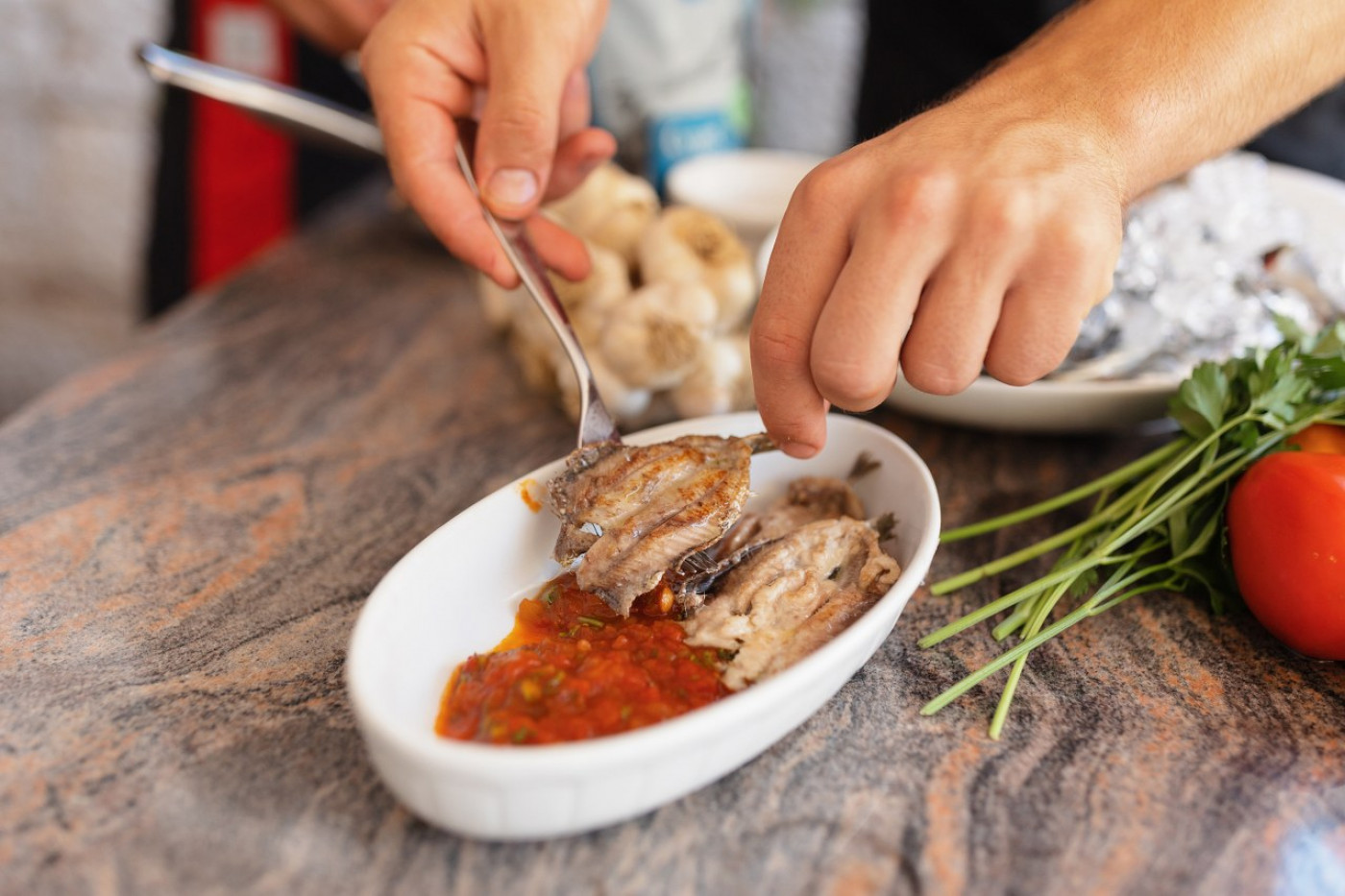
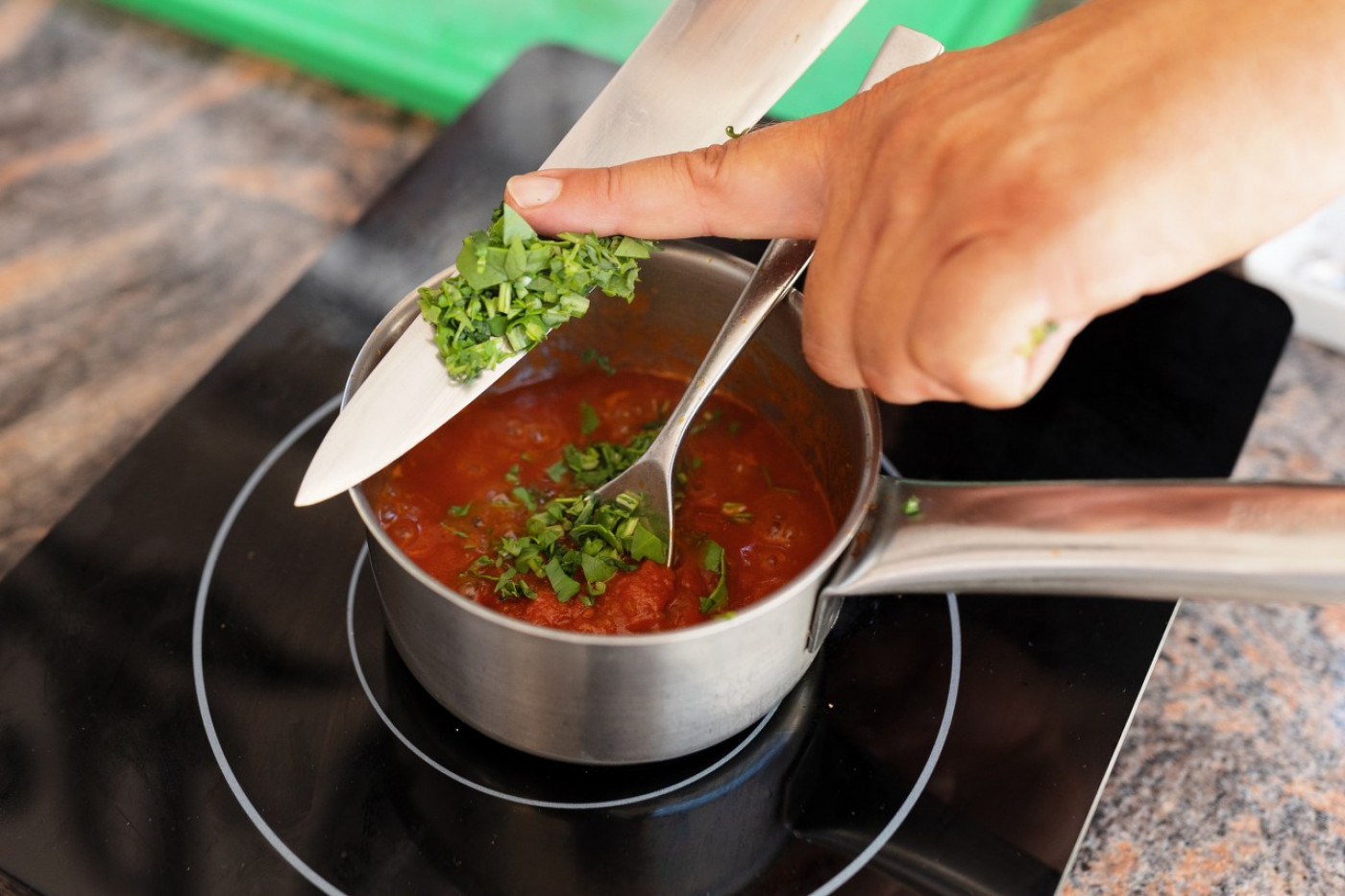
There was no complication in this dish either: the sardines were briefly fried in a bit of oil, and the tomato sauce was a pure classic - onion, garlic, parsley, basil and, of course, extra virgin olive oil. When he arranged the fish over the sauce in a shallow ceramic dish, Marijo sprinkled everything with grated hard sheep's cheese from Pag and seared it all together briefly at a high temperature.
Due to the cheese salinity, the dish did not need additional salt, and the blended flavours of top quality ingredients from the Adriatic, the fields of the Zadar hinterland and the stone of the island of Pag, regardless of the simplicity of the dish, turned into a complete gastronomic experience. Garlic and beansprouts added charm to the dish and complemented the flavour.
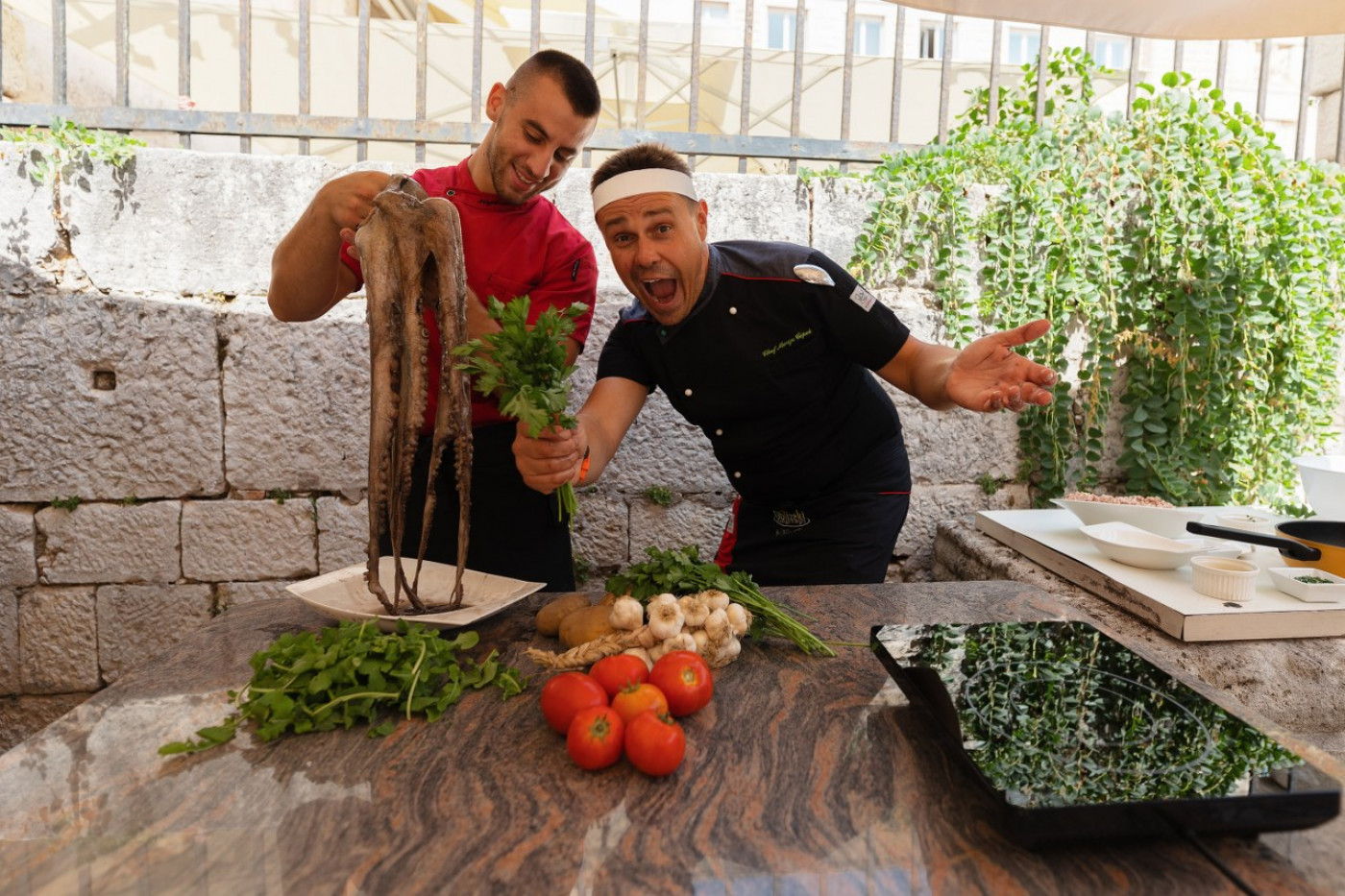
Of course, the gastronomic offer of the bistro in the heart of Kalelarga does not rest only on sardines. From another, not overly expensive food from the Adriatic, Čepek also created a little real sensation. The octopus is the central part of the story, and it turned into a real sea burger or a patty or pljeskavica, as we call it in Zadar.
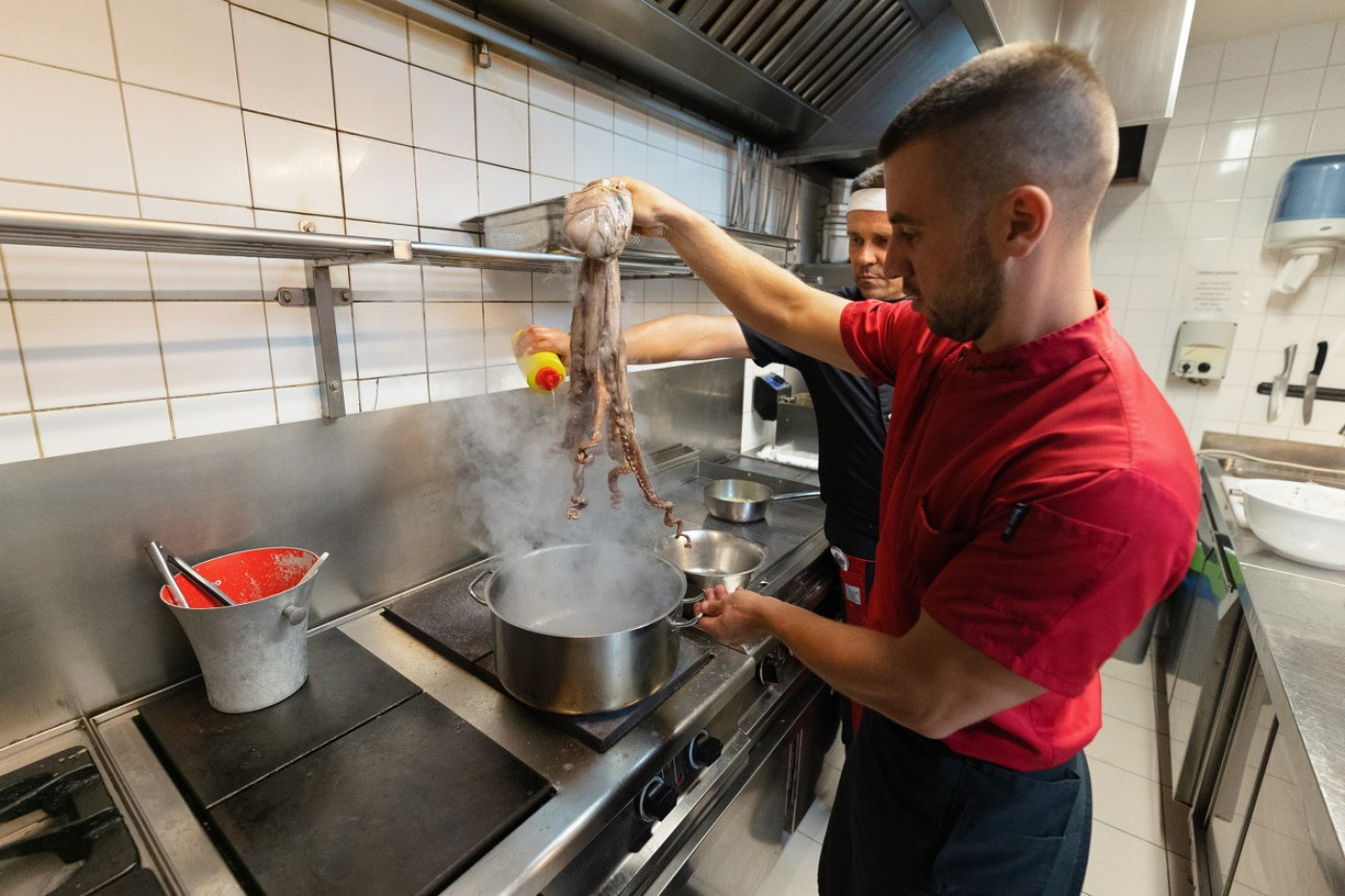
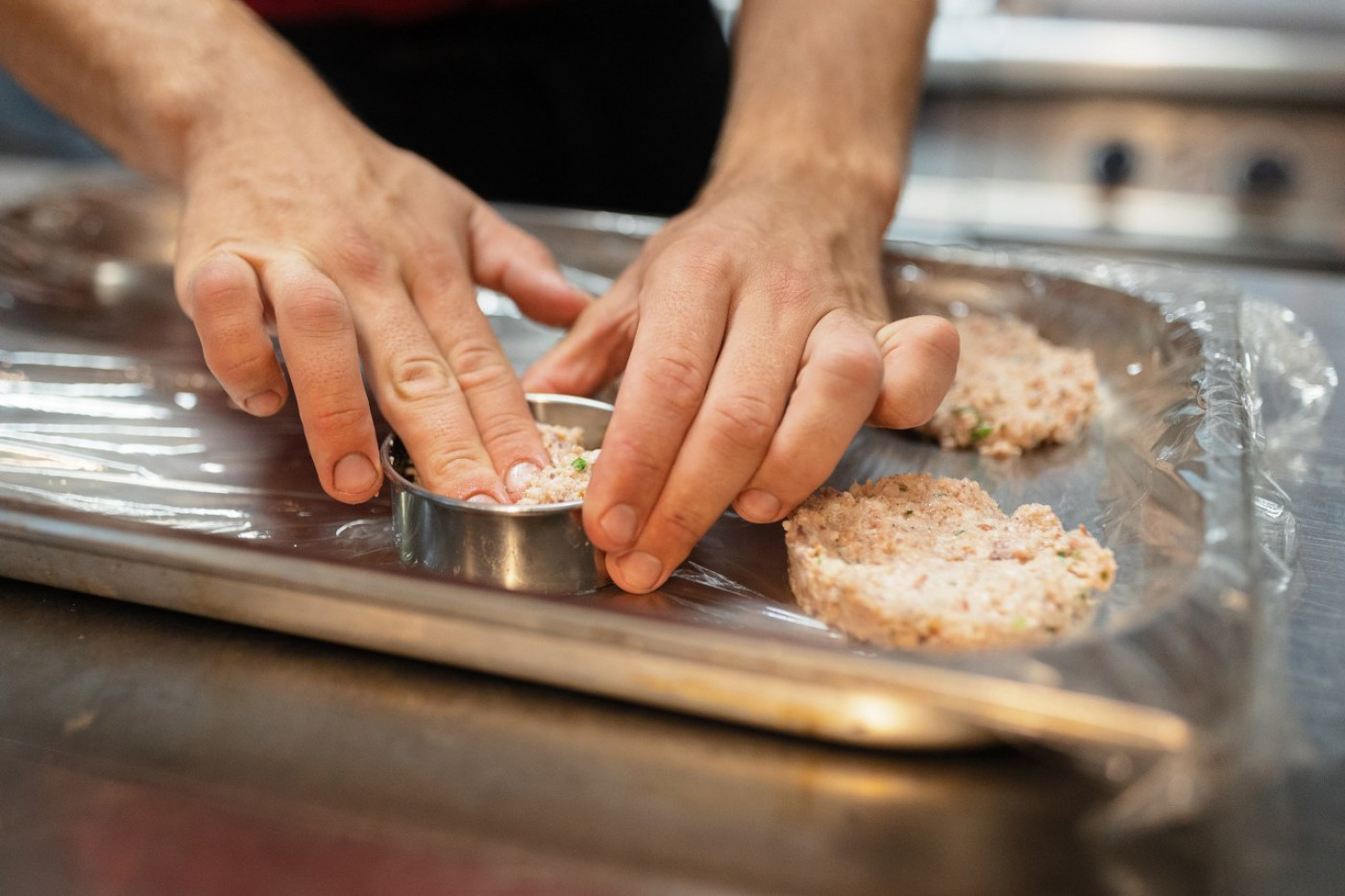
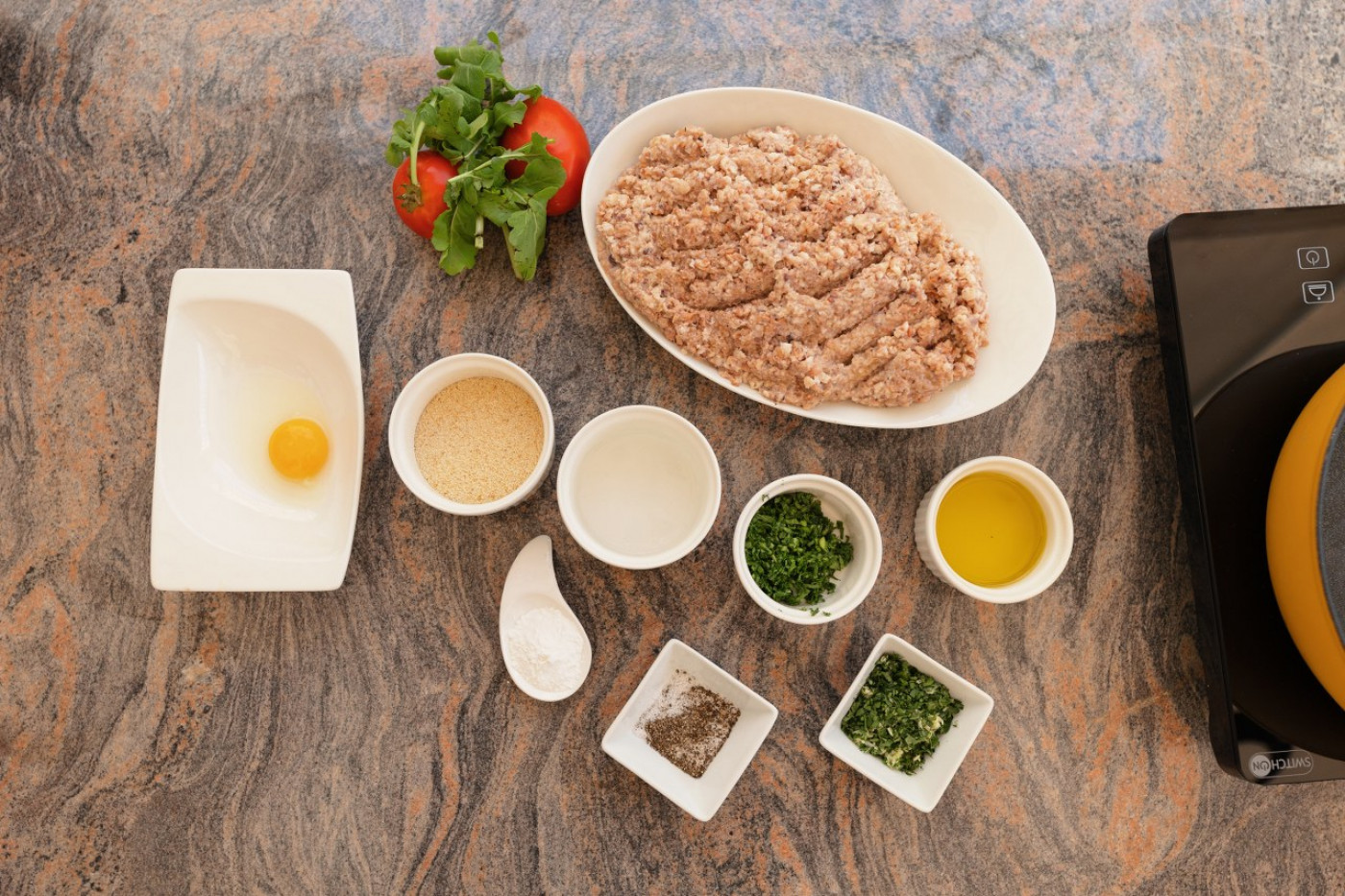
He ground the cooked octopus in a meat grinder, added an egg, a little garlic, olive oil, salt, pepper, bread crumbs, parsley and capers (which grow abundantly from the old town walls) and formed burgers from the mixture. He fried them briefly in oil and then baked them in the oven and - that was it. Served with fragrant home-grown tomatoes and toasted bread, the ordinary octopus in chef Čepek's kitchen turned into a perfect and straightforward summer dish, with a sea flavour and an utterly continental look.
Watch the video
.
Want to find more?
Suggested