


25.02.2021.
In Zadar, for the 1st Time in Croatia: Surgery under Ether Narcosis & Red Cross
Only five months after the world's first operation under ether narcosis performed by American doctors in Boston, Zadar surgeons Cesar Pellegrini-Danieli, Jerolim Definis and Toma Fumagallo, with the assistance of Ivan Bettini, performed a procedure on an eighty-year-old woman under ether narcosis at the old Zadar Hospital. This happened on 13th March 1847, and it was the first such operation in Croatia and Southeast Europe, and one of the first operations in the world performed under ether anaesthesia - immediately after the premiere operation at the Massachusetts General Hospital in Boston on 16th October 1846, and shortly after London, Paris and Vienna.
"This new method of surgery relieved patients of the nightmare of attending their own operation", Zadar surgeons commented jokingly on the success of the operation and recovery of the patient who endured the anaesthesia well. The procedure on inguinal hernia (groin hernia) lasted only fifteen minutes with the full success of anaesthesia, so two months after Zadar, a new operation was performed using ether anaesthesia, first in Dubrovnik, and then in Split and Sisak. The success of Zadar doctors and Zadar as an advanced medical setting that was in step with the world medical achievements is not surprising, given the long medical tradition and the fact that in Zadar, from 1806 until 1811, the first Faculty of Medicine in Croatia was operating.
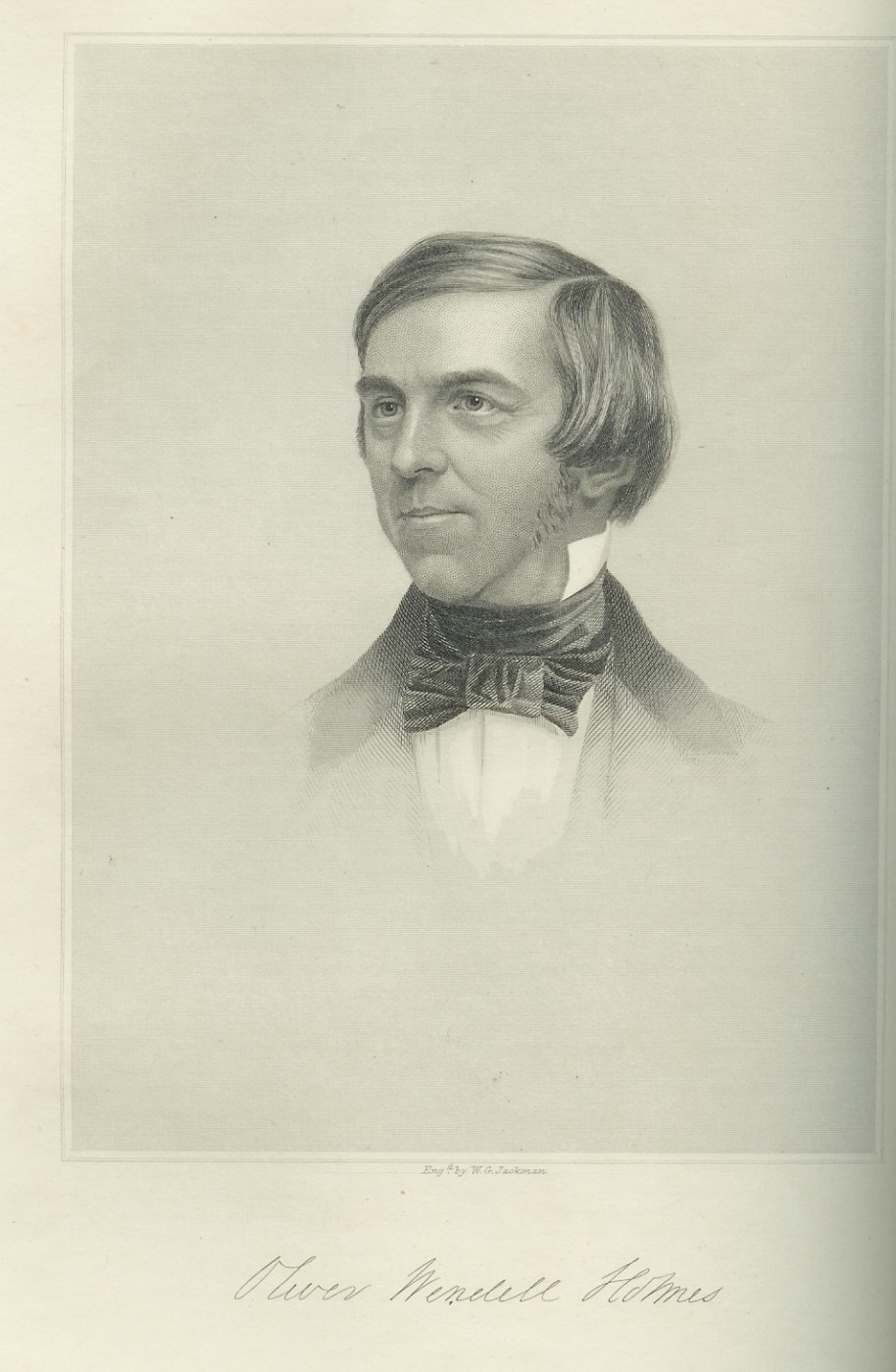
Photo: First public demonstration of ether anaesthesia in Boston was held on 16th October 1846, and in Zadar only five months later
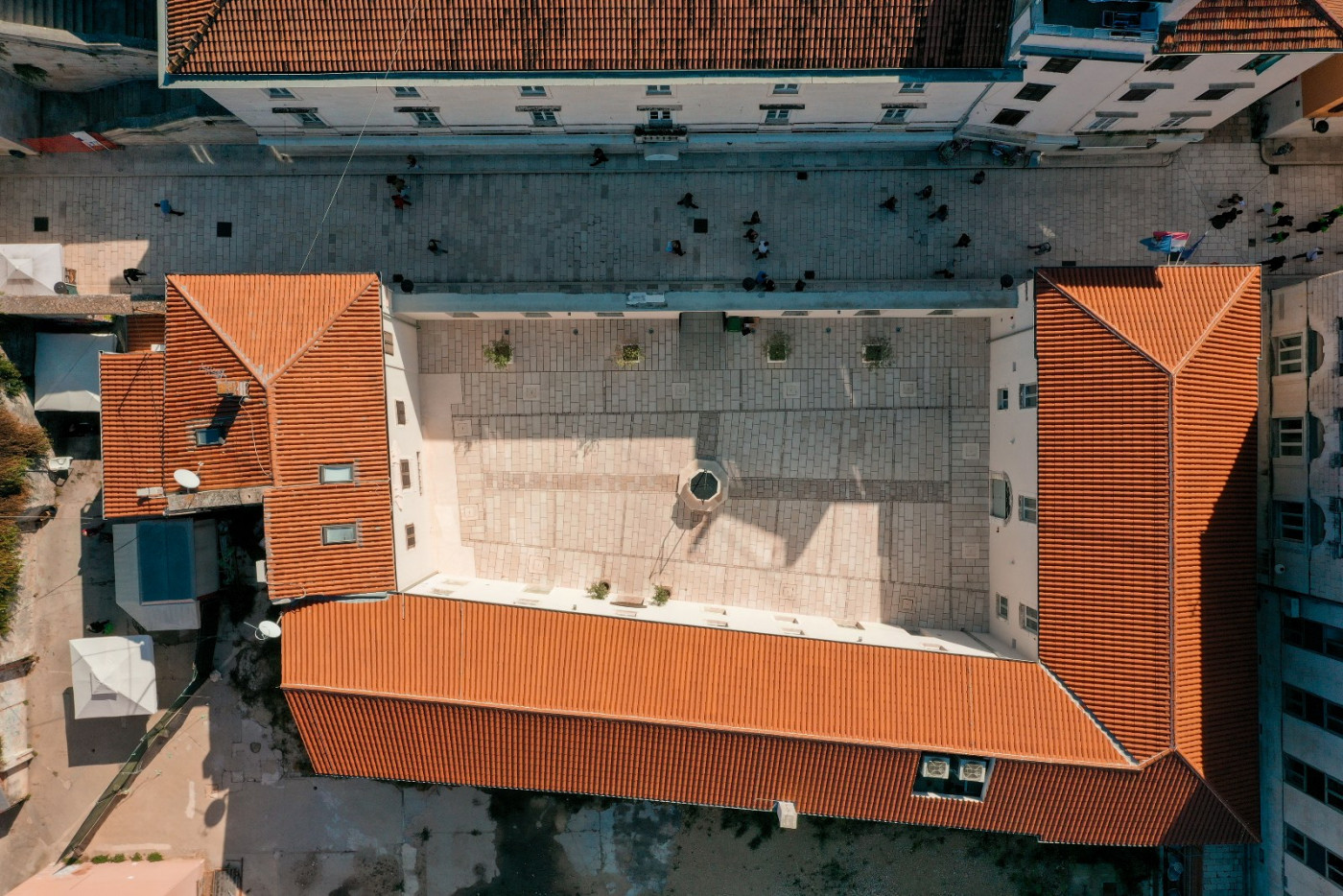
However, these were not the beginnings of public health and medical care in Zadar, because in the 16th century the first military hospital was located in the Citadel Fortress, which was soon moved to the former Monastery of St Nicholas. The renovated Cedulin Palace was soon used for the needs of the military hospital, where, from 1804, a civilian hospital was operating as well, which was used as a hospital of the Faculty Medicine during the seven-year French administration. The name of the first graduated doctor from that high Zadar medical school is also known - it was Giulio Pini, and besides him, several other medical experts, doctors and pharmacists received their diplomas.
Photo: Cedulin Palace
The history of medicine in the case of Zadar takes us back to the Iron Age when the Liburnians, the sea lords of the eastern Adriatic coast, had a kind of medical practice, and like all other Veneti and Illyrians they were superior naturopaths and herbalists, i.e., excellent connoisseurs of medicinal herbs and beneficial effects on general health. This tradition of herbal medicine and folk medicine in the Zadar area is still very much alive, and we can follow it in continuity. In parallel with it, knowledge about the effectiveness of folk medicine was growing and the first scientific papers were issued. Nicolò Roccabonella, known as the author of the illustrated atlas Liber de simplicibus, which is considered to be one of the most beautiful old atlases of medicinal plants, worked as a city doctor in Zadar in the 15th century. This herbarium with notes in five languages - Arabic, Greek, Latin, Illyrian (Croatian) and partly Teutonic (German) - is important not only for the general history of botany and pharmacognosy, but also for Croatian cultural history, because it contains our oldest plant names.
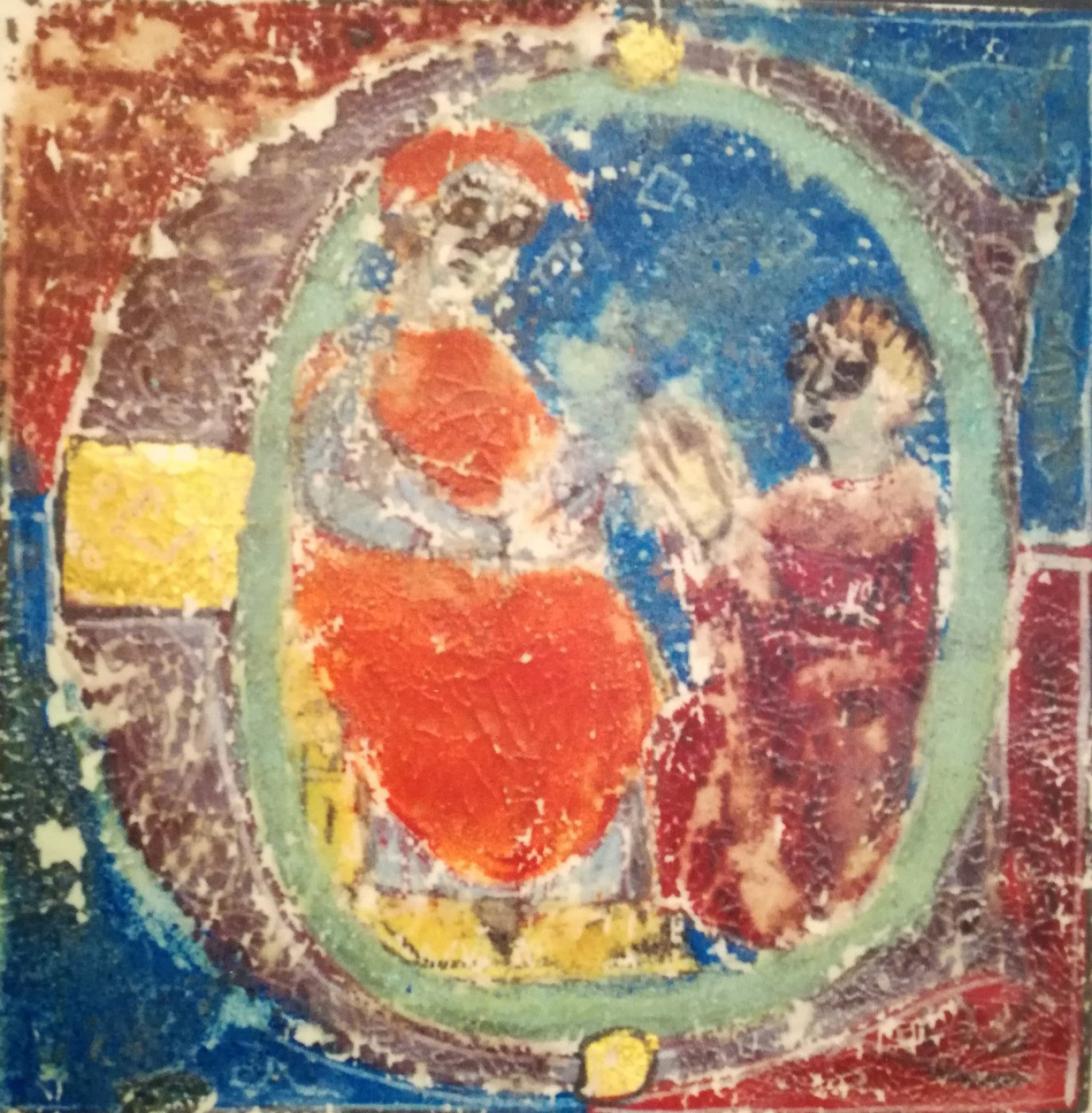
Photo: Illumination from a manuscript depicting Mladen II. Šubić, made by his doctor from Zadar, Guglielmo da Varignana
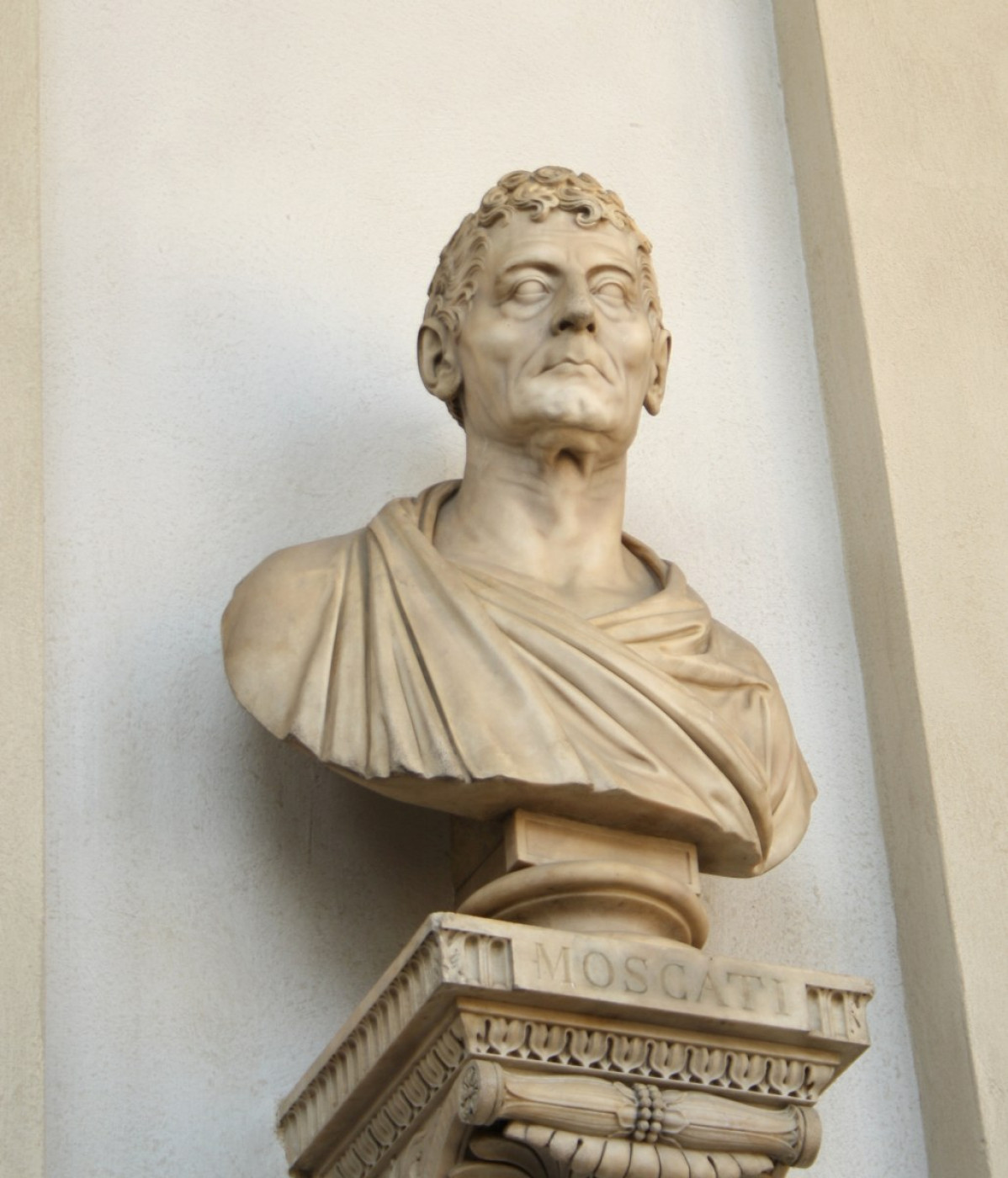
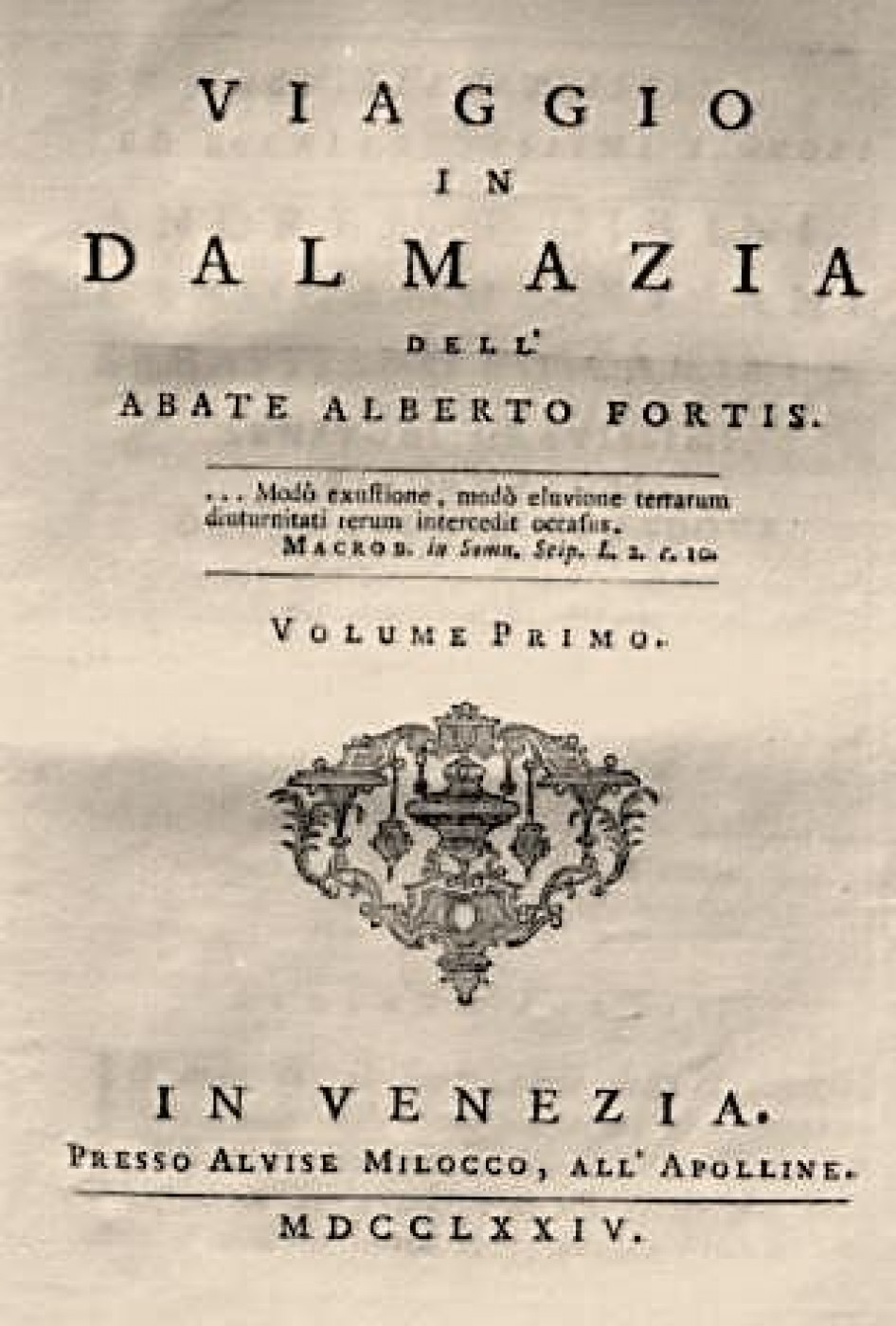
In the 18th century, the famous Italian physician Pietro Moscati concluded that the medicine of the Dalmatians from Zagora, according to its effects, did not lag behind the then popular Brown system (John Brown, Elementa Medicinae from 1780), and his descriptions of the therapeutic procedures of Dalmatian naturopaths were surprising and enlightening for the Italian doctor. The testimony of the Italian travel writer, geologist and naturalist, Albert Fortis, is also worth mentioning, who stated that he heard from some parish priest in Dalmatia, even before 1774, that mosquitoes transmitted malaria, and the famous French writer Charles Nodier learned in Dalmatia that flies could transmit typhoid fever. These were descriptions that became commonplace in medicine only later. It was also found in the documents that two specialisa (pharmacists) from Germany, both called Johann, owned pharmacies in Zadar in the 15th century, and at the same time the city pharmacy was owned by Giovanni de Amadio from Venice.
Photo: Bust of the Italian doctor Pietro Moscati, a great dignitary of the Grande Oriente d'Italia, based in Milan
But in that and earlier periods, apart from traditional folk medicine and the transmission of knowledge from one generation to another, the conditions were not good for medical education on home ground. Staying in external schools, on the other hand, was very limited by economic and other social factors, so the most famous doctors were coming to Zadar and Dalmatia from abroad. They would come as personal doctors and surgeons in the communal service, so the Bologna professor Guglielmo da Varignana compiled in Zadar in 1319 the scholastic medical work called Secreta sublimia ad varios curandos morbus by the order of his patient Ban Mladen II. Šubić. Thanks to the monks, the first hospitals were built in Dalmatia, such as the hospital of St Martin in Zadar or the hospital of St Peter near Nin in 1186. Somewhat later in 1252, the first appointed Zadar doctor was the medical expert Damjan.
Photo: During his trip across Dalmatia, Alberto Fortis found out and reported that mosquitoes transmitted malaria
Let us also mention the fact that the Red Cross organization was founded in Zadar in 1878, the first one on Croatian ground, while nine years later, Zadar received its Provincial Hospital. The rulebook of this Zadar hospital was printed in 1883, and the support of the necessity of its construction was given by the famous engineer and revivalist, Miho Klaić, who was also the most responsible person for its construction. The fact that Zadar was the forerunner in many respects in terms of medicine is shown by the fact that the first Nurse-Midwifery School was opened in Zadar in 1821, and even more that the first lazaret (lazaretto) was located on the island of St Clement in Bregdetti Bay in Zadar's Arbanasi. It is assumed that the lazaret was built during the greatest epidemic of black death or plague in 1348, so this data from the Survey of the History of Health Care in Zadar (by Neven Skitarelić, Robert Nezirović, Nataša Skitarelić) is significant, because it shows that Medieval Zadar had a lazaret before the Republic of Ragusa (on Mljet island in 1397) and the Venetian Republic (1403). The second lazaret in Zadar was built in 1465 near the Church of St John the Evangelist outside the city, while the third, known as the St Luke’s Lazaret, was mentioned in the documents from 1567 and 1604, and was located in the Zadar suburb of Petrići, in the field of St Luke, after which it was named.
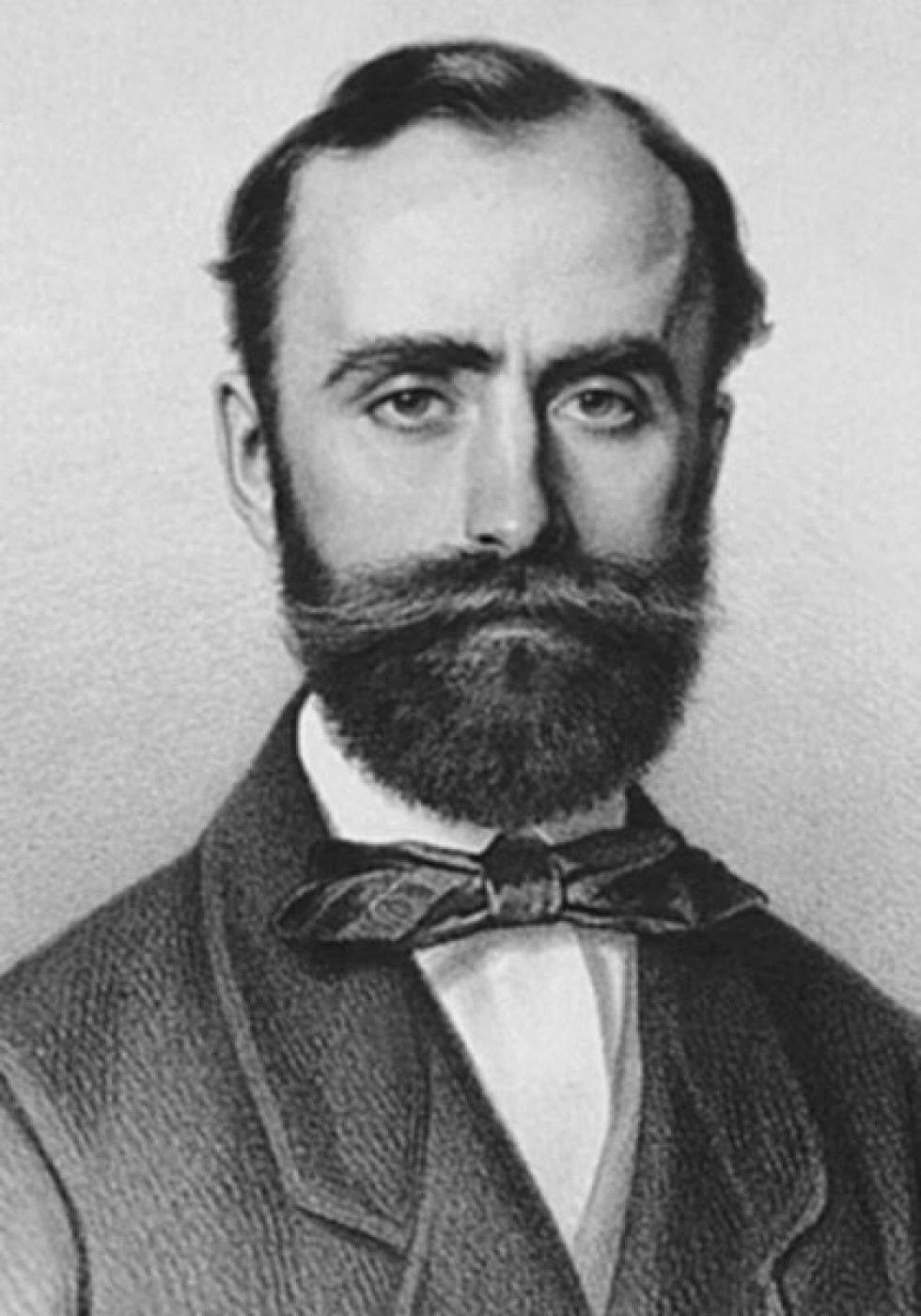
Photo: Engineer and revivalist Miho Klaić was most responsible for the construction of the Zadar Hospital
.
Want to find more?
Suggested

Events, Sport
Peter Schmeichel, Julian Edelman and Ray Lewis Have Arrived in Croatia
09.06.2022.
Gastronomy, News
The Opening of the Nin Saltworks Shop in Zadar
28.06.2023.

Lifestyle, News
British Gillie Sutherland is a Part of the Digital Nomad Valley Zadar
10.01.2022.

Events, Gastronomy
2023 Tuna, Sushi & Wine Festival
18.04.2023.