
02.11.2021.
Golden Drops: Why And How Olive Oils From Zadar Conquered New York
Olive oil is one of the essential foods of the healthiest diet in the world, the Mediterranean. Olive oil is an unavoidable part of Dalmatian gastronomy and more than that. Croatian olive cultivation exists only in coastal and insular areas, in Istria, and especially in Dalmatia.
In these parts, the olive, its tree, its leaves and fruit, its oil are more than just agriculture, more than ordinary fat, more than food. It is a fundamental icon of Dalmatian life, a symbolic and real sign that you have arrived in the Mediterranean and Dalmatia. The olive is one of the three staple plants, the other two being grapes and the fig, which together make a holy trinity of Dalmatian Graces crucial, loved and adored as a cult.
The Olive Tree Has Been Here Since Antiquity
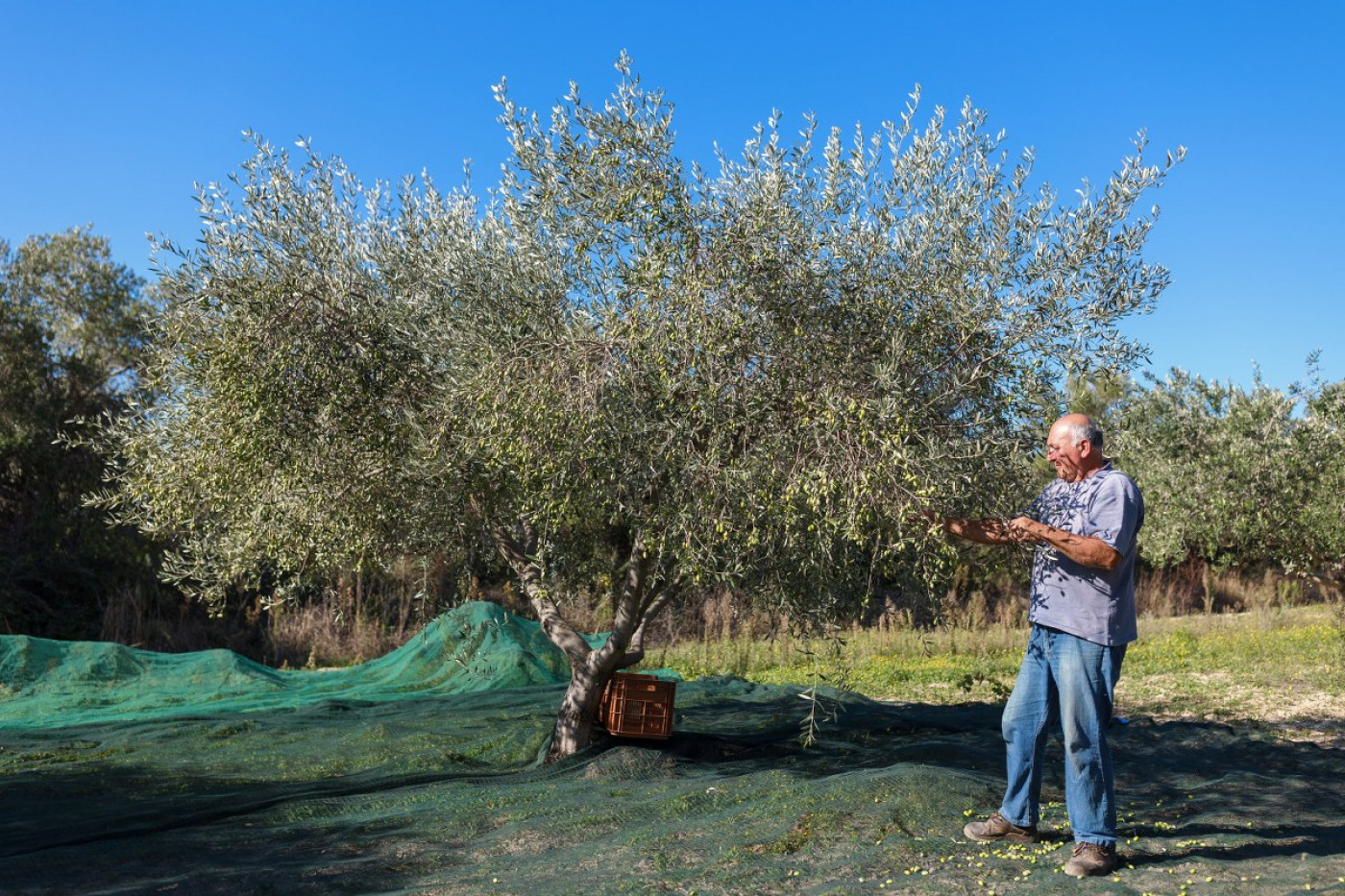
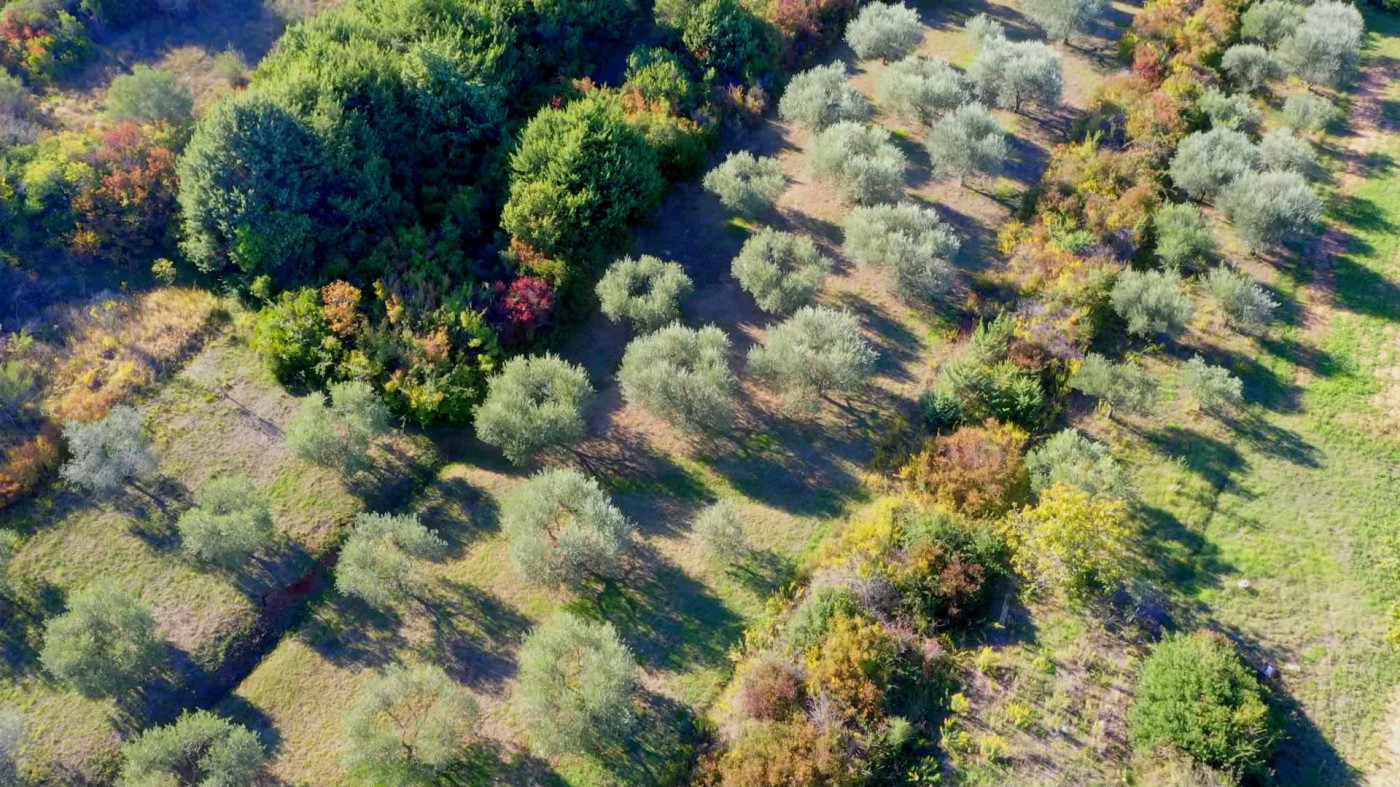
Of course, this is also the case in Zadar and its entire region, from the islands that belong to it, the long coastline and the vast, lowland hinterland. The olive tree is part of the local environment. Namely, you can find olive trees in Zadar itself. Even in its completely urban parts it decorates gardens and backyards and serves as a perfect natural shade. Already on the outskirts of the city, smaller and larger, mostly do-it-yourself and recreational olive groves are planted, and when we dive deeper into the rural areas of the Zadar, we can see larger plantations and even real olive groves.
The olive tree arrived in this area in ancient times, several centuries BC. It has been omnipresent ever since, but the local man's attitude to this vital plant varied and depended on the social circumstances. He sometimes treated it with less and at other times with more respect and attention. In the 20th century, especially in its late part, due to various social circumstances, and primarily due to the abrupt, planned settling of cities at the expense of villages and agriculture, interest in olive growing in the Zadar area declined. The love for this tree remained in those critical decades, mainly on the islands of the Zadar local seas in the coastal zone and least in the fertile hinterland of Zadar.
Fortunately, olive growing was revived in the entire Zadar area at the very end of the last century and the beginning of this millennium. Many old olive groves were replanted, and hundreds of thousands of new trees were planted. The olive received this new attention with joy, just like in the proverb that says that the vine is a demanding mistress, and the olive mother who asks for nothing but always loves. Today, the Zadar region's olive growers and oil producers again boast top-quality olive oil, primarily the best, extra virgin olive oil. In the last 15 years, almost 40 smaller and larger oil mills have been built in Zadar and its surroundings, in which all the harvested olives can be processed immediately after the harvest in order to extract olive juice, the top-notch oil.
Croatian Olive Growers Are More Successful Than - Football Players
That this is really true has been proven by local olive growers and oil producers. Besides on the market they also regularly won gold and championship awards at numerous regional and international competitions in which they have taken part after chemical and organoleptic inspections by certified assessors. But the real boom happened in 2021 with oils produced in 2020: at the world's most important olive oil festival, the New York International Olive Oil Competition, which evaluated 1,171 oil samples from 28 countries. Croatian oils won as many as 66 gold and 20 silver medals, and Croatia was placed in the fourth place by the number of medals, immediately after Spain, Italy and Greece. Considering the size of these countries and Croatia, i.e., the olive-growing parts of these countries and the number of planted olives, this success is even greater than the silver won by Croatia at the 2018 World Cup in Russia.
Of all the gold medals, the Dalmatians won as many as 36 gold and 10 silver medals, and among them the olive growers from Zadar’s region won as many as 12 gold and two silver medals. It clearly shows among the world of olive oils the highest quality olive oils are extracted in this area.
One of the 12 golden Zadar olive growers lives in Diklo, an old place that, with the growth of Zadar, merged with it and became one of its most attractive tourist areas with a long beach and numerous apartments. According to some sources, the remains of an ancient oil mill were found in Diklo in the 19th century. However, even without such evidence, it is easy to assume that the place's inhabitants were olive growers because it is located at the foot of a gentle slope facing the sun and is an ideal place for growing olives.
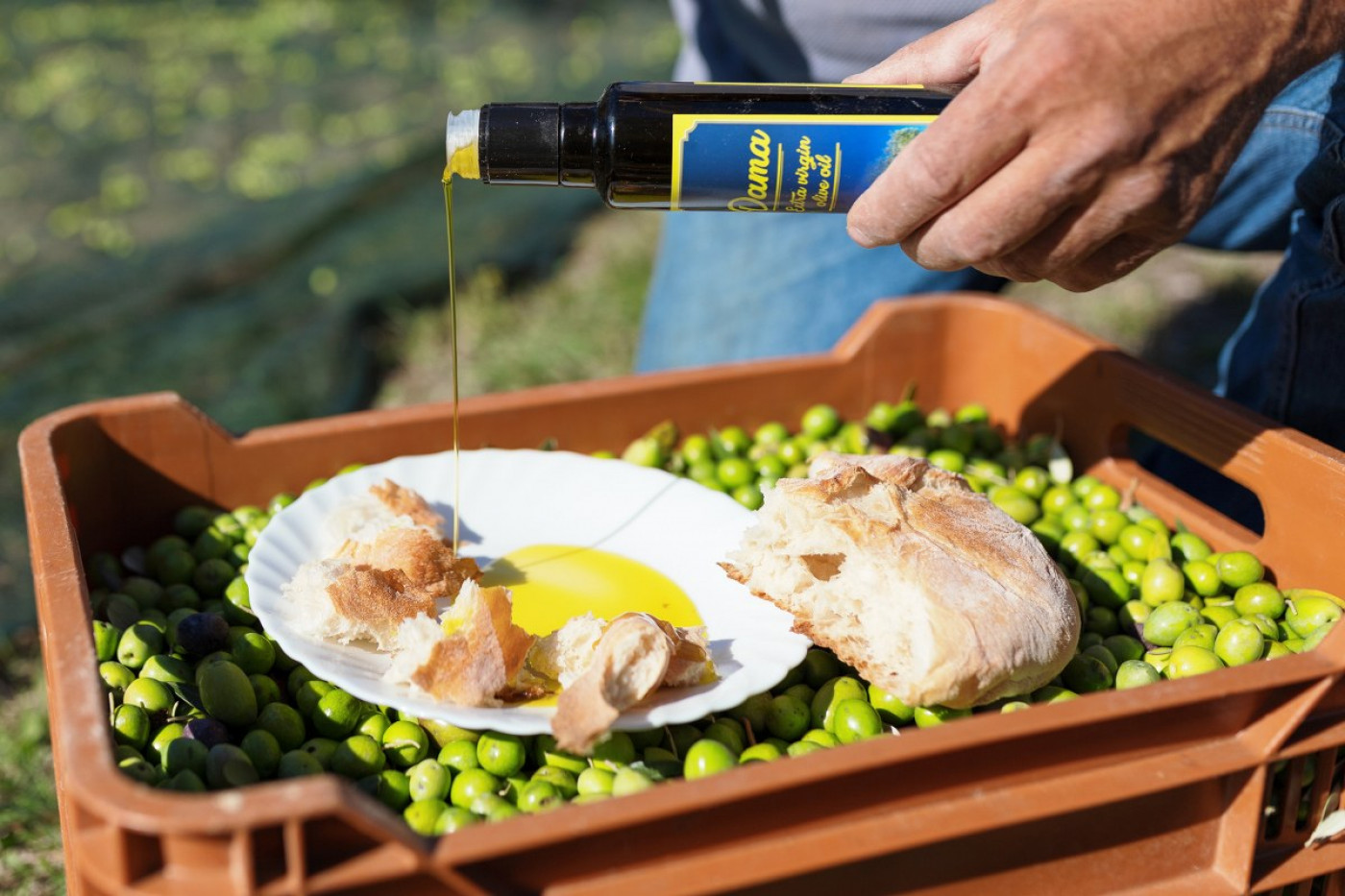
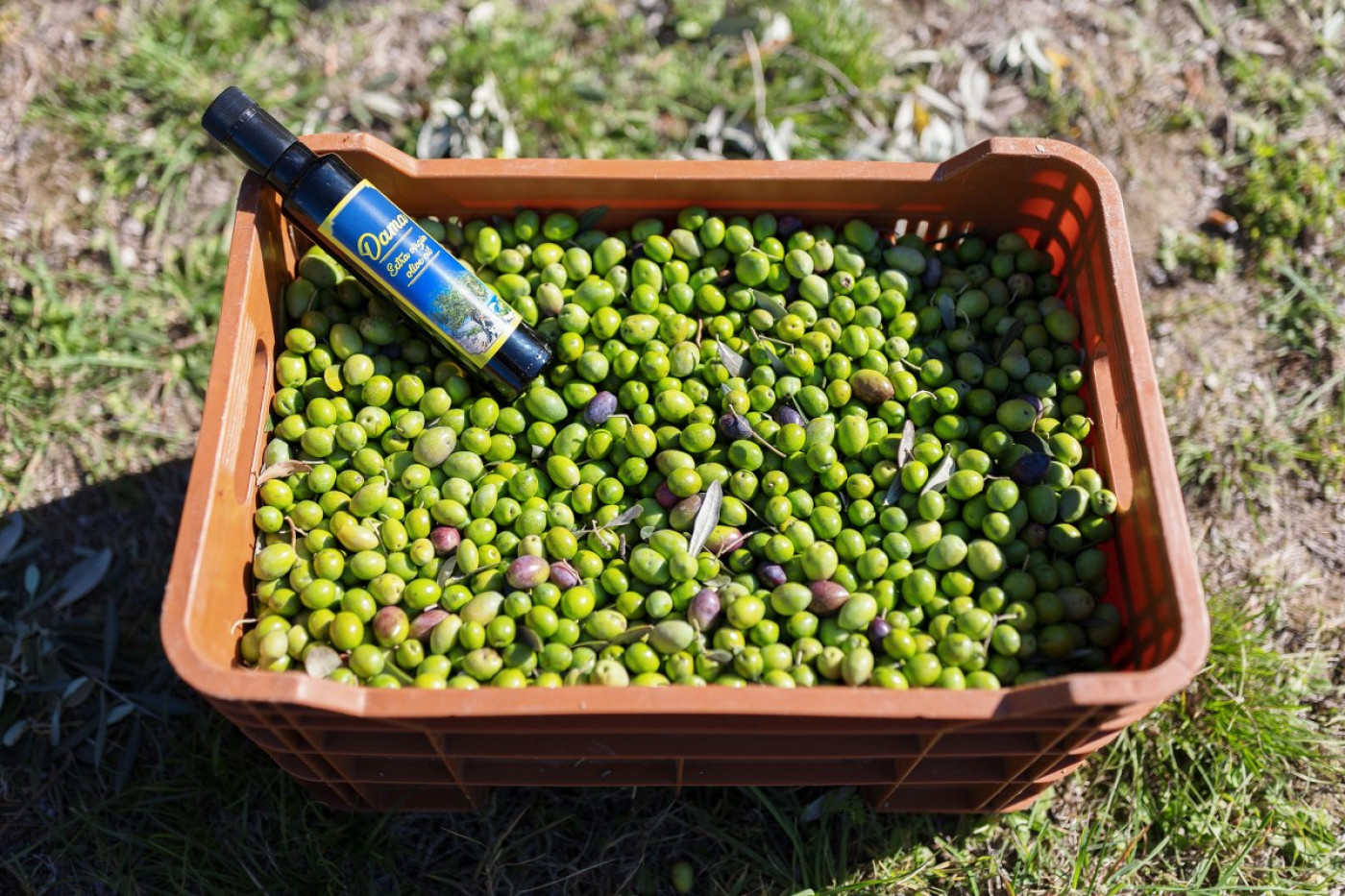
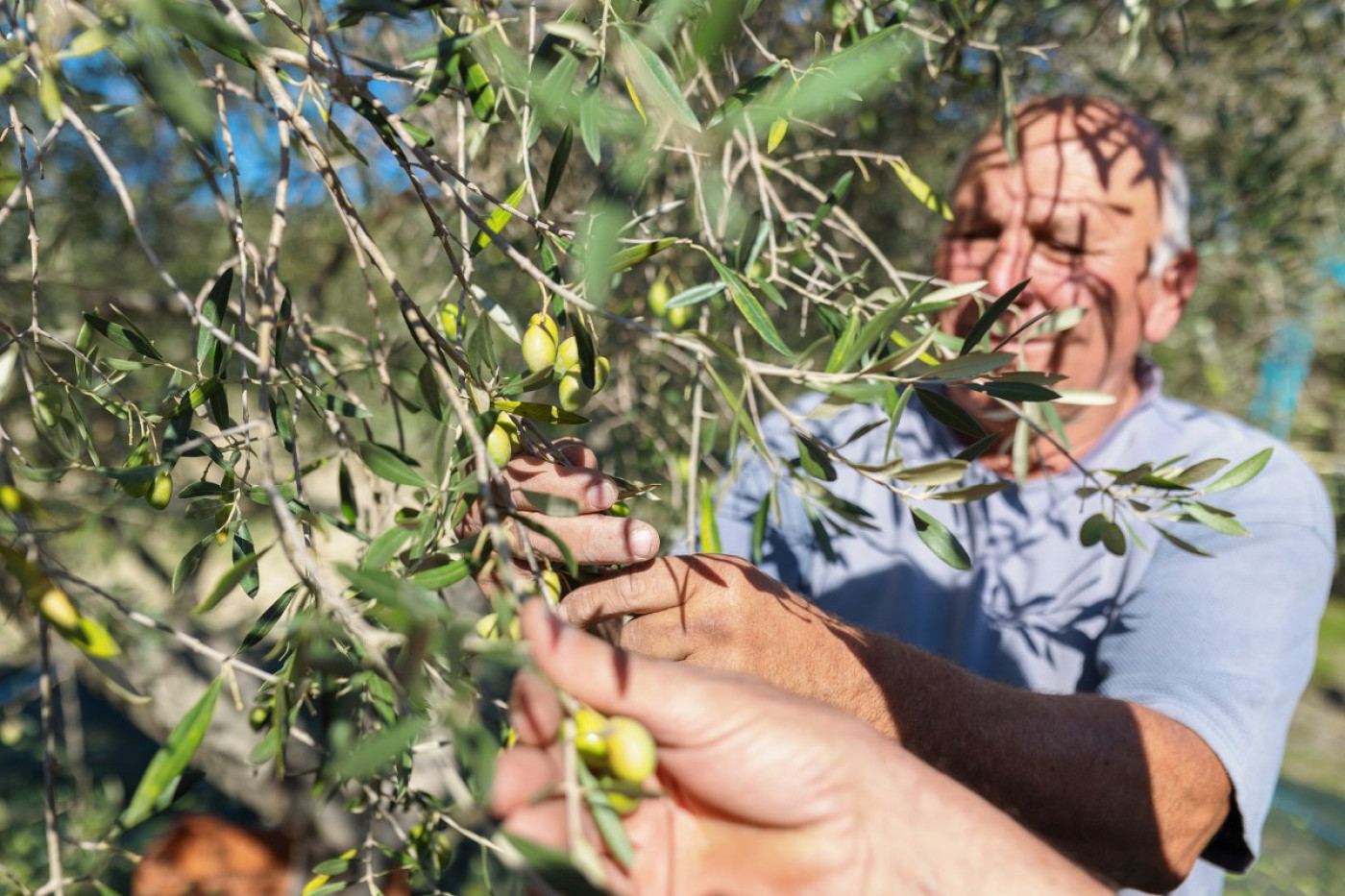
Since his youth, Marin Matešić has continued the family olive-growing tradition and has been producing top-quality olive oil for decades, which has won him numerous awards at many competitions. He has no difficulty launching his oil on the market, and in 2021, he sent his oil named "Dama" to the IOOC in New York, and immediately won a gold medal.
A Million-Dollar Gastronomic Delight
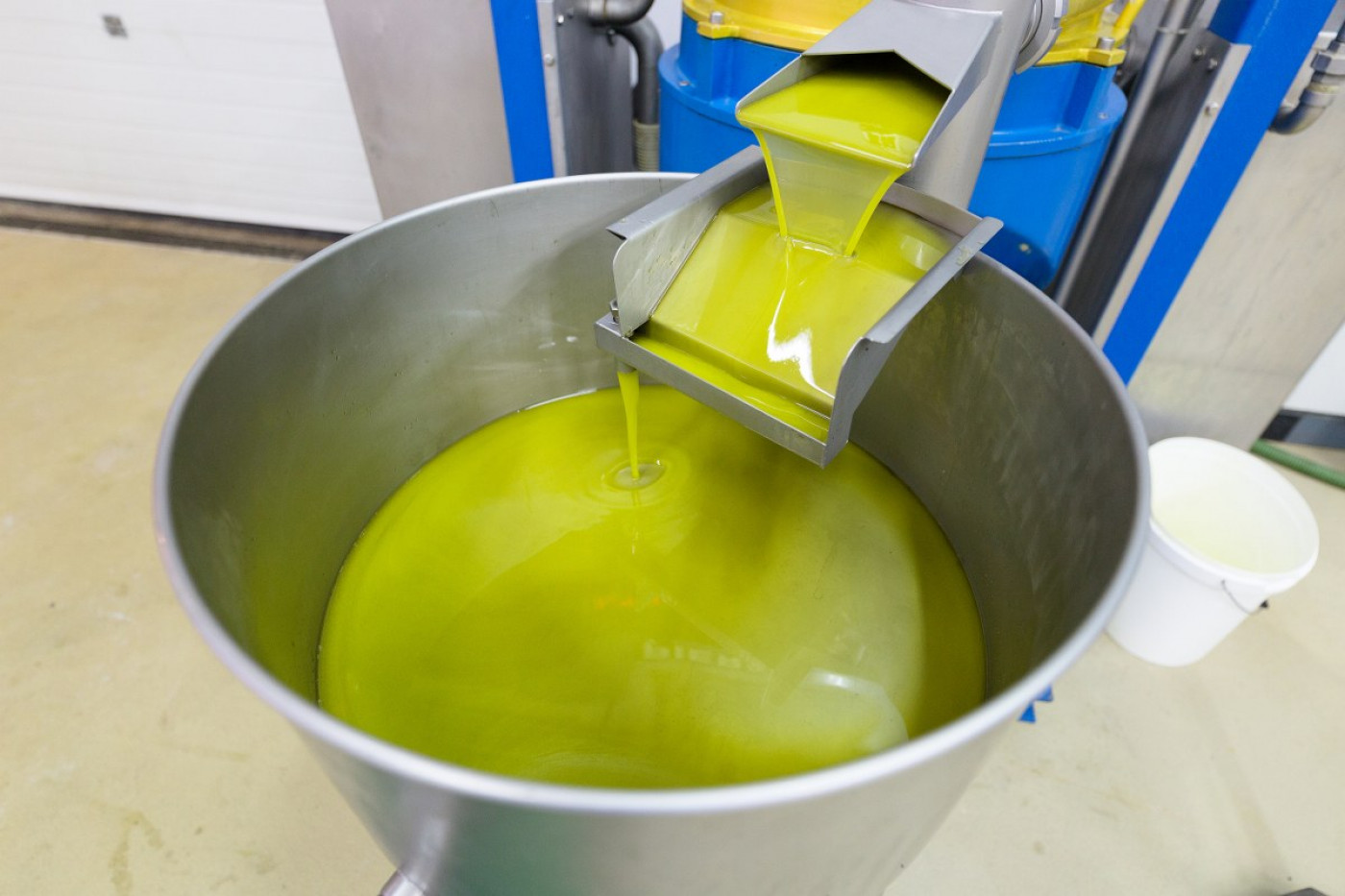
"Dama" is a multi-varietal oil, but Matešić claims that it achieves its top quality by the method, more precisely, the speed of processing: as soon as one quantity of olives is picked, it immediately goes to the oil mill for pressing in order to preserve the original smell and taste of olives, which makes olive the healthiest fat in the human diet. This is the only correct way to produce extra virgin olive oil.
It is contrary to the tradition still existing in some parts of Dalmatia. According to this tradition, olives should be aged in the sea for a week or more before processing so that the oil would lose its bitter taste. In this way, many other properties and values of oil are lost. This so-called traditional way arose out of necessity. Because of a small number of oil mills, dried olives had to be preserved in some way until grinding them.
Today, there are many more oil mills in the Zadar area, but some olive growers still stick to the habit of ageing olives in the sea, mistakenly believing that this is how they get the original taste of the oil. According to an ancient Roman classification, they obtained - oil for slaves instead of enjoying the oil for gods.
Marin Matešić harvests his olives in October and processes them in the Zadar Oil Mill not far from his olive grove in Diklo, in the Bokanjac area. He sells part of his now world-famous olive oil on the market, even to numerous tourists who come to Zadar and his Diklo, and keeps part for his family's needs. Like many other Dalmatians, olive oil is used in many dishes, either as a base fat or as an ingredient. Precious drops of this unique liquid are an indispensable part of the local diet, a conditio sine qua non of Dalmatian cuisine and gastronomy. So there is an endless choice of dishes in which the top-level oil like Matešić's "Dama"( Lady) can be presented.
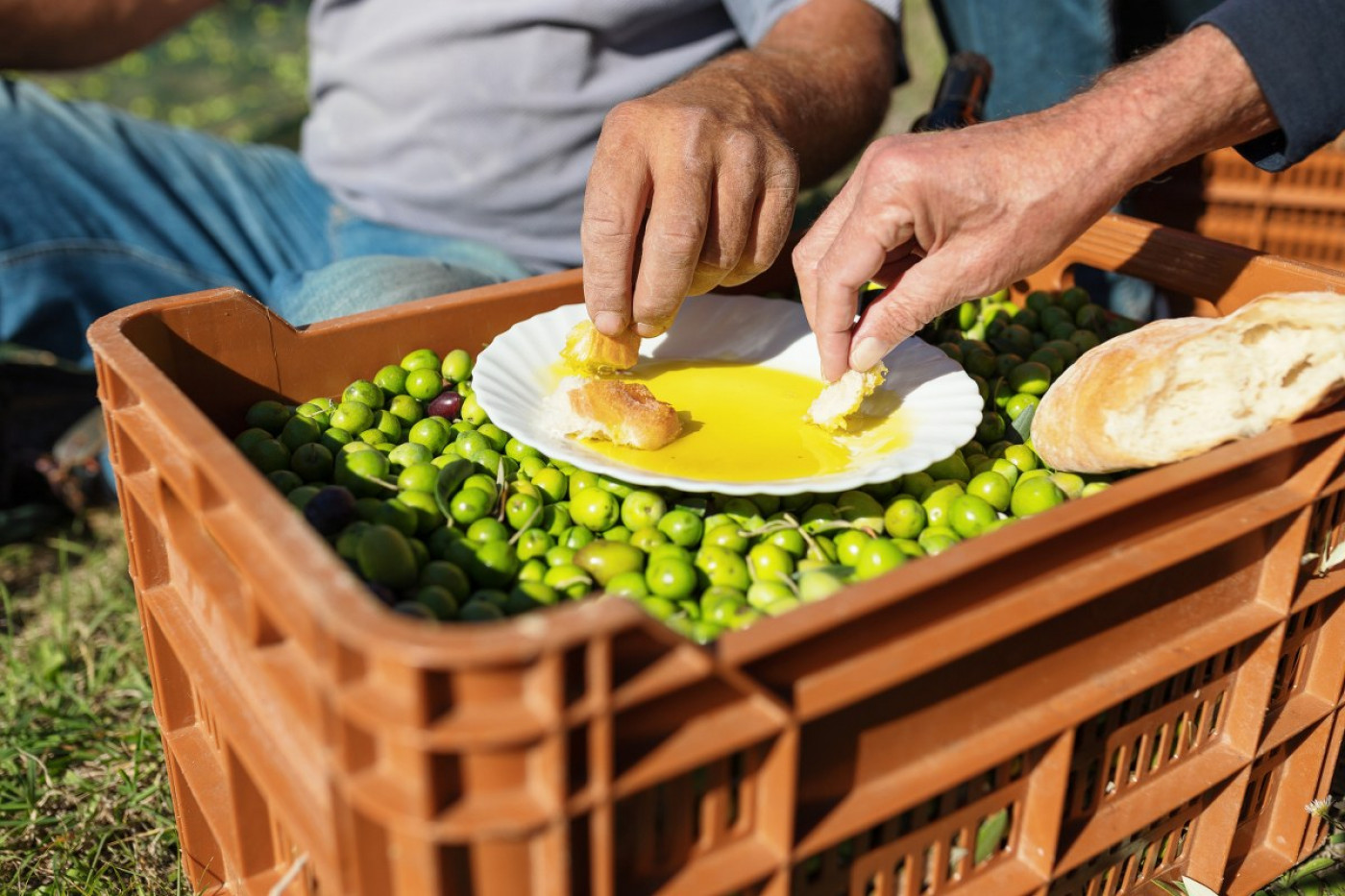
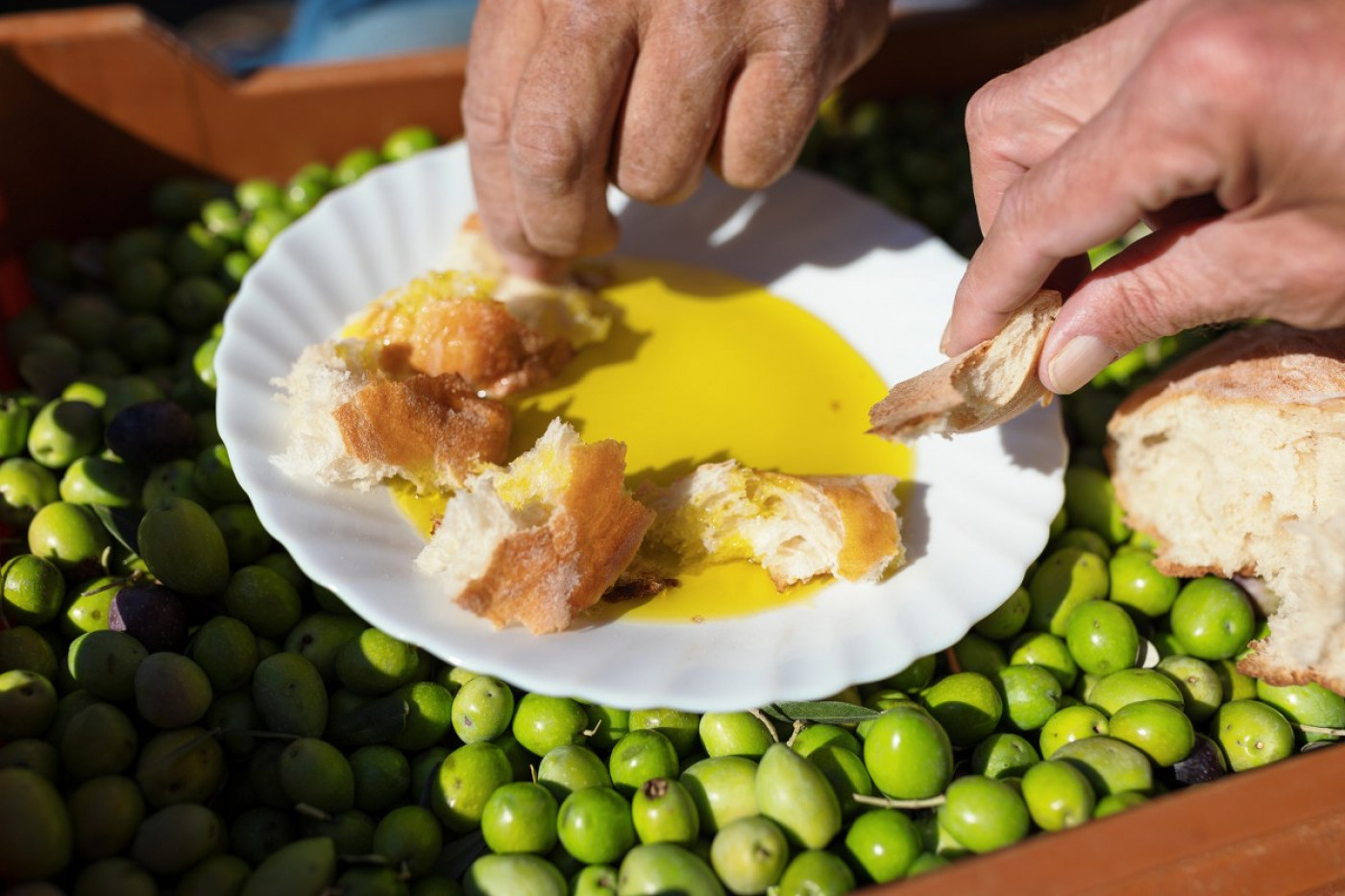
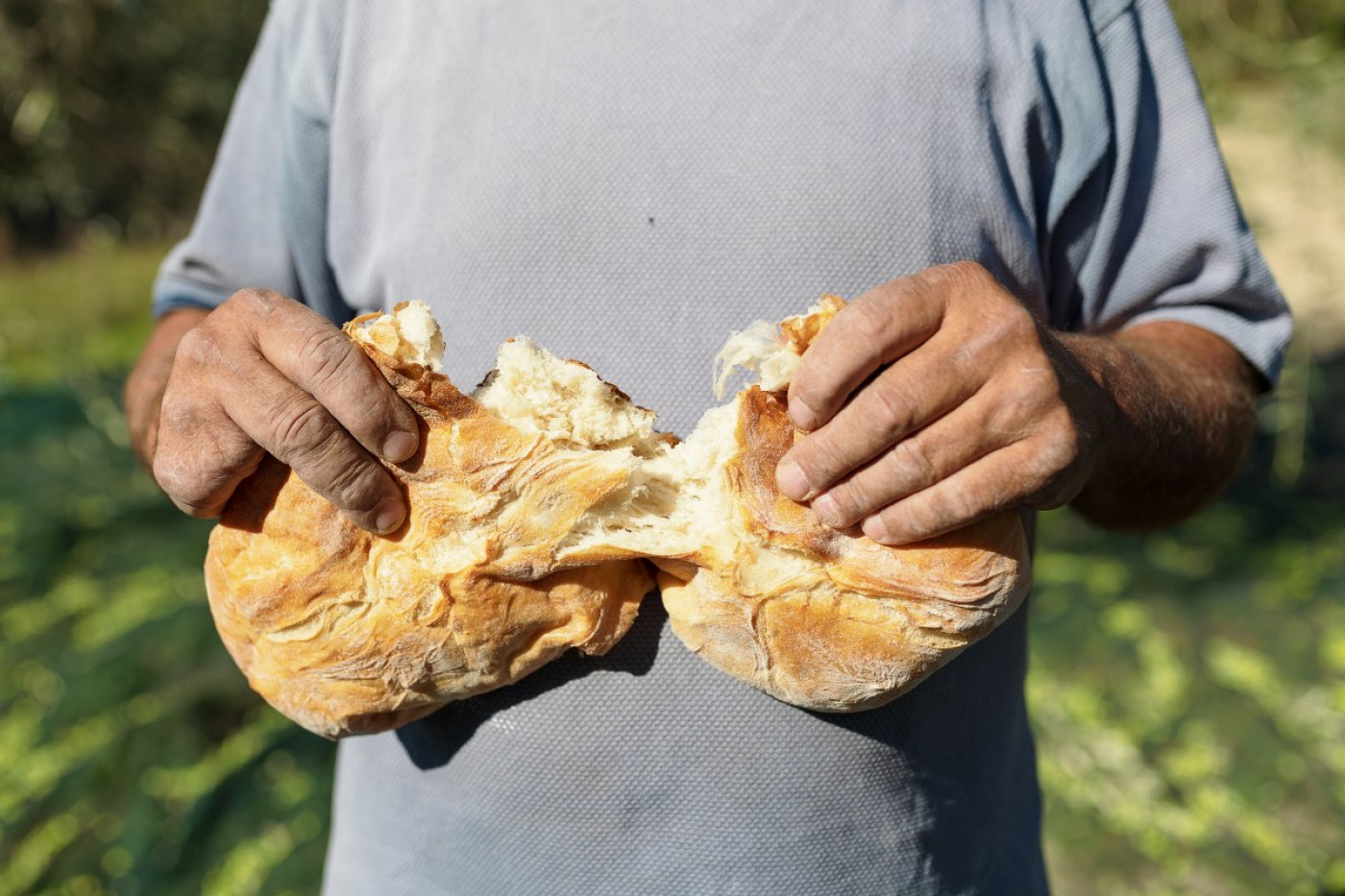
Still, true admirers of premium oils enjoy it in the simplest possible way - only with a piece of bread that soaks in the precious drops and is eaten right away. That little gastronomic ritual, enjoying the freshly extracted olive oil in the olive grove itself while the harvest is still in progress, is a million-dollar experience. As a matter of fact, it is priceless.
Watch the video
.
Want to find more?
Suggested
Events, Gastronomy
Gastro Advent: This Year's Main Specialties, Part 1
03.12.2022.
Gastronomy
Honey, the Superfood of the Entire Planet, is Hidden in the Rustic Medovka Cake
21.09.2021.
The Opening of This Year's Zadar Christmas Market
22.11.2024.
Gastronomy
Zadar - the City of Premium Natural Liqueurs and Brandies
15.02.2022.