
05.09.2022.
Fig - Symbol of the Mediterranean in Spreads and in Combination with Tuna
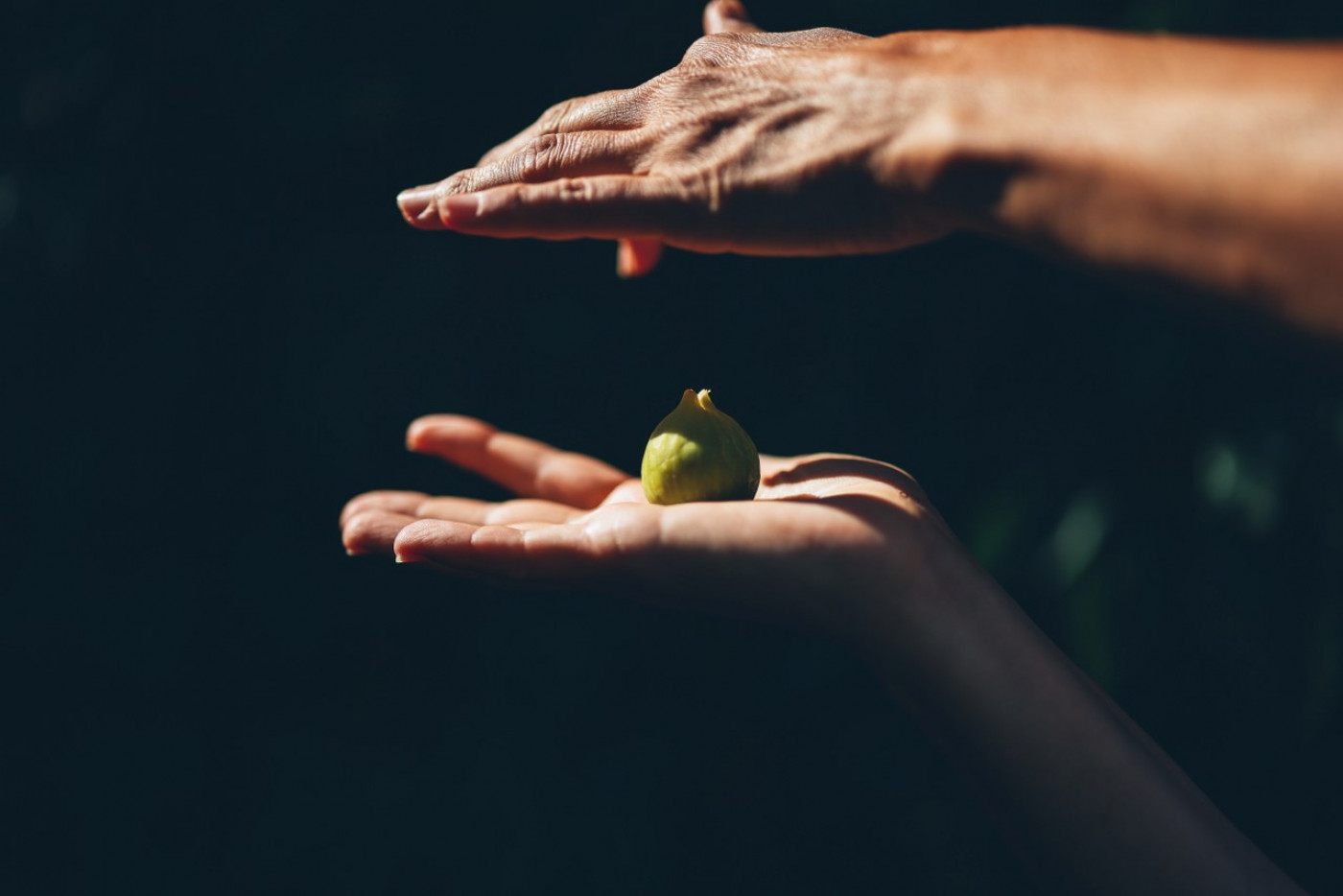
It is a mythical and biblical fruit, a symbol of abundance, fertility and sexuality, but also the power of summer and scorching heat. It is a calorie, vitamin and mineral bomb, an extract of health that nature, who knows how many millennia ago, perhaps undeservedly, gave to man.
Its almost 900 varieties are spread in every warm area of the planet, but still - the fig is a symbol of the Mediterranean, along with the olive, its most popular trademark. The Mediterranean is where the fig is. And the other way round.
Ubiquitous and easily accessible fruit
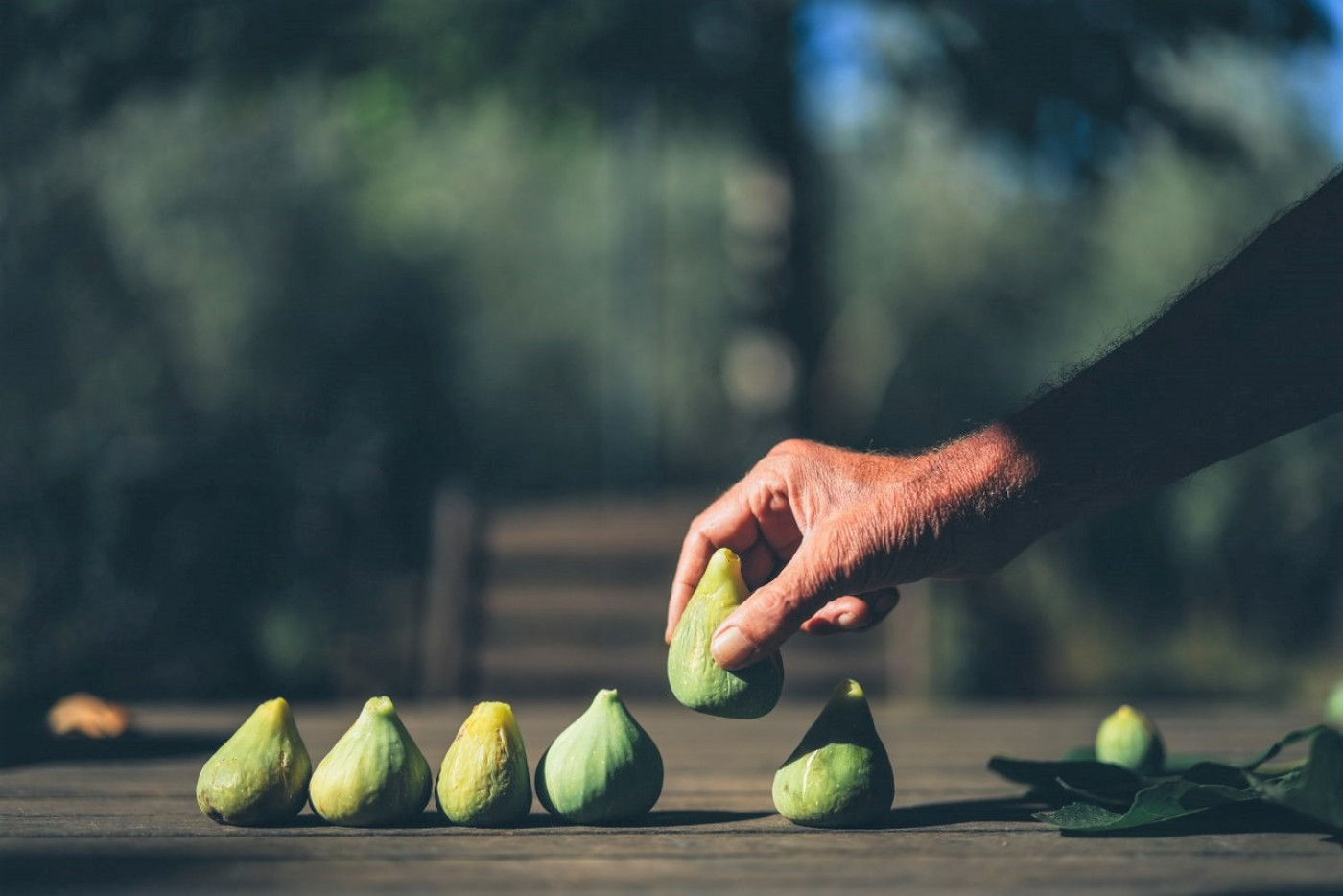
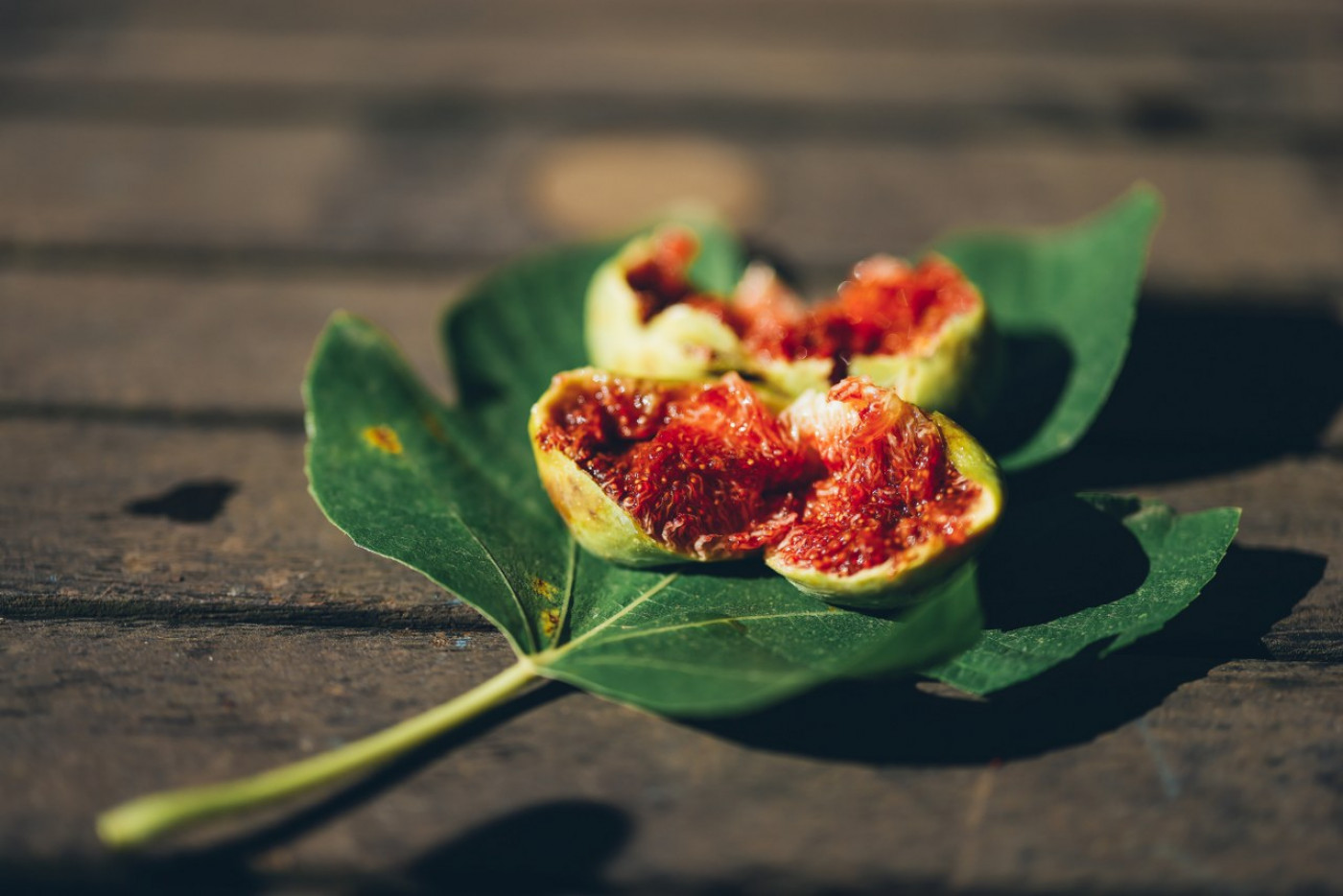
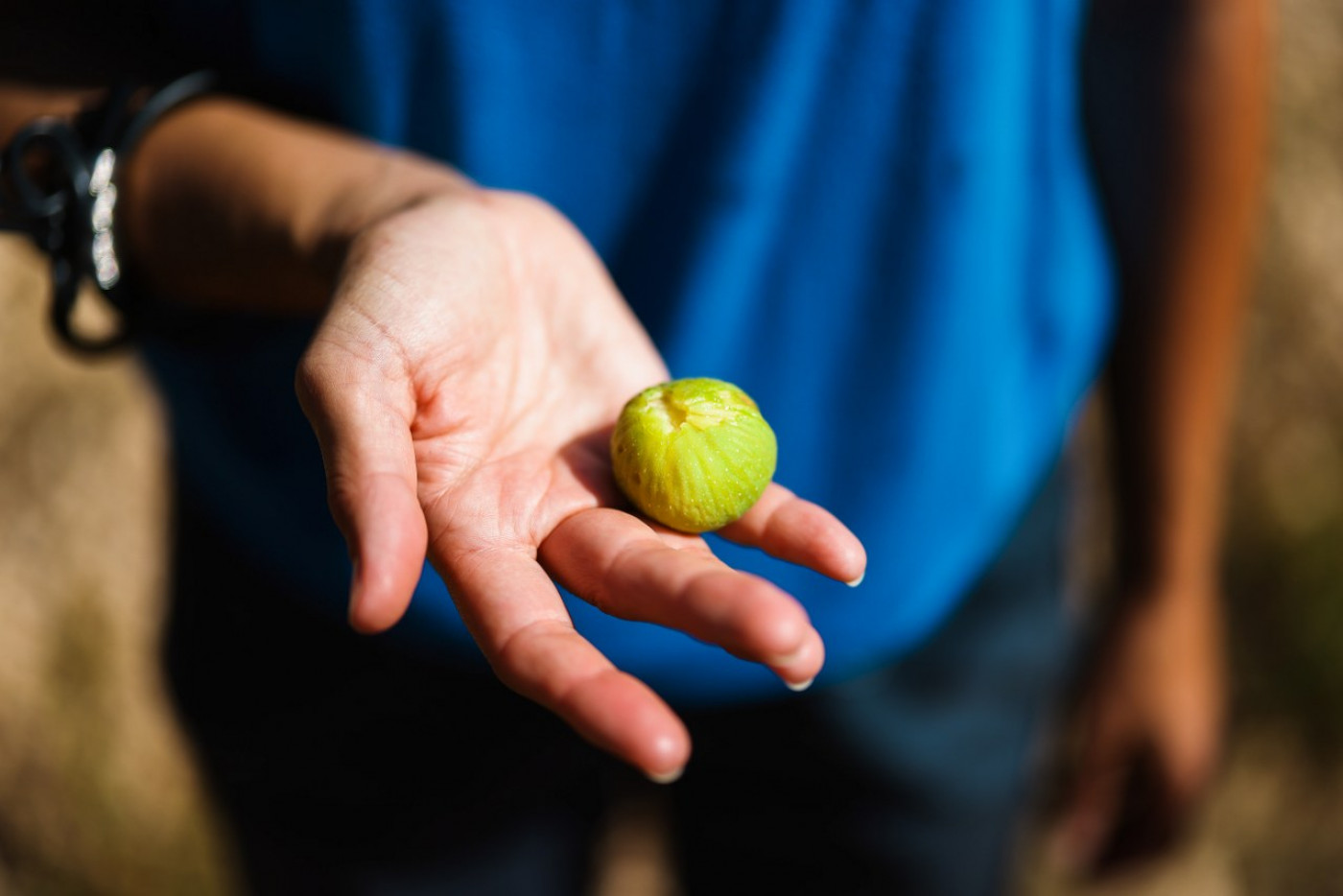
Figs are widespread in Zadar and its surroundings. Luxuriant broad-leaved trees grow in our backyards and gardens, giving beneficial shade in the summer. You can find them in the fields and along roads, springing from Dalmatian thickets of intertwined Mediterranean shrubs; they find their place right next to the sea, but also deep in the Dalmatian interior. According to the tradition of this area, the first morning ritual in the summer is a breakfast of two or three figs with a special small glass (bićerin) of homemade schnapps to get energy and motivation at the beginning of the day. This first-morning gastronomic pleasure is entirely authentic and original: opening up the delicate green skin and revealing its juicy and sweet interior also carries a unique eroticism that explains the motivating side of this simple Dalmatian ritual.
In order to preserve figs for long autumn and winter days, hardworking Dalmatian women dried figs in the intense summer sun to lose the surplus of water while retaining all their other values. They cooked jams and marmalades from figs, made long-lasting cakes such as the smokvenjak. Still, this fruit in its fresh or dried form is found in recipes for many a cake, while fig marmalade is an excellent substitute for honey and even a seasoning for spicy meat dishes like those of big game.
However, no matter how popular and widespread the fig might have been in these parts, the local farmers did not pay too much attention to fig trees. Orchards with figs were rare, and culinary specialities remained at the level of the home industry and for their own needs.
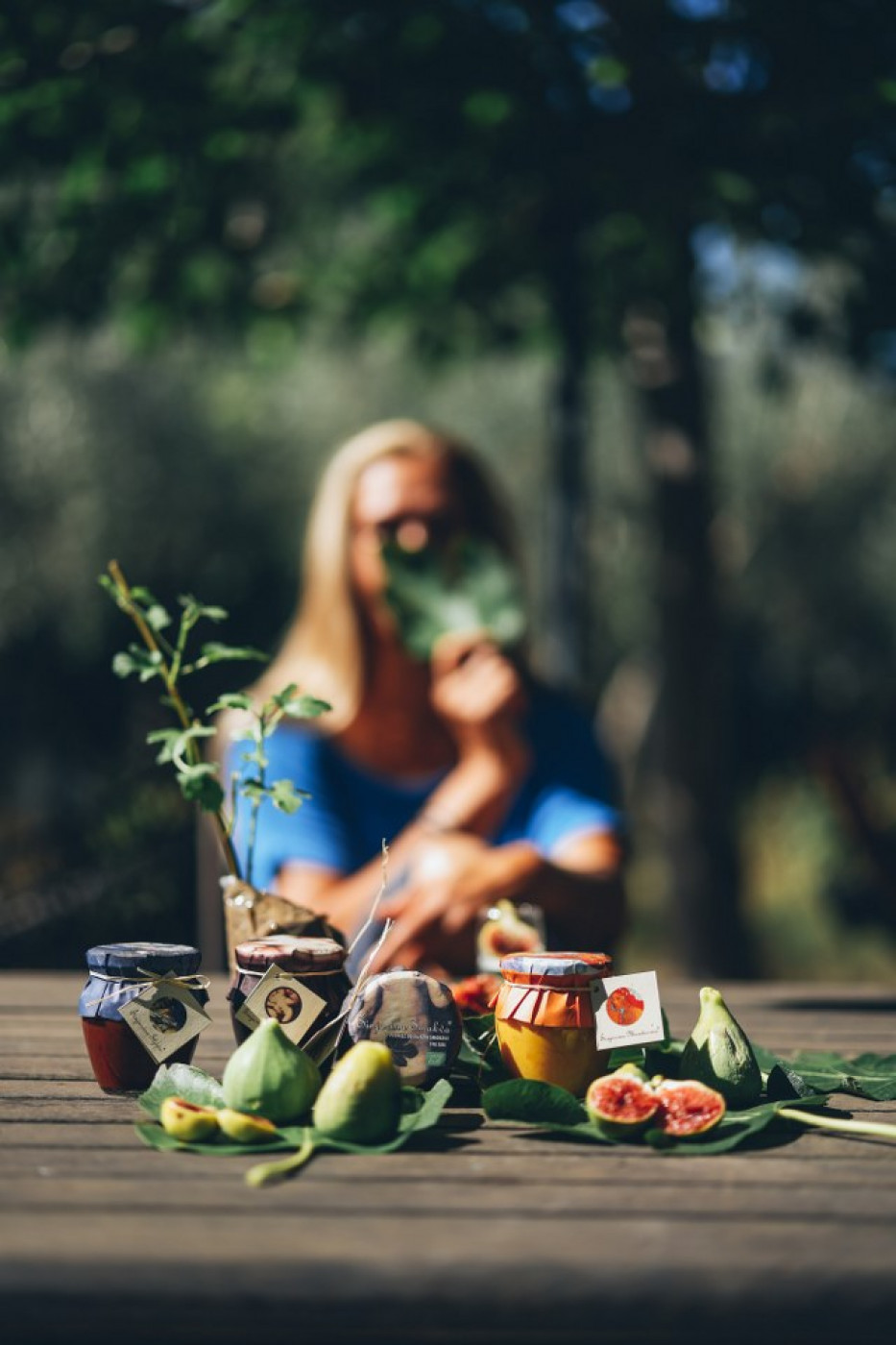
"Šinjorina Smokva" jams
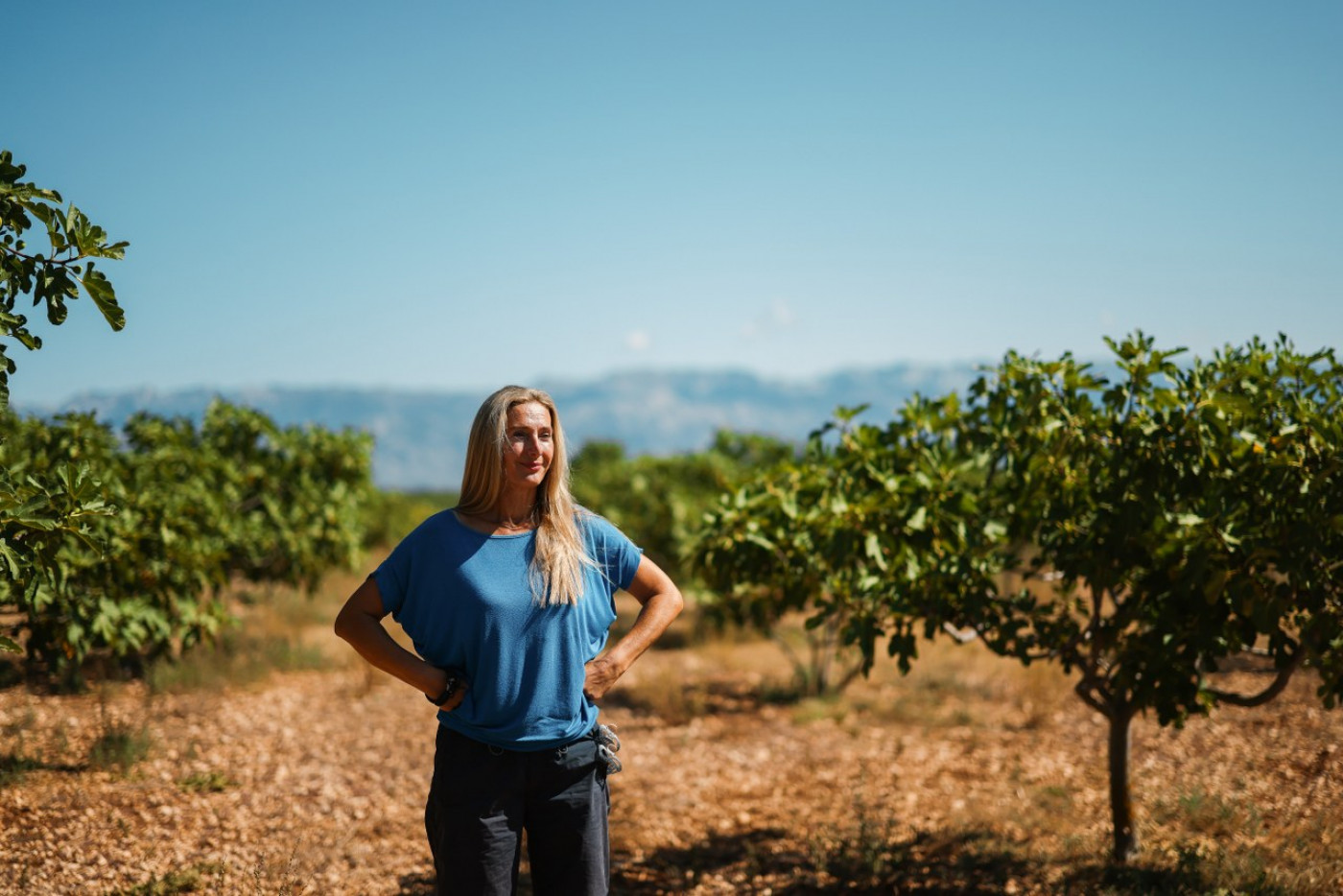
Sandra Babac of Zadar, a successful radio journalist in Zadar and Zagreb, a little less than 20 years ago, decided to "turn her life upside down". From the hustle and bustle of the metropolis, she returned with her husband Alan Damjanić and their newborn son Josip to her parents' estate in Poljica, about ten kilometres from Zadar, and devoted herself to growing and processing figs.
It bothered her that this beautiful fruit, regardless of its values and tastes, was a "minor" plant here, one that is unwaveringly always there by the man who, like an evil master to a faithful dog, neglected and disparaged it. Along with several existing old trees, Sandra and Alan planted an ecological plantation of about 500 young figs and first decided to produce pekmez (jam). This is how the famous brand "Šinjorina Smokva" came about, now renowned everywhere in Croatia and even beyond.
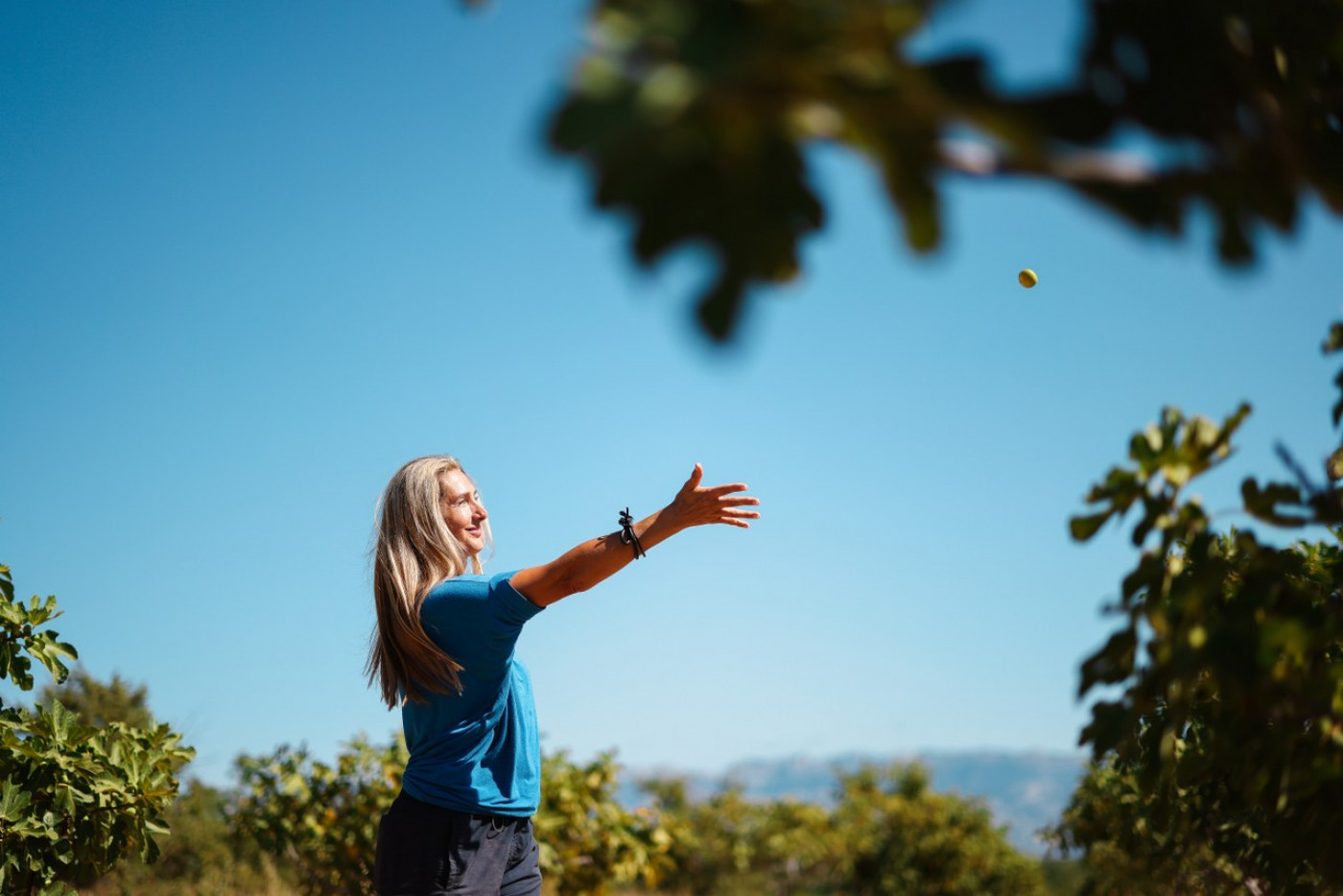
For almost two decades since their first beginnings, Sandra and Alan and their children, secondary school students Josip and Maura, have picked juicy fruits from their trees every day during August and September. With the freshly picked fruit, they made jam in a small but modernly equipped facility on the ground floor of the family home. Sandra's first dream came true: she fills little jars with the creamy jam and keeps the power of the Mediterranean summer and its heat, as well as the unique flavours and all values of figs so that we could enjoy them even when the summer is over.
And this taste, in the morning as a spread on a slice of warm bread or a bold combination mixed with some good gin, will remind us of last summer's pleasures and bring joy for the summer to come. Though admittedly, Sandra produces a smaller and exclusive series of jams from the Zadar famous Maraška cherry, then from the whole mandarin and Lika plums and the quinces from her own plantation, still Šinjorina Smokva has remained the most famous and most sought after product. Nevertheless, these five organic jams make up Sandra's five gracias arranged by the months of the warm part of the year.
Completely different figs at "Pet bunara"
While Sandra, Alan and their children pick ripe figs even in the hottest summer sun and immediately cook their spreads from them, Sandra's brother Vlado takes a small number of figs for his restaurant "Pet bunara" in the very centre of Zadar. Vlado inherited the restaurant business from his father Drago, who is still of help to Sandra and his son in their business, in the field or the restaurant. Vlado Babac based the culinary concept of his charming restaurant exclusively on seasonal fresh foodstuffs from organic farming, so we wrote on this site last spring about how artichoke dishes are prepared at "Pet bunara". An innovative approach to the preparation of meals, to which Vlado and his team stick, has brought this restaurant to the level of "something completely different". Traditional, "ordinary" Mediterranean foods get new faces here and are blended into new, different delicious combinations that become unique gastronomic adventures.
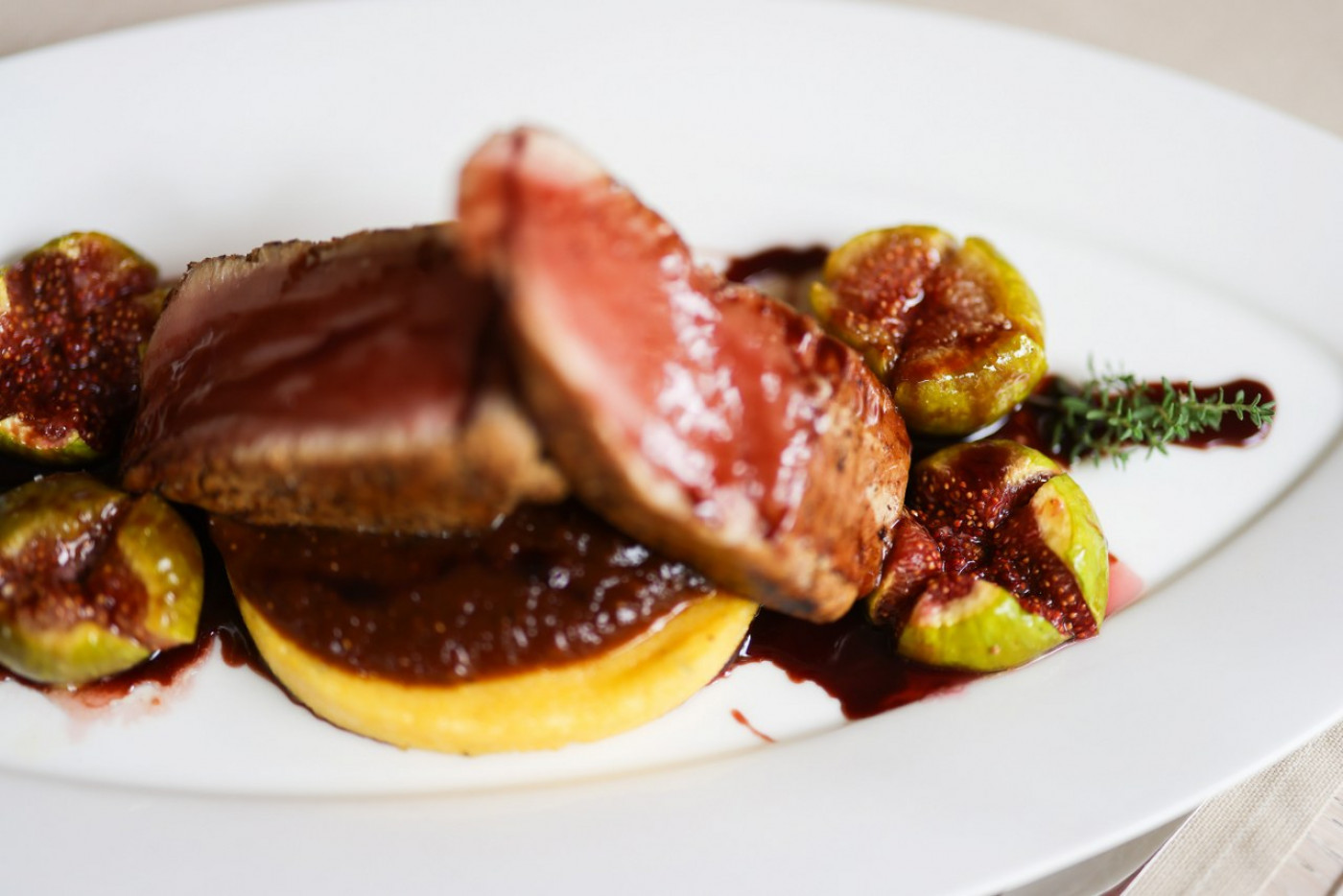
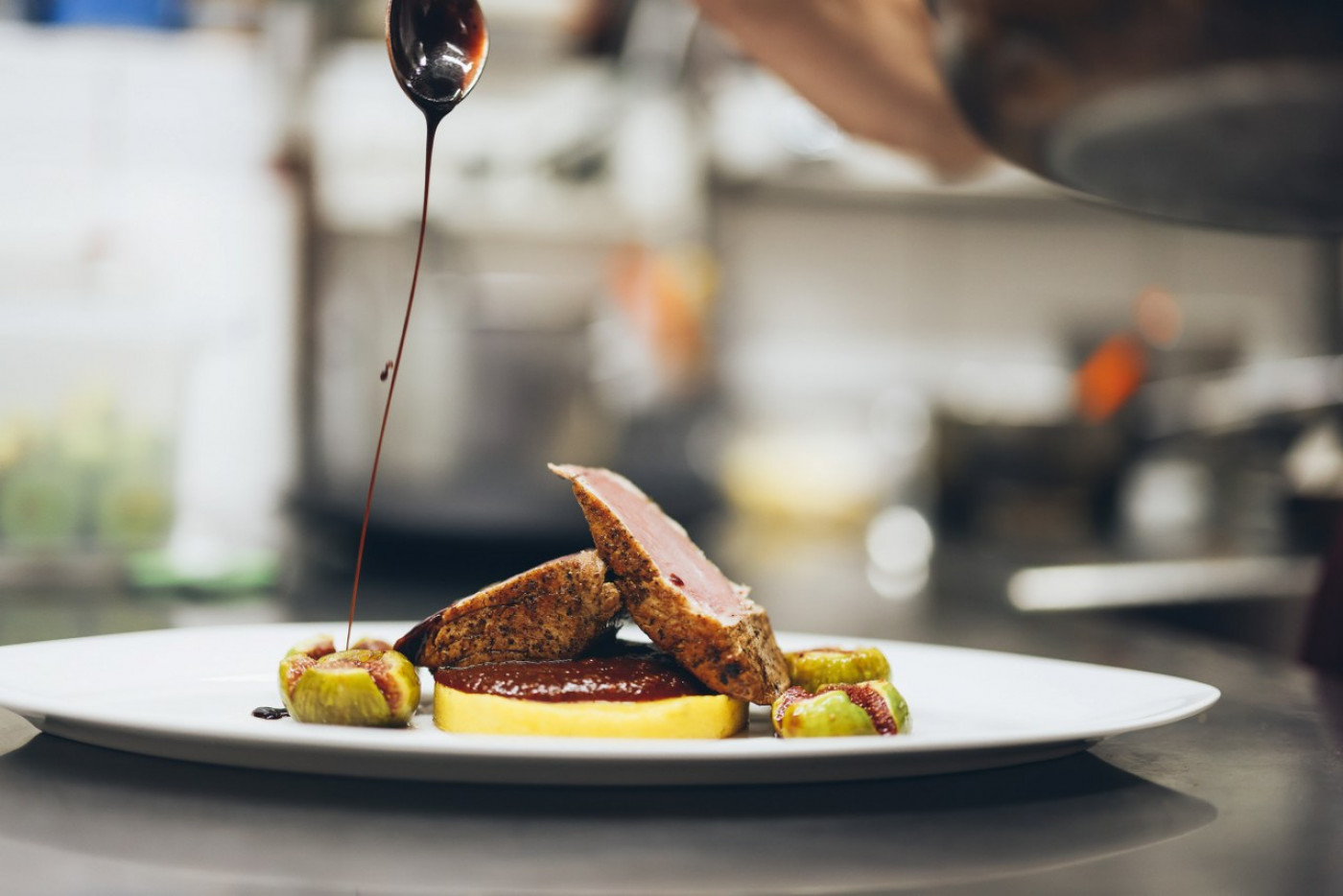
The same is with figs. As one might expect, the chef of the "Five Wells" Šime Škrokov drowned the figs Sandra sent him in some dessert or cake already in an authentic, sensational dish using both fresh figs and its jam. He called it simply - Adriatic tuna in fig sauce. Two culinary princesses bred and grown near Zadar, one from the sea - the top Adriatic bluefin tuna that Babac procures in the nearby farm of the company "Pelagos" blended with the fig "Šinjorina Smokva".
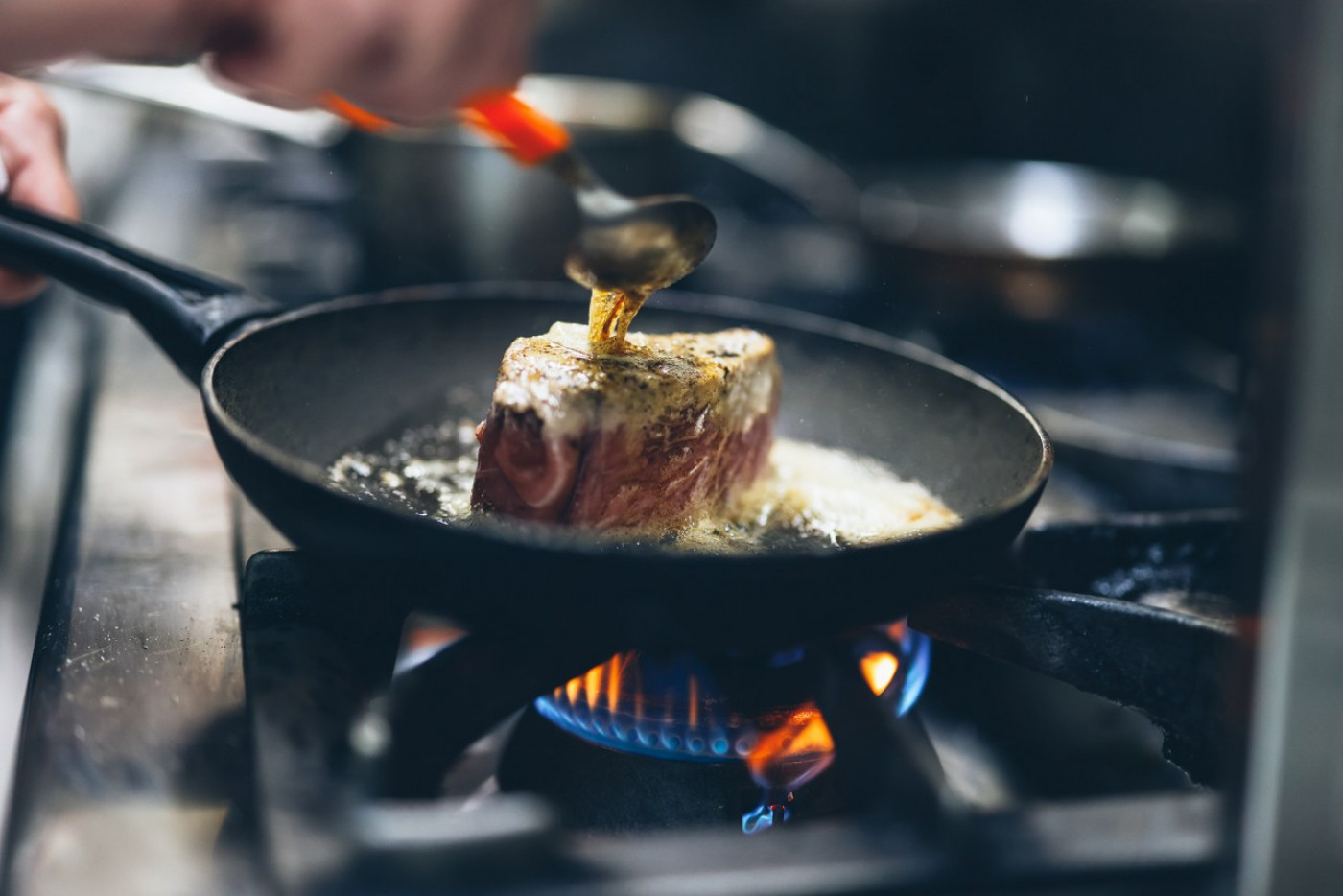
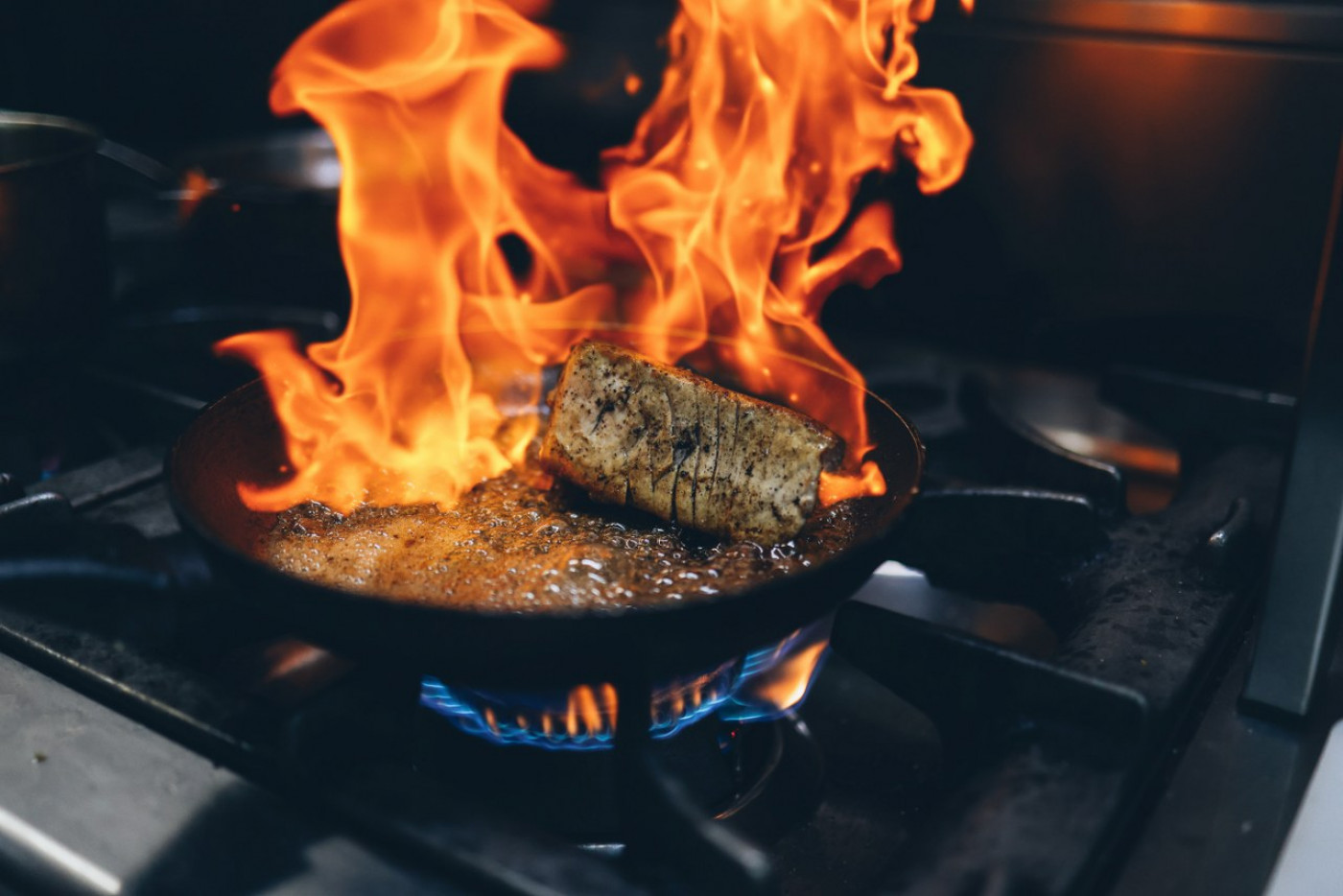
The base of the dish is traditional polenta, which chef Šime cooked with goat cheese and seasoned with thyme. He then poured over the polenta the first sweet-salty sauce made from fig jam. He briefly sautéed a few teaspoons of jam on the onion and garlic, seasoned it with Nin salt and pepper, and with good cognac, he flambéed it. He did almost the same with the tuna steak - the selected steak was seared in olive oil and butter and briefly flambéed again so that the soft meat was medium done but retained the taste of sea freshness of the just-caught tuna.
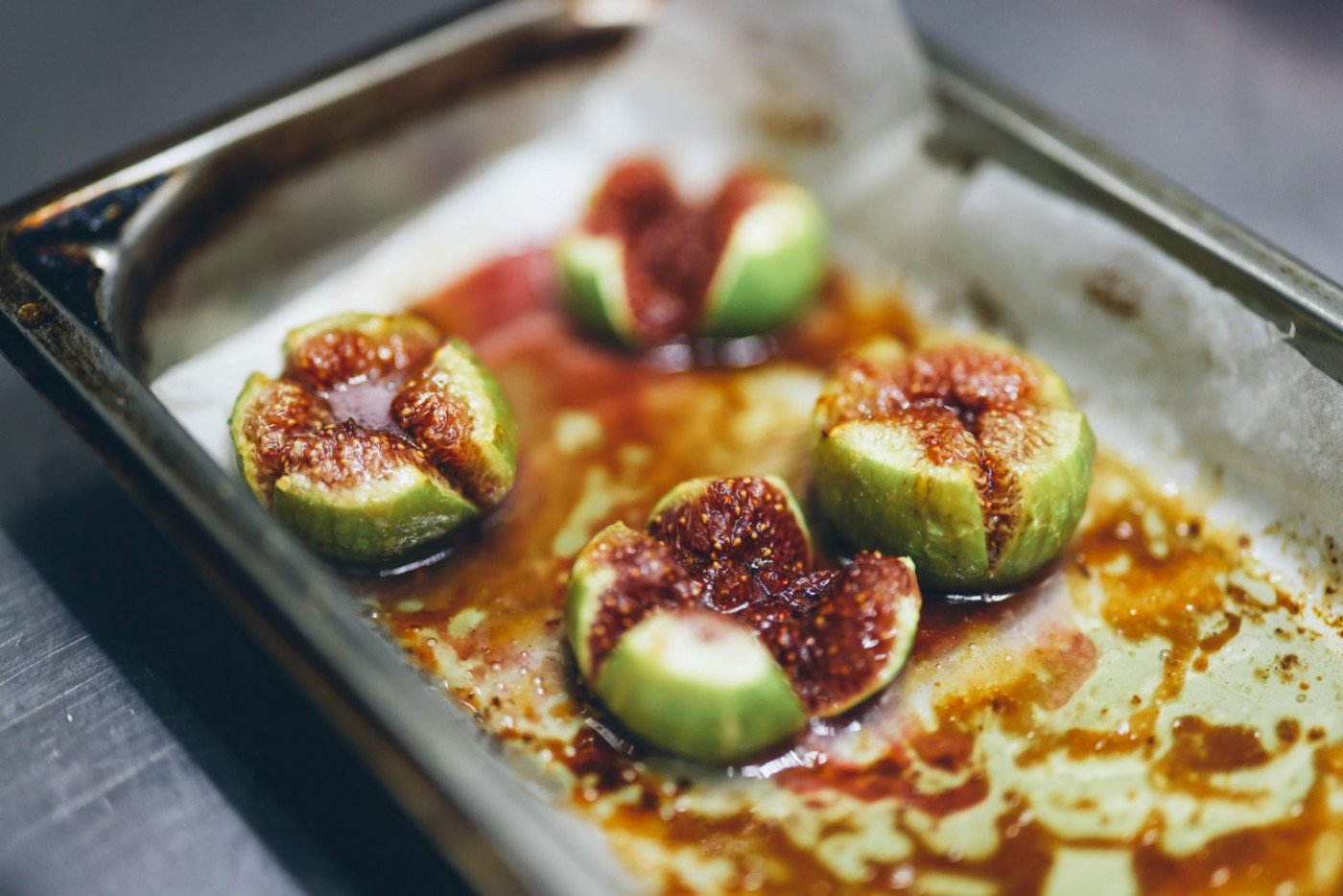
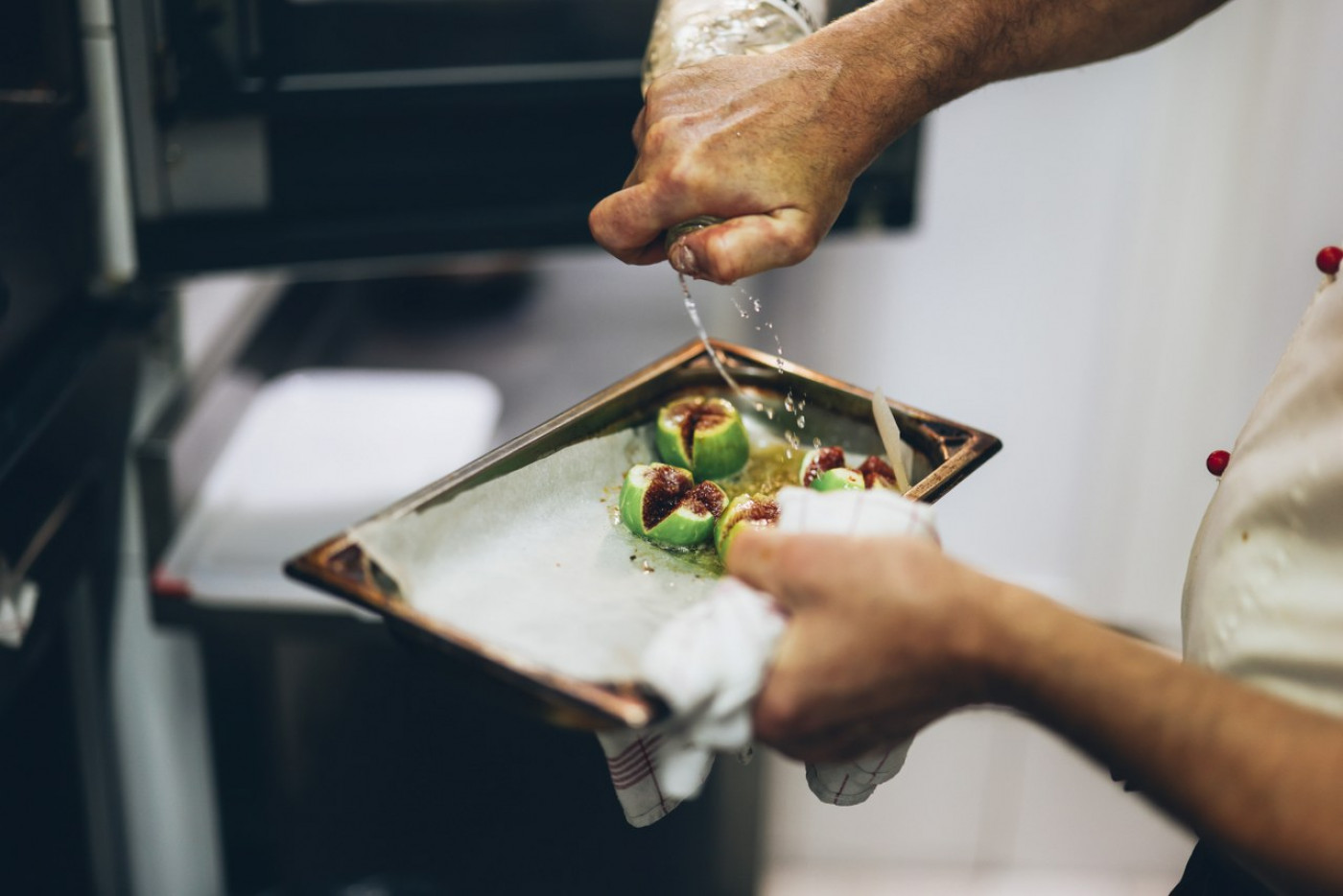
Meanwhile, figs were baked in the oven with honey, butter and splashed with Zadar liqueur maraschino and they will, as it turns out, be a perfect side dish to go with soft tuna. And the chef topped it with another sauce, that of red wine and demi-glace extract. Suddenly, a spectacular balance of sweet, salty and sour flavours was created on the plate, in which our "ordinary" Mediterranean, Dalmatian and Zadar figs got a completely new, intriguing face because they found themselves in the company of the original taste of phenomenal tuna.
Yes, our chef Šime could prepare a delicious dessert from fresh figs or boil them in wine, as is traditionally done in Dalmatia with dried figs during long winter nights. Still, these and similar combinations that arise from the chef's creativity are the reason why guests return again and again to the Restaurant "Pet bunara".
Watch the video
.
Want to find more?
Suggested
Events, News
Full Moon Festival | The Novelty Is In Its Music and Gastronomy
08.08.2023.
Events
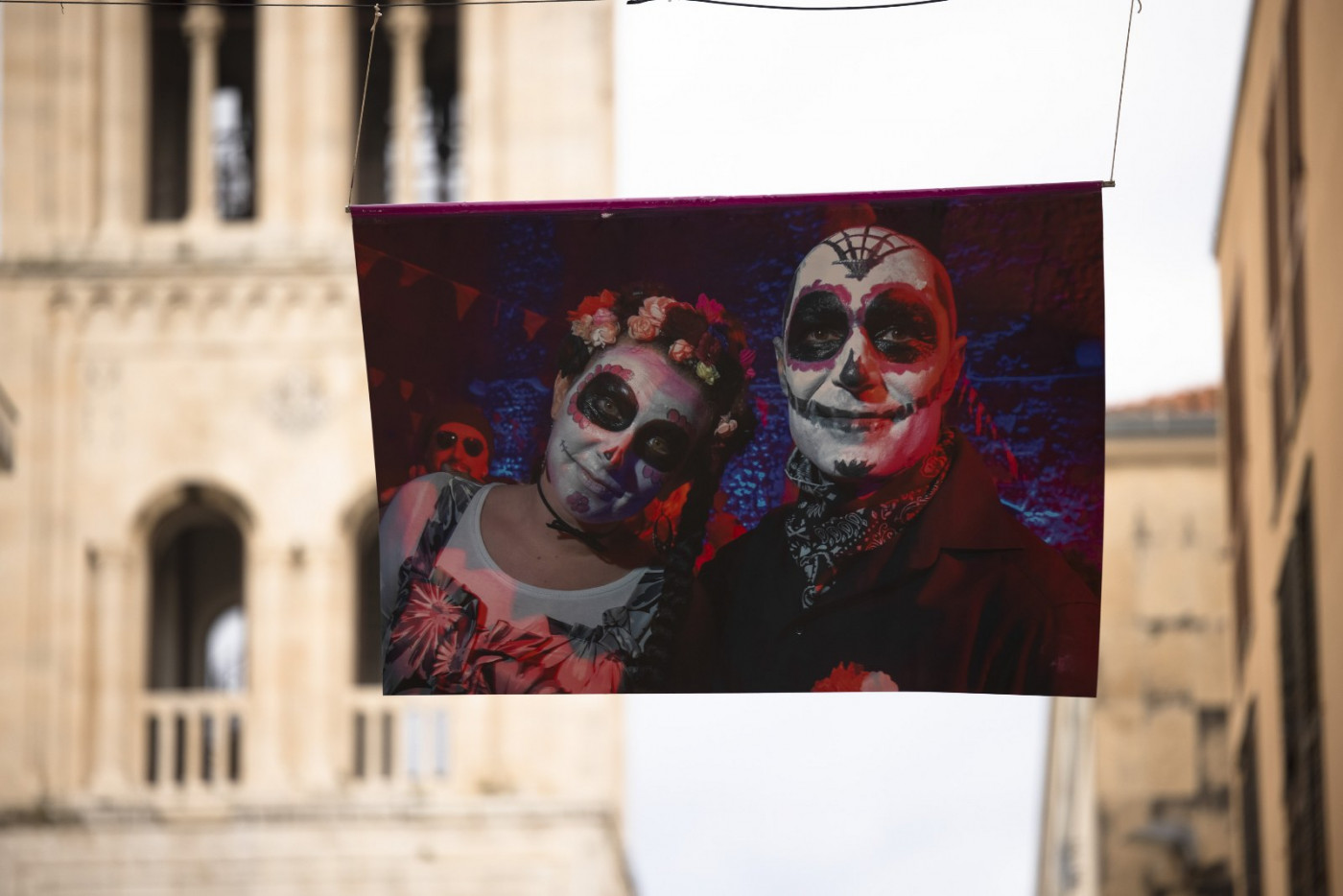
Photography Exhibition “Carnival to Go” in the City Streets of Zadar
11.02.2021.

News
European Mobility Week | Zadar 2021
17.09.2021.

Events
Winter Fairytale in the Atrium of the Cedulin Palace
04.12.2024.