27.12.2021.
A 3D Sculptural Representation of the Historical City Centre of Zadar
Every now and then, strolling along the famous Zadar city walls, which the people of Zadar call Muraj, uncovers some new surprises. New ways of interpreting our city are emerging in a quiet manner. Why is that? Because Zadar has a lot to say.
The idea that the walls represent an educational promenade for visitors, as well as a unique outdoor exhibition space, was created a long time ago, and that idea became a reality with the EU Project Zadar Baštini.
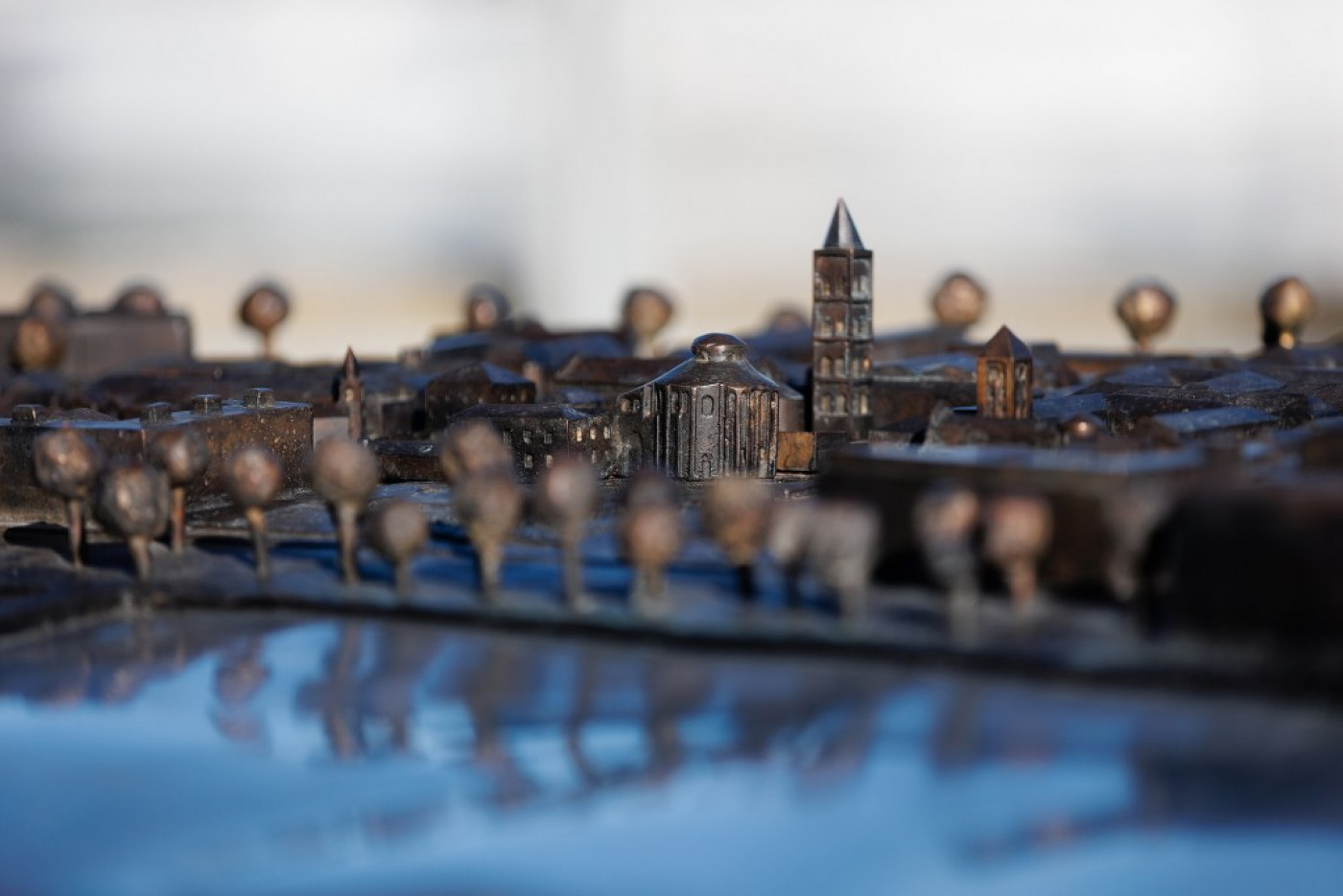
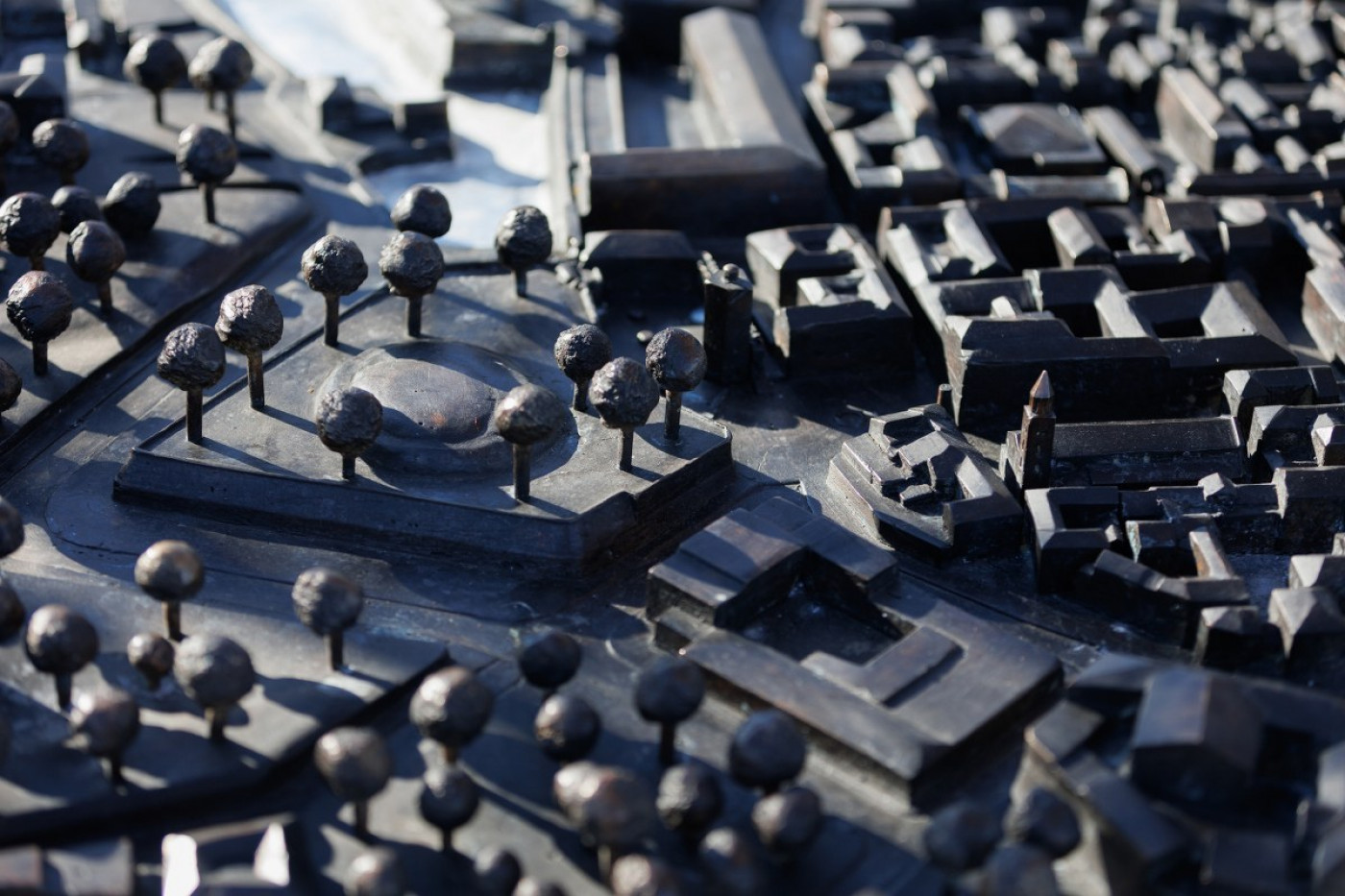
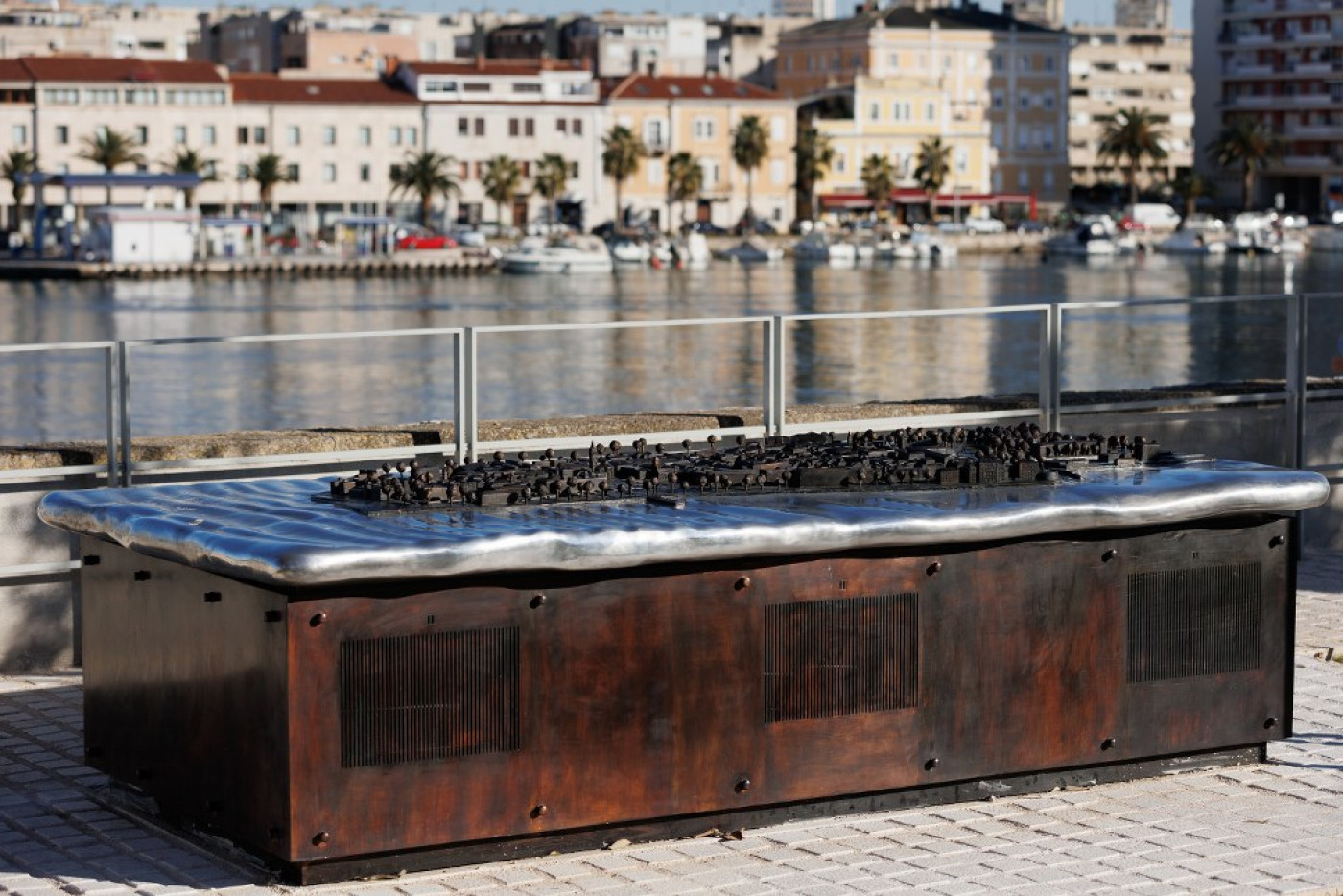
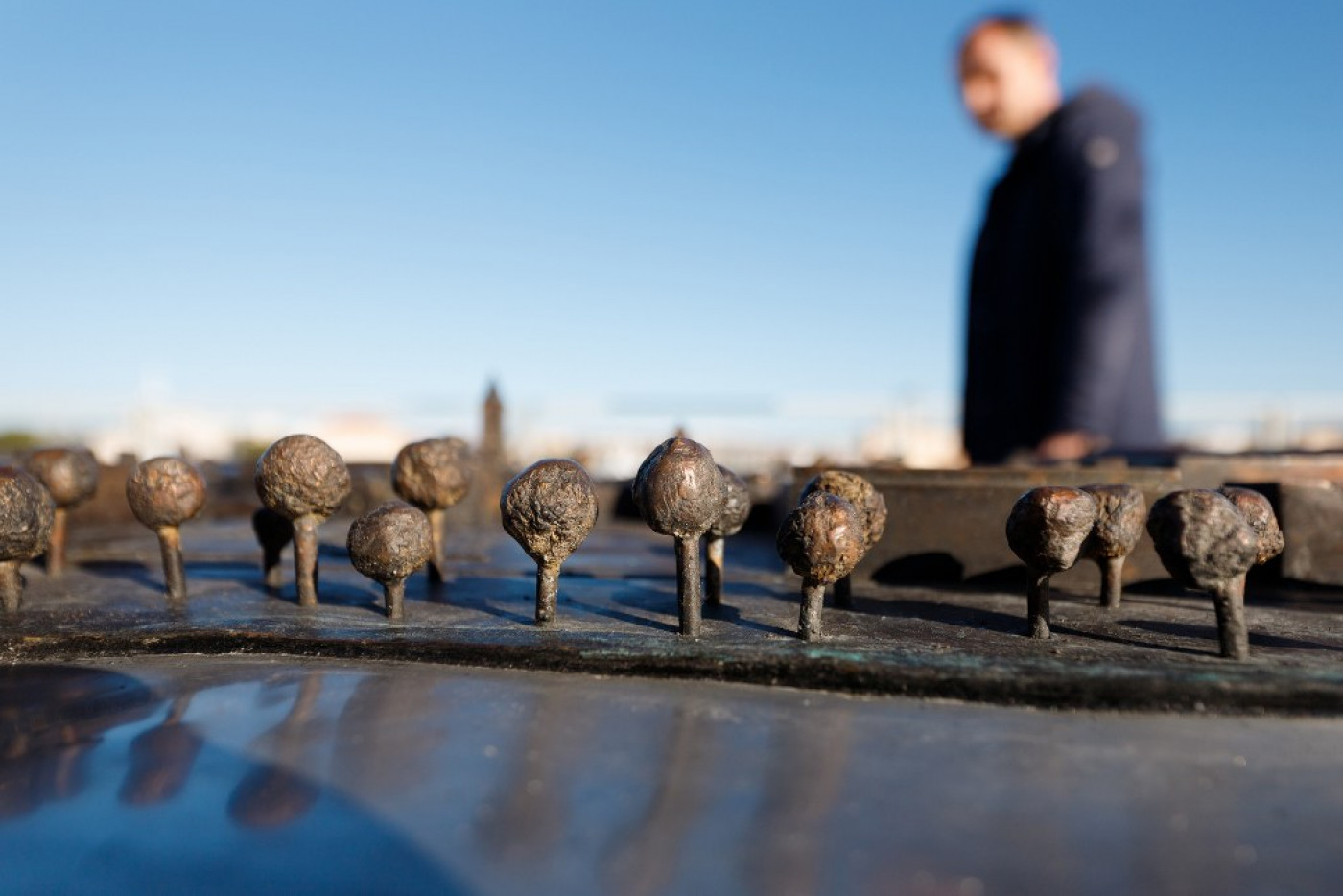
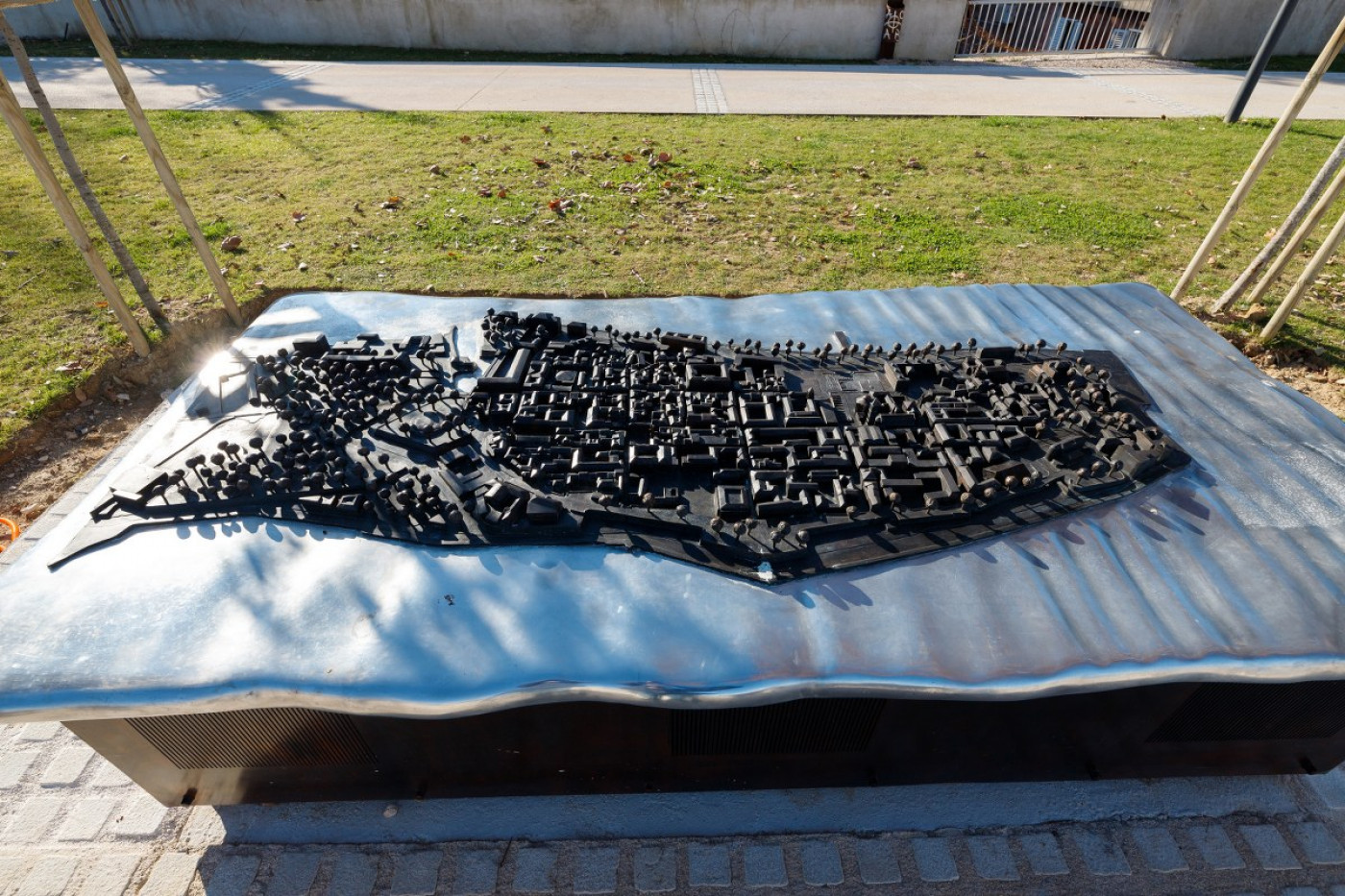
This time it is about miniature Zadar, but in a large format. The 3D sculptural representation of the historical centre of Zadar, or simply the model of the city, draws us into a whole new dimension, imbued with architectural elements, an unusual combination of bronze and aluminium, familiar sounds and deep blue. From bonaca (windless sea) to maestral (sea breeze), from the melody of the Sea Organ to ćakula (small talk, chitchat or gossip) at the market, from the Church of St Donat to Vladimir Nazor Park. There are just so many stories about Zadar in one place.
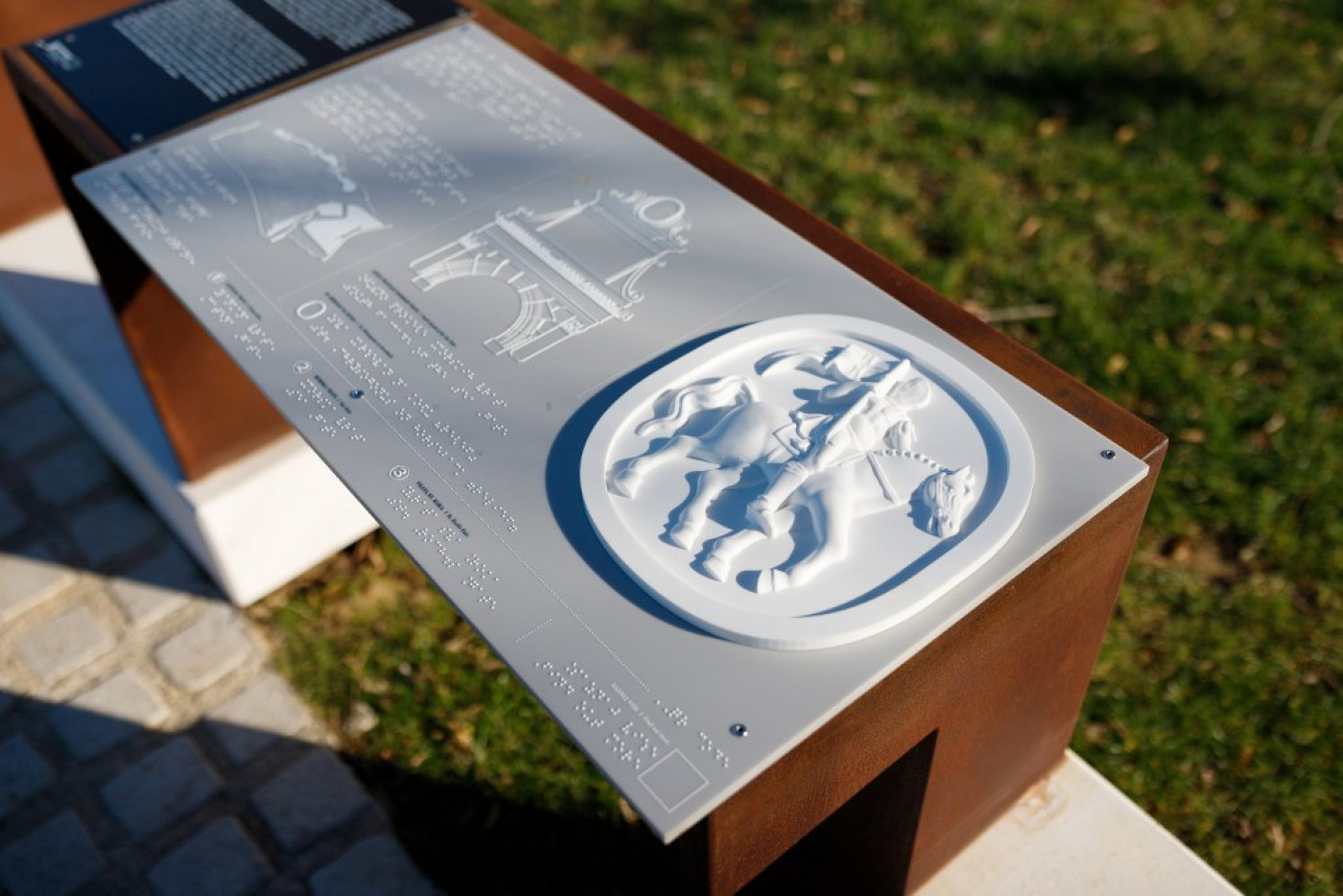
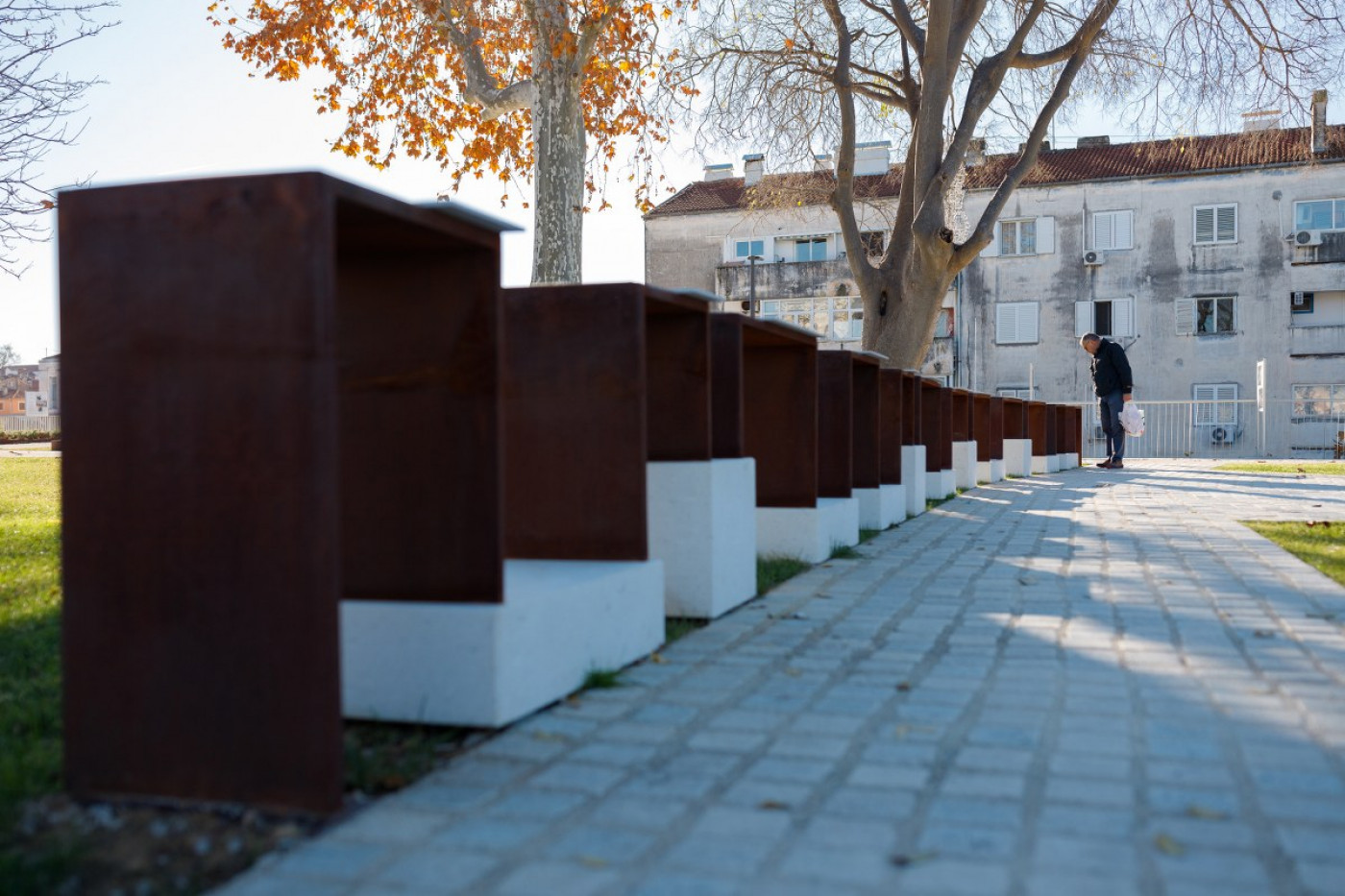
Zadar thus joins other cities such as Zagreb, Split, Dubrovnik and Šibenik, which have also, each in their own way, recorded a moment in the life of their city for future generations. However, Zadar has taken a step further in this regard as well. This model is the first of its generation, the only in Croatia that has an adaptable sound installation. Thanks to another EU Project, called Tourism4All, signalization and interpretation was set up on the Medieval Zadar city walls, making one of the most famous and attractive tourist destinations in Zadar accessible to people with disabilities.
How It Was Made
This interactive Zadar city model is the original work by the academic sculptor Mr Damir Mataušić, who interpreted Zadar precisely in this way, with the focus on contrasts in materials, considering all seasons, colours and shadows, and observing Zadar completely surrounded by the sea. The goal of setting up this interactive sculpture is to contribute to the promotion of the UNESCO-protected immovable cultural heritage of the city of Zadar, i.e., the Walls of Zadar Uprisings, by enabling a new concept of presenting culture.
The sculpture is cast in brown patinated bronze, while the relief surface of the sea is made of polished aluminium. The experience and sensation of visitors are brought to the fore.
Interpretive Triangle
This interactive city model represents urban life and the experience of Zadar city in a different, until now untold way, which allows the visitor a direct insight into the character of the city, its streets, people, sounds, life and customs.
This informal way of learning is rooted in the concept of the interpretive triangle, based on our personal experiences, participation in sustainable management and especially the protection of the heritage that surrounds us.
The Walls of Zadar Uprisings are just one of the proofs that the future of Zadar is focused on man - its citizen.
Watch the video
.
Want to find more?
Suggested